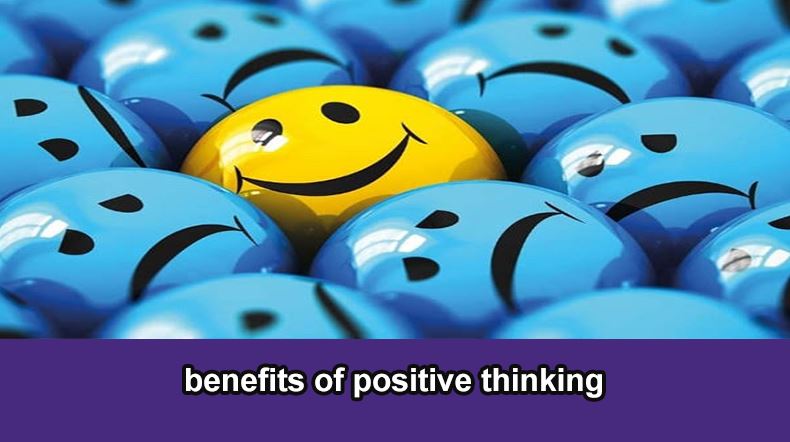
benefits of positive thinking


The concept of positive thinking often conjures images of unyielding cheerfulness or a naive refusal to acknowledge life’s genuine hardships. However, true optimism is deeply rooted in psychological resilience, cognitive flexibility, and emotional intelligence. It is the practice of approaching challenging situations with a productive, constructive mindset rather than yielding to defeat or passive resignation. Decades of research in psychology, neuroscience, and physical medicine have demonstrated that the benefits of positive thinking extend far beyond mere emotional comfort. Cultivating an optimistic mindset fundamentally alters how the brain processes stress, how the immune system responds to threats, and how individuals navigate complex social and professional landscapes. Understanding these intricate mechanisms reveals why adopting a positive outlook is a vital component of a healthy, sustainable, and successful lifestyle.
The Psychological Advantages of an Optimistic Mindset
When individuals routinely practice cognitive reframing to focus on solutions rather than dwelling indefinitely on problems, they build a robust psychological buffer against anxiety and depression. A naturally optimistic approach does not eliminate negative emotions or erase trauma, but it significantly reduces the duration and intensity of everyday psychological distress. People who focus on the positive aspects of their circumstances tend to exhibit higher levels of emotional regulation. They process setbacks as temporary and specific to a situation, rather than viewing them as permanent, pervasive flaws in their character or life trajectory. This subtle shift in attribution style prevents the downward spiral of rumination that so frequently leads to chronic mood disorders and debilitating anxiety.
Furthermore, embracing the benefits of positive thinking heavily influences overall mental health by fostering a strong sense of self-efficacy. When you maintain a baseline belief that your actions can lead to favorable outcomes, you are significantly more likely to take proactive steps to improve your situation. This active coping mechanism is a hallmark of long-term psychological well-being. Instead of adopting a victim mentality during moments of personal or professional crisis, optimistic individuals engage in strategic problem-solving and actively seek out social support. Their internal mental landscape becomes a solid foundation for growth and adaptation rather than a breeding ground for chronic psychological fatigue.
Over time, this constructive mindset physically rewires the brain through the process of neuroplasticity. Consistently choosing to find the silver lining, or extracting the actionable lesson in a moment of failure, strengthens the neural pathways associated with emotional stability and executive control. Consequently, the brain becomes far more efficient at returning to a state of baseline calm after a highly stressful event. This accelerated emotional recovery period is absolutely essential for maintaining long-term mental health and preventing severe cognitive burnout in our increasingly demanding and fast-paced modern environments.
How Positive Thinking Transforms Physical Health
The mind-body connection is a heavily documented, undeniable biological phenomenon, and the physiological advantages of an optimistic outlook are staggering. Chronic stress, driven by perpetual negativity and catastrophic thinking, floods the human body with excessive cortisol and adrenaline. While these hormones are strictly necessary for acute, short-term survival situations, their prolonged and unregulated presence leads to systemic inflammation, which is the root cause of numerous chronic health conditions. By proactively mitigating psychological stress responses, positive thinking acts as a natural biological shield. It preserves the body’s delicate internal equilibrium and actively protects against premature cellular wear and tear.
Strengthening the Immune System
One of the most profound physical benefits of positive thinking is its direct, measurable correlation with immune system efficacy. Extensive medical research indicates that individuals who maintain a hopeful, resilient outlook generate more robust immune responses when exposed to viral and bacterial pathogens. Persistent negative emotional states can actually suppress the production of lymphocytes, the vital white blood cells crucial for fighting off external infections. Conversely, an optimistic mindset helps regulate the autonomic nervous system, ensuring that the body’s natural defensive mechanisms are not compromised or suppressed by chronic psychological distress.
Clinical observations frequently show that patients with a naturally positive disposition tend to recover faster from complex surgeries, physical injuries, and severe infections. Their bodies are not forced to battle the exhausting dual fronts of acute physical trauma and severe, unmanaged emotional distress simultaneously. By keeping destructive stress hormone levels manageable, active optimism allows the immune system to allocate its energetic resources efficiently toward healing and deep cellular repair, rather than remaining trapped in a perpetual, draining state of high-alert systemic defense.
Cardiovascular Health and Longevity
Beyond successfully warding off common seasonal illnesses, an optimistic mindset plays a critical, life-saving role in long-term cardiovascular health. Cardiologists and researchers have long noted that individuals who manage daily stress through positive cognitive frameworks exhibit lower resting blood pressure and a drastically reduced risk of coronary artery disease. The biological mechanism behind this is relatively straightforward: lower baseline anxiety reduces the mechanical strain on the heart muscle and prevents the chronic vascular constriction directly associated with the body’s fight-or-flight response. This consistent vascular relaxation significantly lowers the long-term risk of heart attacks, arrhythmias, and strokes over a person’s lifespan.
Furthermore, extensive longitudinal studies focusing on human aging consistently highlight optimism as a primary, independent predictor of extreme longevity. People who deeply understand and internalize the benefits of positive thinking tend to live substantially longer, healthier, and more active lives. This increased lifespan is partly due to the direct biological protections against cardiovascular degradation and immune suppression, but it is also heavily linked to the daily behavioral choices that optimistic people make. Believing in a positive, worthwhile future naturally encourages individuals to invest heavily in their long-term health through better nutritional choices, consistent exercise routines, and proactive preventative medical care.
Enhancing Cognitive Function and Problem-Solving Skills
The impact of a positive mindset on daily cognitive function and executive processing is fundamentally transformative. According to the well-regarded broaden-and-build theory of positive emotions, experiencing joy, contentment, and optimism physically broadens an individual’s momentary thought-action repertoire. When the brain is not consumed by the narrow, hyper-focused tunnel vision inherently associated with fear, panic, and anxiety, it becomes highly capable of taking in peripheral information and making novel, unexpected connections. This expanded cognitive state is the exact mental environment required for deep analytical thinking, artistic creation, and innovative problem-solving.
In highly practical terms, approaching a complex, multi-layered task with an optimistic mindset allows for significantly greater mental flexibility. When a chronically pessimistic individual encounters a sudden roadblock, their brain often perceives it as a direct threat, automatically shutting down creative neurological pathways and prompting a psychological retreat. In stark contrast, someone actively leveraging the benefits of positive thinking views that exact same roadblock as an intriguing puzzle waiting to be solved. This automatic cognitive reframing keeps the prefrontal cortex fully engaged, allowing for lateral thinking and the rapid generation of multiple, innovative solutions to a single, stubborn problem.
Moreover, routine positive thinking substantially enhances sustained focus and complex information retention. Chronic, unmanaged worry consumes massive amounts of working memory, leaving far fewer cognitive resources available for learning new skills and executing demanding tasks. By consciously clearing away the mental clutter of persistent, repetitive negative thoughts, active optimism frees up invaluable cognitive bandwidth. Professionals, creatives, and students alike consistently find that when they purposefully cultivate an attitude of positive expectation, their ability to concentrate deepens profoundly, and their capacity to absorb, synthesize, and apply complex new information improves dramatically.
The Impact of Optimism on Professional and Personal Relationships
Human beings are inherently, deeply social creatures, and our baseline mindsets are highly contagious within group settings. The benefits of positive thinking naturally extend outward from the individual, profoundly shaping the ultimate quality, depth, and longevity of their interpersonal relationships. In a personal context, an optimistic partner, family member, or friend provides an essential grounding force during inherently turbulent times. People are naturally, magnetically drawn to those who exude genuine hope, stability, and constructive emotional energy. True optimists also tend to assume positive intent in others by default, a psychological habit which drastically reduces the frequency of petty, draining misunderstandings and fosters a lasting climate of mutual trust, safety, and respect.
In the modern workplace, a genuinely positive mindset is a fundamentally vital component of effective, transformational leadership and seamless team cohesion. Leaders who consciously choose to focus on individual strengths and future potential, rather than fixating solely on past deficits or minor errors, inspire significantly higher levels of intrinsic motivation and fierce loyalty among their teams. A constructive, solution-oriented approach to daily professional challenges actively prevents toxic, gossip-heavy workplace cultures from taking root. When inevitable setbacks occur in a high-stakes professional setting, a team anchored by optimistic, forward-thinking individuals will pivot rapidly toward recovery and necessary adaptation, rather than wasting valuable time and resources on assigning blame or panicking.
Furthermore, high emotional intelligence is deeply, intrinsically intertwined with maintaining a positive outlook. Successfully navigating complex social nuances requires the practiced ability to regulate one’s own intense emotions while empathetically engaging with the unpredictable emotions of others. Optimists are generally much better equipped to manage interpersonal conflict because they do not view natural disagreements as existential threats to their identity or the relationship itself. They approach difficult, uncomfortable conversations with the unwavering belief that a mutually beneficial, fair resolution is entirely possible, which naturally de-escalates rising tension and heavily paves the way for genuine, collaborative problem-solving.
Practical Strategies to Cultivate a Positive Mindset
Transitioning from a habitually negative, reactive, or highly anxious mindset to a persistently optimistic one requires deliberate, intentional daily practice. It is a widespread misconception that positive thinking is an innate, unchangeable biological trait that one either luckily possesses or entirely lacks; rather, it is a highly trainable psychological skill that can be developed, strengthened, and refined over time. The structural foundation of this personal transformation lies in developing a conscious, objective awareness of one’s internal dialogue and making a steadfast commitment to active cognitive restructuring.
Cognitive Reframing and Mindfulness
One of the single most effective, scientifically backed methods for harnessing the benefits of positive thinking is the daily practice of cognitive reframing. This specific technique, deeply rooted in the proven principles of cognitive-behavioral therapy, involves catching negative, catastrophic automatic thoughts as they occur in real-time and deliberately challenging their objective validity. When a panicked thought like “I will absolutely never be able to figure this complicated project out” arises, reframing requires pausing the mental narrative and replacing the thought with a more accurate, highly constructive statement, such as “This project is currently very challenging, but I can break it down into much smaller, manageable steps and ask for help if needed.” Over time, this conscious, repetitive intervention trains the brain’s default networks to automatically lean toward a more balanced, logical, and hopeful perspective.
Mindfulness meditation serves as an incredibly powerful, complementary companion to active cognitive reframing. By gently but firmly anchoring attention in the present physical moment, mindfulness effectively prevents the human mind from endlessly catastrophizing about unpredictable future events or unproductively ruminating on unchangeable past failures. This highly grounding daily practice creates the necessary mental space and psychological distance required to simply observe negative emotions passing through, without being entirely consumed or controlled by them. As individuals become increasingly adept at remaining grounded in the present, they naturally cultivate a far calmer, decidedly more optimistic emotional baseline, remarkably free from the overwhelming, exhausting influence of hypothetical anxieties.
Practicing Gratitude and Constructive Self-Talk
Cultivating a dedicated, daily gratitude practice is another extraordinarily powerful, evidence-based strategy for permanently shifting mental focus toward the positive spectrum of human experience. This practice emphatically does not require ignoring life’s very real traumas or difficulties; rather, it involves intentionally acknowledging the available resources, community support, and small daily victories that constantly coexist alongside our most difficult challenges. Maintaining a regular mental or physical written record of the specific things one is grateful for physically alters the brain’s reticular activating system. This trains the brain to passively scan the daily environment for positive, uplifting stimuli rather than exclusively, anxiously hunting for potential threats and minor annoyances.
Equally important to external gratitude is the intentional development of highly constructive internal self-talk. The specific language we use internally literally dictates our perceived emotional reality. Replacing harsh, unforgiving self-criticism with genuine, warm self-compassion allows for tremendous personal growth and durable resilience. Instead of demanding impossible perfection and brutally berating oneself for inevitable human mistakes, an optimistic approach involves treating oneself with the exact same grace, patience, and enthusiastic encouragement typically offered to a deeply respected friend. This highly supportive internal psychological environment is absolutely crucial for sustaining the long-term, life-altering benefits of positive thinking and building a truly resilient, adaptable mind.
The widespread, extensively documented benefits of positive thinking clearly demonstrate that an optimistic outlook is far more than a superficial emotional state or a fleeting mood; it is a highly functional, foundational pillar of comprehensive human well-being. By actively choosing to reframe daily challenges, focus relentlessly on actionable solutions, and consistently cultivate deep gratitude, individuals can profoundly alter their baseline psychological resilience and long-term physical health. The powerful, cascading effects of this intentional mindset transformation touch literally every aspect of life, from drastically lowering the risk of chronic cardiovascular disease and boosting immune function to enhancing cognitive flexibility and deepening vital interpersonal relationships. Embracing a highly constructive, realistically hopeful perspective equips both the mind and the body with the necessary biological and psychological tools to navigate modern complexities with grace, agility, and enduring strength. Ultimately, seamlessly integrating these vital psychological practices into daily routines ensures a much healthier, remarkably more vibrant, and deeply fulfilling life.
Does positive thinking actually improve physical health?
Yes, studies show optimism can lower blood pressure, reduce your risk of heart disease, and actually boost your immune system.
How can I start thinking positively when everything is going wrong?
Start by practicing daily gratitude and reframing negative thoughts into constructive, problem-solving perspectives instead of dwelling on the bad.
Can a positive mindset really help reduce anxiety and stress?
Absolutely, because focusing on positive outcomes lowers cortisol levels and helps you manage stressful situations with a much calmer approach.
Is there a danger to being too positive all the time?
Yes, forced positivity can turn into toxic positivity if it makes you suppress genuine emotions or ignore real problems that need solving.
How long does it take to see the benefits of a positive attitude?
While mental clarity can improve in just a few days, building long-term physical and psychological resilience usually takes a few months of consistent practice.
Please note
The content provided in this article is for educational and informational purposes only and should not be construed as medical, nutritional, or therapeutic advice. The recommendations provided may not be appropriate for everyone. The final decision regarding your health and lifestyle is yours, and we recommend that you consult with your doctor or other health professional before making any changes or taking any action.