Foods that boost metabolism


Understanding how the body converts food into energy is the cornerstone of optimizing your daily caloric burn and maintaining overall vitality. While genetics, age, and physical activity levels play significant roles in shaping your basal metabolic rate, the nutritional choices you make every day can exert a powerful influence on how efficiently your body processes energy. Incorporating specific foods that boost metabolism into your regular diet represents a natural, sustainable approach to enhancing your body’s energy expenditure. Rather than relying on artificial supplements or extreme dietary restrictions, focusing on whole, nutrient-dense ingredients can stimulate cellular thermogenesis, support optimal thyroid function, and promote steady fat oxidation. Carefully selecting ingredients that demand more energy to digest or contain active compounds that stimulate calorie burning can create a cumulative, positive effect on your physiological health over time.
The Science Behind Diet and Metabolic Rate
Every time you consume a meal, your digestive system is forced to expend energy to break down, absorb, and process the ingested nutrients. This biological phenomenon is known as the thermic effect of food, and it represents a crucial component of your daily energy expenditure. The human body does not process all macronutrients with the same level of efficiency. Some foods require significantly more caloric energy to be converted into usable fuel, meaning that the simple act of digesting them increases your temporary metabolic rate.
Understanding the thermic effect of food allows you to strategically structure your meals for maximum metabolic efficiency. On average, the digestion process accounts for roughly ten percent of your total daily caloric burn. However, by shifting your dietary intake toward foods that demand a higher digestive effort, you can subtly increase this percentage. This is why the caloric value of a food on a nutrition label does not tell the whole story; the net calories your body actually absorbs are heavily influenced by the metabolic cost of digesting that specific food.
Beyond the sheer mechanical energy required for digestion, certain dietary components interact directly with your central nervous system and hormonal pathways. Specific nutrients can trigger the release of hormones that stimulate fat breakdown, while others provide the essential trace minerals required by the thyroid gland to maintain a brisk basal metabolic rate. Therefore, optimizing your diet is not merely about managing caloric intake, but about sending the correct biochemical signals to your body to prioritize energy expenditure over energy storage.
Protein-Rich Foods for Sustained Energy Expenditure
Protein is universally recognized as the most effective macronutrient for increasing the thermic effect of food. When you consume protein-rich ingredients, your body uses roughly twenty to thirty percent of the usable energy provided by the protein simply to digest and assimilate it. This is a staggering increase compared to carbohydrates, which require only five to ten percent, and dietary fats, which require up to three percent. Consequently, diets that feature an adequate supply of high-quality protein naturally prompt the body to burn more calories around the clock.
In addition to its high digestive cost, protein is the fundamental building block of muscle tissue. Muscle is highly metabolically active, meaning it burns significantly more calories at rest than adipose tissue. By consuming sufficient protein, you provide your body with the amino acids necessary to repair and build muscle fibers, particularly if you are engaging in resistance training. Preserving lean muscle mass is absolutely critical for preventing the metabolic slowdown that frequently accompanies aging or prolonged periods of caloric restriction.
Lean Meats and Poultry
Animal-based proteins are incredibly efficient at delivering a complete profile of essential amino acids. Chicken breast, turkey, and lean cuts of beef are excellent examples of foods that boost metabolism through their high protein density. Furthermore, lean beef is particularly rich in bioavailable iron, a mineral that facilitates the transport of oxygen to your cells. When your cellular oxygen delivery is optimized, your muscles can burn fat much more efficiently during both exercise and resting periods.
Plant-Based Protein Sources
For those following a vegetarian or vegan lifestyle, plant-based proteins offer excellent metabolic benefits. Tofu, tempeh, and edamame provide substantial amounts of complete protein without the saturated fat occasionally found in animal products. These soy-based foods also contain specific phytonutrients that have been shown to support healthy metabolic function. Incorporating a diverse array of plant proteins ensures that the body expends significant energy during digestion while receiving a broad spectrum of vital micronutrients.
Spicy Foods and Cellular Thermogenesis
One of the most fascinating ways diet intersects with energy expenditure is through the consumption of spicy foods. Chili peppers, jalapeños, and habaneros contain a highly active chemical compound called capsaicin. Capsaicin is the precise element that gives these peppers their characteristic heat, but its effects extend far beyond the palate. Upon consumption, capsaicin binds to specific receptors in the digestive tract and the central nervous system, triggering a mild fight-or-flight response that temporarily elevates the heart rate and increases body heat production.
This process of generating body heat is known as thermogenesis. Studies have demonstrated that incorporating capsaicin-rich foods into a meal can temporarily increase the body’s metabolic rate by causing it to burn additional calories in the hours following consumption. While the total number of extra calories burned from a single spicy meal is relatively modest, the cumulative effect of regularly consuming spicy foods can contribute meaningfully to a healthy metabolic profile over months and years.
Furthermore, spicy foods possess an intriguing secondary benefit related to appetite regulation. The intense flavor profile and the physical sensation of heat frequently naturally limit the volume of food a person consumes in a single sitting. The biological mechanisms triggered by capsaicin appear to promote feelings of satiety, signaling to the brain that the stomach is full more rapidly than mild-tasting foods. This dual action of slightly increasing calorie expenditure while naturally moderating intake makes spicy ingredients highly valuable for metabolic health.
The Impact of Metabolism-Boosting Beverages
While solid foods require mechanical digestion, certain liquids contain highly concentrated bioactive compounds that interact directly with the body’s fat-burning pathways. Choosing the right beverages is just as important as selecting the right foods when constructing a diet designed to support a rapid metabolic rate. Many popular commercial beverages are loaded with refined sugars that spike insulin and promote fat storage, but natural, unsweetened functional beverages can do the exact opposite.
Green Tea and Oolong Tea
Green tea is widely celebrated as one of the most effective natural beverages for metabolic support. Its power lies in a specific group of antioxidants known as catechins, with epigallocatechin gallate being the most prominent and heavily researched. This unique antioxidant works synergistically with the natural caffeine found in the tea leaves to enhance fat oxidation. Specifically, epigallocatechin gallate inhibits an enzyme that breaks down the hormone norepinephrine. As norepinephrine levels increase, the nervous system sends stronger signals to fat cells, directing them to break down fat and release it into the bloodstream for energy. Oolong tea undergoes a different fermentation process than green tea, but it retains a highly effective profile of these metabolism-boosting compounds.
Black Coffee and Caffeine
Black coffee is a potent metabolic stimulant, primarily due to its high concentration of caffeine. Caffeine is one of the few natural substances scientifically proven to aid in fat mobilization. It operates by blocking an inhibitory neurotransmitter called adenosine, which in turn leads to the increased firing of neurons and the release of neurotransmitters like dopamine and norepinephrine. This cascading effect dramatically stimulates the central nervous system, directly instructing fat cells to break down stored lipids. Consuming black coffee prior to physical activity can be especially beneficial, as it increases the body’s reliance on fatty acids for fuel rather than immediately depleting limited glycogen stores.
Whole Grains and Complex Carbohydrates
There is a persistent misconception that all carbohydrates are detrimental to metabolic health, but the biological reality is heavily dependent on the type of carbohydrate consumed. Refined carbohydrates, such as white flour and table sugar, are stripped of their natural fiber and are absorbed into the bloodstream almost instantly. This causes rapid spikes and crashes in blood glucose and insulin levels, an environment that strongly favors fat storage and metabolic sluggishness. Conversely, complex carbohydrates found in whole grains are metabolic allies.
Foods like steel-cut oats, brown rice, quinoa, and barley are encased in a matrix of dietary fiber. Because human digestive enzymes cannot fully break down fiber, the stomach and intestines must work much harder, and expend significantly more energy, attempting to digest these foods. This increases the thermic effect of the meal. The slow, laborious digestion process also ensures a steady, trickle-down release of glucose into the bloodstream, preventing the sharp insulin spikes that signal the body to store fat.
Quinoa, in particular, is a standout among complex carbohydrates because it is also a complete protein. This dual nature means it demands high digestive energy while simultaneously providing the amino acids necessary for muscle maintenance. Oats, on the other hand, are rich in a specific type of soluble fiber called beta-glucan, which has been shown to support healthy cholesterol levels and promote a highly favorable environment in the gut microbiome. A healthy gut microbiome is increasingly being linked by modern research to a more efficient, regulated baseline metabolism.
Legumes and Beans for Metabolic Support
Legumes, including lentils, chickpeas, and various types of beans, are among the most nutritionally dense foods available, yet they are often overlooked in discussions about metabolic health. Like whole grains, legumes are incredibly rich in complex carbohydrates and dietary fiber. However, they are also exceptionally high in plant-based protein. This combination of fiber and protein creates a powerful thermic effect, forcing the body to burn a significant number of calories simply to process a serving of beans.
Beyond their macronutrient profile, many legumes contain high levels of a unique substance known as resistant starch. As the name implies, resistant starch resists digestion in the stomach and the small intestine. Instead, it travels largely intact to the large intestine, where it serves as a prebiotic food source for beneficial gut bacteria. When these bacteria ferment resistant starch, they produce short-chain fatty acids, most notably butyrate. Butyrate has been shown in clinical settings to reduce systemic inflammation, improve insulin sensitivity, and prompt the body to utilize stored fat for energy.
The prolonged digestive process required for legumes also exerts a profound effect on the hormones that regulate hunger and fullness. Meals rich in lentils or beans suppress ghrelin, the hormone responsible for signaling hunger to the brain, while elevating hormones that signal satiety. By keeping you fuller for extended periods, legumes naturally reduce the likelihood of snacking on metabolically disruptive processed foods later in the day, thereby supporting a consistent and healthy metabolic rhythm.
Mineral-Rich Foods That Support Thyroid Function
The thyroid is a small, butterfly-shaped gland located at the base of the neck, but it commands an enormous amount of influence over your body’s energy regulation. The hormones produced by the thyroid directly control the speed of your basal metabolic rate. If your thyroid is underactive, every cellular process in your body slows down, leading to fatigue and a decreased calorie burn. To produce these vital hormones, the thyroid relies heavily on a specific set of dietary minerals, primarily iodine, selenium, and zinc.
Seaweed and Iodine
Iodine is an essential trace mineral that acts as the primary building block for thyroid hormones. Without adequate iodine, the thyroid simply cannot produce the hormones required to keep your metabolism running efficiently. Seaweeds, such as kelp, wakame, and nori, are among the most concentrated natural sources of iodine on the planet. Regularly incorporating small amounts of these marine vegetables into your diet ensures that your thyroid has the raw materials it needs to maintain a robust metabolic pace.
Nuts and Seeds
Selenium and zinc are equally critical for thyroid health, as they are required to convert the inactive form of thyroid hormone into its active, metabolism-boosting form. Brazil nuts are an absolute powerhouse when it comes to selenium; consuming just one or two Brazil nuts a day provides the entire recommended daily allowance of this vital mineral. Pumpkin seeds and sesame seeds are exceptional sources of zinc. By snacking on these nutrient-dense seeds or adding them to salads and oatmeal, you provide deep nutritional support to the hormonal pathways that govern your daily energy expenditure.
The Role of Hydration in Cellular Metabolism
While water is not a food, adequate hydration is so fundamentally tied to metabolic function that it must be considered part of any metabolism-boosting dietary strategy. Every chemical reaction in the human body, including the breakdown of fat for energy, takes place in an aqueous environment. The process of lipolysis, which is the metabolic pathway through which fat cells are broken down, requires water molecules to occur. Even mild dehydration can impair this process, causing a measurable drop in your resting metabolic rate.
Drinking water also induces a brief but notable increase in metabolic rate known as water-induced thermogenesis. When you consume water, particularly cold water, your body must expend energy to warm the liquid up to core body temperature before it can be absorbed and utilized. Studies have shown that drinking a large glass of water can acutely raise the metabolic rate by up to thirty percent for roughly an hour following consumption.
Replacing sugary, calorically dense beverages with pure water is one of the simplest yet most effective dietary shifts a person can make for their metabolism. Furthermore, the signals for thirst and hunger are frequently crossed in the human brain. Maintaining optimal hydration prevents the body from misinterpreting a need for water as a need for food, thereby preventing unnecessary caloric intake that could bog down the digestive system and slow the overall metabolic rate.
Healthy Fats and Metabolic Regulation
In decades past, dietary fat was incorrectly demonized as the primary cause of metabolic dysfunction. Modern nutritional science has thoroughly debunked this myth, revealing that the consumption of specific healthy fats is actually required for a healthy metabolism. Dietary fat is necessary for the absorption of fat-soluble vitamins and the production of crucial hormones. An extreme lack of dietary fat can signal to the body that it is in a state of starvation, prompting it to aggressively slow down the metabolic rate to conserve energy.
Medium-chain triglycerides, commonly known as MCTs, are a unique type of saturated fat that is metabolized differently than the long-chain fatty acids found in most other foods. MCTs are absorbed rapidly and travel directly to the liver, where they are immediately converted into usable energy or ketones rather than being stored as body fat. Coconut oil is a well-known natural source of MCTs. Because they provide such rapid energy, they can increase the immediate caloric burn and enhance physical performance during exercise.
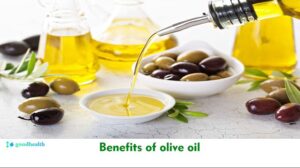
Similarly, the monounsaturated fats found in extra virgin olive oil and avocados, as well as the omega-3 polyunsaturated fats found in fatty fish, play a vital role in metabolic signaling. These fats are highly anti-inflammatory. Systemic inflammation is a known disruptor of metabolic hormones and insulin sensitivity. By supplying the body with these high-quality lipids, you reduce cellular inflammation, allowing insulin and other metabolic hormones to communicate with your cells effectively and efficiently.
Achieving Long-Term Metabolic Health Through Diet
Optimizing your metabolic rate is not about relying on a single miracle ingredient, but rather about constructing a cohesive, nutrient-dense dietary pattern. The foods that boost metabolism work through various biological mechanisms—from the high thermal digestive cost of lean proteins and complex carbohydrates to the nervous system stimulation provided by capsaicin and caffeine. Furthermore, providing the endocrine system with the precise micronutrients it requires via seaweed, nuts, and seeds ensures that the fundamental hormonal drivers of metabolism remain properly calibrated.
A successful approach to elevating energy expenditure requires consistency in dietary choices. By prioritizing whole, unprocessed foods over highly refined products, you naturally create an internal environment that favors energy utilization over fat storage. Integrating a diverse array of these functional, metabolism-supporting foods into your daily meals will structurally improve how your body processes energy, leading to sustained vitality, efficient digestion, and robust long-term physiological health.
Do any foods actually speed up your metabolism?
Yes, protein-rich foods and certain spices can create a slight, temporary increase in your metabolic rate due to the energy required to digest them.
What are the best foods to eat to naturally burn fat?
Lean proteins like chicken, fish, and eggs are fantastic because your body actually burns more calories just breaking them down compared to fats or carbs.
Does drinking green tea really help boost metabolism?
Green tea contains caffeine and catechins, which research shows can slightly enhance fat burning and elevate your resting metabolic rate when consumed regularly.
Does eating spicy food make your metabolism faster?
Chili peppers contain capsaicin, a natural compound that can temporarily increase the amount of heat your body produces to help you burn a few extra calories.
Will eating smaller, more frequent meals speed up my metabolism?
Eating more frequently doesn’t significantly boost metabolism on its own, so it’s much more effective to focus on eating high-quality, protein-rich foods instead.
Please note
The content provided in this article is for educational and informational purposes only and should not be construed as medical, nutritional, or therapeutic advice. The recommendations provided may not be appropriate for everyone. The final decision regarding your health and lifestyle is yours, and we recommend that you consult with your doctor or other health professional before making any changes or taking any action.