
high protein seafood recipes

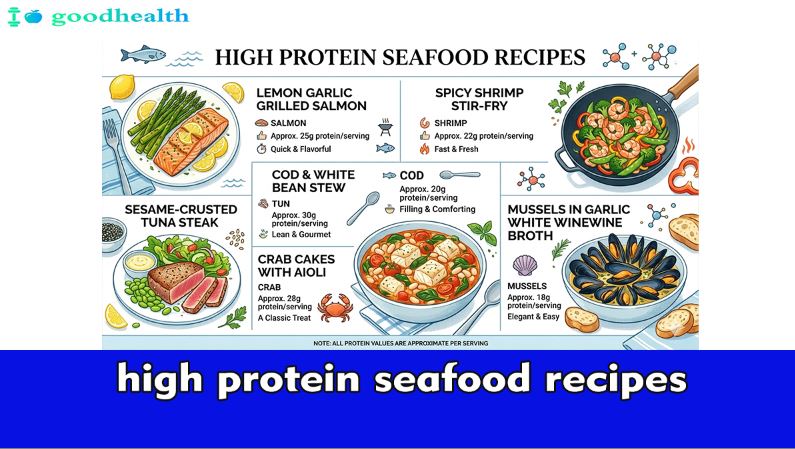
Finding clean, bioavailable protein sources that simultaneously support metabolic health, muscle recovery, and cardiovascular wellness can often feel like a balancing act in modern nutrition. While poultry and beef are traditional staples in fitness-focused meal planning, relying solely on land animals can lead to dietary monotony and an intake of saturated fats that may not align with long-term wellness goals. Transitioning a portion of your weekly macro allocation to marine environments unlocks a diverse matrix of dense proteins, essential micronutrients, and structural fats that are difficult to replicate elsewhere. Incorporating various high protein seafood recipes into your culinary rotation provides an efficient pathway to hit demanding daily macronutrient targets while introducing rich, complex flavors to your plate.
The modern athletic diet demands optimization, and marine proteins offer a distinct structural advantage over terrestrial alternatives. From the pure, isolated amino acid profiles of white fish to the dual-benefit lipid structures found in cold-water fatty fish, the ocean provides a versatile spectrum of options for clean eating. Beyond the foundational muscle-building blocks, these options carry a high thermal effect of food, meaning your body expends significant energy simply breaking down and assimilating the dense protein structures. Embracing a pescatarian approach to high-protein meal prep not only accelerates body composition goals but also supports cognitive longevity and cellular repair through a natural wealth of trace minerals.
The Nutritional Superiority of Marine Proteins
When evaluating lean protein sources, the concept of bioavailability is paramount. Bioavailability refers to how efficiently the human body can break down, absorb, and utilize the amino acids present in a food source. Seafood ranks exceptionally high on this scale, containing all nine essential amino acids in optimal ratios for human tissue repair. Unlike some plant-based proteins that lack specific amino acids like methionine or lysine, marine proteins are structurally complete, ensuring that every gram consumed directly contributes to the maintenance and synthesis of skeletal muscle tissue. This makes high-protein fish dishes an incredibly efficient tool for anyone looking to optimize their physical recovery timelines.
Furthermore, the integration of high protein seafood recipes into a regular dietary framework brings an unparalleled abundance of omega-3 fatty acids, specifically eicosapentaenoic acid (EPA) and docosahexaenoic acid (DHA). These polyunsaturated fats are critical for mitigating systemic inflammation, which is frequently elevated by intense resistance training or chronic lifestyle stress. While a standard chicken breast offers clean macros, it completely lacks these protective lipids. By replacing several land-based meals per week with fatty fish like salmon, mackerel, or sardines, you establish a robust defense mechanism for your cardiovascular system while simultaneously encouraging cellular membrane fluidity and enhanced insulin sensitivity.
The micronutrient matrix found within marine environments further separates seafood from standard terrestrial meats. Bivalves, crustaceans, and finfish are naturally rich in selenium, iodine, zinc, and vitamin B12—nutrients that govern thyroid function, immune response, and neurological health. A well-functioning thyroid directly dictates your basal metabolic rate, influencing how efficiently your body utilizes calories and burns stored fat. Consequently, consuming macro-friendly seafood meals ensures that your metabolism is supported from a foundational chemical level, rather than just satisfying a superficial caloric requirement.
Top High-Protein Seafood Options and Their Macro Profiles
Navigating the seafood counter requires a strategic understanding of how different species fit into your specific macronutrient requirements. For individuals prioritizing a strict caloric deficit or a pure muscle-building phase without added fat, wild-caught yellowfin tuna and Pacific cod serve as elite, isolated protein sources. A standard 100-gram serving of yellowfin tuna delivers roughly 28 grams of pure protein alongside less than one gram of fat, making its protein-to-calorie ratio nearly unmatched in the animal kingdom. Similarly, white fish varieties like halibut, pollock, and haddock offer a clean canvas for culinary creativity, delivering dense protein structures with a remarkably low caloric footprint.
Crustaceans provide another exceptional avenue for clean eating, with shrimp and lobster offering incredibly lean profiles that appeal to volume eaters. Shrimp protein content is highly favorable for macro tracking, yielding approximately 24 grams of protein per 100-gram serving with virtually zero carbohydrates and minimal lipids. This distinct composition allows for massive portion sizes that promote satiety through sheer volume without risking a caloric surplus. Additionally, crustaceans are rich in astaxanthin, a potent antioxidant responsible for their red pigmentation, which has been shown to support skin health and combat oxidative stress at the mitochondrial level.
For those tracking a more balanced macronutrient split or following a low-carb, high-fat protocol, cold-water fatty fish represent the gold standard of healthy marine proteins. Atlantic salmon, wild mackerel, and fresh sardines present a higher caloric density, but these calories are derived from essential structural fats rather than simple carbohydrates. A typical fillet of wild salmon provides a robust 25 grams of protein accompanied by roughly 12 grams of health-promoting fats. This specific macro distribution delays gastric emptying, providing sustained energy levels over several hours and eliminating the frequent blood sugar fluctuations associated with carbohydrate-heavy meals.
Culinary Frameworks for High-Protein Salmon Dishes
Developing a repertoire of salmon recipes requires an understanding of how to balance its rich, natural fats with bright, acidic flavor profiles. One highly effective method involves creating a baked salmon fillet utilizing a sophisticated citrus and herb crust. By combining fresh dill, minced garlic, lemon zest, and a coarse grain mustard, you can coat the surface of a wild-caught sockeye fillet before roasting it at 400 degrees Fahrenheit. This technique seals in the natural moisture of the fish, preventing the delicate oils from oxidizing while generating a savory, texturally pleasing exterior that requires no heavy oils or added caloric fillers. Pair this dish with a complex carbohydrate like wild rice or black quinoa to create a well-rounded, recovery-focused dinner.
Another exceptional preparation style involves transforming salmon into macro-friendly seafood burgers, which can easily replace traditional beef patties during weekend meal preparation. To achieve the perfect texture without relying on processed binders or excess breadcrumbs, finely dice fresh salmon skinless fillets and combine them with whipped egg whites, finely chopped green onions, and smoked paprika. Searing these patties in a lightly greased cast-iron skillet creates a deeply caramelized exterior while maintaining a succulent, protein-dense interior. Serving these burgers wrapped in crisp romaine lettuce leaves alongside an avocado-lime crema offers a superb, low-carb alternative that delivers over thirty grams of bioavailable protein per serving.
For a more contemporary approach, cold-smoked or cured salmon can be integrated into high-protein breakfast bowls that set a constructive nutritional tone for the remainder of the day. Layering thin ribbons of premium smoked salmon over a base of fiber-dense massaged kale, soft-boiled eggs, and a dollop of strained plain Greek yogurt creates an exceptional breakfast matrix. The combination of the egg whites, the yogurt base, and the salmon yields a multi-staged protein delivery system that fuels amino acid synthesis all morning. This assembly requires zero active cooking time, making it an incredibly practical option for professionals seeking to maintain nutritional discipline during demanding morning routines.
Quick and Lean Shrimp Recipes for Busy Weeknights
The unparalleled speed with which shrimp cooks makes it a foundational component of any time-conscious healthy eating strategy. A highly effective weeknight solution is a fiery garlic and cilantro shrimp stir-fry that transitions from refrigerator to dinner table in under fifteen minutes. By heating a minimal amount of unrefined sesame oil in a wok, you can flash-fry jumbo peeled shrimp alongside julienned bell peppers, snap peas, and grated ginger. The natural sugars within the shrimp caramelize rapidly under high heat, locking in a sweet flavor that pairs beautifully with a splash of low-sodium tamari and fresh lime juice. Serving this vibrant mixture over a bed of edamame pasta or riced cauliflower yields a massive, nutrient-dense volume meal that easily exceeds forty grams of clean protein.
Maximizing Shrimp Textures and Flavors
Achieving a restaurant-quality texture with shrimp depends completely on temperature control and timing. Because shrimp contains very little connective tissue, overcooking it by even sixty seconds can transform a tender, succulent crustacean into a rubbery, unappetizing consistency. The ideal visual cue is the transition from a translucent grey to an opaque, pinkish-white color, with the body curling into a gentle “C” shape rather than a tight, constrained circle. Utilizing a blazing hot surface for a very brief duration ensures that the exterior develops a savory char while the interior remains incredibly juicy and tender.
To elevate the flavor profile of lean shrimp without introducing unnecessary fats, look toward regional dry rubs and spice blends. A Southwestern blackening seasoning composed of ancho chili powder, cumin, oregano, and onion powder can be tossed with raw shrimp prior to cooking. When dropped into a dry, pre-heated cast-iron pan, these spices toast instantly, forming a deeply flavorful bark that encapsulates the shrimp. This method provides an intense depth of flavor that completely eliminates the need for heavy butter sauces, allowing the clean, natural macro profile of the shrimp to remain the focal point of the dish.
White Fish and Cod Solutions for Low-Calorie Volume Eating
For individuals navigating a stringent fat-loss phase or preparing for an athletic event where every calorie counts, white fish varieties like Pacific cod, haddock, and halibut are invaluable tools. These species allow for true volume eating, which is the practice of consuming large quantities of low-calorie, high-satiety foods to stave off psychological and physical hunger. A classic preparation that honors these clean macros is a Mediterranean-style poached cod. By simmering thick cod loins in a shallow bath of mineral-rich vegetable broth, sliced cherry tomatoes, capers, and kalamata olives, the fish absorbs the aromatic essence of the liquid while retaining its flaky, delicate structure. This method introduces an abundance of flavor through natural botanicals rather than added lipids, resulting in a remarkably clean meal.
An alternative approach to preparing white fish involves utilizing the air fryer to recreate a healthy, high-protein alternative to traditional fried fish fish sticks. You can dredge strips of fresh halibut or pollock in a shallow wash of egg whites before coating them in a mixture of ground flaxseeds and nutritional yeast. The nutritional yeast provides a cheesy, savory umami profile while adding an extra boost of plant-based protein and B-vitamins, while the flaxseeds supply a modest dose of healthy fats. Air frying these strips at 380 degrees Fahrenheit yields an incredibly crispy, satisfying exterior that mimics the texture of cheat meals while adhering perfectly to strict body composition guidelines.
Utilizing Canned Seafood for Budget-Friendly Protein
Achieving a high-protein intake should not be reserved exclusively for those with an unlimited grocery budget. Canned and tinned seafood options represent one of the most cost-effective, shelf-stable, and nutritionally dense strategies available in modern supermarkets. Wild albacore tuna, canned pink salmon, and tinned sardines are processed immediately at sea, preserving their peak nutritional value and locking in vital omega-3 fatty acids. An elevated approach to utilizing canned tuna involves steering away from standard mayonnaise-laden recipes and instead constructing a Mediterranean tuna salad. By flaking solid white tuna into a bowl and combining it with diced cucumbers, red onions, fiber-rich chickpeas, and a dressing made from lemon juice and extra virgin olive oil, you create a complex, macro-friendly lunch option that keeps for days.
Tinned sardines are another often overlooked powerhouse that deserve a prominent place in any muscle-building seafood diet. Sardines sit incredibly low on the oceanic food chain, meaning they accumulate virtually zero heavy metals or microplastics compared to larger apex predators like swordfish or shark. Consuming sardines whole—including the soft, pressure-cooked bones—provides an excellent, bioavailable source of calcium that supports skeletal strength and muscular contractions. You can mash wild sardines with avocado, sea salt, and red pepper flakes, spreading the mixture over whole-grain sourdough toast for a quick, nutrient-dense post-workout snack that delivers a robust combination of complex carbohydrates, clean fats, and dense protein.
Optimizing Cooking Methods to Preserve Nutrients and Protein
The technique selected to prepare your seafood directly influences the final nutritional value and caloric density of the meal. Advanced culinary methods like baking en papillote—which translates to cooking inside a parchment paper pouch—represent the pinnacle of health-conscious cooking. By placing a delicate fillet of sea bass or trout inside a folded sheet of parchment paper along with sliced fennel, leeks, and a splash of dry white wine, the fish cooks entirely in its own clean steam. This completely eliminates the requirement for any cooking oils or fats, ensuring that the final macronutrient calculation matches the raw ingredient precisely while retaining 100 percent of the water-soluble vitamins that are frequently lost in open-air boiling or frying.
Conversely, outdoor grilling provides an exceptional way to impart a smoky, complex flavor to sturdier seafood options like swordfish steaks, tuna loins, or whole octopus tentacles. The intense direct heat of a charcoal or gas grill rapidly sears the exterior of the fish, causing an amino-acid browning reaction known as the Maillard effect. This process develops deep, savory flavor compounds that make clean eating genuinely enjoyable. To prevent the lean fish from sticking to the grill grates without using excessive oil, ensure the cooking surface is meticulously cleaned and pre-heated to a high temperature, and lightly brush the fish itself rather than flooding the grates with oil.
Strategic Meal Prep Methods for Seafood Connoisseurs
One of the primary objections to incorporating seafood into a weekly meal prep routine is the apprehension surrounding shelf-life and reheating protocols. However, with systematic planning, seafood can be meal prepped just as safely and effectively as chicken or beef. The key lies in selecting the appropriate species for storage; firmer fishes like salmon, swordfish, and shrimp hold their structural integrity far better over a three-to-four-day period than delicate white fishes like sole or tilapia. When packing your meals, ensure they are stored in airtight glass containers rather than plastic, as glass preserves freshness and prevents any lingering aromas from permeating your storage space.
Reheating prepped seafood requires a gentle touch to avoid drying out the protein fibers and creating an unappeetizing texture. Instead of blasting a salmon fillet in a high-powered microwave, which aggressively heats the water molecules and damages the delicate fish oils, utilize a lower power setting—roughly 50 percent—and add a splash of water or broth to the container before covering it. Alternatively, many high protein seafood recipes can be enjoyed completely cold or at room temperature. Flaked cold salmon makes an incredible addition to an arugula and quinoa salad, while chilled shrimp can be tossed into a spicy noodle bowl, offering a refreshing and convenient lunchtime solution that requires zero cooking equipment.
Transitioning toward a diet rich in oceanic proteins represents a definitive upgrade for both physical performance and long-term vitality. By diversifying your intake across various fatty and lean marine species, you supply your body with an optimized ratio of essential amino acids and anti-inflammatory lipids that accelerate fat loss and muscle retention. The sheer versatility of high protein seafood recipes ensures that nutritional discipline never feels restrictive or monotonous. Prioritizing these clean, nutrient-dense resources equips you with the dietary foundation required to achieve sustainable health milestones while elevating your daily culinary experience.
Which seafood has the highest amount of protein?
Yellowfin tuna, halibut, and salmon pack the most protein per serving, offering around 25 to 30 grams per four-ounce fillet.
Are high-protein seafood meals good for weight loss?
Yes, seafood is naturally lean and incredibly filling, making it a perfect low-calorie choice for preserving muscle while losing weight.
How can I meal prep seafood safely for the week?
Cooked fish and shellfish will stay fresh in an airtight container in the fridge for up to three days, making them great for short-term meal prep.
What are the fastest ways to cook high-protein fish?
Pan-searing shrimp or baking thin white fish fillets like tilapia will give you a healthy, protein-packed meal in under fifteen minutes.
Is it safe to eat high-protein seafood every day?
You can safely enjoy seafood daily if you stick to low-mercury options like shrimp, salmon, and cod while limiting larger fish like tuna.
Please note
The content provided in this article is for educational and informational purposes only and should not be construed as medical, nutritional, or therapeutic advice. The recommendations provided may not be appropriate for everyone. The final decision regarding your health and lifestyle is yours, and we recommend that you consult with your doctor or other health professional before making any changes or taking any action.

















One thought on “high protein seafood recipes”