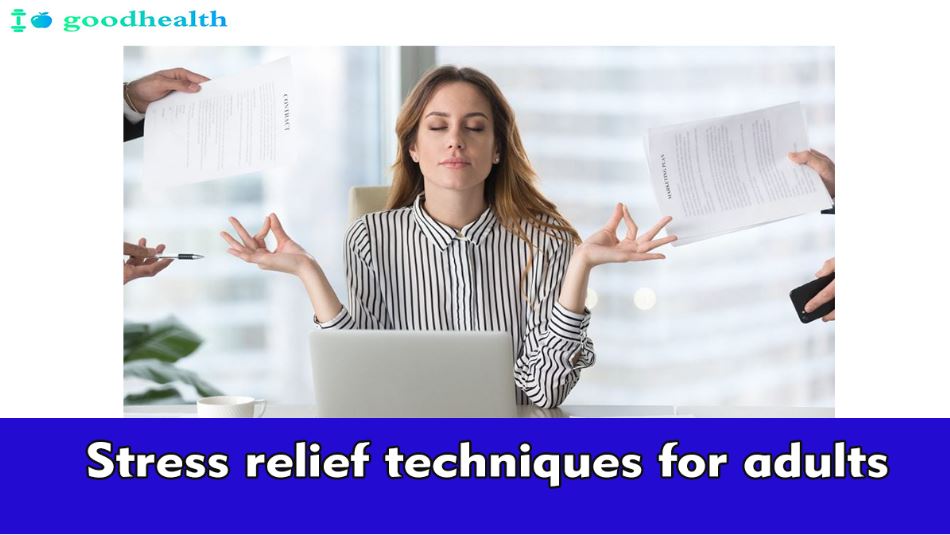
Stress relief techniques for adults

Modern adult life carries a unique and heavy set of pressures, ranging from demanding career trajectories and complex financial responsibilities to navigating intricate family dynamics and caregiving duties. When these daily pressures accumulate without an outlet, they frequently manifest as overwhelming anxiety, emotional exhaustion, and severe physical tension. Recognizing these signals early is vital, making it crucial to identify and implement effective stress relief techniques for adults before acute tension evolves into a chronic health condition. Ignoring these psychological and physiological warning signs can lead to severe mental burnout and systemic physical illness. By taking a proactive, deliberate approach to stress management, individuals can regain control over their internal emotional landscape, allowing them to navigate daily challenges with greater resilience, improved mental clarity, and a fortified sense of well-being.
Understanding the Impact of Chronic Stress on the Adult Body
When the brain perceives a threat or a high-pressure situation, whether it is a looming corporate deadline, a sudden financial burden, or an interpersonal conflict, the autonomic nervous system immediately triggers a biological fight-or-flight response. This deeply ingrained evolutionary reaction floods the bloodstream with cortisol and adrenaline, rapidly elevating the heart rate, quickening the breath, and preparing the muscles for immediate physical action. While this physiological mechanism is highly effective for short-term survival in dangerous situations, modern adult stressors often cause this heightened state of arousal to become constant. Prolonged, uninterrupted exposure to elevated cortisol levels can disrupt almost all of the body’s natural processes, significantly increasing the risk of cardiovascular disease, gastrointestinal issues, severe immune suppression, and systemic inflammation.
Recognizing the physical symptoms of this chronic physiological state is the vital first step toward effective management and recovery. Adults dealing with unmanaged, persistent tension frequently experience chronic tension headaches, severe muscle stiffness in the neck and shoulders, unexplained lethargy, and significant disruptions in appetite or normal sleep patterns. These physical manifestations are not merely inconveniences; they serve as critical biological warning signs that the body is operating dangerously beyond its healthy capacity. Addressing these somatic symptoms promptly through targeted relaxation methods is essential to prevent long-term health complications and to restore the body’s natural baseline of physiological homeostasis.
Furthermore, the cognitive and psychological impact of sustained daily pressure cannot be overstated. Chronic stress significantly impairs the brain’s executive functioning capabilities, leading to measurable difficulties with sustained concentration, short-term memory retention, and rational decision-making. Adults may find themselves struggling to focus on routine professional tasks, experiencing sudden bouts of brain fog, or demonstrating heightened irritability and diminished patience in their most valued personal relationships. By understanding exactly how deeply these pressures affect both physical health and cognitive function, individuals can better appreciate the absolute necessity of adopting daily, non-negotiable practices designed to soothe and regulate the nervous system.
Mindfulness and Grounding Practices for Immediate Relief
Mindfulness involves intentionally anchoring one’s attention to the present moment without passing judgment on the thoughts that arise, making it one of the most accessible and effective stress relief techniques for adults. When the mind inevitably begins to spiral into anxieties regarding future outcomes or heavy regrets about past events, grounding practices help to abruptly and safely interrupt these negative, cyclical thought loops. Techniques such as deep diaphragmatic breathing, or “belly breathing,” directly stimulate the vagus nerve, which signals to the brain that the immediate environment is safe. This physical action engages the parasympathetic nervous system, thereby actively halting the production of stress hormones and naturally slowing a racing heart rate. Practicing just five to ten minutes of mindful, intentional breathing during a chaotic workday can completely reset the nervous system and restore a vital sense of calm.
One highly effective and pragmatic grounding method is the five senses technique, which forces the anxious brain to process immediate environmental stimuli rather than dwelling on internal, catastrophic worries. By actively looking around to identify five things you can clearly see, reaching out to feel four things you can touch, listening closely for three things you can hear, noticing two things you can smell, and focusing on one thing you can taste, you pull your consciousness firmly back to physical reality. This specific practice is particularly beneficial for adults experiencing sudden, overwhelming waves of anxiety during high-stakes work meetings or tense family negotiations, as it requires absolutely no special equipment, takes only minutes, and can be performed discreetly in any environment.
Progressive Muscle Relaxation
Progressive Muscle Relaxation is an additional grounding technique that physically forces the body to release trapped kinetic tension. This method involves slowly and intentionally tensing specific muscle groups, holding that tension for several seconds, and then completely releasing it, typically starting from the toes and working upward to the facial muscles. Because anxiety often causes adults to subconsciously clench their jaws, raise their shoulders, and tighten their chest muscles, Progressive Muscle Relaxation brings immediate conscious awareness to where physical stress is being stored. By actively forcing the muscles to contract and then relax, the body physically unlearns the tension it has accumulated throughout the day, leaving the individual feeling physically lighter and mentally grounded.
Physical Activity as a Natural Stress Reliever
Engaging in regular physical activity remains one of the most thoroughly researched and scientifically proven methods for mitigating psychological strain. When adults engage in cardiovascular or resistance exercise, the body naturally synthesizes and releases endorphins, which are powerful neurotransmitters that act as the brain’s natural painkillers and mood elevators. This internal chemical shift provides a reliable, immediate sense of well-being and euphoria, commonly referred to as a runner’s high, which actively combats feelings of depression and anxiety. Beyond this immediate chemical reward, physical exertion helps physically metabolize and flush out the excess adrenaline and cortisol that build up in the bloodstream during stressful periods, effectively clearing out the biological residue of a highly anxious day.
The specific type of exercise chosen can and should be tailored to an individual’s unique stress profile and physical capabilities. High-intensity interval training, kickboxing, or vigorous running are excellent outlets for adults who hold their tension aggressively and require a highly explosive physical release to feel balanced. Alternatively, practices like restorative yoga, Pilates, and tai chi combine fluid, deliberate movement with intensely focused breathing, making them perfect for individuals seeking both physical flexibility and deep mental tranquility. Yoga, in particular, encourages a profound mind-body connection, helping practitioners intentionally release deep-seated tension stored involuntarily in the hips, lower back, and neck, which are common physical reservoirs for adult stress.
When utilizing exercise as a primary tool for emotional regulation, absolute consistency matters far more than extreme physical intensity. Incorporating just thirty minutes of brisk, continuous walking into a daily schedule can significantly improve cardiovascular health while simultaneously providing a vital, quiet mental break from the relentless demands of the office and home life. Taking this walk outdoors in a natural setting adds the secondary, highly beneficial element of nature exposure, which multiple psychological studies have shown naturally lowers blood pressure, reduces muscular tension, and alleviates feelings of mental fatigue. Building a realistic, sustainable exercise routine creates a highly reliable, permanent buffer against the unavoidable, daily pressures of modern adult life.
The Role of Diet and Nutrition in Emotional Well-being
The intricate biological connection between the gut and the brain is a powerful, frequently overlooked factor in determining an individual’s baseline daily stress levels and overall emotional resilience. The specific foods adults consume directly impact the gut microbiome and the subsequent production of vital neurotransmitters like serotonin and dopamine, which are heavily responsible for regulating mood, motivation, and anxiety. A daily diet heavily reliant on ultra-processed foods, refined sugars, and excessive artificial additives can cause severe, rapid fluctuations in blood glucose levels. These sharp physiological spikes and subsequent crashes often closely mimic the physical symptoms of a panic attack, leading to significantly increased irritability, sudden fatigue, and a heavily exacerbated sense of daily overwhelm.
Conversely, intentionally incorporating nutrient-dense, whole foods into daily meals stabilizes metabolic energy levels and highly supports optimal cognitive function. Complex carbohydrates, such as steel-cut oats, quinoa, and legumes, prompt the brain to steadily produce more serotonin, promoting a consistent, long-lasting calming effect throughout the day. Omega-3 fatty acids, found abundantly in wild-caught salmon, walnuts, and chia seeds, have been clinically proven to reduce systemic inflammation in the body and actively lower circulating cortisol levels. Additionally, ensuring an adequate intake of magnesium—often referred to as the body’s anti-stress mineral—through dark leafy greens and nuts can help regulate the nervous system and prevent muscle cramping. By treating food strategically as necessary fuel for both physical endurance and emotional stability, adults build a highly resilient internal foundation for handling external pressures.
It is equally important to critically monitor and moderate the intake of substances that artificially stimulate or alter the central nervous system. While many busy adults instinctively turn to heavy caffeine consumption for artificial energy or rely on alcohol for evening relaxation, these substances can severely disrupt the body’s natural stress management processes. High caffeine intake overstimulates the adrenal glands, potentially triggering an artificial physiological fight-or-flight response that greatly amplifies existing baseline anxiety and causes heart palpitations. Similarly, while alcohol may briefly act as a central nervous system depressant to numb stressful feelings in the short term, it severely fragments sleep architecture and heavily disrupts REM cycles, leading to dramatically heightened rebound anxiety and reduced emotional capacity the following day.
Establishing Boundaries to Manage Work-Related Stress
The modern, highly digitized workplace, characterized by an expectation of constant connectivity and increasingly demanding productivity metrics, is a primary source of chronic anxiety for a large majority of adults. Establishing crystal-clear professional boundaries is absolutely essential to prevent severe occupational burnout and to maintain a healthy, sustainable integration of work and personal life. This vital process begins with clearly defining specific working hours and strictly adhering to them, consciously resisting the pervasive urge to check work emails, review documents, or respond to non-urgent professional messages during designated personal time. When the physical and temporal lines between professional obligations and personal recovery time blur entirely, the brain never receives the necessary physiological signal to power down, relax, and repair itself.
Learning to confidently and politely say no is another highly critical component of workplace stress management and energy preservation. Many professionals fall into the damaging trap of chronic overcommitment in a well-intentioned attempt to prove their corporate value or to avoid workplace conflict, which inevitably leads to an entirely unmanageable workload and subsequent exhaustion. Communicating your operational capacity limits respectfully but firmly protects your valuable time and ensures that the projects you do accept receive your full, undivided creative attention. Furthermore, practicing effective task delegation and setting highly realistic, padded deadlines are highly practical strategies that help immediately mitigate the constant, suffocating pressure of perpetually falling behind on professional responsibilities.
A deliberate daily digital detox plays an incredibly vital role in enforcing these professional boundaries and protecting mental peace. The constant, unpredictable influx of notifications, alerts, and messages from smartphones and laptops keeps the human nervous system locked in a state of hyper-arousal, constantly anticipating the next urgent demand, crisis, or task. Designating specific, non-negotiable tech-free zones or times within the home, such as keeping devices out of the bedroom or banning phones from the family dinner table, provides the overwhelmed mind with guaranteed periods of uninterrupted silence. Willingly disconnecting from these digital demands allows adults to fully and presently engage with their families, personal hobbies, and physical relaxation practices without the looming, toxic shadow of work-related stress hovering over their free time.
Prioritizing Sleep Hygiene for Nervous System Regulation
High-quality, restorative sleep is the fundamental biological bedrock upon which all other stress relief techniques for adults firmly rely. During the deepest, most restorative stages of the sleep cycle, the brain actively clears out accumulated metabolic waste, securely consolidates new memories, and physically repairs neural pathways damaged by the emotional strain of the day. When adults consistently fail to secure adequate, uninterrupted rest, their nervous system remains trapped in a heightened state of alert, which drastically lowers their psychological threshold for what triggers an acute stress response. Chronic, long-term sleep deprivation virtually guarantees that even minor, everyday inconveniences will feel like massive, insurmountable emotional obstacles.
Developing a rigorous, protective sleep hygiene routine is crucial for clearly signaling to the body that it is time to transition away from daytime wakefulness into deep, restorative rest. This involves maintaining a highly consistent sleep schedule, committing to going to bed and waking up at the exact same times every single day, including throughout the weekends. This strict consistency powerfully reinforces the body’s natural circadian rhythm, making it progressively easier to fall asleep rapidly and wake up feeling naturally refreshed. Implementing a dedicated, relaxing wind-down period in the evening, deliberately free from the disruptive blue light emitted by televisions and smartphones, helps naturally stimulate the pineal gland’s production of melatonin, the primary hormone responsible for inducing and maintaining deep sleep.
Optimizing the physical environment of the bedroom also plays a massive, measurable role in reducing nighttime anxiety and preventing middle-of-the-night waking. The bedroom must be psychologically viewed as a peaceful sanctuary dedicated exclusively to rest and intimacy, kept optimally cool, entirely dark, and as absolutely quiet as possible. Investing in highly comfortable, breathable bedding and utilizing environmental control tools like blackout curtains, sleep masks, or dedicated white noise machines can successfully block out sudden environmental disruptions that spike heart rates during the night. By prioritizing high-quality sleep as an absolutely essential biological necessity rather than a flexible luxury, adults fully equip their bodies and minds with the physical resilience needed to face daytime stressors with remarkable composure.
Engaging in Creative Outlets and Hobbies
In the relentless, daily rush to fulfill mounting professional obligations and complex familial duties, adults frequently abandon their personal hobbies and creative pursuits, incorrectly viewing them as frivolous or unproductive uses of highly limited time. However, actively engaging in creative activities is an incredibly powerful, neurologically beneficial mechanism for deep stress reduction. When individuals fully immerse themselves in a hobby they genuinely enjoy, whether it is landscape painting, organic gardening, intricate woodworking, or playing a musical instrument, they often enter a highly therapeutic psychological state known as flow. In this deeply focused state, the anxious mind becomes entirely absorbed in the exact present activity, temporarily and completely suspending all background anxieties regarding past regrets or future obligations.
Creative outlets actively serve as a highly necessary alternative channel for processing and expressing complex, heavy emotions that might be difficult to accurately articulate verbally to others. The physical act of creating something tangible from scratch provides a profound sense of personal accomplishment, mastery, and agency, which is particularly therapeutic when other major areas of life feel entirely chaotic or out of the individual’s control. Furthermore, dedicated hobbies that require fine manual dexterity or intense visual focus serve as highly active forms of moving meditation, engaging the adult brain in a repetitive, calming, and predictable rhythm that naturally lowers circulating stress hormones and physically reduces blood pressure over time.
Dedicating protected time to these leisurely activities also profoundly helps reframe an adult’s overall psychological perspective on life, strongly reinforcing the vital idea that human existence is not solely about corporate productivity, financial generation, and familial obligation. Scheduling strict, uninterrupted time for a personal passion project creates a necessary, healthy boundary between professional work and personal emotional fulfillment. This deliberate, consistent shift in daily focus rapidly replenishes depleted mental energy and actively fosters a renewed sense of joy, playfulness, and intellectual curiosity, acting as a vital, highly effective counterbalance to the heavy, serious responsibilities that characterize adult life.
Developing Long-Term Coping Mechanisms
While immediate, acute relaxation tactics are absolutely necessary for navigating sudden crises or panic, establishing reliable, long-term coping mechanisms ensures sustained, durable emotional health over the course of a lifetime. Consistent journaling is a highly effective, low-barrier psychological practice that safely allows adults to externalize and organize their chaotic internal dialogue. By physically writing down specific worries, ongoing frustrations, and identifiable emotional triggers, individuals can analyze their stress patterns logically and objectively rather than simply feeling overwhelmed by them in the dark. This active process of cognitive reframing heavily assists in identifying irrational fears and strongly promotes a much more logical, measured, and strategic approach to daily problem-solving.
Building and actively maintaining a robust, reliable network of social support is another absolutely fundamental element of long-term psychological stress management. Emotional isolation severely compounds anxiety and depression, whereas openly sharing personal struggles with highly trusted friends, supportive family members, or dedicated support groups provides necessary emotional validation and valuable fresh perspectives. Humans are inherently social creatures, and experiencing meaningful, safe connection naturally triggers the brain’s release of oxytocin, a powerful hormone that actively and directly counters the severe physiological effects of cortisol. Cultivating reciprocal relationships where one feels genuinely heard, respected, and understood creates an incredibly powerful psychological safety net for difficult times.
When daily stress becomes entirely unmanageable, chronically painful, or begins to severely impact basic daily functioning and relationships, seeking professional therapeutic guidance is a highly proactive, intelligent, and beneficial step. Evidence-based approaches like Cognitive Behavioral Therapy offer adults highly structured, proven frameworks for safely identifying destructive, cyclical thought patterns and actively replacing them with much healthier, logical responses. Dedicated mental health professionals provide highly personalized, scientifically backed strategies tailored precisely to an individual’s unique life circumstances, fully equipping them with the psychological tools and frameworks necessary to maintain long-term emotional equilibrium regardless of external circumstances.
Building a Sustainable Framework for Emotional Resilience
Effectively managing the heavy, multifaceted pressures of adult life requires significantly more than just engaging in occasional relaxation on the weekends; it demands a comprehensive, highly integrated, and daily approach to both physical and mental well-being. By thoughtfully combining immediate nervous system grounding techniques with highly durable, long-term lifestyle adjustments like consistent physical exercise, highly nutritious diets, and rigorous sleep hygiene, individuals can fundamentally alter how their bodies and minds physically respond to inevitable adversity. The ultimate goal is never to eliminate stress entirely, as challenges and pressures are an unavoidable, natural component of human life, but rather to develop the profound internal resilience required to navigate these difficult challenges without sacrificing physical health or personal happiness. Implementing these targeted stress relief techniques for adults consistently and intentionally ensures a highly balanced, laser-focused, and significantly healthier approach to modern living, deeply empowering individuals to not just survive, but to truly thrive amidst life’s daily demands.
How can I relieve stress quickly at work?
Taking a quick five-minute walk or doing simple desk stretches can instantly lower your cortisol levels and reset your focus.
What are the best natural remedies for daily anxiety and stress?
Herbal teas like chamomile, regular mindfulness meditation, and prioritizing a consistent sleep schedule are highly effective natural stress relievers.
How long does it take for deep breathing exercises to calm you down?
Practicing deep diaphragmatic breathing can begin slowing your heart rate and calming your nervous system in as little as 60 seconds.
Can regular exercise actually cure chronic stress?
While physical activity won’t remove your external stressors, it triggers an endorphin release that significantly improves your daily mood and mental resilience.
What are some simple stress management activities I can do at home?
Trying a guided meditation app, journaling your thoughts, or simply taking a warm bath are incredibly effective ways to unwind in your own space.
Please note
The content provided in this article is for educational and informational purposes only and should not be construed as medical, nutritional, or therapeutic advice. The recommendations provided may not be appropriate for everyone. The final decision regarding your health and lifestyle is yours, and we recommend that you consult with your doctor or other health professional before making any changes or taking any action.