how to find happiness


The pursuit of a fulfilling life is perhaps the most universal human experience, yet it often feels like an elusive goal that is constantly slipping just out of reach. For centuries, philosophers, scientists, and everyday people have dedicated countless hours to understanding the mechanics of a joyful existence. We are constantly sold the idea that joy is something we can purchase, achieve, or eventually arrive at once everything in our lives falls perfectly into place. This narrative suggests that if we just get the right job, find the perfect partner, or buy the ideal home, a permanent state of bliss will naturally follow. However, life rarely works this way.
Learning how to find happiness requires a fundamental shift in perspective, moving away from viewing it as a destination and recognizing it as a continuous, deliberate practice. It is an internal state of being rather than a byproduct of external circumstances. While external achievements can certainly provide temporary spikes in our mood, they rarely offer the sustained contentment that most people are actually searching for. True personal fulfillment is built on a foundation of daily habits, meaningful connections, and a deep understanding of our own core values.
Navigating the complexities of mental health and psychological well-being means acknowledging that a joyful life is not devoid of pain or difficulty. Instead, it is a life where we have developed the resilience to weather storms while maintaining a baseline of inner peace. By breaking down the psychology behind positive emotions and implementing intentional lifestyle changes, anyone can begin to cultivate a deeper, more enduring sense of life satisfaction.
Understanding the Psychology Behind Personal Fulfillment
To genuinely understand how to find happiness, it is crucial to look at how psychologists and researchers define the concept. Modern positive psychology generally divides happiness into two distinct categories: hedonic and eudaimonic. Hedonic happiness refers to the pursuit of pleasure and the avoidance of pain. It is the joy we feel when eating a delicious meal, buying a new item, or experiencing a sudden thrill. While there is absolutely nothing wrong with enjoying these moments, hedonic joy is inherently fleeting. It is subject to what psychologists call the hedonic treadmill, a phenomenon where humans quickly return to a relatively stable level of happiness despite major positive or negative events or life changes.
Eudaimonic happiness, on the other hand, is rooted in meaning, purpose, and self-realization. It is the deep-seated fulfillment that comes from engaging in activities that align with your core values, contributing to something larger than yourself, and fostering personal growth. Relying solely on hedonic pleasures often leaves individuals feeling empty once the initial excitement wears off. Cultivating a life rich in eudaimonic well-being provides a much more stable and profound sense of contentment, acting as an anchor during challenging times.
Another major psychological hurdle in the quest for joy is the “arrival fallacy.” This is the mistaken belief that once a specific goal is achieved, lasting happiness will endure. We often tell ourselves that we will finally be happy once we lose ten pounds, secure a promotion, or pay off our debts. When we inevitably reach these milestones and find that our baseline level of contentment has not permanently shifted, it can lead to severe disillusionment. Recognizing and dismantling the arrival fallacy allows us to appreciate the present journey rather than endlessly delaying our satisfaction for a future that may never look exactly as we envisioned.
Redefining What It Means to Be Truly Content
Society places immense pressure on individuals to conform to a highly specific narrative of success. From a young age, many are conditioned to believe that a high-paying career, visible social status, and material wealth are the absolute prerequisites for a good life. However, adhering to these societal expectations without questioning whether they align with your actual desires is a common recipe for chronic dissatisfaction. Redefining contentment requires the courage to drown out external noise and engage in honest self-reflection about what genuinely brings you peace and satisfaction.
Authenticity plays a massive role in overall psychological well-being. When the life you are living externally matches the values and beliefs you hold internally, a natural sense of harmony is created. Conversely, living out of alignment with your true self—perhaps by staying in a lucrative but morally compromising job, or maintaining relationships that drain your energy to keep up appearances—creates cognitive dissonance. This constant internal friction is a major barrier to finding joy. Reclaiming your narrative means accepting that your version of a beautiful life might look entirely different from your neighbor’s, and granting yourself the permission to pursue it without guilt.
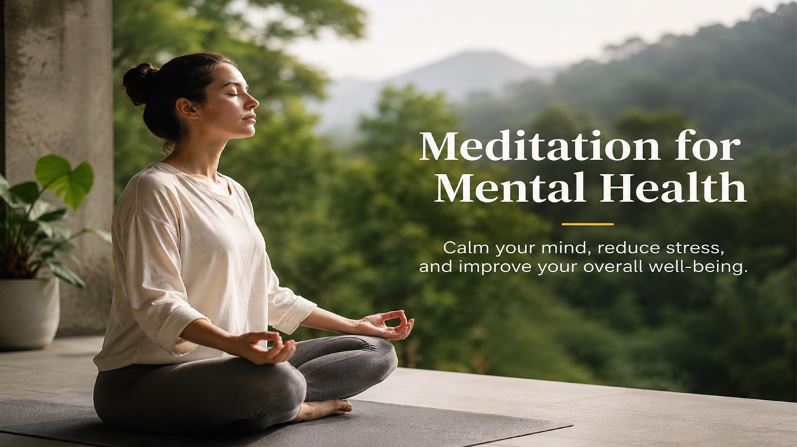
Embracing the present moment is another crucial element in redefining contentment. Human minds are remarkably skilled at time-traveling, constantly ruminating on past mistakes or aggressively planning for future catastrophes. While reflection and preparation have their place, living entirely outside of the present moment strips you of the ability to experience the joy that is currently available. Mindfulness practices teach us to anchor our awareness in the here and now, allowing us to fully experience the simple, mundane moments that actually make up the vast majority of our lives.
The Danger of the Comparison Trap
The modern digital landscape has drastically amplified the human tendency to measure our own worth against the perceived success of others. Social media platforms are highlight reels, showcasing carefully curated moments of extreme joy, financial success, and physical perfection. Constantly exposing yourself to these unrealistic standards creates a toxic environment of upward social comparison, leading to feelings of inadequacy and diminished self-worth. It is nearly impossible to figure out how to find happiness when you are constantly comparing your behind-the-scenes struggles to someone else’s polished opening night.
Practicing digital mindfulness is essential for protecting your mental space. This involves curating your digital environment by unfollowing accounts that trigger feelings of lack and deliberately seeking out content that inspires, educates, or brings genuine laughter. Setting firm boundaries around screen time and prioritizing real-world, analog experiences helps break the cycle of constant comparison and grounds you back in the reality of your own unique, valid life path.
Daily Habits That Build a Foundation for Inner Peace
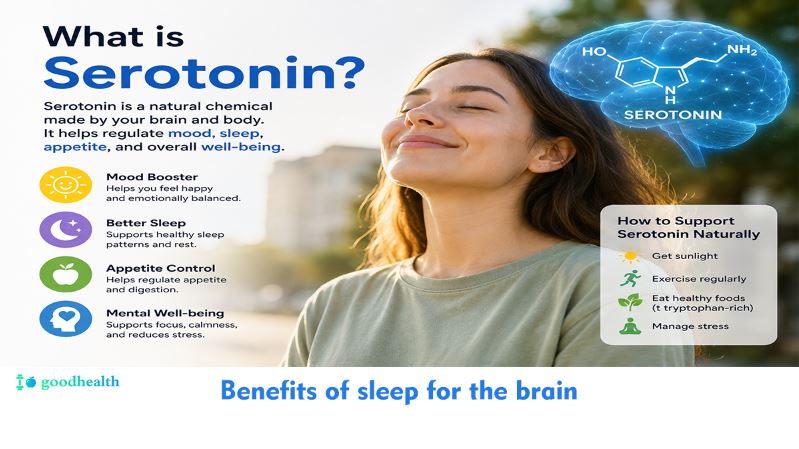
While deep philosophical shifts are important, the architecture of a happy life is ultimately built on small, repeated daily actions. The mind and body are intrinsically connected, meaning that physical habits have a profound impact on emotional and psychological states. Physical movement, for instance, is one of the most effective, scientifically backed methods for improving mood. Exercise releases endorphins, dopamine, and serotonin, which are neurochemicals directly responsible for feelings of well-being. You do not need to become an elite athlete to reap these benefits; simple, consistent movement like brisk walking, yoga, or cycling is enough to significantly alter your mental landscape.
Sleep and nutrition are equally critical, yet often overlooked, components of emotional regulation. Chronic sleep deprivation severely impairs the brain’s ability to process emotions, making you much more susceptible to stress, irritability, and depressive thoughts. Prioritizing seven to nine hours of quality sleep is not a luxury; it is a biological necessity for maintaining mental health. Similarly, a diet rich in whole foods, healthy fats, and adequate hydration provides the brain with the essential nutrients it requires to produce mood-regulating neurotransmitters. Viewing physical health as a foundational pillar of mental well-being is a necessary step for anyone looking to cultivate lasting joy.
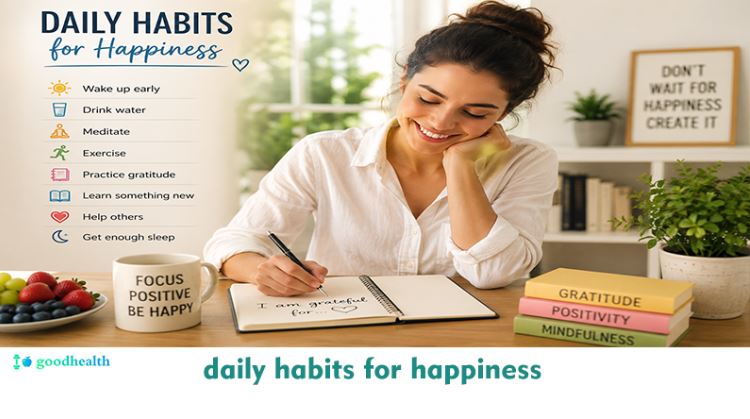
Beyond physical maintenance, integrating deliberate mental habits into your daily routine is vital. Gratitude is perhaps the most heavily researched and widely recommended practice in positive psychology. Our brains have a built-in “negativity bias,” meaning we are evolutionarily wired to notice and remember threats and negative experiences much more vividly than positive ones. Practicing gratitude is an active rebellion against this biological default. By consciously scanning your environment for positive elements and documenting them, you physically rewire your brain to become more adept at spotting joy, fundamentally altering how you perceive the world over time.
Implementing a Sustainable Gratitude Practice
To make gratitude an effective tool rather than just another chore on your to-do list, it requires specificity and consistency. Simply writing down “I am grateful for my family” every single day quickly loses its emotional resonance. Instead, focusing on highly specific, small interactions—like a warm cup of coffee on a cold morning, a brief but pleasant conversation with a coworker, or the smell of rain—trains your brain to appreciate the micro-joys of daily living.
Journaling is a highly effective way to solidify this practice. Taking five minutes at the beginning or end of the day to write down three distinct things that went well can drastically shift your overall mood trajectory. On days when finding joy feels particularly difficult, the act of searching for even the smallest sliver of light builds emotional resilience, proving to yourself that goodness still exists even in the midst of hardship.
Cultivating Meaningful Connections and Relationships
Humans are profoundly social creatures. Evolutionarily, our survival depended on our ability to cooperate and connect with others in a tribe. Today, while our physical survival may not depend entirely on our neighbors, our psychological survival certainly does. The Harvard Study of Adult Development, one of the longest-running studies on human life and well-being, concluded with absolute certainty that close relationships are the single most significant predictor of a happy and healthy life. Strong social ties protect our brains as we age, reduce physical pain, and buffer against the detrimental effects of stress.
When assessing how to find happiness through relationships, the focus must be placed on quality rather than quantity. Having a massive network of shallow acquaintances does very little to stave off feelings of loneliness. What truly matters is possessing a core group of individuals with whom you can be entirely authentic, vulnerable, and safe. These are the relationships where you do not need to perform or hide your struggles. Investing time and energy into nurturing these deep connections, even when life becomes overwhelmingly busy, is an investment in your own long-term psychological health.
Fostering deep connections requires a willingness to be vulnerable. Society often equates vulnerability with weakness, but it is actually the birthplace of true intimacy. Engaging in meaningful conversations, sharing your fears, and actively listening to the struggles of others strips away the superficial layers of interaction. By showing up consistently for the people you care about and allowing them to show up for you, you build a support system that becomes a critical source of joy and comfort throughout the inevitable ups and downs of life.
Finding Purpose and Meaning in Everyday Life
A sense of purpose is a profound driver of human well-being, yet the concept is often misunderstood. Many people believe that to have a purpose, they must discover a grand, world-changing mission or turn their absolute greatest passion into a highly successful career. This misconception creates unnecessary pressure and can lead to a sense of failure. In reality, purpose can be found in everyday actions and local contributions. It is simply the feeling that your life makes sense, that you are contributing to something beyond yourself, and that your actions matter to someone.
The Japanese concept of Ikigai, roughly translated to “a reason for being,” provides a helpful framework for locating purpose. It lies at the intersection of what you love, what you are good at, what the world needs, and what you can be compensated for. However, your purpose does not strictly have to be tied to your primary source of income. Many people find immense joy in having a “good enough” job that pays the bills while dedicating their free time to volunteering, mentoring, raising compassionate children, or creating art simply for the sake of creating.
Engaging in activities that induce a “flow state” is another excellent way to inject meaning into your life. Flow occurs when you are so deeply immersed in an activity that you lose all sense of time and self-consciousness. Whether it is writing, gardening, woodworking, playing an instrument, or coding, regularly participating in high-engagement hobbies provides a deep sense of mastery and satisfaction. Furthermore, actively helping others is one of the most reliable ways to boost your own mood. Acts of altruism, whether formalized through charity work or executed through random acts of kindness, release endorphins and reinforce a sense of interconnectedness with the wider community.
Managing Negative Emotions Instead of Avoiding Them
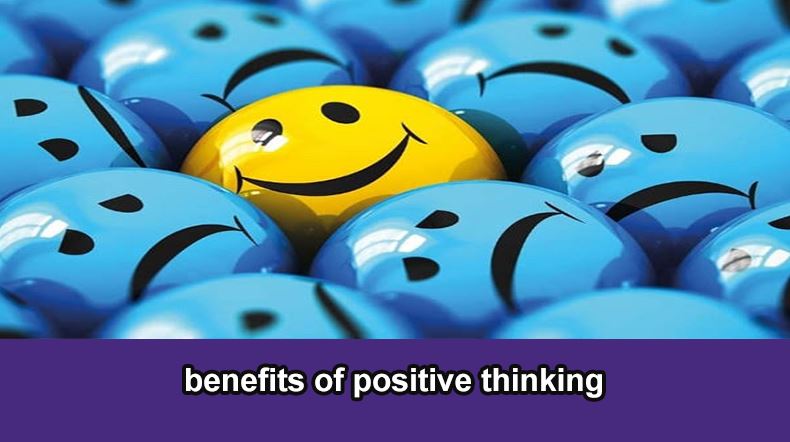
A massive misconception in the dialogue surrounding positive psychology is the idea that learning how to find happiness means eliminating sadness, anger, or frustration. This belief leads to toxic positivity, the dangerous practice of suppressing genuine distress in favor of a forced, artificial cheerfulness. Suppressing negative emotions does not make them disappear; it merely forces them underground, where they often manifest later as physical tension, anxiety disorders, or explosive outbursts. A truly fulfilled life includes a full spectrum of human emotions.
Therapeutic frameworks like Acceptance and Commitment Therapy (ACT) teach that psychological flexibility is the key to well-being. Instead of fighting against painful feelings, the goal is to observe them without judgment, accept their presence, and continue moving in the direction of your values anyway. If you experience grief, it is because you have experienced deep love. If you feel anxiety, it is often because you care deeply about an outcome. By reframing negative emotions as natural, temporary visitors rather than permanent character flaws, you strip them of their power to control your life.
Developing emotional resilience requires the implementation of mindfulness and self-compassion. When you face a setback, treating yourself with the same kindness and understanding that you would offer a dear friend prevents a difficult situation from spiraling into a crisis of self-worth. Acknowledging that suffering is a universal part of the human experience removes the isolating feeling that you are somehow broken or uniquely flawed. True inner peace is found not in the absence of storms, but in the knowledge that you have the internal tools required to navigate them safely.
Designing a Life Aligned With Your Core Values
Ultimately, achieving a lasting state of fulfillment comes down to intentional lifestyle design. This means actively curating your environment, your schedule, and your commitments to reflect the things that matter most to you. Identifying your core values is the crucial first step in this process. Do you value freedom, creativity, family, adventure, stability, or continuous learning? Once you have a clear understanding of your guiding principles, you can begin to audit your current life to see where there are misalignments.
Setting and enforcing firm boundaries is the mechanism by which you protect your alignment with those values. This might mean saying no to lucrative projects that would severely compromise your family time, stepping away from friendships that are chronically draining, or refusing to engage in workplace gossip. Boundaries are not meant to keep people out; they are designed to protect your energy so you can direct it toward the pursuits and people that genuinely enrich your life.
Making intentional choices requires a high degree of self-awareness and the courage to sometimes go against the grain. It means recognizing that you are the architect of your own existence. While we cannot always control the circumstances we are handed, we retain absolute control over how we respond to them and where we focus our attention moving forward. By consistently choosing actions that resonate with your deeply held beliefs, you construct a life that feels authentic, grounded, and inherently joyful.
The journey toward understanding how to find happiness is not a linear path with a distinct finish line, but rather a lifelong practice of self-discovery and intentional living. By moving away from the illusion that joy is an external prize to be won, you empower yourself to build it from the inside out. Shifting your focus toward eudaimonic well-being, nurturing authentic relationships, maintaining a resilient physical foundation, and aligning your daily actions with your core values creates a robust framework for personal fulfillment. As you let go of the arrival fallacy and stop comparing your unique timeline to others, you open up the space required to truly appreciate the present. Ultimately, lasting psychological well-being is found in the quiet, consistent commitment to living a meaningful, connected, and deeply authentic life.
What is the first step to finding true happiness?
The first step is acknowledging that happiness comes from within, often starting with a daily practice of gratitude for the things you already have.
Can money actually buy happiness?
While money can provide crucial security and relieve financial stress, studies show it rarely increases long-term joy once your basic living needs are met.
How can I find happiness when I feel completely lost?
Start by focusing on tiny, manageable daily routines and don’t hesitate to seek support from a licensed therapist who can professionally guide you forward.
Why does my happiness never seem to last very long?
Happiness is a temporary emotional state rather than a permanent destination, meaning it naturally fluctuates and is best sustained through meaningful, consistent habits.
Do I need to be in a romantic relationship to be truly happy?
A healthy relationship can certainly add beautiful moments to your life, but genuine, lasting happiness must be cultivated individually before you can fully share it.
Please note
The content provided in this article is for educational and informational purposes only and should not be construed as medical, nutritional, or therapeutic advice. The recommendations provided may not be appropriate for everyone. The final decision regarding your health and lifestyle is yours, and we recommend that you consult with your doctor or other health professional before making any changes or taking any action.
Shop new arrivals
-
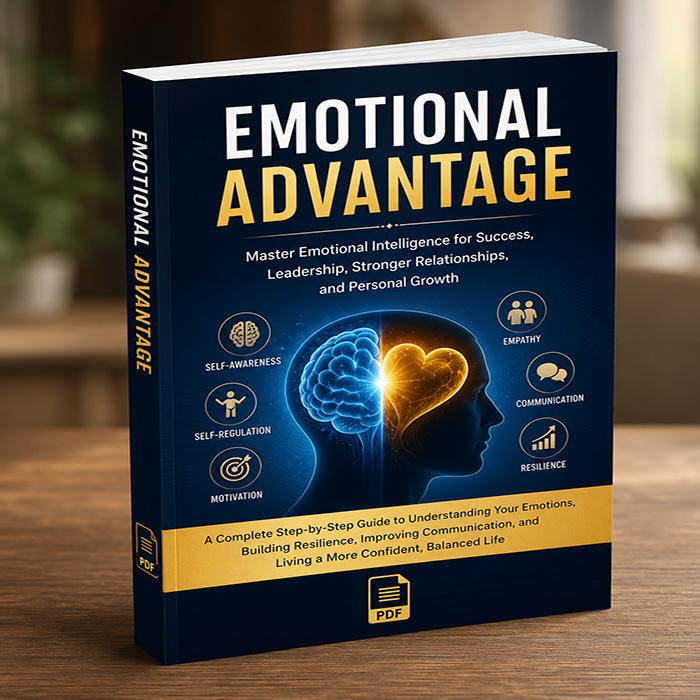
Emotional Advantage
Original price was: €12.90.€8.90Current price is: €8.90. -
Healthy Life Blueprint
Original price was: €24.90.€15.90Current price is: €15.90. -
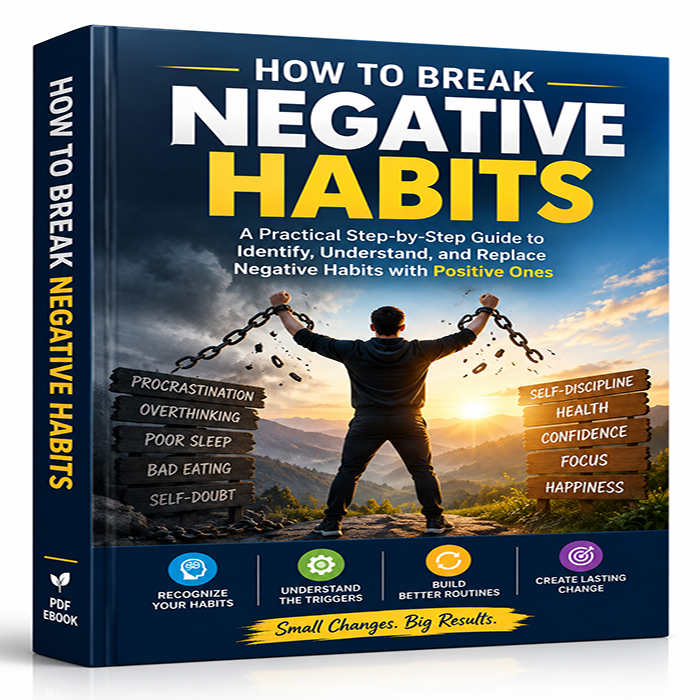
How to break negative habits
Original price was: €12.90.€6.90Current price is: €6.90. -
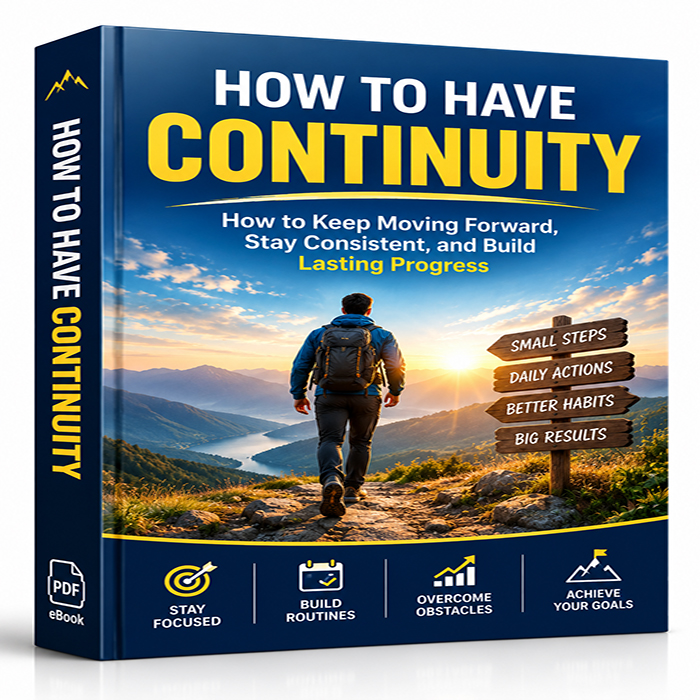
How to have continuity
Original price was: €15.90.€8.90Current price is: €8.90. -
Living with Purpose
Original price was: €14.90.€9.90Current price is: €9.90.