
seafood for heart health


seafood for heart health
Navigating the vast landscape of dietary advice can often feel overwhelming, but one consensus remains remarkably consistent among cardiologists and nutrition experts worldwide: the profound cardiovascular benefits of marine-sourced proteins. As the leading cause of mortality globally, cardiovascular disease demands proactive lifestyle interventions, and diet serves as the foundational pillar of any preventative strategy. Decades of epidemiological studies and clinical trials have continuously highlighted the direct correlation between the regular consumption of fish and a significantly reduced risk of cardiovascular events. This relationship is not merely coincidental; it is deeply rooted in the unique biochemical composition of marine life. By understanding how these specific nutrients interact with our vascular system, individuals can make highly informed, strategic choices that actively protect their cardiovascular longevity. Exploring the nuances of utilizing seafood for heart health reveals a fascinating intersection of nature, nutrition, and human biology, offering a powerful tool for maintaining a resilient and vibrant circulatory system.
The Scientific Foundation of Marine Nutrition and Cardiovascular Wellness
The primary reason marine proteins are so highly regarded in the medical community comes down to a specific classification of polyunsaturated fats known as omega-3 fatty acids. Unlike saturated fats found heavily in terrestrial meat, which can contribute to arterial plaque accumulation, the specific omega-3s found in oceans and rivers actively work to improve lipid profiles. Eicosapentaenoic acid (EPA) and docosahexaenoic acid (DHA) are the two undisputed champions of this nutritional category. These essential fatty acids are termed “essential” precisely because the human body cannot synthesize them independently; they must be acquired through dietary sources. When consumed, EPA and DHA become integrated into the cell membranes throughout the body, fundamentally altering the functional characteristics of those cells and promoting optimal cardiovascular function.
Beyond simple cellular structure, these fatty acids act as potent biochemical messengers. They are precursors to eicosanoids, signaling molecules that play a critical role in regulating inflammation within the body. Chronic, low-grade inflammation is now widely recognized as a primary driver of atherosclerosis, the process whereby arteries become narrowed and hardened due to plaque buildup. By downregulating the production of pro-inflammatory cytokines, the nutrients derived from marine sources help maintain the flexibility and smooth internal environment of the blood vessels. This anti-inflammatory cascade is one of the most vital mechanisms through which a pescatarian-leaning diet shields the cardiovascular system from premature degradation.
Furthermore, the benefits of these marine-derived fats extend far beyond what plant-based omega-3s can offer. While alpha-linolenic acid (ALA) found in flaxseeds, walnuts, and chia seeds is certainly beneficial for overall health, the human body is notoriously inefficient at converting ALA into the highly active EPA and DHA forms. The conversion rate is often estimated to be strictly in the single digits. Therefore, sourcing these essential fats directly from the animals that have already processed them—or the microalgae that originally produced them—provides a direct, highly bioavailable dose of the exact molecules the human heart requires to thrive.
Identifying the Optimal Varieties of Seafood for Heart Health
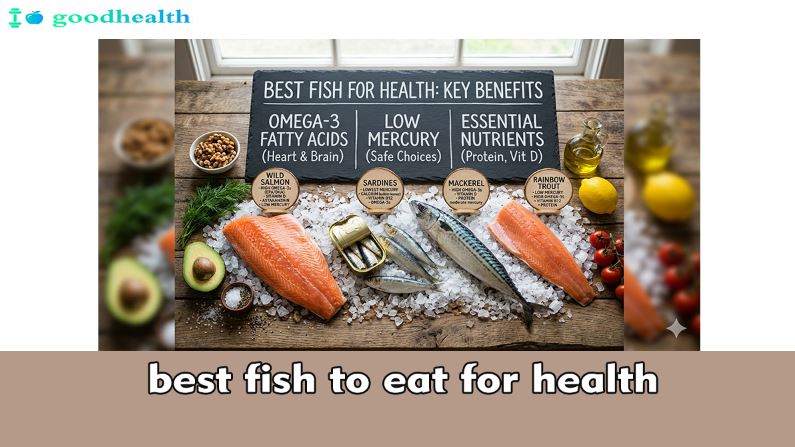
When optimizing a diet specifically for cardiovascular protection, not all aquatic species offer the exact same nutritional profile. Pelagic fish, often referred to as oily or fatty fish, represent the absolute gold standard for sourcing high concentrations of EPA and DHA. Salmon is perhaps the most universally recognized option in this category, offering not only a massive dose of omega-3s but also a substantial amount of astaxanthin, a powerful antioxidant that gives the fish its characteristic pink hue and provides additional cellular protection. Wild-caught Alaskan salmon is frequently cited as the optimal choice due to its natural foraging diet, though sustainably farmed varieties still provide excellent cardiovascular benefits and remain a highly accessible option for most consumers.
Mackerel, sardines, and anchovies are equally formidable, if occasionally overlooked, champions of cardiovascular nutrition. These smaller, schooling fish are exceptionally dense in heart-protective fats and are often more sustainable and budget-friendly than their larger counterparts. Sardines, in particular, when consumed with their soft, edible bones, provide an excellent source of calcium and vitamin D alongside their fatty acid profile, supporting both vascular and skeletal health. Including a diverse rotation of these oily varieties ensures a comprehensive intake of trace minerals, high-quality proteins, and the essential lipids required to maintain smooth, unobstructed blood flow throughout the circulatory system.
While fatty fish take the spotlight, leaner white fish like cod, haddock, and tilapia still play a valuable role in a heart-healthy dietary framework. Though they possess lower concentrations of omega-3 fatty acids, they offer exceptionally lean, high-quality protein with virtually no saturated fat. Replacing heavily marbled red meats with these lean marine options significantly reduces the overall dietary load of harmful fats that elevate low-density lipoprotein (LDL) cholesterol. This substitution effect alone is a powerful strategy for managing body weight, reducing total caloric intake, and lowering the baseline risk of developing coronary artery disease.
The Overlooked Benefits of Shellfish in Cardiovascular Diets
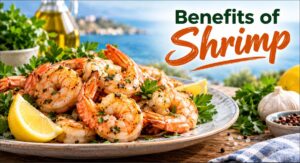
For decades, certain varieties of shellfish, particularly shrimp and squid, were unfairly vilified in dietary guidelines due to their relatively high dietary cholesterol content. However, modern nutritional science has clearly established that dietary cholesterol has a remarkably minimal impact on blood serum cholesterol levels for the vast majority of the population. Saturated and trans fats are the true culprits behind elevated LDL cholesterol. Consequently, shellfish have been rightfully restored to their position as highly nutritious components of a cardiovascular-focused diet, offering incredibly lean protein profiles alongside an array of vital micronutrients.
Bivalves, such as oysters, clams, and mussels, are exceptionally nutrient-dense and provide unique benefits for vascular health. They are abundant sources of zinc, selenium, and vitamin B12, elements that are crucial for regulating metabolic functions and protecting the heart muscle from oxidative stress. Mussels, in particular, contain surprisingly respectable levels of omega-3 fatty acids. By incorporating these environmentally sustainable options into a weekly meal rotation, individuals can diversify their nutrient intake and support their cardiovascular system without relying solely on traditional finfish.
Biological Mechanisms That Protect the Arterial Walls
To truly appreciate the value of seafood for heart health, it is essential to understand the precise physiological changes that occur within the bloodstream when marine lipids are regularly consumed. One of the most reliably documented effects is a significant reduction in serum triglycerides. Triglycerides are a type of fat found in the blood, and elevated levels are strongly correlated with an increased risk of strokes and heart attacks. EPA and DHA effectively inhibit the liver’s synthesis of very-low-density lipoproteins (VLDL), the primary carriers of triglycerides, while simultaneously accelerating the clearance of these fats from the bloodstream. This dual-action metabolic regulation can lower triglyceride levels by as much as thirty percent in individuals struggling with hypertriglyceridemia.
Another profound cardiovascular benefit involves the stabilization of the heart’s electrical rhythms. Arrhythmias, or irregular heartbeats, can range from benign palpitations to life-threatening events like ventricular fibrillation. The fatty acids derived from marine sources become integrated into the membranes of cardiac muscle cells, making them structurally more robust and less susceptible to the erratic electrical impulses that trigger fatal arrhythmias. This stabilizing effect is heavily credited for the documented reduction in sudden cardiac death among populations that consume high quantities of fish, providing a profound layer of internal protection against catastrophic cardiac events.
Furthermore, a regular intake of high-quality marine proteins positively influences endothelial function and systemic blood pressure. The endothelium is the delicate inner lining of the blood vessels, responsible for releasing nitric oxide, a molecule that signals the smooth muscle surrounding the arteries to relax and dilate. Omega-3 fatty acids enhance endothelial nitric oxide production, promoting vasodilation and thereby reducing the resistance against which the heart must pump. This gentle, consistent lowering of resting blood pressure relieves chronic strain on the cardiac muscle and significantly mitigates the long-term risk of developing hypertensive heart disease.
Balancing Nutritional Benefits with Environmental and Mercury Concerns
A common hesitation when integrating more oceanic proteins into a daily diet revolves around the presence of environmental contaminants, most notably methylmercury. Mercury is a naturally occurring element that is exacerbated by industrial pollution, and it accumulates in the aquatic food chain through a process known as biomagnification. Consequently, large, long-lived predatory fish at the apex of the food chain, such as swordfish, king mackerel, tilefish, and certain large species of tuna, tend to harbor the highest concentrations of this heavy metal. While mercury toxicity is a legitimate concern, especially for pregnant women and young children, entirely avoiding marine foods out of fear deprives the body of essential cardiovascular protectors.
The key to safely maximizing the benefits of seafood for heart health lies in strategic selection rather than broad avoidance. Nutritionists and environmental scientists universally advocate for prioritizing fish that are lower on the food chain, as they naturally contain negligible levels of heavy metals while boasting some of the highest concentrations of beneficial fats. The acronym “SMASH”—standing for Salmon, Mackerel (specifically Atlantic or Pacific, not King), Anchovies, Sardines, and Herring—serves as an excellent heuristic for identifying species that offer maximum omega-3 rewards with minimal contaminant risks. Focusing consumption on these specific varieties allows individuals to eat confidently and frequently without accumulating harmful toxins.
Public health organizations, including the American Heart Association and the Food and Drug Administration, continuously evaluate the risk-to-benefit ratio of fish consumption. Their extensive reviews consistently conclude that for the general adult population, the profound cardiovascular protections provided by regular fish intake overwhelmingly outweigh the theoretical risks associated with trace mercury exposure, provided that high-mercury predators are largely avoided. By making educated purchasing decisions and diversifying the types of aquatic foods consumed, individuals can fully harness the therapeutic power of marine nutrition while maintaining a deeply responsible approach to environmental safety.
Optimizing Preparation Methods to Preserve Essential Nutrients
Procuring high-quality marine ingredients is only the first step in cultivating a diet optimized for vascular health; the manner in which these delicate proteins are prepared dictates their ultimate nutritional efficacy. Deep-frying fish completely negates its cardiovascular benefits. The process of submerging seafood in boiling vegetable oils introduces vast amounts of inflammatory omega-6 fatty acids, rapidly increases the total caloric density, and creates harmful trans fats through thermal degradation. Furthermore, the intense heat of deep-frying heavily oxidizes the fragile omega-3 lipids, stripping the fish of its primary cardioprotective properties and transforming a health-promoting meal into an atherogenic one.
To preserve the molecular integrity of EPA and DHA, gentler culinary techniques must be employed. Baking, broiling, and grilling are exceptional methods that require minimal added fats while locking in moisture and flavor. When utilizing these methods, applying a light coating of extra virgin olive oil can actually enhance the meal’s nutritional profile, introducing heart-healthy monounsaturated fats and polyphenols that work synergistically with the marine lipids. Poaching and steaming represent even gentler alternatives, utilizing moist heat to cook the protein perfectly without subjecting the delicate fatty acids to the degrading effects of direct, high-temperature searing.
Accessibility and convenience are also crucial factors in sustaining long-term dietary changes. Fortunately, the cardiovascular advantages of oceanic nutrition are not strictly limited to expensive, fresh fillets. High-quality canned salmon, sardines, and light tuna packed in water or olive oil retain almost the entirety of their omega-3 content through the canning process. These shelf-stable options provide an incredibly practical, budget-friendly mechanism for meeting weekly nutritional targets. Integrating canned marine proteins into salads, whole-grain pasta dishes, or simple spreads ensures that consistent, heart-protective nutrition remains achievable regardless of a busy schedule or geographical distance from coastal markets.
Integrating Marine Proteins into a Comprehensive Dietary Strategy
While increasing the intake of essential marine fatty acids provides measurable physiological benefits, isolating a single food group is rarely sufficient to reverse systemic cardiovascular risk. The true power of utilizing seafood for heart health is unlocked when it is seamlessly woven into a broader, nutritionally dense dietary framework. The Mediterranean diet serves as the ultimate template for this integration. By replacing heavily processed foods, refined carbohydrates, and terrestrial saturated fats with an abundance of fresh vegetables, legumes, whole grains, and regular servings of fish, individuals create an internal environment that violently opposes the progression of heart disease.
In this synergistic dietary model, marine proteins do not act alone. The fiber from whole grains and legumes binds to excess cholesterol in the digestive tract, actively removing it from the body. The antioxidants derived from leafy greens and brightly colored vegetables prevent the oxidation of LDL cholesterol, a critical step in the formation of arterial plaques. When these processes are combined with the potent anti-inflammatory, triglyceride-lowering, and rhythm-stabilizing effects of marine omega-3s, the result is a comprehensive defense system that addresses cardiovascular degradation from every possible biological angle.
Transitioning toward a pescatarian-leaning lifestyle requires a deliberate shift in how meals are conceptualized. Rather than viewing fish as an occasional specialty item, it should be elevated to a primary protein staple, consumed at least two to three times per week as recommended by global cardiological societies. This dietary evolution profoundly reshapes long-term lipid panels, significantly lowers inflammatory markers, and provides the heart muscle with the exact nutritional substrates it requires to function tirelessly decade after decade. The commitment to integrating these vital foods is a direct investment in the elasticity, durability, and overall vitality of the human circulatory system.
Maximizing Cardiovascular Longevity Through Strategic Dietary Choices
The overwhelming body of clinical evidence pointing to the efficacy of seafood for heart health leaves little room for ambiguity regarding its place in a longevity-focused diet. The unique biological properties of EPA and DHA provide an unparalleled level of defense against the intricate mechanisms that drive heart disease, from cooling systemic inflammation and halting plaque formation to stabilizing electrical rhythms and optimizing endothelial function. Prioritizing low-mercury, highly concentrated sources like wild salmon, sardines, and anchovies ensures that the body receives the precise biochemical tools necessary to maintain clear, flexible arteries and a strong, resilient heart muscle.
True cardiovascular protection is cultivated not through short-term restrictive dieting, but through the consistent, lifelong application of sound nutritional principles. By shifting away from inflammatory fats and actively replacing them with the pure, functional proteins and lipids found in marine environments, individuals take profound control over their metabolic destiny. Committing to a dietary pattern that honors the immense therapeutic value of the ocean yields cumulative, compounding benefits over a lifetime, ultimately building a vascular system that is equipped to support sustained energy, enduring health, and a robust, disease-free future.
Which type of seafood is best for improving heart health?
Fatty fish like salmon, mackerel, and sardines are top choices because they are packed with omega-3 fatty acids that lower triglycerides and reduce inflammation.
How many times a week should I eat fish to protect my heart?
The American Heart Association recommends eating two servings of non-fried fish every week to significantly lower your risk of heart disease and stroke.
Is canned tuna just as good for your heart as fresh fish?
Yes, canned tuna and salmon are excellent, budget-friendly options that still provide the essential omega-3s your cardiovascular system needs to thrive.
Does eating shrimp raise your cholesterol too much?
While shrimp contains dietary cholesterol, it is extremely low in saturated fat, meaning it won’t negatively impact your blood cholesterol levels when eaten in moderation.
Are fried fish or seafood healthy for a cardiovascular diet?
Frying seafood adds unhealthy fats that cancel out the cardiovascular benefits, so it is always better to bake, grill, or poach your meals instead.
Please note
The content provided in this article is for educational and informational purposes only and should not be construed as medical, nutritional, or therapeutic advice. The recommendations provided may not be appropriate for everyone. The final decision regarding your health and lifestyle is yours, and we recommend that you consult with your doctor or other health professional before making any changes or taking any action.


















One thought on “seafood for heart health”