how to love yourself


Embarking on the journey of learning how to love yourself is often portrayed in mainstream media as a seamless transition from deep self-doubt to unshakeable, radiant confidence. However, the reality of building genuine self-worth is a far more complex, deeply personal, and immensely rewarding ongoing practice. Cultivating self-love requires stripping away years of conditioned beliefs, societal expectations, and internalized criticism to uncover a foundational sense of respect for who you are at your core. It is not merely a fleeting emotion or a weekend dedicated to relaxation, but rather a deliberate, consistent action plan that dictates how you treat yourself, how you allow others to treat you, and how you navigate the inevitable challenges of daily life. By actively choosing to prioritize your mental, emotional, and physical well-being, you create a resilient framework that protects your peace and fosters authentic personal growth. Understanding the mechanisms behind self-compassion and implementing actionable strategies to nurture your self-esteem will fundamentally transform your relationship with yourself, rippling outward to improve every other aspect of your lived experience.
Understanding the True Meaning of Self-Love
To master the practice of how to love yourself, it is essential first to dismantle the common misconceptions surrounding the concept. Modern culture frequently equates self-love with consumerism or superficial indulgences, such as purchasing expensive items, booking luxury spa days, or engaging in temporary escapism. While these activities can certainly provide momentary pleasure and serve as valid forms of stress relief, they do not constitute the foundational psychological work required for lasting self-acceptance. True self-love is an inside job. It is the steady, unwavering commitment to valuing your own happiness and well-being, even when it is uncomfortable or requires difficult decisions. It means recognizing your intrinsic value independent of your productivity, relationship status, physical appearance, or financial success.
At its core, loving yourself involves a radical acceptance of your entirety, encompassing both your acknowledged strengths and your perceived weaknesses. It requires extending the same grace and understanding to yourself that you would readily offer to a cherished friend or family member facing a similar struggle. When you operate from a place of genuine self-worth, you stop outsourcing your validation to external sources. You no longer rely on the approval of colleagues, partners, or social media metrics to feel adequate. Instead, you develop an internal anchor that holds firm regardless of the shifting tides of outside opinions. This internal validation is the cornerstone of emotional resilience, allowing you to face life’s adversities without internalizing failure as a reflection of your character.
Furthermore, integrating self-love into your daily existence fundamentally alters your decision-making processes. When you hold yourself in high regard, you naturally gravitate toward choices that serve your highest good. You begin to choose environments, relationships, and career paths that align with your core values and nurture your potential, rather than settling for situations that drain your energy or diminish your spirit. This proactive approach to life ensures that your actions continuously reinforce your self-worth, creating a positive feedback loop that strengthens your sense of identity and purpose over time.
Recognizing and Overcoming Your Inner Critic
One of the most significant barriers to cultivating a deep sense of self-worth is the pervasive voice of the inner critic. This internal monologue often operates subconsciously, narrating your life with a steady stream of judgment, doubt, and negativity. The inner critic is usually born from past experiences, childhood conditioning, or societal pressures, and it excels at amplifying your insecurities and minimizing your achievements. Learning how to love yourself necessitates becoming acutely aware of this critical voice and actively challenging its authority. The first step in overcoming this internal adversary is to observe your thoughts without immediate attachment or judgment. By stepping back and identifying negative self-talk as it occurs, you strip away its power and recognize it for what it is: a conditioned habit rather than an absolute truth.
Once you have identified the patterns of your inner critic, the next crucial step is cognitive reframing. This psychological technique involves consciously challenging irrational or deeply negative thoughts and replacing them with balanced, realistic, and supportive alternatives. For example, if you catch yourself thinking that a single mistake makes you a failure, you must actively pause and reframe that narrative. You can remind yourself that making errors is a universal human experience and a necessary component of the learning process. By consistently intercepting and rewriting these harmful scripts, you begin to rewire your brain’s neural pathways, gradually shifting your default mindset from one of self-deprecation to one of self-encouragement.
It is also vital to separate your identity from your thoughts and emotions. You are not the transient feelings of inadequacy or the harsh words your inner critic throws at you during moments of vulnerability. You are the observer of these thoughts. Establishing this psychological distance allows you to process negative emotions without allowing them to define your self-worth. As you practice this separation, you will find that the volume of the inner critic naturally begins to lower, creating mental space for more constructive, empowering beliefs to take root and flourish.
The Role of Self-Compassion in Healing
Self-compassion is the active, soothing antidote to the harshness of the inner critic and an essential component of emotional healing. It involves recognizing that suffering, imperfection, and difficulty are shared human experiences, rather than isolating events that only happen to you because you are somehow flawed. Practicing self-compassion means responding to your own pain or perceived inadequacies with warmth, kindness, and understanding. When a project fails or a relationship ends, rather than spiraling into self-blame, a self-compassionate approach allows you to acknowledge the pain of the situation while affirming your unconditional worthiness.
Furthermore, true self-compassion requires the deliberate practice of self-forgiveness. Holding onto past mistakes, regrets, or perceived moral failings is a heavy burden that actively prevents you from moving forward and embracing who you are today. Forgiving yourself does not mean absolving yourself of responsibility or ignoring areas where you need to grow; rather, it means releasing the emotional punishment associated with the past. By accepting that you made the best decisions you could with the knowledge and emotional capacity you had at the time, you free up immense psychological energy that can be redirected toward personal growth and self-care in the present moment.
Setting Healthy Boundaries for Emotional Well-Being
You cannot fully realize how to love yourself without mastering the art of setting and maintaining healthy boundaries. Boundaries are the invisible lines that define where you end and others begin; they dictate what you are willing to accept and what you will not tolerate in terms of physical, emotional, and mental treatment. Many individuals struggle with boundary-setting because they fear conflict, rejection, or being perceived as selfish. However, failing to establish clear limits inevitably leads to resentment, burnout, and a eroded sense of self-respect. Setting boundaries is a profound act of self-preservation and a clear communication to the world that your needs, time, and energy are valuable.
The process of establishing boundaries begins with deep self-reflection to identify your limits. You must determine what behaviors make you feel disrespected, overwhelmed, or drained. Once these limits are identified, the next step is clearly and assertively communicating them to others. This might involve telling a colleague that you will not answer emails after working hours, informing a family member that certain topics of conversation are off-limits, or simply declining an invitation when you are feeling socially exhausted. Communicating boundaries should be done firmly but respectfully, keeping the focus on your own needs rather than placing blame on the other person.
Learning to say the word “no” without providing an exhaustive list of justifications is a critical milestone in the journey of self-love. “No” is a complete sentence, and reclaiming your right to use it protects your most precious resources. While setting boundaries may initially cause discomfort or friction, especially with individuals who are accustomed to you lacking them, the long-term benefits to your mental health are immeasurable. Over time, consistent boundary-setting filters out toxic dynamics and cultivates relationships based on mutual respect, ensuring that the people in your life genuinely support your emotional well-being.
Building Daily Habits That Cultivate Self-Worth
Theoretical knowledge about self-esteem is only valuable when translated into consistent, daily action. Loving yourself is not a destination you arrive at but a daily practice you engage in. Building routines that prioritize your physical, mental, and emotional health is the most practical way to demonstrate self-respect on a continuous basis. Physical self-care is often the most accessible starting point. Nourishing your body with whole foods, prioritizing adequate and restorative sleep, and engaging in movement that feels good rather than punitive are fundamental ways to signal to your brain that your vessel is worthy of care and attention. When your physical baseline is strong, you are far better equipped to handle emotional and psychological challenges.
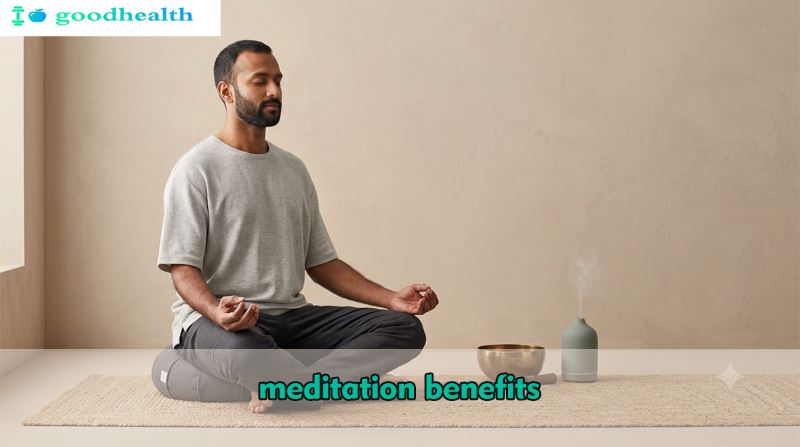
Mental and emotional habits require equal dedication and intentionality. Incorporating mindfulness practices, such as meditation or deep-breathing exercises, helps anchor you in the present moment and prevents anxiety about the future or rumination on the past from hijacking your day. Journaling is another powerful tool for cultivating self-worth, providing a safe, private space to process complex emotions, track your personal growth, and untangle confusing thoughts. By dedicating a specific portion of your day to these introspective practices, you are carving out uninterrupted time solely for your own betterment, which is a profound demonstration of self-love.
Consistency is the most critical element of habit formation. It is far more effective to engage in ten minutes of intentional self-care every single day than to attempt grand, exhausting gestures of self-improvement once a month. As these small, positive habits compound over weeks and months, they gradually alter your self-perception. You begin to view yourself as someone who reliably follows through on commitments to their own well-being, naturally elevating your self-esteem and reinforcing the belief that you are inherently deserving of your own time and effort.
Celebrating Small Wins and Personal Growth
A crucial aspect of developing a positive relationship with yourself involves shifting your focus from a relentless pursuit of perfection to an appreciation of incremental progress. In a society fixated on monumental achievements and highlight reels, it is easy to overlook the quiet, everyday victories that constitute true personal growth. Learning to celebrate small wins—whether it is successfully enforcing a difficult boundary, choosing a healthy coping mechanism during a stressful moment, or simply getting out of bed on a particularly dark day—trains your brain to recognize and validate your own efforts.
Taking the time to acknowledge your progress prevents the feeling of being stuck on an endless treadmill of self-improvement where nothing is ever good enough. You can reward yourself for these achievements in simple, meaningful ways, such as savoring a favorite cup of tea in silence, writing a proud entry in your journal, or just taking a moment to mentally say, “I am proud of you.” This ongoing positive reinforcement builds a reservoir of confidence and self-assurance, proving to your subconscious that you are capable, resilient, and constantly evolving in the right direction.
Navigating Setbacks on the Journey to Self-Acceptance
It is vital to understand that the path to learning how to love yourself is never perfectly linear. There will inevitably be days, weeks, or even entire seasons where you feel disconnected from your self-worth, when the inner critic roars back to life, and when old, destructive habits threaten to resurface. These periods of regression do not mean that your previous efforts were in vain, nor do they indicate that you are incapable of achieving lasting self-acceptance. Setbacks are a natural, expected component of the human experience and an integral part of the healing process. The true measure of self-love is not the absence of dark days, but rather how you choose to treat yourself when you are navigating through them.
During times of emotional difficulty or perceived failure, the temptation to revert to self-punishment and harsh criticism can be overwhelming. This is the exact moment when doubling down on self-compassion is most critical. Instead of berating yourself for feeling anxious, making a mistake, or experiencing a dip in self-esteem, acknowledge the difficulty of the moment without judgment. Allow yourself to feel the uncomfortable emotions without attempting to immediately fix or suppress them. By providing yourself with a safe internal environment to experience sadness, frustration, or doubt, you prevent these emotions from becoming trapped and festering into deep-seated shame.
Reconnecting with your core values and established routines is the most effective way to navigate out of a period of low self-worth. When motivation wanes and self-doubt is high, rely on the discipline of your foundational self-care habits. Returning to the basics of adequate rest, proper nutrition, and gentle movement provides stability when your internal world feels chaotic. Reaching out to a trusted support system or a mental health professional during these times is also a profound act of self-care. Seeking help demonstrates an acknowledgment of your vulnerability and a commitment to your own recovery, reinforcing the principle that you do not have to carry the burden of healing entirely on your own shoulders.
Embracing Your Authentic Self
The pinnacle of understanding how to love yourself lies in the total embrace of your authentic identity, free from the constraints of societal expectations and the destructive trap of comparison. From a young age, individuals are bombarded with messaging dictating how they should look, what careers they should pursue, and what milestones they must achieve to be considered successful or worthy. Shedding these external expectations is a continuous process of unlearning. It requires immense courage to look inward and differentiate between the desires that have been placed upon you by others and the passions that genuinely ignite your soul.
Embracing authenticity means giving yourself permission to take up space in the world exactly as you are. It involves leaning into your unique quirks, interests, and perspectives, even if they do not align with the status quo. When you stop expending energy trying to mold yourself into an idealized version of what you think you should be, you free up a tremendous amount of vitality to invest in what actually brings you joy and fulfillment. This authentic alignment naturally attracts the right opportunities, environments, and people into your life—those who resonate with your true essence rather than a carefully curated facade.
Ultimately, owning your authenticity requires embracing both your brilliant strengths and your human vulnerabilities. It is the realization that you do not need to be flawlessly put together, universally liked, or perfectly accomplished to be deeply worthy of love, both from others and, most importantly, from yourself. By showing up authentically in your daily life, speaking your truth, and honoring your genuine needs, you solidify an unshakeable foundation of self-respect that serves as the ultimate armor against external judgment and internal doubt.
Committing to a Lifetime of Self-Appreciation
The endeavor to completely embrace and value your own identity is a lifelong commitment rather than a task to be checked off a list. It requires dedication to continuous self-discovery, a willingness to adapt as you evolve, and the resilience to remain deeply compassionate with yourself through all phases of life. As you transition through different ages, career changes, and relationship dynamics, your needs and the specific ways you must practice self-care will inevitably shift. The foundational principles, however, remain constant: prioritizing your mental health, guarding your emotional energy, and persistently challenging the narratives that seek to diminish your inherent value.
Mastering the practice of honoring your own worth transforms every facet of your existence. It improves the quality of your relationships by ensuring you do not accept less than you deserve, enhances your professional life by fostering the confidence to pursue meaningful goals, and drastically elevates your day-to-day emotional baseline. By consistently applying the strategies of boundary setting, cognitive reframing, and intentional daily habits, you build an impenetrable sense of self-respect. Investing the time and effort to nurture your own well-being is the most crucial, high-yielding investment you can ever make, establishing a profound sense of inner peace that remains steadfast regardless of external circumstances.
How do I start loving myself when I feel so low?
You can begin by simply speaking to yourself with the exact same kindness, grace, and patience you would offer a close friend who is struggling.
What are some practical daily habits to build self-love?
Small, consistent actions like setting healthy boundaries, taking time for hobbies, and prioritizing restful sleep can significantly boost your sense of self-worth.
Is putting myself first selfish or is it just self-care?
Prioritizing your own mental and physical well-being is completely healthy and necessary, because you cannot effectively care for others if your own cup is empty.
How long does it actually take to improve my self-esteem?
Building genuine self-esteem is a lifelong journey rather than an overnight fix, but consistent self-compassion will help you notice positive emotional shifts within just a few weeks.
How do I forgive myself for past mistakes so I can move forward?
Accepting that your past choices were made with the knowledge and emotional tools you had at that specific time allows you to release guilt and finally embrace personal growth.
Please note
The content provided in this article is for educational and informational purposes only and should not be construed as medical, nutritional, or therapeutic advice. The recommendations provided may not be appropriate for everyone. The final decision regarding your health and lifestyle is yours, and we recommend that you consult with your doctor or other health professional before making any changes or taking any action.