How to make yourself feel good in the moment

Feeling overwhelmed, stressed, or drained in the middle of a busy day is a common human experience, yet most people lack immediate strategies to quickly shift their emotional and physiological state. When negative emotions or physical fatigue strike, finding ways to make yourself feel good in the moment can prevent minor stressors from escalating into prolonged emotional exhaustion. Rapid mood regulation does not require drastic lifestyle shifts or hours of meditation; instead, it relies on small, intentional actions that send clear signals of safety and vitality to your central nervous system.
Understanding how to make yourself feel good in the moment requires bridging the gap between physiological responses and mental awareness. By leveraging sensory inputs, simple body movements, breathwork, and cognitive shifts, you can interrupt distress patterns instantly. Learning these evidence-based micro-interventions empowers you to regain control over your mood, regain focus, and restore a sense of calm and clarity within seconds.
Leveraging Physiology for Immediate Nervous System Relief
The fastest way to alter your mental state is by changing your physical state. When stress elevates, your autonomic nervous system shifts into a sympathetic fight-or-flight state, increasing heart rate, muscle tension, and shallow breathing. Waiting for your mind to reason itself out of stress is often inefficient because a stressed brain prioritizes perceived threats over logical reflection. By altering your posture, facial expressions, and breathing patterns, you send immediate feedback through the vagus nerve back to the brain, signaling that the threat has passed.
A highly effective physiological technique to make yourself feel good in the moment is the double-inhale sigh. Taking two quick inhales through the nose—one deep inhale followed immediately by a short sharp sip of extra air—and then slowly exhaling through open lips instantly slows down your heart rate. Repeating this cycle two or three times releases trapped carbon dioxide and relaxes the chest wall, bringing rapid relief to an overstimulated nervous system.
The Power of Movement and Somatic Shifting
Physical stillness during times of emotional discomfort can trap nervous energy in the body, deepening feelings of anxiety or lethargy. Engaging in brief, physical movement helps discharge excess cortisol and adrenaline. Stepping away from your workspace for a sixty-second stretch, doing ten quick jumping jacks, or gently shaking out your hands and shoulders can clear physical stiffness and release tension built up in major muscle groups.
Similarly, adopting an expansive posture—standing up straight, pulling your shoulders back, and lifting your chest—promotes immediate shifts in confidence and mood. This physical alignment alters neurochemical signaling, encouraging the release of protective neurotransmitters that enhance alertness and reduce feelings of helplessness.
Engaging the Five Senses for Instant Grounding
Sensory grounding provides an immediate anchor to the present moment, pulling your attention away from intrusive thoughts, worry, or mental fatigue. Your senses serve as direct pathways to the brain’s emotional centers, making sensory input one of the most reliable ways to shift your internal state. By deliberately focusing on pleasant or distinct physical sensations, you disrupt rumination and ground your awareness in reality.
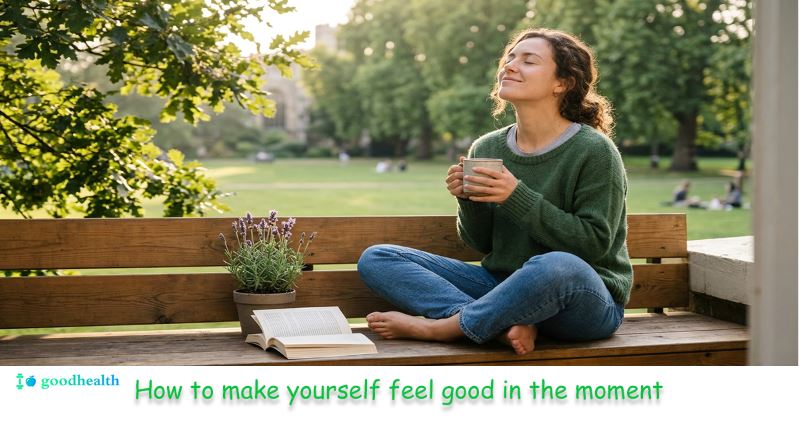
Temperature changes are exceptionally effective for rapid emotional shifts. Splashing cold water on your face or holding an ice cube in your hand triggers the mammalian dive reflex, which naturally lowers heart rate and dampens nervous system arousal. Conversely, holding a warm cup of herbal tea or wrapping yourself in a soft blanket provides a soothing, comforting tactile input that encourages physical ease.
Visual, Auditory, and Olfactory Elevation
Aromatherapy offers another immediate pathway to shift your mood. Inhaling essential oils such as lavender, citrus, or peppermint bypasses conscious thought and directly stimulates the limbic system, the brain’s emotional control center. Citrus scents can instantly elevate energy and alertness, while lavender promotes relaxation during high-stress situations.
Auditory shifts can be equally potent. Playing an uplifting song, listening to natural environmental sounds like falling rain, or tuning into an ambient instrumental track alters brainwave patterns and stimulates the release of dopamine. Combined with visually taking in natural sunlight or stepping outside to view greenery, these sensory changes create a fast, refreshing reset for mental clarity.
Cognitive and Emotional Micro-Shifts
While physiological interventions target the body, cognitive micro-shifts address the mental patterns that sustain low moods or frustration. When attempting to make yourself feel good in the moment, trying to force artificial positivity often leads to internal resistance. Instead, focus on small, authentic mental shifts that reframe your perspective without invalidating how you feel.
One effective strategy is practicing immediate, micro-gratitude. Rather than attempting to feel grateful for your entire life, identify three specific, concrete things right in front of you—a comfortable chair, a warm cup of coffee, or a clear view out the window. Directing your focus toward tangible comfort redirects your attention away from perceived lacks or stressors, calming the brain’s threat detection mechanisms.
How to make yourself feel good in the moment
Disrupting Negative Thought Patterns with Decentering
Decentering is the practice of observing your thoughts without identifying with them as absolute truths. When a sudden wave of stress or sadness hits, remind yourself that a feeling is merely a temporary neurochemical event rather than a permanent state of being. Quietly stating to yourself that you are experiencing stress, rather than saying you are stressed, creates a healthy psychological distance between your core self and the emotion.
Self-compassion also plays a crucial role in immediate mood repair. Treating yourself with the same kindness and patience you would offer a close friend reduces internal pressure. Taking a brief pause to acknowledge that it is okay to feel tired or overwhelmed removes the secondary layer of guilt or frustration that often compounds negative emotions.
Environmental Adjustments to Enhance Wellbeing
Your immediate physical environment exerts a continuous, subtle influence on your mood, focus, and energy levels. Cluttered spaces, harsh lighting, poor ventilation, and constant digital interruptions create low-grade cognitive strain that gradually drains emotional reserves. Making swift, small changes to your immediate surroundings can provide an immediate sense of relief and renewed control.
Clearing your immediate workspace of unnecessary items creates visual breathing room, reducing the cognitive load on your brain. Opening a window to let fresh air circulate elevates oxygen levels, which enhances alertness and combats midday sluggishness. Adjusting lighting—such as switching off harsh overhead fluorescent bulbs in favor of warm, natural light—can also soothe eye strain and relax the mind.
Setting Quick Digital Boundaries
Digital overstimulation is one of the leading causes of modern emotional fatigue. Constant notifications, emails, and social media updates keep the brain in a perpetual state of micro-alertness. Taking a deliberate ten-minute break from screens allows your visual and mental processing pathways to recover.
Stepping away from electronic devices during breaks prevents your brain from absorbing unnecessary news or stressful work communications. Using this time to simply look out a window, stretch, or enjoy a beverage in silence allows your neural circuits to reset, protecting your baseline emotional wellbeing.
Sustaining Immediate Relief and Long-Term Balance
Mastering how to make yourself feel good in the moment provides a powerful toolset for navigating daily stress with resilience, composure, and emotional control. By combining physiological reset techniques—such as deep breathwork, sensory grounding, and physical movement—with subtle cognitive reframing and environmental adjustments, you can shift your emotional state within minutes. Implementing these simple, natural interventions throughout the day preserves mental energy, prevents burnout, and ensures a steady foundation of daily wellbeing.
What are the fastest physical techniques to relieve stress and boost your mood instantly?
Taking deep, slow breaths—such as the double-inhale physiological sigh—rapidly lowers your heart rate and restores a sense of physical calm.
How can you quickly break out of a negative spiral or sudden bad mood?
Shift your physical state immediately by stepping outside into fresh air, splashing cold water on your face, or moving your body for just two minutes.
Does listening to music really change how you feel in real time?
Upbeat or comforting music instantly triggers the release of dopamine and oxytocin in the brain, rapidly lifting your emotional state.
What quick mental reframing tricks work when you are feeling overwhelmed right now?
Practice grounding yourself using the 5-4-3-2-1 sensory technique to pull your focus away from racing thoughts and back into the present moment.
How can small, instant self-care actions improve your immediate emotional well-being?
Sipping a warm cup of tea, stretching your muscles, or reaching out to a friend provides an instant sensory comfort that resets your mood.
please note
The content provided in this article is for educational and informational purposes only and should not be construed as medical, nutritional, psychological, or therapeutic advice. The advice provided may not be appropriate for everyone. The final decision regarding your health and lifestyle is yours, and we recommend that you consult with your doctor, counselor, or other health professional before making any changes or taking any action.
Shop new arrivals
-
Emotional Advantage
Original price was: €12.90.€8.90Current price is: €8.90. -
Healthy Life Blueprint
Original price was: €24.90.€15.90Current price is: €15.90. -
How to break negative habits
Original price was: €12.90.€6.90Current price is: €6.90. -
How to have continuity
Original price was: €15.90.€8.90Current price is: €8.90. -
Living with Purpose
Original price was: €14.90.€9.90Current price is: €9.90.