
How to manage our emotions

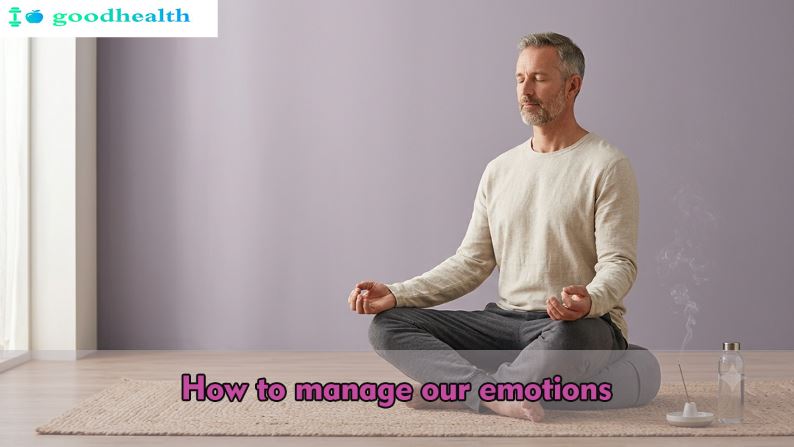
Navigating the complex landscape of our feelings is a universal human experience, yet it remains one of the most challenging aspects of daily life. Learning how to manage our emotions is not about suppressing them or pretending that frustration, sadness, and anger do not exist. Instead, it involves developing a healthy relationship with our internal world so that we can respond to external circumstances with clarity and intention. When we lack emotional regulation, we often find ourselves reacting impulsively to stressors, which can damage our relationships, hinder our professional growth, and severely impact our overall mental health. Conversely, mastering emotional intelligence empowers us to experience our feelings fully without allowing them to dictate our behavior. By cultivating self-awareness and practicing deliberate coping strategies, we can transform overwhelming emotional waves into manageable, passing currents.
The Science Behind Our Emotional Responses
To effectively manage our emotions, it is essential to understand the biological mechanisms that drive them. Our brains are hardwired for survival, and our emotional responses are deeply intertwined with this evolutionary design. The amygdala, a small almond-shaped structure deep within the brain, serves as our internal alarm system. When we encounter a perceived threat, whether it is a physical danger or a stressful email from a boss, the amygdala triggers a cascade of physiological reactions. It initiates the fight-or-flight response before the logical part of our brain even has a chance to process the situation.
This instantaneous reaction is designed to keep us safe, but it is often poorly suited for modern societal challenges. While the amygdala reacts swiftly, the prefrontal cortex—the area of the brain responsible for rational thought, decision-making, and impulse control—operates at a slower pace. The conflict between these two regions is what causes us to lash out in anger or freeze in anxiety before logic can intervene. Developing emotional control is essentially the practice of strengthening the prefrontal cortex, allowing it to catch up with and regulate the primal responses of the amygdala.
Understanding this biological framework is incredibly liberating. It removes the guilt and shame often associated with sudden, intense feelings. You cannot always control the initial physiological spark of an emotion, as that is a natural bodily function. However, you absolutely have agency over what happens next. By recognizing that the initial surge of anger or fear is just an evolutionary reflex, you can create a mental buffer, allowing your rational brain to step in and choose an appropriate, measured response.
Identifying and Understanding Emotional Triggers
The first proactive step in emotional management involves identifying the specific situations, people, or environments that cause your feelings to escalate. These are commonly known as emotional triggers. Triggers are highly personal and often stem from past experiences, deep-seated insecurities, or ingrained belief systems. For one person, a sudden change in plans might trigger intense anxiety, while for another, feeling unheard in a conversation might spark immediate anger. Recognizing these patterns is the foundation of emotional intelligence.
Cultivating a high degree of self-awareness requires intentional observation. One of the most effective methods for this is maintaining an emotional journal. By taking time at the end of each day to document instances where you felt overwhelmed, angry, or unusually sad, you can begin to connect the dots. Writing down the context of the situation, the specific emotion felt, and your subsequent reaction helps to externalize the experience. Over time, recurring themes will emerge, providing you with a roadmap of your psychological sensitivities.
Once you know what your triggers are, you can anticipate them and prepare your mental defenses. If you know that heavy traffic on your morning commute reliably induces rage, you can implement preventative strategies, such as leaving earlier, finding an alternative route, or curating a calming playlist to listen to during the drive. While you cannot eliminate all triggers from your life, anticipating them robs them of the element of surprise, which is often the catalyst for uncontrolled emotional outbursts.
Physical Signs of Rising Emotions
Long before our minds fully register an intense emotion, our bodies often signal its arrival. This phenomenon, known as somatic experiencing, plays a crucial role in early emotional intervention. Anxiety might present as a tightening in the chest or shallow breathing, while anger often manifests as clenched jaw muscles, a flushed face, or a rapidly elevated heart rate.
Learning to tune into these physical sensations provides an early warning system. When you notice your shoulders tensing or your stomach tying in knots, you can immediately begin employing relaxation techniques before the emotion reaches a critical, unmanageable peak. By treating physical discomfort as data rather than just a symptom, you give yourself a vital head start in the emotional regulation process.
Effective Strategies for Daily Emotional Regulation
Active emotional regulation requires a toolkit of strategies that you can deploy in the heat of the moment. One of the most powerful techniques is the conscious practice of pausing. When a triggering event occurs, creating a gap between the stimulus and your response is crucial. This pause can be as brief as taking a single, deep breath or as deliberate as excusing yourself from a room for five minutes. This brief intermission interrupts the automatic behavioral loop, giving your prefrontal cortex the necessary time to analyze the situation and dictate a rational course of action rather than an impulsive reaction.
Another highly effective strategy is cognitive reframing, a core component of cognitive behavioral therapy. This involves actively challenging and altering the negative narratives we tell ourselves. When faced with a setback, our immediate emotional response might be fueled by thoughts like, “I am a complete failure and nothing ever works out for me.” Reframing shifts this perspective to something more objective, such as, “This specific task did not go as planned, but I can learn from this mistake and improve next time.” By changing the internal dialogue, you inherently change the emotional frequency of the experience.
It is also vital to differentiate between healthy emotional expression and counterproductive emotional dumping. Talking through your feelings with a trusted friend or colleague can be incredibly cathartic and offer new perspectives. However, endlessly venting and ruminating on negative experiences without seeking solutions only serves to reinforce and amplify the negative emotion. Healthy processing involves acknowledging the pain, discussing it constructively, and then deliberately steering the focus toward actionable solutions and emotional recovery.
The Role of Mindfulness in Emotional Control
Mindfulness is the practice of anchoring yourself in the present moment and observing your thoughts and feelings without judgment. When we struggle to manage our emotions, we are often dwelling on past regrets or projecting fear into future uncertainties. Mindfulness forces the brain to focus on the immediate present, which naturally defuses anxiety and stress.
Integrating mindfulness into your daily routine does not require hours of meditation. Simple grounding exercises, such as focusing intently on the sensory details of your immediate environment or practicing mindful breathing, can rapidly lower cortisol levels. By regularly practicing the art of non-judgmental observation, you train your brain to view emotions as temporary weather patterns passing through your mind, rather than permanent states of being.
Navigating Intensely Negative Emotions
There is a common misconception that managing emotions means striving for a state of constant happiness. In reality, healthy emotional regulation involves making space for intensely negative emotions like profound sadness, grief, and justified anger. Accepting these feelings as valid and necessary components of the human experience is crucial. When we try to force toxic positivity upon ourselves, we invalidate our own experiences, which only drives the negative emotions deeper into our subconscious.
Suppressing negative emotions carries significant health risks. Psychological suppression requires a immense amount of cognitive energy and has been linked to increased blood pressure, chronic stress, and a weakened immune system. Instead of pushing the feelings away, the goal is to process them safely. This means allowing yourself to feel the sadness or frustration fully, but establishing boundaries around how those feelings dictate your actions. You can feel furious without shouting, and you can feel heartbroken without abandoning your daily responsibilities.
Finding productive physical outlets is an excellent way to process intense emotional energy. Intense physical exercise, for example, is a proven method for metabolizing the stress hormones associated with anger and anxiety. Creative pursuits such as painting, writing, or playing music also provide a safe container for exploring and releasing complex feelings that might be difficult to articulate verbally. Channeling emotional energy into a tangible activity prevents it from stagnating in the mind and body.
Furthermore, it is a sign of immense emotional maturity to know when to completely disengage from a volatile situation. If you recognize that an argument is escalating beyond the point of productive communication, setting a boundary and stepping away is the most responsible action you can take. Returning to the discussion only after your nervous system has returned to a baseline state ensures that the interaction will be guided by reason rather than unbridled emotion.
Building Long-Term Emotional Resilience
Emotional management is not solely about damage control in the moment; it is deeply connected to how we care for ourselves on a daily basis. Our physical health and our emotional resilience are inextricably linked. Chronic sleep deprivation, poor nutrition, and a sedentary lifestyle dramatically lower our threshold for stress. When the body is exhausted or depleted, the brain lacks the necessary resources to regulate mood effectively. Prioritizing a consistent sleep schedule, a balanced diet, and regular physical movement builds a strong physiological foundation that makes emotional regulation significantly easier.
Developing a growth mindset is another essential pillar of long-term emotional stability. This involves accepting that you will occasionally fail at managing your emotions. There will be days when you lose your temper, succumb to anxiety, or act defensively. Rather than viewing these moments as personal failures, a growth mindset frames them as valuable data points for future improvement. Self-compassion during these setbacks is vital; berating yourself for an emotional slip-up only adds secondary layers of shame and guilt to an already difficult situation.
Cultivating a robust support system also plays a critical role in sustained emotional health. We are social creatures, and co-regulation—the process of calming our nervous system through positive interactions with others—is a powerful biological tool. Surrounding yourself with individuals who model healthy emotional intelligence and who provide a safe, non-judgmental space for you to express yourself fosters long-term resilience. Establishing clear interpersonal boundaries within these relationships ensures that your emotional energy is protected and respected.
When to Seek Professional Support for Emotional Well-Being
While self-help strategies and lifestyle modifications are incredibly effective, there are times when independent efforts are not sufficient. Recognizing when to seek professional support is a profound act of self-care and emotional intelligence. If you find that intense emotions are consistently disrupting your ability to function at work, maintain relationships, or care for your basic needs, it is time to consult a mental health professional. Chronic feelings of numbness, unmanageable anxiety, or persistent depressive states require specialized intervention.
Therapists and counselors provide evidence-based frameworks, such as Dialectical Behavior Therapy (DBT) and Acceptance and Commitment Therapy (ACT), which are specifically designed to teach advanced emotional regulation skills. A professional can help you uncover deep-rooted traumas or subconscious patterns that might be driving your emotional responses, offering insights that are often difficult to see from an internal perspective. They act as objective guides, helping you build a personalized, highly effective toolkit for navigating your unique psychological landscape.
Normalizing mental health care as a proactive measure, rather than just a reactive one, is essential for long-term well-being. Just as you might hire a personal trainer to improve your physical fitness or a financial advisor to manage your assets, a therapist helps you optimize your psychological health. Engaging in therapy equips you with advanced coping mechanisms and deepens your self-awareness, allowing you to handle future emotional challenges with far greater efficiency and grace.
Sustaining Healthy Emotional Habits Over Time
Mastering the way we interact with our internal feelings is not a destination to be reached, but a lifelong practice to be maintained. As we evolve, change careers, enter new relationships, and face different life stages, our emotional triggers and required coping mechanisms will naturally shift. The commitment to manage our emotions is a commitment to ongoing self-discovery and adaptation. By continuously applying self-awareness, practicing intentional pauses, and prioritizing our overall physical and mental health, we build a resilient psychological framework. This sustained effort not only prevents our feelings from controlling our actions but fundamentally enhances the quality, depth, and intentionality of our daily lives.
How do I stop feeling overwhelmed by my emotions?
You can ground yourself by taking deep, slow breaths and focusing on the physical sensations around you to bring your mind back to the present moment.
Is it healthy to suppress negative feelings like anger or sadness?
Pushing down negative feelings usually makes them stronger over time, so it’s much healthier to acknowledge them and let them pass without judgment.
What are the best quick techniques for emotional regulation?
The 5-4-3-2-1 grounding method, paced breathing, and taking a short walk are incredibly effective ways to quickly calm your nervous system.
How can I control my anger before I say something I regret?
Pausing for just ten seconds and physically stepping away from the situation gives your brain the chance to switch from reaction mode to logical thinking.
Why do I sometimes feel like I can’t stop crying when I’m stressed?
Crying is your body’s natural way of releasing built-up stress hormones, so letting the tears flow is actually a healthy step toward regaining emotional balance.
Please note
The content provided in this article is for educational and informational purposes only and should not be construed as medical, nutritional, or therapeutic advice. The recommendations provided may not be appropriate for everyone. The final decision regarding your health and lifestyle is yours, and we recommend that you consult with your doctor or other health professional before making any changes or taking any action.