healthy dinner recipes for two

Cooking at the end of a long day often feels like a monumental task, especially when you are only preparing a meal for a smaller household. It is incredibly easy to rely on takeout menus or highly processed convenience foods when you lack the energy to scale down complex family-sized meals. However, prioritizing nutrition does not have to mean sacrificing your evenings to the kitchen or eating the same leftovers for five days straight. By focusing on healthy dinner recipes for two, you can enjoy delicious, nutrient-dense meals that are perfectly portioned to eliminate food waste while supporting your wellness goals. Finding that sweet spot between culinary satisfaction and practical portion control is the key to making home cooking a sustainable, enjoyable daily habit.
Overcoming the Common Challenges of Small-Batch Cooking
One of the most frequent hurdles couples face is managing ingredient quantities. Supermarkets are predominantly designed to cater to families of four or more, with bulk packaging that often leads to spoiled produce sitting in the bottom of the crisper drawer. When you are looking for healthy dinner recipes for two, buying a whole head of celery or a massive bag of spinach can feel counterproductive if a recipe only calls for a fraction of those ingredients. This mismatch between retail sizing and household reality is a primary driver of both food waste and grocery budget inflation.
Beyond grocery shopping, the mathematics of scaling down traditional recipes can lead to culinary frustration. Simply cutting a recipe in half does not always translate perfectly, especially concerning cooking times, liquid evaporation rates, and seasoning ratios. A casserole designed to bake in a standard large pan will dry out instantly if baked in the same dish with half the volume. Similarly, marinades and sauces often need careful adjustment to ensure proteins are adequately coated without swimming in excess sodium or oils.
Overcoming these hurdles requires a strategic shift in how you approach meal planning. Instead of viewing dinner as a scaled-down version of a feast, it is much more effective to build meals specifically tailored to two portions. This means utilizing adaptable ingredients, embracing cooking methods designed for smaller quantities, and selecting recipes that are inherently built for couples. By curating a repertoire of meals meant specifically for a dual-serving scale, the nightly routine shifts from mathematical guesswork to streamlined, stress-free cooking.
Building a Pantry Optimized for Nutrient-Dense Meals
A well-stocked pantry is the foundation of any successful kitchen, but when you are routinely preparing healthy dinner recipes for two, your staple items need to work harder and last longer. Relying on dry goods and long-lasting aromatics ensures that you always have the building blocks for a nutritious meal without the stress of constant grocery runs. Curating a pantry with longevity in mind allows you to supplement fresh produce and proteins seamlessly, preventing the dreaded empty-fridge dining dilemma.
Focusing on versatile whole grains is an excellent starting point. Quinoa, brown rice, barley, and farro offer exceptional sources of complex carbohydrates and dietary fiber. They can be cooked in small batches and serve as a hearty base for grain bowls, side dishes, or even thickened soups. Keeping a variety of canned beans and lentils on hand also provides instant, shelf-stable protein that requires minimal preparation, making them ideal components for quick, nutrient-packed weeknight dinners.
Furthermore, investing in high-quality flavor enhancers will transform basic ingredients into restaurant-quality meals. A collection of robust spices, low-sodium broths, and healthy fats like extra virgin olive oil and toasted sesame oil allows you to experiment with diverse flavor profiles. When your pantry is equipped with these culinary essentials, whipping up a wholesome dinner for two becomes a matter of assembling and elevating components rather than starting completely from scratch every evening.
Selecting the Right Proteins
Choosing proteins that scale down elegantly is essential for small-household cooking. While a massive pork shoulder is impractical for two, individual cuts like chops, small steaks, or skinless poultry breasts allow for precise portioning. Keeping a stock of frozen, individually vacuum-sealed proteins further enhances your ability to pull out exactly what you need for a single evening, drastically reducing waste and maintaining peak freshness.
Incorporating Complex Carbohydrates and Healthy Fats
Balancing your meals requires a deliberate integration of complex carbohydrates and healthy fats to ensure sustained energy and satiety. Sweet potatoes, butternut squash, and whole-wheat pasta provide the necessary dietary fiber to stabilize blood sugar levels throughout the evening. Pairing these carbohydrates with sources of healthy fats, such as sliced avocado, a sprinkle of toasted nuts, or a drizzle of olive oil, helps your body absorb fat-soluble vitamins while elevating the overall texture and richness of the dish.
Lean Poultry Recipes for Quick Weeknight Dinners
Chicken and turkey are incredibly versatile proteins that readily adapt to a wide array of flavor profiles, making them undisputed staples for anyone seeking healthy dinner recipes for two. Because poultry is naturally lean, it supports muscle maintenance and metabolic health without adding excessive saturated fat to your evening meal. The key to mastering poultry in small batches is to employ cooking techniques that retain moisture, as smaller cuts of meat can easily dry out if left unattended on the stove.
Pan-searing chicken breasts or thighs in a heavy-bottomed skillet is an excellent method for couples. It requires minimal cleanup and allows for the creation of simple, intensely flavorful pan sauces using a splash of chicken broth, fresh lemon juice, and aromatic herbs. Pairing a perfectly seared piece of chicken with a quick side of blistered green beans or roasted asparagus creates a balanced, elegant meal that seamlessly moves from the stovetop to the dining table in under thirty minutes.
Ground turkey also offers a fantastic, lean foundation for small-batch cooking. It can be easily divided upon purchase and frozen, allowing you to defrost exactly what you need for two servings of turkey meatballs, stuffed bell peppers, or a lightened-up Bolognese sauce served over zucchini noodles. These hearty options provide the comforting, familiar flavors of traditional comfort food while keeping the nutritional profile well within healthy, calorie-conscious parameters.
Seafood Solutions for Nutrient-Rich Suppers
Integrating more seafood into your weekly meal rotation is one of the most effective ways to boost your intake of omega-3 fatty acids, which are crucial for cardiovascular function and cognitive health. For couples, seafood is particularly advantageous because it cooks incredibly fast, rarely requiring more than ten minutes of active heat. When you need healthy dinner recipes for two that can be executed rapidly without sacrificing nutritional integrity, fish is consistently the premier choice.
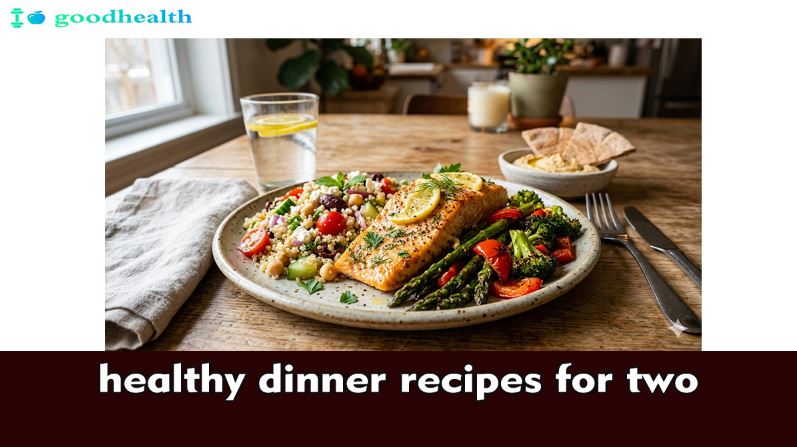
Salmon fillets are ideal for small-batch weeknight cooking. Purchasing two individual portions ensures zero waste, and they can be effortlessly baked, grilled, or pan-fried. A simple preparation involving a Dijon mustard and honey glaze, or merely a dusting of smoked paprika and a squeeze of fresh citrus, is often all that is needed to elevate the natural flavors of the fish. Served alongside a vibrant quinoa salad or steamed broccoli, a salmon dinner is both profoundly filling and deeply nourishing.
Shellfish, such as shrimp or sea scallops, are also exceptional choices for quick, health-conscious meals. Shrimp can be rapidly sautéed with minced garlic, fresh spinach, and a touch of high-quality olive oil to toss with whole-wheat pasta, creating a satisfying Mediterranean-inspired dish. Because seafood demands such brief cooking times, it minimizes the time spent standing over a hot stove, maximizing the time you can spend relaxing, unwinding, and enjoying the evening together.
Satisfying Plant-Based and Vegetarian Options
You do not need to rely on meat to create a protein-packed, highly satiating dinner. Exploring plant-based healthy dinner recipes for two introduces a wealth of dietary fiber, essential vitamins, and disease-fighting antioxidants into your daily diet. Vegetarian cooking inherently encourages a greater volume of fresh produce, resulting in meals that are incredibly filling and vibrant, yet naturally lower in total caloric density.
Tofu and tempeh are brilliant, highly adaptable ingredients for couples looking to reduce their meat consumption. A block of firm tofu can be easily pressed, cubed, and baked until perfectly crispy, serving as the ideal protein base for a vegetable-heavy stir-fry. By utilizing a simple homemade sauce constructed from low-sodium soy sauce, freshly grated ginger, and garlic, you can strictly control the sodium levels while achieving exceptional, complex flavor profiles that rival heavy takeout alternatives.
Legume-based dishes also shine brightly in the realm of small-batch cooking. A hearty lentil stew or a vibrant chickpea curry can be gently simmered in a small Dutch oven, providing a rich, comforting meal that pairs beautifully with a modest portion of flatbread or steamed brown rice. These plant-based dinners are often incredibly budget-friendly, emphatically proving that prioritizing dense nutrition can also be economically advantageous for a two-person household.
The Efficiency of Sheet Pan and One-Pot Cooking
When discussing healthy dinner recipes for two, it is absolutely impossible to ignore the sheer convenience and practical brilliance of sheet pan meals and one-pot dishes. The primary appeal of these streamlined cooking methods lies in their absolute minimal cleanup. After a demanding workday, the last thing any couple wants to face is a kitchen sink piled high with dirty saucepans, skillets, and assorted mixing bowls.
Sheet pan dinners involve roasting your chosen protein and a medley of vegetables simultaneously on a single baking sheet. By tossing ingredients like diced sweet potatoes, broccoli florets, and sliced lean chicken sausage in a little olive oil and your favorite spices, the oven effectively does all the heavy lifting. The dry, enveloping heat of the oven caramelizes the vegetables, dramatically enhancing their natural sweetness, while the protein cooks to a safe, tender finish right alongside them.
Similarly, one-pot meals streamline the cooking process by combining starches, proteins, and vegetables in a single cooking vessel. A wide skillet or a sturdy pot can be utilized to simmer whole-grain pasta directly in a light, aromatic tomato broth, allowing the starches to absorb the flavors intimately as they cook. Adding leafy greens like spinach and a source of fiber like white beans during the final minutes of cooking results in a complete, nutritionally balanced meal requiring only one pot to wash afterward.
Mastering Flavor Development Without Excess Calories
One of the great secrets to making nutritious food consistently crave-able is understanding how to build deep, complex flavors without relying on heavy dairy creams, excessive butter, or hidden refined sugars. When cooking for two, you can easily command these culinary variables by utilizing ingredients that pack a significant flavorful punch with minimal caloric impact. This ensures the meal is incredibly satisfying to the palate without derailing health goals.
Fresh herbs, citrus zest, and deeply aromatic spices are indispensable tools in a healthy kitchen. Finishing a cooked dish with a generous squeeze of fresh lemon juice or a handful of roughly chopped cilantro can immediately brighten the entire flavor profile, making the food taste exceptionally vibrant. Similarly, utilizing fundamental cooking techniques like high-heat roasting and slow caramelizing naturally enhances the inherent sugars in vegetables like carrots, bell peppers, and red onions, adding profound depth to your meals naturally.
Smart Strategies for Portion Control and Scaling
Successfully executing healthy dinner recipes for two requires a highly mindful approach to portion control. It is remarkably easy to accidentally prepare enough food for a family of four, which frequently leads to overeating simply because the extra food is sitting visibly on the stove or table. Being deeply intentional about the specific quantities you prepare is a crucial mechanism for maintaining a balanced diet and avoiding the physical lethargy that often accompanies oversized evening meals.
When you must scale down recipes originally designed for larger groups, it is imperative to pay close attention to the ratios of cooking liquids and the surface area of your chosen cookware. If you halve a soup recipe, ensure you use a much smaller pot so the precious broth does not evaporate too rapidly. When baking a halved casserole or baked pasta dish, utilizing a smaller, more compact baking dish is essential to maintain the correct structural thickness and ensure even cooking temperatures throughout the meal.
If you do find yourself with ingredients that cannot easily be halved at the point of purchase, such as a whole can of full-fat coconut milk or a massive bunch of fresh kale, proactively plan your weekly menu to utilize the remaining ingredients within a day or two. The leftover coconut milk can be seamlessly blended into a breakfast smoothie, while the extra kale can be massaged into a hearty side salad for the following night’s dinner. This proactive ingredient management eliminates food waste while ensuring you consistently have healthy components ready for deployment.
Sustaining Long-Term Nutritional Success for Couples
Maintaining a lifelong commitment to cooking nutritious evening meals requires dedication, but that routine should never feel like a rigid, restrictive culinary burden. The most effective approach to long-term dietary success is embracing culinary flexibility and an adventurous palate. Cultivating a diverse, rotating menu of healthy dinner recipes for two ensures that you never become bored with your diet and your body consistently receives a broad, comprehensive spectrum of essential macronutrients and micronutrients.
Open communication between partners is utterly vital when establishing and maintaining these healthy kitchen habits. Actively discussing flavor preferences, specific dietary wellness goals, and equitably dividing the physical labor of meal preparation makes the entire process collaborative and highly enjoyable. Whether one person actively chops the vegetables and preps the protein while the other manages the hot stove and timing, sharing the domestic responsibility prevents kitchen burnout and continuously reinforces a mutual, supportive commitment to health and wellness.
Mastering the art of cooking specifically for two fundamentally transforms the way a household approaches food. It permanently shifts the focus away from sheer convenience and highly processed commercial options toward whole, vibrant ingredients that fuel the human body with exceptional efficiency. By prioritizing mindful portioning, utilizing highly intelligent cooking techniques, and focusing intensely on balanced macronutrients, preparing evening meals seamlessly integrates into a rewarding part of a healthy lifestyle. The practical skills developed through consistent small-batch cooking provide an unshakeable foundation for sustaining optimal wellness without ever sacrificing the deep, universal joy of a delicious, home-cooked meal.
What are the best quick and healthy meals for two people?
Sheet pan chicken with roasted vegetables or a simple 15-minute turkey stir-fry are perfect for a fast, nutritious meal without a massive cleanup.
How do I cook dinner for two without having too many leftovers?
Stick to recipes that specifically portion out individual proteins and veggies, or simply halve standard four-serving family recipes before you start cooking.
What are the cheapest healthy dinners to make for a couple?
Plant-based options like black bean sweet potato tacos, lentil bowls, or chickpea pasta are incredibly budget-friendly while still being packed with nutrients.
How can I make healthy dinners if my partner and I have different dietary needs?
Build customizable bowl meals using a shared base like quinoa or greens, then let each person add their own preferred proteins, veggies, and sauces.
What is a healthy but romantic dinner idea for date night at home?
Seared salmon with a side of lemon asparagus and garlic mashed cauliflower feels elevated and special while keeping the meal light and wholesome.
Please note
The content provided in this article is for educational and informational purposes only and should not be construed as medical, nutritional, or therapeutic advice. The recommendations provided may not be appropriate for everyone. The final decision regarding your health and lifestyle is yours, and we recommend that you consult with your doctor or other health professional before making any changes or taking any action.