yoga for stress relief

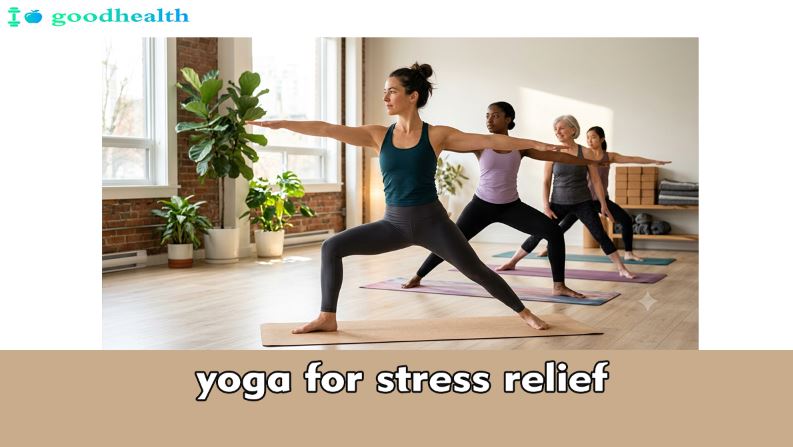
In our hyper-connected, fast-paced modern world, experiencing chronic tension has become an almost universal baseline for many adults. The demands of demanding careers, constant digital notifications, and complex personal responsibilities continuously trigger our natural fight-or-flight responses, leaving the nervous system in a state of perpetual overdrive. While acute stress is a biological necessity designed to protect us from immediate danger, chronic stress steadily erodes physical health, mental clarity, and emotional stability. Finding sustainable, effective methods to down-regulate the nervous system is no longer a luxury, but an absolute necessity for long-term well-being. Practicing yoga for stress relief has emerged as one of the most scientifically supported, holistic approaches to combating this modern epidemic, offering a sanctuary of calm through the integration of conscious movement, mindful breathing, and focused awareness.
Unlike conventional workouts that primarily focus on muscular endurance or cardiovascular output, yoga operates on a multidimensional level, addressing the physical, mental, and emotional manifestations of tension simultaneously. The practice does not simply offer a temporary distraction from daily worries; it actively rewires the brain’s response to external pressures. By engaging in specific postures and regulated breathing patterns, practitioners can essentially hack their own physiology, sending safety signals to the brain that override the stress response. This profound mind-body intervention provides a highly accessible, natural toolkit for individuals seeking to reclaim their internal equilibrium without relying entirely on external interventions.
Understanding the Connection Between Yoga and Mental Well-being
To truly appreciate the efficacy of this ancient practice, it is essential to understand the biological mechanisms at play within the human body. The autonomic nervous system is divided into two primary branches: the sympathetic nervous system, responsible for the fight-or-flight response, and the parasympathetic nervous system, which governs the rest-and-digest state. Chronic stress keeps the sympathetic branch continuously activated, flooding the body with cortisol and adrenaline. This hormonal cascade leads to elevated heart rates, shallow breathing, impaired digestion, and a constant feeling of being on edge. Yoga acts as a direct counterbalance to this state, intentionally stimulating the parasympathetic nervous system to bring the body back into a state of homeostasis.
Scientific research consistently demonstrates that regular yoga practice actively lowers resting cortisol levels and reduces the physiological markers of anxiety. When an individual steps onto the mat and begins to move synchronously with their breath, they stimulate the vagus nerve, a critical component of the parasympathetic nervous system that runs from the brainstem down to the abdomen. Vagal tone is directly linked to an individual’s ability to recover from stressful events. By enhancing vagal tone through sustained physical postures and deep, rhythmic breathing, yoga cultivates a resilient nervous system that is better equipped to handle the inevitable challenges of daily life without immediately resorting to panic or overwhelm.
Furthermore, the mind-body connection fostered through this practice fundamentally alters how individuals perceive and interact with their own psychological distress. Stress often manifests as a disconnection from the physical body, where individuals become entirely trapped in cyclical, anxious thought patterns. Yoga demands a high degree of somatic awareness, requiring the practitioner to anchor their attention on the physical sensations of a stretch or the rhythm of an inhalation. This deliberate redirection of focus interrupts the rumination loop, grounding the mind in the present moment and fostering a state of active meditation that clears mental clutter.
The Physical and Psychological Mechanics of Tension Release
One of the most immediate ways stress impacts the human body is through unconscious muscular contraction. When individuals feel threatened or overwhelmed, they instinctively armor themselves by tensing their shoulders, clenching their jaws, and tightening their hip flexors. Over time, this chronic muscular holding leads to physical pain, tension headaches, and restricted mobility. Yoga addresses this somatic holding pattern directly by physically lengthening and releasing the muscle groups most affected by stress. As the body physically lets go of stored tension, the mind registers this physiological release, creating a feedback loop that promotes profound mental relaxation.
Breathwork, formally known as Pranayama, is the engine that drives this transformative process. In a state of anxiety, breathing becomes rapid, shallow, and restricted to the upper chest, which further signals to the brain that danger is present. Yoga emphasizes deep diaphragmatic breathing, where the inhales expand the belly and the exhales are intentionally prolonged. Lengthening the exhalation is a powerful physiological trigger for relaxation, immediately slowing the heart rate and lowering blood pressure. By consciously controlling the breath during physical movement, practitioners learn how to self-regulate their internal state, a skill that translates directly to stressful situations outside of the studio environment.
Beyond the physical stretching and breath regulation, the psychological component of mindfulness cultivated on the mat is equally vital for stress management. Yoga teaches non-judgmental observation. When holding a challenging posture, a practitioner might notice physical discomfort or a mental urge to escape the pose. Instead of reacting impulsively, they are guided to simply observe these sensations and breathe through them. This practice of tolerating mild, controlled discomfort builds immense psychological resilience. It trains the brain to remain calm and centered amidst adversity, directly diminishing the reactive, emotionally volatile patterns typically triggered by high-stress environments.
Top Yoga Styles Designed for Relaxation and Healing
While all forms of yoga offer some degree of mental benefit, not all styles are equally suited for an overstimulated nervous system. High-intensity, heat-based, or fast-paced flow classes can sometimes mimic the physiological arousal of stress, potentially overwhelming an already exhausted individual. For the purpose of profound relaxation, slower, more methodical styles are significantly more effective.
Restorative Yoga for Deep Healing
Restorative yoga is the ultimate antidote to a frantic lifestyle, focusing entirely on deep physical and mental rest. In this style, practitioners use an abundance of props, such as bolsters, blankets, and blocks, to fully support the physical body in various postures. Because the body does not have to exert any muscular effort to hold the shape, the nervous system receives a clear, undeniable signal that it is entirely safe to power down.
Classes typically involve holding a very small number of poses for extended periods, sometimes up to ten or fifteen minutes per posture. This prolonged stillness allows the body to access deep layers of relaxation that are rarely achieved in waking life. It is particularly beneficial for individuals suffering from burnout, chronic fatigue, or severe anxiety, as it demands absolutely nothing of the practitioner other than their presence and breath, facilitating a profound physiological reset.
Yin Yoga for Releasing Fascia Tension
Yin yoga targets the deep connective tissues of the body, including the fascia, ligaments, and joints, rather than focusing on the superficial muscle groups. Poses are typically held for three to five minutes, primarily focusing on the lower half of the body where emotional tension is frequently stored, such as the hips, pelvis, and lower spine. The practice involves finding an appropriate edge of sensation, remaining still, and allowing time and gravity to open the body.
This style is deeply introspective and can be mentally challenging, as remaining still with physical sensation often brings suppressed emotions or restless thoughts to the surface. However, navigating this internal landscape through steady breathing builds incredible mental fortitude. Yin yoga releases the deeply embedded physiological grip of chronic stress, leaving practitioners with a profound sense of lightness, spaciousness, and emotional clarity once the session concludes.
Hatha Yoga for Gentle Movement
For those who find complete stillness too agitating for an anxious mind, traditional Hatha yoga offers a perfect middle ground. Hatha is a foundational style that focuses on basic postures, alignment, and mindful breathing at a slow, manageable pace. Unlike flowing styles where movement is continuous, Hatha requires holding poses for several breath cycles, allowing the practitioner to fully explore the physical alignment and energetic impact of each shape.
This gentle, deliberate pacing forces the mind to slow down and synchronize with the body. It provides enough physical engagement to distract a busy mind, but not so much exertion that it triggers an adrenaline response. Hatha builds a strong foundation of somatic awareness, gently stretching tight muscles and promoting circulation, making it an excellent daily maintenance practice for keeping baseline stress levels manageable.
Highly Effective Yoga Poses for Managing Daily Stress
Building a personal toolkit of specific postures allows individuals to address tension the moment it arises, without needing to commit to a full hour-long class. Certain shapes are inherently soothing to the human nervous system, utilizing forward folds to turn the senses inward, or mild inversions to regulate the cardiovascular system.
Child’s Pose (Balasana) for Grounding
Child’s pose is a fundamental resting posture that immediately invokes a sense of safety, comfort, and introversion. By kneeling, bowing forward, and resting the forehead on the floor or a block, the practitioner physically closes themselves off from external stimuli. The posture gently stretches the lower back, hips, and thighs, areas that frequently become rigid after long periods of sitting at a desk or carrying psychological burdens.
Resting the forehead on a solid surface gently stimulates the vagus nerve and soothes the frontal lobe of the brain. The physical compression of the abdomen against the thighs also encourages deep, expansive breathing into the back of the ribcage, releasing tension along the entire length of the spine. It is an ideal posture to drop into immediately after a stressful workday to transition from an active state to a receptive one.
Legs-Up-The-Wall (Viparita Karani) for Nervous System Regulation
Often described as an active relaxation pose, Legs-Up-The-Wall is an incredibly accessible inversion that yields immediate, profound benefits for stress reduction. By lying on the back and resting the legs vertically against a wall, gravity assists in returning venous blood from the lower extremities back to the heart. This action gently lowers the heart rate and signals the baroreceptors in the neck and chest to slow down the body’s cardiovascular output.
This posture provides immense relief for tired legs and a fatigued lower back while simultaneously quieting the mind. It is highly recommended to practice this pose for five to fifteen minutes before bed, especially for individuals who suffer from stress-induced insomnia. The subtle shift in circulation and the complete support of the floor allow the nervous system to gracefully transition into a state conducive to deep, restorative sleep.
Cat-Cow Stretch (Marjaryasana-Bitilasana) for Spinal Tension
Stress is frequently carried in the spine, manifesting as a stiff neck, tight shoulders, and lower back pain. The Cat-Cow sequence is a dynamic, synchronized movement that directly addresses this by mobilizing the entire vertebral column. Moving fluidly between an arched back on the inhalation and a rounded spine on the exhalation acts as a gentle massage for the spinal cord and the surrounding musculature.
Beyond physical mobility, this rhythmic movement pattern is highly effective at linking the mind and body. The simplicity of the motion requires focus, which helps to clear intrusive thoughts, while the physical articulation of the spine releases stagnant energy and tension. It serves as an excellent physical reset during the middle of a stressful day, requiring only a few minutes to restore a sense of physical fluidity and mental calm.
Corpse Pose (Savasana) for Ultimate Integration
While it appears to be nothing more than lying completely still on the floor, Corpse pose is universally considered both the most important and often the most challenging posture in the practice. It is the final resting pose of any yoga sequence, serving as the critical period where the body and mind integrate the physical and energetic shifts that occurred during the active practice.
In Savasana, the goal is conscious relaxation—remaining entirely awake and aware while allowing every single muscle to release its grip completely. For individuals accustomed to constant productivity, lying still without falling asleep or returning to anxious planning is a profound exercise in mental discipline. Mastering this pose trains the brain to recognize that rest is a productive, necessary state, fundamentally altering one’s relationship with downtime and recovery.
Building a Sustainable Stress-Busting Yoga Routine
The true benefits of a somatic practice are entirely dependent on consistency rather than the duration or intensity of single sessions. A massive misconception regarding yoga is that it requires a pristine, hour-long commitment in a specialized studio to be effective. In reality, engaging in ten to fifteen minutes of focused, intentional movement and breathing on a daily basis is significantly more effective for regulating a chronically stressed nervous system than a sporadic, exhaustive session once a week.
Creating a dedicated, calming environment in the home removes the friction and barriers to practice. This space does not need to be elaborate; it merely requires enough room to unroll a mat, free from immediate clutter and digital distractions. Dimming the lights, controlling the ambient temperature, and perhaps utilizing aromatherapy or calming background sounds can rapidly signal to the brain that it is time to transition away from the demands of the day.
Adaptability is also key to maintaining a sustainable routine. Stress fluctuates, and the practice should mold to meet the body’s daily requirements. On days when mental fatigue is high, a restorative practice focusing solely on breath and floor-based postures is entirely sufficient. On days when stress manifests as restless, jittery energy, a more active, movement-based session may be necessary to burn off excess adrenaline before settling into stillness. Listening to the body and providing exactly what it needs, rather than forcing a rigid routine, is the ultimate expression of the practice.
Combining Yoga with Other Mindfulness Practices
While utilizing yoga for stress relief is incredibly powerful on its own, its efficacy multiplies when integrated with complementary mindfulness habits. Meditation and yoga are essentially two sides of the same coin, with physical postures originally designed to prepare the body for extended periods of seated meditation. Incorporating just five minutes of seated mindfulness at the beginning or end of a physical practice deepens the neurological benefits, fortifying the brain’s ability to maintain focus and emotional regulation.
Journaling also pairs exceptionally well with somatic movement. Physical tension often masks unresolved emotional stress; as the body opens and releases during a yoga sequence, complex emotions or sudden insights frequently surface. Keeping a journal nearby to process these thoughts immediately after practicing allows individuals to clear mental blocks and articulate the root causes of their anxiety, transforming a purely physical experience into a profound psychological intervention.
Ultimately, the goal is to take the principles learned on the mat and apply them directly to daily life. The deep, diaphragmatic breath practiced in a challenging yoga pose is the exact same breath required to remain calm during a difficult workplace conversation or a frustrating commute. By treating the physical practice as a training ground for real-world resilience, individuals learn to utilize their own physiology as a shield against external chaos.
Embracing this holistic approach provides far more than just a temporary escape from daily pressures; it offers a comprehensive restructuring of how the body and mind process adversity. By consistently engaging in mindful movement, regulating the breath, and consciously shifting the nervous system from a state of panic to a state of peace, individuals can permanently alter their baseline stress levels. Developing a dedicated practice grants you the tools to release deep-seated physical tension, quiet mental turbulence, and build the enduring emotional resilience necessary to navigate modern life with genuine clarity and lasting internal calm.
Which type of yoga is best for reducing stress?
Restorative and Yin yoga are considered the most effective styles for deep relaxation and calming an overwhelmed nervous system.
How many times a week should I do yoga to feel less anxious?
Practicing for just 15 to 20 minutes three times a week is enough to noticeably lower your cortisol levels and improve your daily mood.
Can complete beginners do yoga for stress relief?
Absolutely, gentle postures like Child’s Pose and Legs-Up-The-Wall require zero flexibility and instantly help quiet a racing mind.
Does yoga actually work to stop the physical symptoms of stress?
Yes, the intentional breathing techniques used in yoga activate your parasympathetic nervous system to directly counteract your body’s fight-or-flight response.
What is the best time of day to practice yoga for mental health?
While a morning flow sets a calm tone for your day, doing a gentle routine right before bed is highly recommended to clear your head and improve sleep quality.
Please note
The content provided in this article is for educational and informational purposes only and should not be construed as medical, nutritional, or therapeutic advice. The recommendations provided may not be appropriate for everyone. The final decision regarding your health and lifestyle is yours, and we recommend that you consult with your doctor or other health professional before making any changes or taking any action.