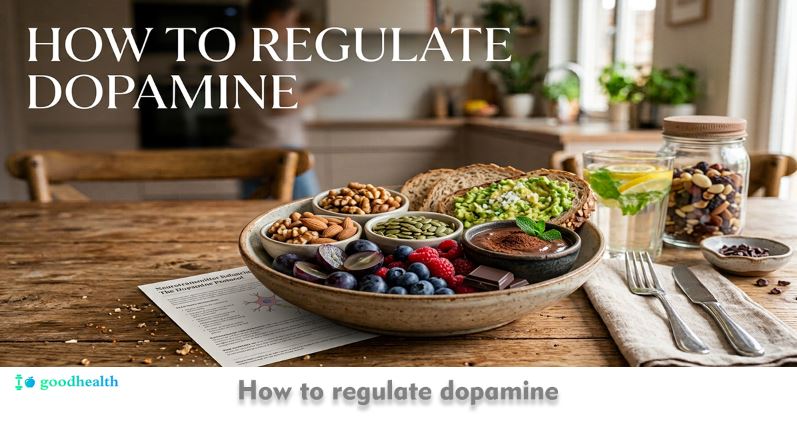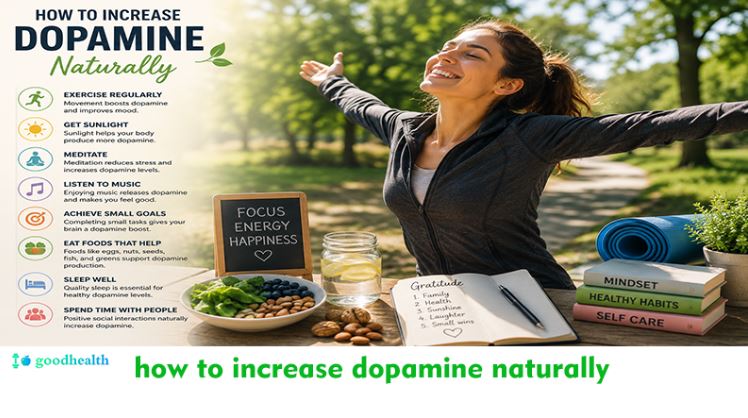
How to Regulate Dopamine (Includes PDF Book)

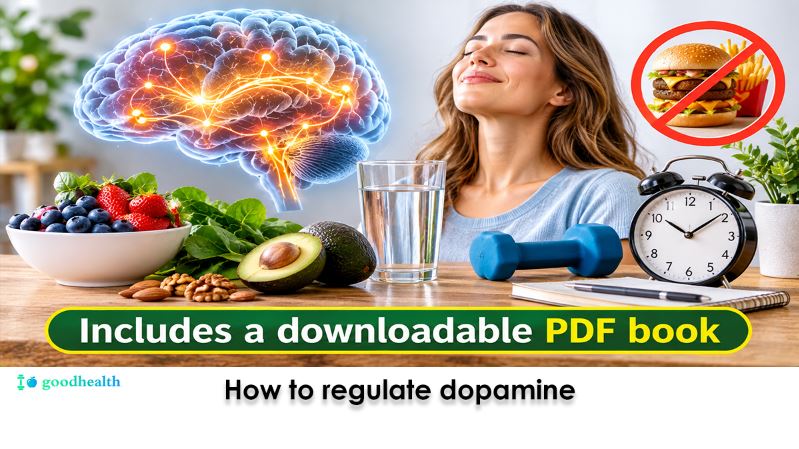
Dopamine plays an essential role in how the brain and body function. It influences motivation, attention, learning, movement, memory, emotional responses, and the way we experience rewards. When dopamine signaling is working effectively, it helps us stay motivated, pursue goals, learn from experiences, and respond to everyday challenges. However, dopamine is not simply a chemical that needs to be increased. Maintaining a healthy balance in the brain is much more important than trying to maximize dopamine levels.
Understanding how to regulate dopamine (Includes PDF Book) involves learning how the nervous system produces, releases, and responds to this important neurotransmitter. Sleep, physical activity, nutrition, stress management, daily routines, and certain medications can all influence dopamine-related processes. By adopting healthy habits and understanding the science behind dopamine, you can support normal brain function, improve your daily routine, and develop a healthier relationship with activities that provide pleasure and stimulation.
What Is Dopamine and Why Is It Important?
Dopamine is a neurotransmitter, a chemical messenger that allows nerve cells to communicate with one another. It is produced in several areas of the brain and has different functions depending on where it is released and which receptors receive its signals. Dopamine is involved in motivation, reward learning, attention, movement, memory, and several other physiological processes.
One of its most important functions is helping the brain recognize experiences that are valuable or rewarding. When you accomplish a goal, learn something interesting, enjoy a meal, or participate in an enjoyable activity, dopamine-related pathways help the brain process that experience. These signals can influence your motivation to repeat behaviors that have produced useful or rewarding outcomes.
Dopamine is also important for physical movement. Certain dopamine pathways help regulate the circuits responsible for coordinating muscle activity. Changes in these pathways are associated with neurological conditions such as Parkinson’s disease. This demonstrates why dopamine should not be understood simply as a pleasure chemical.
The Difference Between Dopamine Levels and Dopamine Regulation
When people discuss dopamine balance, they often imagine that the brain has one fixed dopamine level that can be raised or lowered through specific activities. In reality, dopamine signaling is much more complicated.
The brain regulates dopamine through several mechanisms, including its production, release, reuptake, metabolism, and receptor activity. Different brain regions can have different patterns of dopamine signaling, and the same amount of dopamine can produce different effects depending on the receptor and neural circuit involved.
Therefore, learning how to regulate dopamine does not mean constantly trying to increase or decrease it. It means supporting the biological and behavioral systems that help the brain function normally.
How to Regulate Dopamine (Includes PDF Book)
Get Enough Quality Sleep
Sleep is one of the most important lifestyle factors for maintaining healthy brain function. During sleep, the brain performs essential processes involved in memory consolidation, emotional regulation, attention, and neurological recovery.
Insufficient sleep can affect the brain’s reward and motivation systems. Research using brain imaging has found changes in dopamine receptor availability following sleep deprivation, which may contribute to reduced alertness and changes in behavior.
Maintaining a consistent sleep schedule can help support normal brain activity and emotional balance. Most adults need at least seven hours of sleep per night, although individual requirements vary.
Develop a relaxing bedtime routine, maintain a comfortable sleeping environment, and avoid excessive caffeine late in the day. Limiting stimulating activities before bedtime can also make it easier to fall asleep.
Healthy sleep is not a guaranteed way to increase dopamine levels, but it supports the conditions necessary for normal dopamine signaling and overall neurological health.
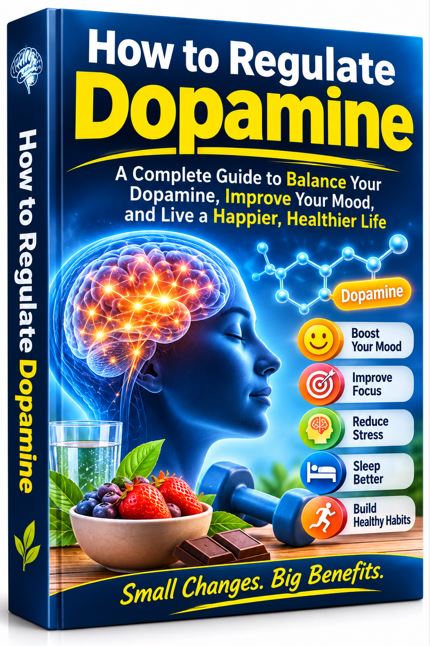
By purchasing the PDF book: How to Regulate Dopamine
you can achieve significantly better and more professional results.
This book contains numerous practical methods to help you restore your brain’s dopamine levels to an optimal state; it is highly recommended for anyone seeking to improve their overall health and well-being.
Exercise Regularly to Support Dopamine Function
Physical activity is another important part of a healthy lifestyle that may influence dopamine-related brain processes. Exercise affects several neurotransmitter systems, including dopamine, and can contribute to improved mood, attention, motivation, and cognitive performance.
Researchers have investigated the relationship between physical activity and the human dopaminergic system. A 2024 review published in Trends in Molecular Medicine examined evidence connecting exercise-related changes in dopamine function with cognitive performance. Although the underlying mechanisms are complex and further research is needed, physical activity appears to influence dopamine-related processes in the human brain.
You do not need an extremely demanding workout to benefit from regular movement. Walking, cycling, swimming, dancing, and resistance training are practical activities that can become part of your everyday routine.
Combine Cardio and Strength Training
Aerobic exercise supports cardiovascular fitness and provides a structured way to remain physically active. Activities such as brisk walking, running, cycling, and swimming can be useful options.
Strength training also contributes to overall physical and mental well-being. Weightlifting, bodyweight exercises, and resistance-band workouts require concentration, coordination, and consistent effort.
Combining different forms of exercise can make your routine more enjoyable and sustainable. The most important factor is consistency rather than trying to achieve an immediate change in brain chemistry.
Eat a Balanced Diet That Supports Brain Health
Nutrition provides the building blocks the body needs to produce neurotransmitters and maintain normal nervous-system function. Dopamine is produced through biochemical processes that use the amino acid tyrosine as a precursor.
Tyrosine can be obtained from protein-rich foods such as eggs, dairy products, poultry, fish, beans, lentils, nuts, and seeds. A varied diet containing these foods provides amino acids and other nutrients needed for normal physiological processes.
However, eating more tyrosine does not automatically increase dopamine to a higher or healthier level. Dopamine production is carefully regulated by the nervous system, and there is limited evidence that particular foods directly improve dopamine activity in healthy people.
Include Protein-Rich Foods
Protein provides amino acids that are used to produce neurotransmitters and maintain tissues throughout the body.
Foods such as eggs, chicken, fish, yogurt, beans, lentils, tofu, almonds, and pumpkin seeds can contribute to adequate protein intake.
Including protein in regular meals can help provide consistent nourishment and support an overall balanced diet.
Eat Fruits and Vegetables
Fruits and vegetables provide vitamins, minerals, fiber, and naturally occurring plant compounds that support general health.
Berries, bananas, oranges, leafy greens, broccoli, tomatoes, and avocados can all contribute to a nutrient-rich eating pattern.
The objective is not to find one special dopamine-boosting food. Instead, focus on dietary variety and sufficient intake of essential nutrients.
Include Healthy Fats
Healthy fats are important for normal brain function and the structure of cell membranes. Omega-3 fatty acids, particularly DHA, are important components of brain tissue.
Fatty fish such as salmon, sardines, and mackerel provide omega-3 fats. Walnuts, chia seeds, and flaxseeds provide plant-based alpha-linolenic acid.
Including these foods in your diet can support overall brain health, although they should not be considered direct dopamine regulators.
Manage Stress Effectively
Stress can influence several systems involved in brain function, including reward processing, motivation, sleep, and emotional regulation.
When you experience prolonged stress, it may become harder to concentrate, maintain healthy routines, and feel motivated to complete everyday activities. Stress can also encourage behaviors that provide immediate relief but create problems over time, such as excessive scrolling, emotional eating, or unhealthy substance use.
Developing practical stress-management habits can support your overall mental well-being.
Meditation, deep breathing, walking, journaling, spending time in nature, and maintaining supportive relationships are useful ways to manage everyday stress.
Practice Mindfulness Meditation
Mindfulness involves paying attention to the present moment rather than becoming completely absorbed in worries about the past or future.
You can practice mindfulness by concentrating on your breathing, observing your surroundings, or taking a few quiet minutes during the day.
Regular meditation may support attention and stress management. However, it should not be viewed as a scientifically established method for directly correcting dopamine levels.
Maintain a Healthy Work-Life Balance
Constantly working without sufficient recovery can contribute to mental exhaustion and reduced motivation.
Create time for work, exercise, relationships, relaxation, and activities you genuinely enjoy. A sustainable routine can help protect your mental energy and encourage healthier behavior.
Manage Excessive Stimulation and Compulsive Habits
Modern environments provide almost unlimited access to highly stimulating activities. Social media, video games, online shopping, gambling, and constant digital notifications can encourage repetitive reward-seeking behaviors.
Dopamine participates in the learning processes that connect environmental cues with rewarding experiences. For example, receiving a notification may encourage you to check your phone because your brain has learned to associate notifications with interesting or rewarding information.
The problem is not that these activities simply release too much dopamine. Rather, certain patterns of behavior can become difficult to control when they repeatedly interfere with important responsibilities, relationships, sleep, or personal goals.
Reduce Unnecessary Social Media Use
Excessive social media consumption can interrupt concentration and make it difficult to remain engaged in less stimulating activities.
Try turning off unnecessary notifications, limiting automatic scrolling, and establishing specific periods for checking your accounts.
You can also keep your phone away from your workspace during demanding tasks. These changes help modify the environmental triggers that encourage repetitive checking.
Replace Unhealthy Habits With Meaningful Activities
Simply removing an unwanted behavior may not be enough. It is often more effective to replace it with activities that provide enjoyment, achievement, or connection.
For example, replace some scrolling time with reading, exercise, learning a new skill, cooking, or spending time with friends.
The goal is not to eliminate pleasure from your life. It is to develop a healthier balance between immediate rewards and activities that provide longer-term satisfaction.
Understand the Truth About Dopamine Detox
The term dopamine detox has become popular on social media. It usually describes temporarily avoiding highly stimulating activities such as social media, gaming, junk food, and online entertainment.
However, a dopamine detox does not literally remove dopamine from your brain or reset your dopamine receptors. Dopamine is necessary for normal movement, learning, motivation, sleep, and other essential functions.
Harvard Health Publishing and Cleveland Clinic both emphasize that the popular idea of detoxifying the brain from dopamine is scientifically inaccurate.
That does not mean reducing excessive stimulation is useless. Taking breaks from social media, limiting compulsive entertainment, and creating periods without digital distractions can help improve your daily routine.
A more accurate approach is to think of this process as changing habits and improving self-control rather than detoxifying a neurotransmitter.
Spend Time on Activities That Provide Natural Rewards
Healthy and enjoyable activities can help support positive emotional experiences and the brain’s normal reward processes.
You do not need expensive entertainment or complicated routines to experience rewarding activities. Simple experiences such as exercising, listening to music, learning something new, preparing a meal, spending time outdoors, and connecting with other people can contribute to enjoyment and satisfaction.
Working toward meaningful goals can also create a sense of achievement. When you make progress on a project or develop a new ability, you receive opportunities to learn, improve, and recognize your accomplishments.
Set Small and Achievable Goals
Large goals can sometimes feel overwhelming, especially when the desired outcome is far away.
Breaking a goal into smaller steps makes progress easier to recognize. For example, instead of deciding to master an entire subject immediately, dedicate a short period each day to learning one specific concept.
This approach encourages consistent effort and creates opportunities to experience achievement along the way.
Develop New Skills
Learning a new skill requires concentration, repetition, and adaptation. Activities such as writing, photography, drawing, cooking, playing an instrument, and learning a language can provide meaningful mental stimulation.
The key is to choose something that interests you while offering enough difficulty to encourage improvement.
Maintain Healthy Social Connections
Social interaction is an important part of emotional and psychological well-being. Positive relationships can provide encouragement, enjoyment, communication, and a sense of belonging.
Spending quality time with friends and family, participating in group activities, and developing supportive relationships can contribute to a healthier lifestyle.
Human connection also provides opportunities for meaningful experiences beyond digital entertainment.
You do not need to constantly socialize to maintain healthy relationships. Even a few meaningful interactions throughout the week can be valuable.
Avoid Alcohol and Recreational Drugs
Alcohol and recreational drugs can affect dopamine-related reward systems and other neurotransmitter pathways. Some substances produce powerful effects on the brain’s reward circuits, which can reinforce repeated use and contribute to dependence.
Repeated exposure to addictive substances can change how the brain responds to rewards, motivation, and environmental triggers.
If you want to support healthy dopamine function, avoiding recreational drugs and limiting or avoiding alcohol are important considerations.
Nicotine can also strongly influence dopamine-related reward pathways and contribute to dependence. Quitting smoking or other nicotine products can improve overall health, even though the process may initially involve withdrawal symptoms.
People experiencing difficulties with alcohol, nicotine, or other substances can benefit from professional support rather than relying exclusively on willpower.
Be Careful With Dopamine-Boosting Supplements
Many products are marketed as natural dopamine boosters. These may include tyrosine supplements, herbal products, amino acids, and combinations of vitamins and minerals.
Although some nutrients participate in dopamine production, supplementing with large amounts does not necessarily improve dopamine signaling. Research on the effects of dietary supplements on neurotransmitters in healthy people remains limited.
Taking supplements without understanding your nutritional needs may also create unnecessary risks, especially when products interact with prescription medication.
Before using supplements marketed for motivation, mood, or dopamine support, consult a healthcare professional, particularly if you take medication or have an existing medical condition.
A nutritious diet and consistent lifestyle habits are generally more appropriate starting points.
Understand When Dopamine Problems Require Medical Treatment
Changes in dopamine signaling are associated with several neurological and psychiatric conditions. Parkinson’s disease, for example, involves the loss of dopamine-producing neurons in specific brain regions and can cause movement difficulties.
Dopamine systems are also involved in conditions such as ADHD, schizophrenia, and certain mood disorders. However, these conditions cannot be diagnosed simply by looking at someone’s motivation, productivity, attention, or enjoyment of everyday activities.
Low dopamine is not a general diagnosis that explains every experience of tiredness, procrastination, boredom, or low mood. These symptoms can have numerous possible causes, including sleep disorders, nutritional deficiencies, depression, chronic stress, and other medical conditions.
Medical treatments can affect dopamine signaling in different ways. Some medications increase dopamine availability, while others influence dopamine receptors or related neurotransmitter systems.
Never start, stop, or change prescribed medication in an attempt to regulate dopamine yourself. If you experience persistent loss of motivation, significant changes in mood, compulsive behaviors, tremors, or unusual movement difficulties, seek professional medical assessment.
Build a Daily Routine to Support Healthy Dopamine Regulation
Healthy dopamine regulation is not achieved through one activity or a special daily schedule. It is supported by a combination of habits that contribute to normal brain function and emotional well-being.
Begin your morning with sufficient sleep behind you, a nutritious breakfast, and some natural daylight. Include physical movement during the day and make time for activities that challenge your mind.
Eat balanced meals containing protein, vegetables, fruits, whole grains, and healthy fats. Reduce unnecessary digital distractions and give yourself periods of uninterrupted concentration.
In the evening, spend time relaxing, maintain meaningful social connections, and avoid excessive caffeine or stimulating activities that interfere with sleep.
The most effective routine is one that you can follow consistently without extreme restrictions or unrealistic expectations.
Conclusion
Understanding how to regulate dopamine(Includes PDF Book) requires recognizing that dopamine is a complex neurotransmitter involved in motivation, reward processing, learning, attention, movement, and emotional responses. Maintaining healthy dopamine function is not about constantly increasing its levels or attempting to eliminate stimulating experiences. It is about supporting the biological systems and everyday behaviors that contribute to normal brain activity.
Quality sleep, regular exercise, balanced nutrition, stress management, meaningful relationships, and healthy reward-seeking habits can all contribute to overall neurological well-being. Reducing compulsive digital behaviors and replacing unhelpful routines with purposeful activities can also improve your ability to manage attention, motivation, and daily responsibilities.
Ultimately, learning how to regulate dopamine means adopting a sustainable lifestyle rather than searching for quick fixes, extreme dopamine detoxes, or unproven supplements. By developing healthy habits, understanding the limits of popular dopamine advice, and seeking medical guidance when necessary, you can support your brain’s natural regulatory systems and build a healthier relationship with motivation, pleasure, and everyday life.
please note
The content provided in this article is for educational and informational purposes only and should not be construed as medical, nutritional, psychological, or therapeutic advice. The advice provided may not be appropriate for everyone. The final decision regarding your health and lifestyle is yours, and we recommend that you consult with your doctor, counselor, or other health professional before making any changes or taking any action.
By purchasing the PDF book: How to Regulate Dopamine
you can achieve significantly better and more professional results.
This book contains numerous practical methods to help you restore your brain’s dopamine levels to an optimal state; it is highly recommended for anyone seeking to improve their overall health and well-being.