The best foods for weight loss


Integrating specific whole foods into daily nutrition targets the root physiological mechanisms behind fat storage and hunger. Certain foods require more energy for the body to digest, while others trigger the release of satiety hormones that signal fullness to the brain long after a meal has ended. By prioritizing these nutrient-rich ingredients, individuals can create a natural caloric deficit without feeling deprived, hungry, or sluggish throughout the day.
Lean Proteins for Satiety and Metabolic Enhancement
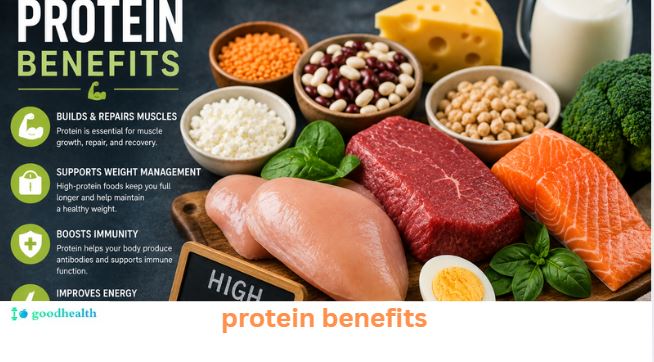
Protein stands out as the single most critical macronutrient for successful weight loss. When consumed, protein exerts a remarkably high thermic effect, meaning the body expends a significant amount of energy simply digesting, metabolizing, and processing the nutrient. Furthermore, protein plays a direct role in regulating hunger hormones by reducing levels of ghrelin, the hormone responsible for stimulating appetite, while simultaneously boosting peptide YY and GLP-1, hormones that promote feelings of fullness. Incorporating lean protein sources into every meal helps preserve vital lean muscle mass during weight loss, ensuring that the body burns fat rather than muscle tissue for energy.
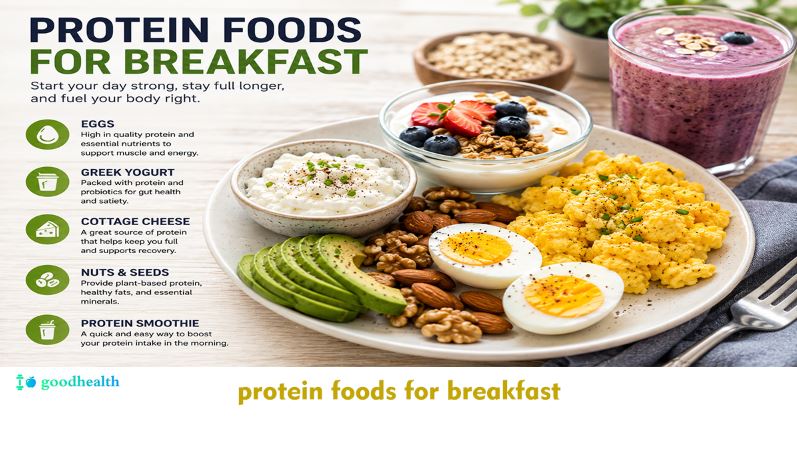
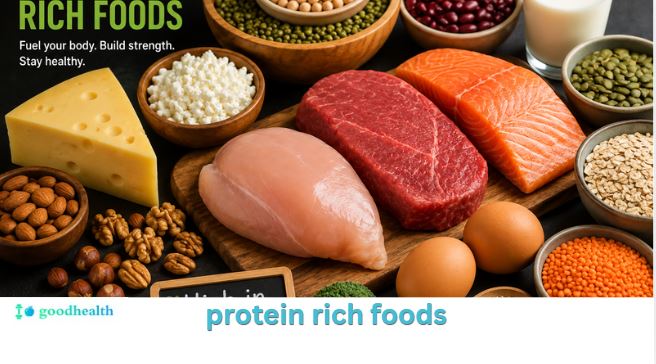
Poultry, white fish, lean cuts of beef, and plant-based protein options such as lentils and beans serve as exceptional foundations for a fat-loss diet. For example, starting the morning with eggs or Greek yogurt provides a steady stream of amino acids that stabilize blood glucose levels and prevent mid-morning energy crashes. Maintaining a consistent protein intake throughout the day minimizes spontaneous snacking and keeps metabolic rates elevated even during periods of reduced caloric intake.
The best foods for weight loss
Preserving Muscle Mass During Caloric Deficits
When individuals reduce their overall caloric intake to lose weight, the body occasionally breaks down muscle tissue alongside fat stores to meet its energy demands. This loss of muscle is counterproductive because muscle tissue is metabolically active, meaning it burns more calories at rest than fat tissue does. Consuming adequate high-quality protein supplies the essential building blocks necessary to protect and maintain muscle tissue while the body is in a caloric deficit.
In addition to protecting metabolic rate, maintaining muscle tissue ensures that weight loss translates into a toned, strong physique rather than generalized weakness. Pairing lean protein sources with resistance training amplifies this protective effect, signaling the body to retain functional muscle while mobilizing stored adipose tissue for fuel.
Shop new arrivals
-
Emotional Advantage
Original price was: €12.90.€8.90Current price is: €8.90. -
Healthy Life Blueprint
Original price was: €24.90.€15.90Current price is: €15.90. -
How to break negative habits
Original price was: €12.90.€6.90Current price is: €6.90. -
How to have continuity
Original price was: €15.90.€8.90Current price is: €8.90. -
Living with Purpose
Original price was: €14.90.€9.90Current price is: €9.90.




High-Fiber Vegetables and Satiety Mechanics
Fiber is an indispensable component of any effective weight-loss plan, yet many individuals consume far less than the recommended daily amount. Soluble fiber dissolves in water to form a gel-like substance in the digestive tract, which slows down stomach emptying and delays the absorption of nutrients. This delayed digestion prolongs the sensation of fullness, keeping hunger pangs at bay for hours after eating. Insoluble fiber, on the other hand, adds physical bulk to meals, promoting healthy digestive motility and preventing sluggishness.
Cruciferous vegetables such as broccoli, cauliflower, Brussels sprouts, and leafy greens like spinach and kale deliver massive volumes of fiber and micronutrients while contributing very few calories. A large portion of these vegetables physically stretches the stomach walls, triggering mechanoreceptors that send satiety signals directly to the brain. This allows individuals to eat satisfying, visually abundant portions without consuming an excessive number of calories.
Regulating Blood Sugar and Preventing Fat Storage
Rapid spikes in blood glucose followed by sharp crashes often trigger intense cravings for sugary, high-carbohydrate foods. High-fiber vegetables mitigate this cycle by blunting the absorption of glucose into the bloodstream. When blood sugar remains stable, the pancreas secretes lower levels of insulin, the primary hormone responsible for driving fat storage into adipose tissue.
By smoothing out glycemic responses, fiber-rich vegetables help the body transition into a fat-burning state more frequently. This metabolic stability prevents the roller coaster of fatigue and hunger that frequently derails weight-loss efforts, making it significantly easier to maintain dietary consistency over the long term.
Nutrient-Dense Whole Fruits and Natural Sweetness
Eliminating entire food groups, such as fruit, is an unnecessary and often counterproductive strategy for weight loss. While fruits contain natural sugars, they are packaged alongside abundant water, dietary fiber, and powerful antioxidants that fundamentally change how the body processes those sugars. The fiber matrix in whole fruits slows down fructose absorption, preventing the hepatic overload that occurs when consuming processed sweets and high-fructose corn syrup.
Berries, apples, pears, and citrus fruits are particularly advantageous for individuals seeking to manage their weight. Raspberries and blackberries, for instance, boast exceptionally high fiber-to-carbohydrate ratios, satisfying sweet cravings while delivering a robust dose of vitamins and phytonutrients. Incorporating these fruits into breakfasts, salads, or post-workout snacks provides a satisfying alternative to processed desserts without derailing daily nutritional goals.
Hydration and Volume Advantages of Fresh Fruit
Many fresh fruits possess a high water content, which further enhances their ability to promote satiety with minimal caloric impact. Water-rich foods increase the overall volume of a meal without adding dense energy units. This phenomenon, known as dietary volumetric control, allows individuals to feel physically satisfied and nourished while maintaining a controlled caloric intake.
Furthermore, the vitamins and minerals found in fresh fruit support optimal cellular function and immune defense, which are essential during periods of increased physical activity. Sustaining high micronutrient levels ensures that metabolic pathways operate efficiently, preventing the fatigue and sluggishness that often accompany dietary changes.
Whole Grains and Sustained Energy Release
Refined grains, such as white bread, white rice, and commercial pastries, have been stripped of their fiber-rich outer bran and germ layers, leaving behind rapidly digested starches that spike blood sugar. In contrast, whole grains retain all parts of the grain kernel, providing a complex matrix of fiber, B vitamins, and slow-burning carbohydrates. Grains like oats, quinoa, brown rice, barley, and farro digest slowly, providing a sustained release of glucose into the bloodstream to fuel daily activities and cognitive function.
Maintaining stable energy levels through whole grains prevents the sudden drops in stamina that frequently lead to emotional eating or reliance on caffeinated, sugary energy drinks. Starting the day with a warm bowl of steel-cut oats topped with berries and seeds delivers a balanced ratio of complex carbohydrates, fiber, and healthy fats that sustains focus and physical endurance through the morning hours.
Supporting Gut Microbiome Diversity for Weight Control
Emerging nutritional science highlights a powerful link between gut microbiome composition and metabolic regulation. The prebiotic fibers found in whole grains serve as nutrition for beneficial bacteria residing in the human gastrointestinal tract. A diverse, thriving gut microbiome produces short-chain fatty acids that influence fat oxidation, reduce systemic inflammation, and enhance metabolic efficiency.
When the gut microbiota is well-nourished with whole-plant fibers, it communicates effectively with the central nervous system to regulate appetite and energy expenditure. Incorporating unrefined grains into a regular meal rotation directly fosters this beneficial microbial environment, providing a biological advantage for long-term weight management.
Healthy Fats for Hormonal Balance and Satiety
For decades, conventional dieting advice mistakenly branded all dietary fats as enemies of weight loss. Modern research has thoroughly dismantled this myth, demonstrating that healthy unsaturated fats are vital for metabolic health, cellular integrity, and hormonal balance. Hormones such as leptin and ghrelin, which dictate hunger and fullness, rely on adequate lipid intake to function correctly. Without sufficient healthy fats in the diet, individuals frequently experience unrelenting cravings and hormonal disruptions.
Avocados, extra virgin olive oil, raw nuts, seeds, and fatty fish like salmon provide concentrated sources of monounsaturated and omega-3 fatty acids. These healthy fats slow gastric emptying, signaling the digestive tract to release satiety hormones that linger long after a meal is finished. Adding a quarter of an avocado or a drizzle of olive oil to a vegetable salad not only enhances flavor and nutrient absorption but also transforms a light meal into a deeply satisfying experience.
Optimizing Fat-Soluble Vitamin Absorption
Certain essential micronutrients, including vitamins A, D, E, and K, are fat-soluble, meaning the body cannot absorb them efficiently in the absence of dietary fat. When individuals consume nutrient-dense vegetables without any fat, they miss out on absorbing a significant portion of these protective compounds.
Pairing fibrous, vitamin-rich vegetables with healthy fats ensures maximum bioavailability of vital nutrients. This synergy supports overall physiological vitality, keeping metabolic machinery running smoothly and reinforcing the body’s natural capacity to maintain a healthy weight over time.
Strategic Dietary Integration and Long-Term Success
Achieving and maintaining a healthy body weight requires a permanent shift towards nutrient-dense, whole-food choices rather than temporary restriction. By focusing meals around lean proteins, high-fiber vegetables, whole fruits, complex grains, and healthy fats, individuals create an internal physiological environment optimized for fat loss and metabolic efficiency. Sustainable weight management is achieved when nutrition supports natural biological signals, transforming healthy eating into a seamless, lifelong habit.
Which high-protein foods are best for burning fat and staying full longer?
Lean proteins like eggs, chicken breast, Greek yogurt, and fish boost metabolism while keeping you full to prevent overeating.
Can you eat carbs like oatmeal and potatoes and still lose weight?
Yes, complex carbohydrates high in fiber, like oats and sweet potatoes, stabilize blood sugar and support sustainable weight loss.
How do healthy fats like avocados and nuts actually help with weight loss?
Healthy fats slow digestion and trigger satiety hormones, reducing total calorie intake when eaten in controlled portions.
What are the best low-calorie foods to eat when you feel hungry between meals?
Water-rich foods like berries, leafy greens, celery, and air-popped popcorn provide volume and satisfy cravings with minimal calories.
Is it better to focus on specific weight loss superfoods or overall calorie deficit?
While nutrient-dense foods make managing hunger easier, weight loss ultimately depends on consistently maintaining a calorie deficit.
please note
The content provided in this article is for educational and informational purposes only and should not be construed as medical, nutritional, psychological, or therapeutic advice. The advice provided may not be appropriate for everyone. The final decision regarding your health and lifestyle is yours, and we recommend that you consult with your doctor, counselor, or other health professional before making any changes or taking any action.
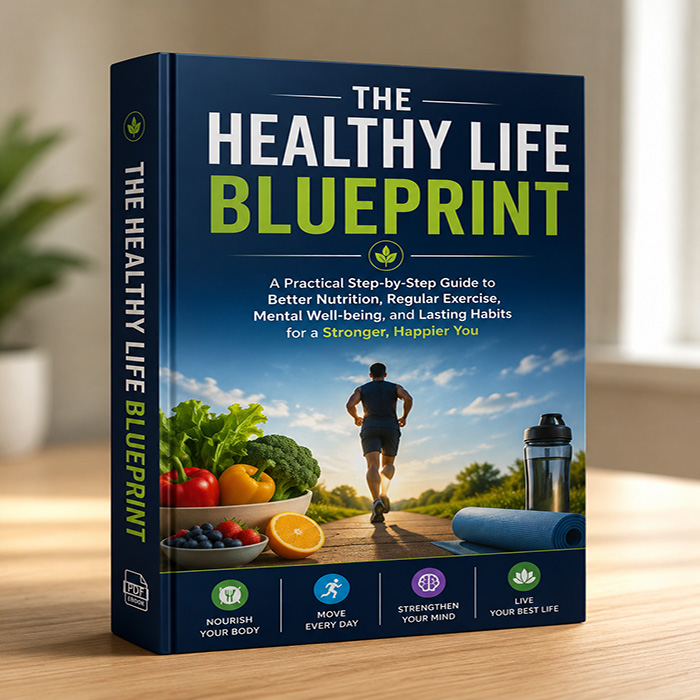
Healthy Life Blueprint
The Healthy Life Blueprint PDF: Your Complete Guide to Sustainable Wellness
Healthy Life Blueprint pdf book
Transform your daily routine and unlock your full potential with The Healthy Life Blueprint PDF, a comprehensive digital guide expertly designed to help you build better, long-lasting habits. Instead of relying on exhausting workout regimes or unsustainable crash diets, this premium wellness book provides a realistic, step-by-step roadmap to genuinely improving your overall health. Whether you are actively looking to increase your daily energy and productivity or simply want to feel more grounded, this essential guide offers actionable advice that seamlessly integrates into your busy modern lifestyle.
Taking complete control of your physical well-being has never been more straightforward or rewarding. Within these pages, you will discover proven strategies to improve your nutrition without restrictive dieting, allowing you to enjoy the foods you love while properly nourishing your body. The guide also walks you through how to create a completely customised and enjoyable fitness routine that fits your unique schedule, ensuring that staying active never feels like a chore. Furthermore, by implementing targeted techniques to optimise your evenings, you will learn exactly how to sleep better and wake up revitalised, setting an incredibly positive tone for the day ahead.
Healthy Life Blueprint pdf book
True health goes far beyond just physical fitness; it requires a strong, solid foundation of mental clarity and emotional resilience. This transformative digital book equips you with powerful, everyday tools to reduce stress and strengthen your mental well-being, helping you navigate life’s daily challenges with confidence and ease. Ultimately, you will be empowered to develop a perfectly balanced lifestyle you can maintain for life, ensuring that your personal journey to self-improvement is both highly sustainable and deeply rewarding.
| Specification | Details |
| Product Type | Comprehensive Wellness & Lifestyle Guide |
| Format | PDF – 465 pages -16 chapters |
| Core Focus Areas | Habit Building, Nutrition, Fitness, and Sleep |
| Delivery Method | Instant Digital Access |
| Primary Benefit | Sustainable health improvement without extreme restrictions |
| Language | English |
| Compatibility | Readable on all smartphones, tablets, and computers |