How to Stay Energetic Until the End of the Night


Staying energetic until the end of the night can be challenging, especially after a long day of work, study, exercise, or daily responsibilities. As the hours pass, mental and physical fatigue can naturally increase. However, healthy habits involving sleep, nutrition, hydration, movement, stress management, and smart scheduling can help you maintain better energy throughout the evening.
Learning how to stay energetic until the end of the night does not mean forcing your body to remain awake when it needs rest. Instead, it means managing your energy wisely during the day so you can remain alert and productive during the evening without unnecessarily damaging your sleep schedule.
Start the Day With Enough Sleep
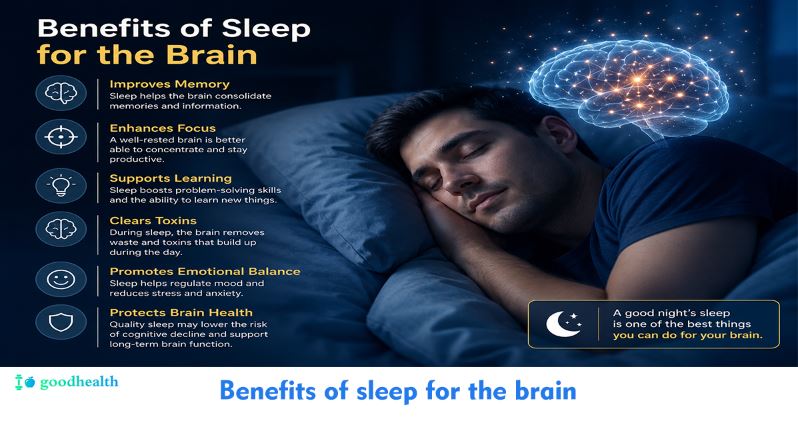
The foundation of evening energy begins the night before. If you regularly sleep too little, it becomes much harder to stay alert until late in the day.
Most adults need around seven or more hours of sleep per night, although individual needs vary. Maintaining a consistent sleep schedule can also help your body establish a more predictable rhythm.
If you want to learn how to stay energetic until the end of the night, start by protecting your sleep rather than trying to compensate for insufficient rest with caffeine or other stimulants.
Eat a Balanced Breakfast
Your first meals of the day can influence how you feel later. A balanced breakfast can provide nutrients and energy to support your daily activities.
Consider combining protein-rich foods with whole grains, fruits, vegetables, or healthy fats. Examples include eggs with whole-grain bread, yogurt with fruit and nuts, or oatmeal with seeds and fruit.
Avoid making your breakfast primarily sugary foods, as a meal containing more balanced sources of nutrients may help you maintain steadier energy.
Eat a Nutritious Lunch
Lunch is another important opportunity to support your energy levels. A very large or heavily processed meal can sometimes leave you feeling sluggish afterward.
Choose a balanced meal containing vegetables, a protein source, whole grains or other complex carbohydrates, and a moderate amount of healthy fat.
Eating enough nutritious food during the day can help prevent extreme hunger and energy dips later in the evening.
Stay Hydrated Throughout the Day
Dehydration can contribute to feelings of tiredness and difficulty concentrating. Drinking water regularly throughout the day is therefore an important part of maintaining energy.
Instead of waiting until you feel extremely thirsty, make hydration a regular part of your routine. Keep water nearby while working, studying, exercising, or traveling.
Your fluid requirements can vary depending on factors such as physical activity, temperature, and individual circumstances.
Choose Smart Snacks
A nutritious afternoon snack can help you avoid arriving at the evening feeling exhausted and extremely hungry.
Good options can include fruit with nuts, yogurt, whole-grain foods, vegetables with a healthy dip, or another combination of protein, fiber, and carbohydrates.
The goal is not to constantly eat throughout the day but to choose foods that provide useful nutrition when you genuinely need them.
Take a Short Afternoon Break
Mental fatigue can accumulate after several hours of continuous work. Taking a short break can help you reset your attention.
Step away from your desk, stretch, walk around, get some fresh air, or simply give your mind a few minutes without demanding tasks.
Short breaks can help you preserve your mental energy for the evening rather than using all of your concentration early in the day.
Move Your Body During the Day
Regular physical activity can support overall energy and reduce the sluggish feeling associated with sitting for long periods.
You do not necessarily need a long workout. Walking, stretching, climbing stairs, or taking short movement breaks can add useful activity to your day.
If you exercise regularly, choose a schedule that supports your energy rather than consistently exhausting yourself.
Get Natural Light
Exposure to natural light during the day helps regulate your body’s internal clock. Spending time outdoors, particularly earlier in the day, can support healthy sleep-wake rhythms.
Try taking a morning walk or spending part of your lunch break outside.
Healthy exposure to daylight during the day can contribute to feeling more naturally alert while helping your body prepare for sleep later.
Use Caffeine Carefully
Caffeine can temporarily increase alertness, but timing matters. Consuming caffeine too late in the day may interfere with your ability to fall asleep or obtain quality sleep.
If you need caffeine, use it strategically and pay attention to your personal response. Avoid relying on increasingly large amounts of coffee or energy drinks to overcome chronic tiredness.
If your goal is how to stay energetic until the end of the night, protecting your next night’s sleep is just as important as staying alert tonight.
Avoid Heavy Meals Late in the Evening
A very large or heavy meal close to bedtime may leave you feeling uncomfortable and can interfere with sleep for some people.
If you need an evening meal, choose a balanced portion that provides adequate nutrition without making you feel excessively full.
If you plan to stay awake for several more hours, a moderate meal may be more comfortable than consuming a very large amount of food at once.
Manage Your Energy, Not Just Your Time
Time management is useful, but energy management can be equally important. Not every hour of the day produces the same level of concentration.
If possible, schedule demanding mental tasks during periods when you naturally feel most alert. Save less demanding activities for times when your energy begins to decline.
This approach can help you accomplish important work without exhausting yourself too early.
Use Short Movement Breaks in the Evening
If you start feeling tired in the evening, sitting continuously may make the problem worse. A short walk or stretching session can provide a change of environment and help you feel more alert.
Even five or ten minutes of movement can break up long periods of sitting.
However, avoid turning every energy dip into intense exercise. The purpose is to refresh your body rather than create additional fatigue.
Keep Your Environment Bright and Comfortable
Your surroundings can influence how alert you feel. A dark, warm, and extremely comfortable environment can make it easier to become sleepy.
If you need to remain productive during the evening, use sufficient lighting and maintain a comfortable temperature.
At the same time, when you are ready to sleep, gradually transition to a calmer and darker environment to help signal that it is time to rest.
Stay Mentally Engaged
Monotonous activities can make tiredness feel stronger. If you need to stay focused during the evening, alternate between different types of tasks when possible.
For example, you could move from reading to writing, from computer work to organizing, or from a sedentary task to a short walk.
Changing activities can provide mental variety and help prevent boredom-related sleepiness.
Reduce Stress and Mental Overload
Stress can consume significant mental energy. If you spend the entire day worrying about unfinished tasks, personal responsibilities, or future problems, you may reach the evening mentally exhausted.
Use simple stress-management techniques such as slow breathing, journaling, organizing tomorrow’s priorities, or taking a short relaxing walk.
Reducing unnecessary mental pressure can help you preserve energy for the activities that matter most.
Avoid Excessive Alcohol
Alcohol may make some people feel relaxed or sleepy initially, but it can negatively affect sleep quality. If you need to stay energetic throughout the evening and still want to feel rested the following day, limiting alcohol can be an important consideration.
Choosing water or another non-alcoholic drink can also help you maintain hydration.
Know When Your Body Needs Sleep
There is an important difference between managing your energy and ignoring fatigue. If you are consistently struggling to stay awake, your body may be signaling that it needs rest.
Do not make a habit of regularly sacrificing sleep just to remain productive late into the night.
If persistent tiredness occurs despite getting adequate sleep, or if fatigue is severe or unexplained, consider discussing it with a qualified healthcare professional.
Create a Sustainable Evening Routine
A sustainable evening routine should balance productivity with recovery. Decide in advance what you actually need to accomplish at night rather than filling every available hour with tasks.
Prioritize the most important activities and allow yourself time to relax before bed.
A routine that consistently protects your sleep will usually be more beneficial than staying awake late every night and trying to compensate the next day.
Conclusion
Learning how to stay energetic until the end of the night starts long before the evening begins. Quality sleep, nutritious meals, adequate hydration, regular movement, natural daylight, effective stress management, and sensible caffeine use can all contribute to better daily energy.
The goal should not be to fight your body’s need for sleep. Instead, manage your energy throughout the day, schedule important tasks intelligently, take meaningful breaks, and create an evening routine that supports both productivity and recovery.
If you want to understand how to stay energetic until the end of the night, remember that sustainable energy comes from consistent healthy habits rather than quick fixes. Taking care of your body during the entire day can make it much easier to remain focused and active when evening arrives.
How can I stay energetic at night without drinking too much coffee?
Prioritize adequate sleep, drink enough water, eat balanced meals, take movement breaks, get natural daylight during the day, and use caffeine moderately. These habits can provide more sustainable support for daily alertness.
What should I eat to maintain energy in the evening?
Choose balanced meals and snacks containing protein, fiber-rich carbohydrates, fruits or vegetables, and healthy fats. Examples include yogurt with fruit and nuts, whole-grain foods with protein, or a balanced dinner containing vegetables and a protein source.
Why do I become tired in the evening?
Evening tiredness is normal because the body’s internal clock promotes sleepiness as nighttime approaches. Insufficient sleep, stress, dehydration, inactivity, poor nutrition, and an irregular schedule can also contribute to increased fatigue.
Is it healthy to stay awake until late every night?
Regularly staying awake late can be unhealthy if it reduces the amount or quality of sleep you need. Maintaining a consistent sleep schedule and getting sufficient sleep should remain a priority.
What is the best way to stay energetic throughout the entire day?
The most effective approach is to build healthy habits across the entire day. Get sufficient sleep, eat nutritious meals, stay hydrated, move regularly, manage stress, get daylight, take breaks, and avoid relying heavily on stimulants.
please note
The content provided in this article is for educational and informational purposes only and should not be construed as medical, nutritional, psychological, or therapeutic advice. The advice provided may not be appropriate for everyone. The final decision regarding your health and lifestyle is yours, and we recommend that you consult with your doctor, counselor, or other health professional before making any changes or taking any action.
Shop new arrivals
-
Emotional Advantage
Original price was: €12.90.€8.90Current price is: €8.90. -
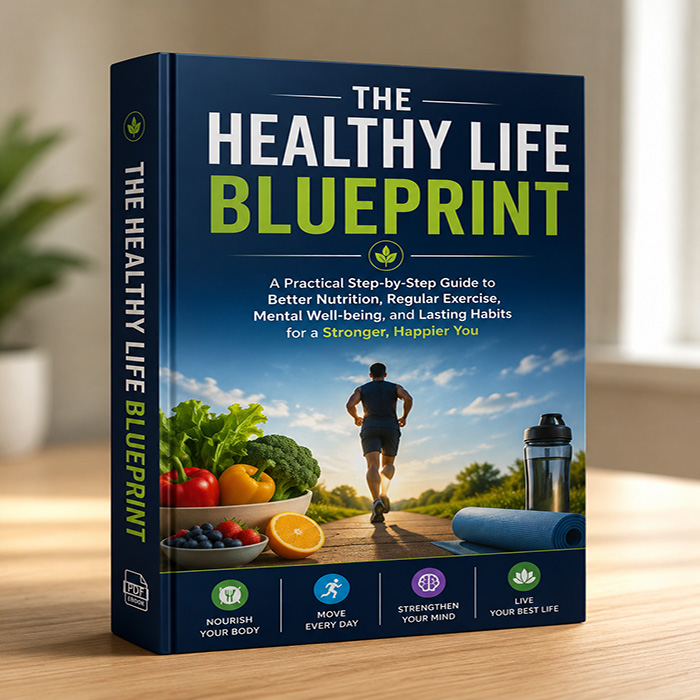
Healthy Life Blueprint
Original price was: €24.90.€15.90Current price is: €15.90. -
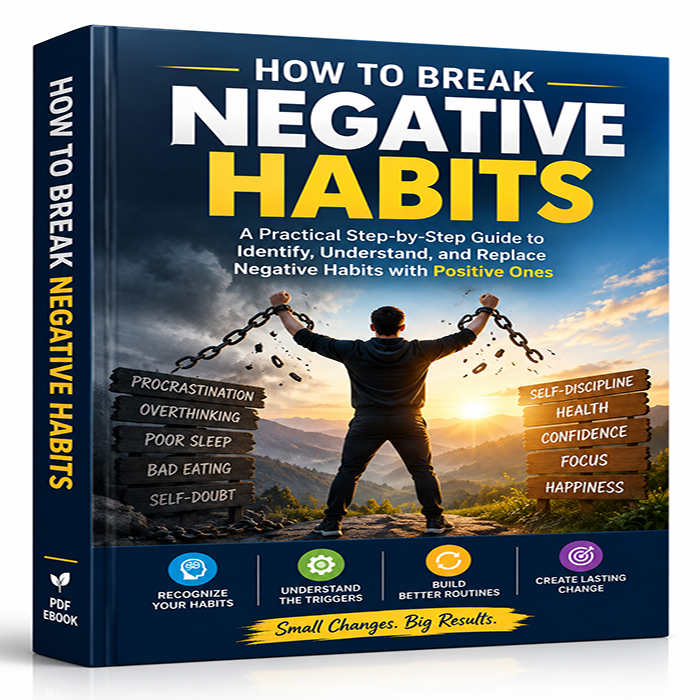
How to break negative habits
Original price was: €12.90.€6.90Current price is: €6.90. -
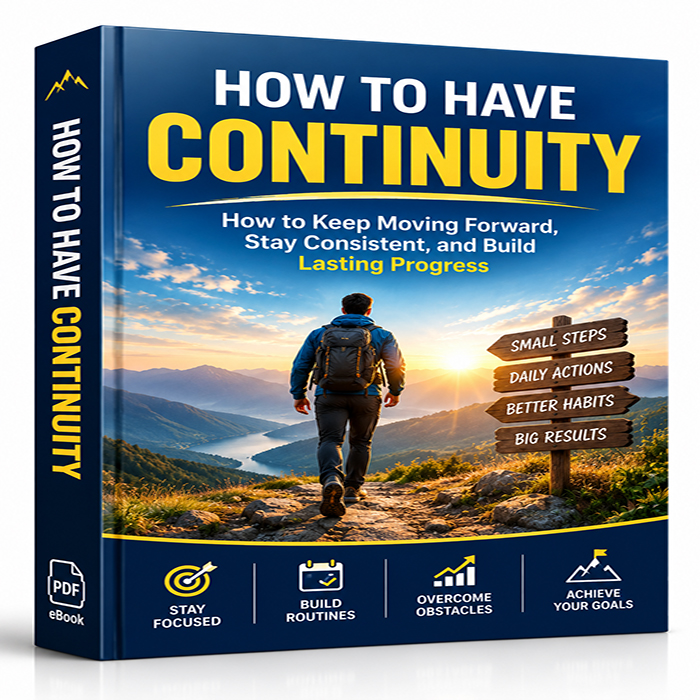
How to have continuity
Original price was: €15.90.€8.90Current price is: €8.90. -
Living with Purpose
Original price was: €14.90.€9.90Current price is: €9.90.