How to Be Full of Energy

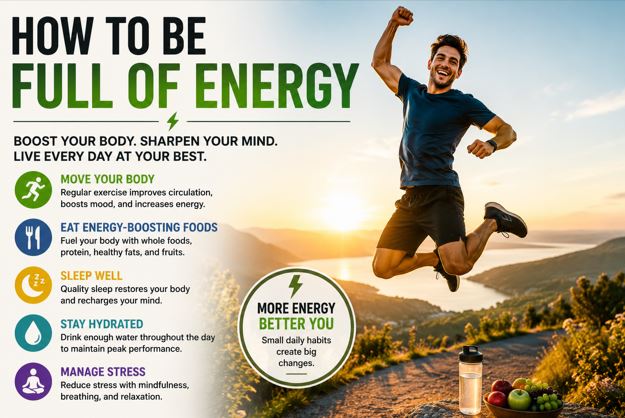
Feeling energetic throughout the day can make a major difference in your productivity, mood, motivation, and overall quality of life. Many people experience low energy because of poor sleep, an unbalanced diet, inactivity, stress, dehydration, or an overly demanding daily routine. The good news is that simple lifestyle changes can help you feel more active and refreshed.
Learning how to be full of energy is not simply about drinking more coffee or finding quick sources of stimulation. Lasting energy comes from supporting your body and mind with healthy habits. By improving your sleep, nutrition, movement, hydration, and daily routine, you can create a stronger foundation for consistent energy.
Get Enough Quality Sleep
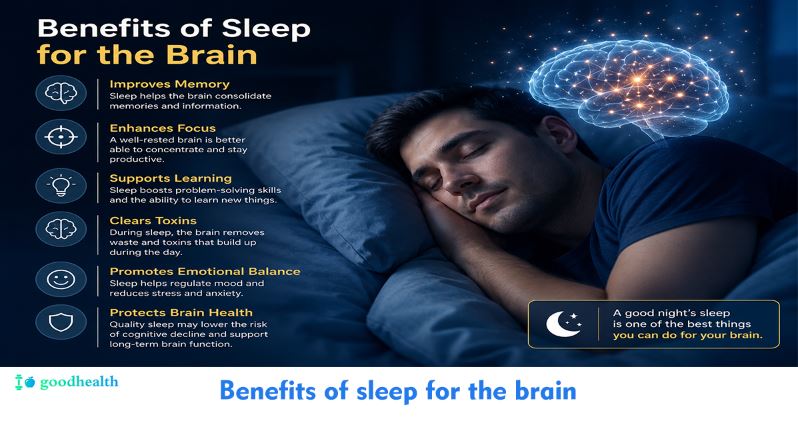
Sleep is one of the most important factors influencing your energy levels. When you do not get enough quality sleep, you may wake up feeling tired and have difficulty concentrating throughout the day.
Try to maintain a consistent sleep and wake schedule, including on weekends. Create a relaxing nighttime routine and reduce stimulating activities before going to bed. Keeping your bedroom comfortable, dark, and quiet can also support better sleep.
Learning how to be full of energy begins with understanding that recovery is just as important as activity. Giving your body sufficient time to rest can help you feel more alert during the day.
Eat a Balanced and Nutritious Diet
Food provides the fuel your body needs for physical and mental activity. Eating a balanced diet can help you maintain more stable energy throughout the day.
Include a variety of vegetables, fruits, whole grains, beans, nuts, seeds, and protein-rich foods in your meals. Foods containing complex carbohydrates can provide sustained energy, while protein and healthy fats can contribute to satisfying meals.
Try to avoid relying heavily on highly processed foods and large amounts of added sugar. These foods may provide a quick burst of energy but can be followed by a feeling of tiredness.
Stay Hydrated
Even mild dehydration can make you feel tired and less focused. Water is essential for many processes in the body, so drinking enough fluids throughout the day is an important part of maintaining energy.
Keep water available during work, exercise, and other daily activities. Your hydration needs can vary depending on factors such as activity level, weather, and individual circumstances.
If you frequently feel tired, make sure that you are not simply overlooking your basic hydration needs.
Exercise Regularly
Physical activity may seem like it would make you tired, but regular exercise can actually help improve overall energy and reduce feelings of fatigue.
Walking, cycling, swimming, strength training, and other forms of physical activity can help support physical fitness and cardiovascular health. Even a short daily walk can be a useful way to add more movement to your routine.
You do not need to exercise intensely every day. Consistency is more important than trying to do too much at once.
Get Moving During the Day
Sitting for long periods can leave you feeling sluggish. Taking short movement breaks can help you stay more alert and active.
Stand up regularly, stretch, walk around your workplace, or take a few minutes to move between tasks. These small actions can make your day more dynamic and reduce the feeling of being physically inactive.
If your work requires many hours of sitting, adding movement throughout the day can be especially valuable.
Manage Stress Effectively
Chronic stress can drain both physical and mental energy. Constant worrying, pressure, and emotional tension can make it difficult to concentrate and may interfere with sleep.
Find healthy ways to manage stress. Deep breathing, meditation, journaling, exercise, spending time in nature, and talking to supportive people can all be useful strategies.
Learning how to be full of energy also means learning how to protect your mental energy. Reducing unnecessary stress can help you feel more balanced and focused.
Get Some Natural Light
Exposure to natural light during the day can help support your body’s internal body clock. Spending time outside, especially earlier in the day, can be a simple addition to your routine.
Try taking a morning walk, having breakfast near a window, or spending part of your lunch break outdoors.
Combining natural light with movement can be an excellent way to make your daily routine feel more refreshing.
Avoid Excessive Caffeine
Caffeine can increase alertness, but relying too heavily on coffee, energy drinks, or other caffeinated beverages may interfere with healthy sleep and create a cycle of tiredness.
Use caffeine strategically rather than depending on it to compensate for insufficient sleep. Pay attention to how your body responds and avoid consuming large amounts late in the day if it affects your sleep.
Long-term energy should come primarily from healthy habits rather than stimulants.
Take Regular Breaks
Working continuously without breaks can reduce concentration and contribute to mental fatigue. Short breaks can allow your mind to recover and help you return to your tasks with greater focus.
During a break, step away from your screen, stretch, breathe deeply, drink some water, or take a short walk.
A productive routine is not about working nonstop. Strategic breaks can help you maintain consistent performance throughout the day.
Start Your Morning With Healthy Habits
The way you begin your morning can influence the rest of your day. Instead of immediately checking notifications or rushing into stressful tasks, create a simple routine that prepares your body and mind.
Drink some water, get natural light, stretch or walk, eat a nutritious breakfast if it fits your needs, and spend a few minutes organizing your priorities.
A positive morning routine can help you begin the day with greater clarity and motivation.
Keep Your Daily Routine Organized
Disorganization can consume mental energy. Constantly deciding what to do next can create unnecessary stress and make your day feel overwhelming.
Plan your most important tasks in advance. Prioritize what matters most and avoid filling every minute of your schedule.
When your routine is organized, you can use your mental energy more efficiently and reduce unnecessary distractions.
Spend Time Doing Things You Enjoy
Emotional well-being can influence how energetic you feel. Activities that bring you happiness, curiosity, creativity, or connection can help make your day more enjoyable.
Spend time with people you care about, pursue hobbies, listen to music, read, explore nature, or work on a personal project.
Energy is not only physical. Feeling emotionally engaged with your life can also make you feel more motivated to take action.
Limit Excessive Screen Time
Spending too much time on phones, computers, and other screens can contribute to mental fatigue and may interfere with sleep, especially when used late at night.
Create periods during the day when you step away from screens. Use some of that time for walking, reading, social interaction, or relaxing activities.
Reducing unnecessary digital stimulation can help you protect your attention and mental energy.
Listen to Your Body
Everyone experiences fluctuations in energy. It is normal to have periods when you feel more active and other periods when you need rest.
Pay attention to patterns. Notice how your sleep, food, exercise, stress, and schedule affect your energy levels.
If tiredness is persistent, severe, or unexplained, consider speaking with a qualified healthcare professional. Ongoing fatigue can sometimes be associated with an underlying health issue that requires appropriate evaluation.
Build Habits That Create Sustainable Energy
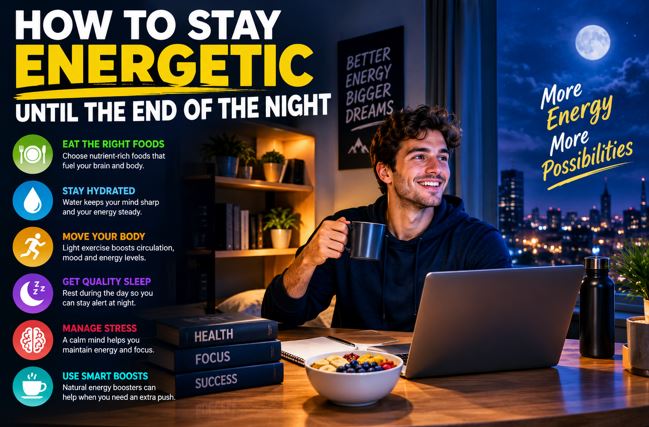
The secret to how to be full of energy is not one magic food, drink, supplement, or morning routine. Sustainable energy usually comes from several healthy habits working together.
Prioritize quality sleep, eat nutritious foods, stay hydrated, exercise regularly, manage stress, get daylight, take breaks, and maintain a balanced routine.
You do not need to change everything overnight. Start with one or two habits and gradually build from there. Small improvements repeated consistently can have a meaningful effect on how you feel each day.
Conclusion
Knowing how to be full of energy starts with taking care of the foundations of your health and daily routine. Sleep, nutrition, hydration, exercise, stress management, natural light, and regular breaks can all contribute to better energy and concentration.
Rather than depending on quick fixes, focus on creating habits that support your body and mind over the long term. A healthy lifestyle can help you feel more alert, motivated, productive, and prepared to handle your daily responsibilities.
When you consistently practice healthy habits, how to be full of energy becomes less about finding a temporary boost and more about building a lifestyle that naturally supports vitality and well-being.
How can I increase my energy naturally?
You can support your energy naturally by getting enough quality sleep, drinking enough water, eating a balanced diet, exercising regularly, managing stress, getting natural daylight, and taking regular breaks.
Why do I feel tired even after sleeping?
Feeling tired after sleeping can have many possible causes, including poor sleep quality, an inconsistent sleep schedule, stress, an unsuitable sleep environment, or other factors. Persistent or unexplained fatigue should be discussed with a healthcare professional.
What should I eat to feel more energetic?
Foods such as whole grains, fruits, vegetables, beans, nuts, seeds, and protein-rich foods can provide important nutrients and help create balanced meals. Combining carbohydrates with protein and healthy fats can contribute to satisfying, sustained meals.
Does exercise really increase energy?
Regular physical activity can help improve fitness and may reduce feelings of fatigue over time. Even moderate activities such as walking can be a useful way to increase daily movement.
How can I stay energetic throughout the whole day?
Focus on the basics: sleep well, eat balanced meals, stay hydrated, move regularly, manage stress, take breaks, and avoid relying excessively on caffeine. Consistent healthy habits are generally more effective than quick energy boosters.
please note
The content provided in this article is for educational and informational purposes only and should not be construed as medical, nutritional, psychological, or therapeutic advice. The advice provided may not be appropriate for everyone. The final decision regarding your health and lifestyle is yours, and we recommend that you consult with your doctor, counselor, or other health professional before making any changes or taking any action.