
Benefits of Walnuts

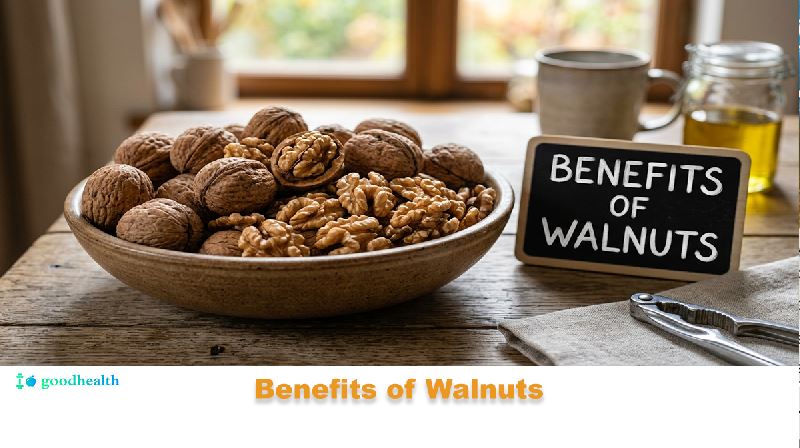
Walnuts have long been recognized as one of the most nutrient-dense nuts available, offering a remarkable blend of healthy fats, antioxidants, essential vitamins, and key minerals. Often referred to as “brain food” due to both their distinct physical appearance and their impressive nutritional profile, walnuts stand out among plant foods for their extraordinary concentration of omega-3 fatty acids. Incorporating these nuts into a balanced diet provides a convenient and potent way to support overall wellness, targeting everything from cardiovascular performance to metabolic regulation.
As modern nutrition research continues to explore the profound connection between whole foods and disease prevention, walnuts consistently emerge as a staple ingredient for longevity and optimal physical function. Unlike refined foods or heavily processed snacks, walnuts deliver complex dietary compounds that work synergistically within the human body. Understanding how these nuts interact with our internal systems provides clear insight into why adding just a handful of walnuts to a daily meal plan can yield noticeable, long-term health advantages.
Superior Cardiovascular and Heart Health Support
Cardiovascular disease remains one of the primary health concerns worldwide, making dietary interventions aimed at protecting the heart essential. Walnuts play a prominent role in maintaining cardiovascular health primarily through their high concentration of alpha-linolenic acid (ALA), a plant-based omega-3 fatty acid. ALA helps reduce arterial inflammation, lowers oxidative stress, and prevents the buildup of plaque within blood vessels. Regular consumption of walnuts helps maintain arterial flexibility, allowing blood to flow more smoothly throughout the circulatory system and reducing overall strain on the heart.
In addition to omega-3 fatty acids, walnuts contain powerful phytonutrients and dietary fiber that directly influence cholesterol levels. Clinical studies demonstrate that incorporating walnuts into daily nutrition helps lower low-density lipoprotein (LDL) cholesterol, often referred to as “bad” cholesterol, while supporting healthy high-density lipoprotein (HDL) levels. By decreasing total cholesterol and improving endothelial function, walnuts actively reduce the risk factors associated with atherosclerosis, blood clots, and unexpected cardiovascular events.
Managing Blood Pressure and Circulatory Function
Hypertension, or high blood pressure, poses a major risk factor for heart complications and stroke. Walnuts contribute to healthier blood pressure readings by supporting endothelial cell function, which controls the constriction and relaxation of blood vessels. The minerals found in walnuts, including magnesium, potassium, and calcium, play a supporting role in regulating fluid balance and vascular resistance throughout the circulatory system.
Furthermore, the high concentration of polyphenols in walnuts acts synergistically with essential fatty acids to combat vascular inflammation. When blood vessels remain supple and free from chronic internal inflammation, blood flows with less resistance. This natural vasodilation effect makes walnuts an effective dietary tool for anyone looking to maintain stable blood pressure levels through natural whole-food nutrition.
Cognitive Enhancement and Brain Longevity
The physical resemblance between a walnut kernel and the human brain is a well-known coincidence, but scientific evidence strongly reinforces this connection. Walnuts are loaded with neuroprotective nutrients, including vitamin E, folate, melatonin, omega-3 fatty acids, and specialized polyphenols. These compounds work together to protect brain tissue from oxidative damage, which is a major contributor to age-related cognitive decline and neurodegenerative conditions.
Regular consumption of walnuts has been linked to improved cognitive performance, enhanced processing speed, better memory retention, and heightened mental flexibility. The fatty acids present in walnuts serve as structural building blocks for brain cell membranes, facilitating efficient neural communication and signal transmission. By maintaining membrane fluidity, walnuts help preserve existing neural pathways while supporting the formation of new connections.
Neuroinflammation and Age-Related Decline
Chronic inflammation in the central nervous system plays a central role in memory loss and cognitive impairment. The anti-inflammatory polyphenols in walnuts help neutralize harmful free radicals that cause oxidative damage to neurons. By dampening neuroinflammation, walnuts help safeguard the brain against degenerative processes over time.
For aging adults, including walnuts in daily meals offers a protective buffer against mental fatigue and structural brain changes. The combination of antioxidants and essential fats helps sustain mitochondrial function within brain cells, ensuring a steady supply of cellular energy needed for focus, alertness, and complex decision-making processes.
Gut Microbiome Regulation and Digestive Wellness
Digestive health influences almost every aspect of physical well-being, from nutrient absorption to immune defense. Walnuts exert a remarkably positive influence on the gut microbiome by acting as a prebiotic substrate for beneficial gut bacteria. The non-digestible fiber and bioactive polyphenols in walnuts pass into the lower gastrointestinal tract, where they serve as fuel for probiotic microorganisms like Lactobacillus and Bifidobacterium .
As beneficial bacteria metabolize the fiber in walnuts, they produce short-chain fatty acids (SCFAs) such as butyrate, propionate, and acetate. Butyrate plays a vital role in nourishing the mucosal lining of the colon, strengthening the intestinal barrier, and reducing gastrointestinal inflammation. A strong intestinal wall prevents harmful pathogens and undigested particles from leaking into the bloodstream, thereby lowering systemic inflammation.
Optimizing Digestive Regularity and Metabolism
In addition to feeding beneficial gut microbes, the natural dietary fiber content in walnuts promotes optimal digestive motility. Fiber adds bulk to the digestive tract, facilitating smooth and predictable waste elimination. This consistent digestive rhythm helps prevent common issues such as constipation, bloating, and irregular bowel movements.
A healthy, diverse gut microbiome established through foods like walnuts also communicates directly with the central nervous system via the gut-brain axis. By fostering a balanced microbial ecosystem, walnuts indirectly support mood stability, appetite regulation, and efficient metabolic responses throughout the body.
Weight Management and Metabolic Health
Despite being calorie-dense and rich in fats, walnuts do not promote unwanted weight gain when consumed as part of a balanced diet. In fact, research indicates that walnuts can be an exceptionally effective tool for weight management and metabolic control. The unique combination of dietary fiber, high-quality plant protein, and healthy fats increases feelings of satiety, helping to curb excessive hunger and prevent overeating between meals.
Walnuts exert a subtle yet powerful effect on appetite hormones in the central nervous system. Consuming walnuts activates specific regions of the brain responsible for impulse control and craving regulation, making it easier to stick to nutritious eating habits throughout the day. Because the energy in walnuts is released gradually, they provide sustained stamina without causing sharp spikes and crashes in blood sugar levels.
Enhancing Insulin Sensitivity and Type 2 Diabetes Prevention
Metabolic health relies heavily on the body’s ability to process glucose efficiently. Walnuts help improve insulin sensitivity, allowing cells to absorb glucose from the bloodstream more effectively. The unsaturated fats and polyphenolic compounds in walnuts assist in reducing cellular resistance to insulin, making them an excellent dietary addition for individuals managing prediabetes or aiming to prevent type 2 diabetes.
By stabilizing blood glucose levels after meals, walnuts reduce the metabolic stress placed on the pancreas. Lowering chronic insulin surges helps prevent fat accumulation around vital organs, supporting overall metabolic flexibility and reducing the long-term risk of metabolic syndrome.
Powerful Anti-Inflammatory and Antioxidant Properties
Oxidative stress and chronic low-grade inflammation are fundamental drivers of cellular damage, accelerated aging, and modern chronic diseases. Walnuts stand out among tree nuts for possessing higher antioxidant activity than almost any other common nut. This intense antioxidant capacity stems from the high levels of vitamin E (specifically in the form of gamma-tocopherol), melatonin, and a wide array of polyphenols concentrated in the thin skin of the walnut kernel.
These antioxidants actively search for and neutralize unstable free radicals before they can damage cell membranes, proteins, and DNA strands. By quenching oxidative stress at the cellular level, walnuts help maintain healthy tissue structure throughout muscles, organs, and skin cells.
Chronic Inflammation and Disease Risk Mitigation
Unchecked inflammation damages healthy tissues over time, contributing to joint stiffness, cardiovascular deterioration, and metabolic impairment. The polyphenols found in walnuts, known as ellagitannins, are converted by gut bacteria into compounds called urolithins. Urolithins exhibit strong anti-inflammatory properties that help inhibit inflammatory pathways in body tissues.
By routinely consuming walnuts, the body receives a continuous supply of anti-inflammatory compounds that work to lower markers of systemic inflammation, such as C-reactive protein (CRP). Lowering CRP and related inflammatory markers helps support joint comfort, protect arterial walls, and maintain cellular integrity across every major organ system.
Skin Health, Cellular Renewal, and Vitality
The nutritional richness of walnuts extends to outer appearance, directly supporting skin elasticity, hydration, and defense against environmental stressors. Skin tissue relies on a steady supply of fatty acids to maintain its lipid barrier, which retains moisture and prevents dryness. The omega-3 and omega-6 fatty acids present in walnuts help nourish the skin from within, promoting a supple and clear complexion.
Furthermore, the antioxidants in walnuts protect delicate skin cells from damaging ultraviolet (UV) radiation and atmospheric pollution. Copper, an essential trace mineral abundant in walnuts, plays a vital role in the synthesis of collagen and elastin—the structural proteins responsible for skin firmness and youthful resilience.
Cellular Protection and Repair Mechanisms
Every cell in the body undergoes continuous repair and regeneration cycles, requiring key micronutrients to execute these processes smoothly. Walnuts provide essential minerals such as zinc, magnesium, and manganese, which act as catalysts for enzymatic reactions involving cellular repair and DNA synthesis.
By providing the necessary raw materials for tissue regeneration, walnuts help accelerate recovery after physical exertion and daily environmental exposure. The cellular protection offered by walnut nutrients ensures that metabolic waste products are cleared efficiently, allowing tissues to function at peak performance.
Maximizing the Health Potential of Walnuts
Incorporating walnuts into a daily nutrition strategy offers an accessible, science-backed approach to long-term health optimization. From bolstering cardiovascular integrity and preserving mental sharpness to nurturing the gut microbiome and supporting metabolic balance, the multifaceted advantages of walnuts make them a vital whole food for overall physical vitality. Enjoying a daily portion of raw, unrefined walnuts ensures that the body receives a continuous supply of essential omega-3 fatty acids, protective antioxidants, and fundamental nutrients necessary for sustained health and longevity.
How many walnuts should you eat per day to get their health benefits?
Eating about a daily handful, or 1 to 1.5 ounces (around 7 to 14 halves), provides optimal nutritional benefits without adding excess calories.
What are the main health benefits of eating walnuts daily?
Walnuts support heart health, improve brain function, reduce inflammation, and help manage blood sugar levels thanks to their high antioxidant and omega-3 content.
Are walnuts good for weight loss or do they cause weight gain?
Despite being calorie-dense, walnuts promote satiety and curb appetite, making them a helpful snack for weight management when eaten in moderation.
Is it better to eat walnuts soaked or raw?
Soaking walnuts can make them easier to digest and improve nutrient absorption by breaking down phytic acid, although raw walnuts still offer full nutritional value.
What is the best time of day to eat walnuts for maximum benefits?
Eating walnuts in the morning gives you sustained energy throughout the day, while having them as an evening snack can help sleep due to their natural melatonin content.
please note
The content provided in this article is for educational and informational purposes only and should not be construed as medical, nutritional, psychological, or therapeutic advice. The advice provided may not be appropriate for everyone. The final decision regarding your health and lifestyle is yours, and we recommend that you consult with your doctor, counselor, or other health professional before making any changes or taking any action.