
Benefits of Apple Fruit

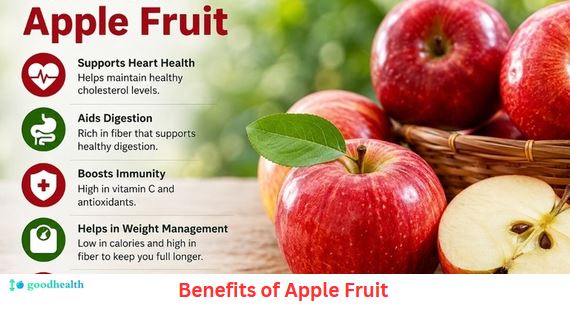
Benefits of Apple Fruit
Apples are one of the most popular fruits in the world, and for good reason. They are naturally sweet, refreshing, convenient, and packed with important nutrients. Adding apples to a balanced diet can support overall health while providing fiber, vitamins, minerals, and antioxidant compounds.
Whether you enjoy a crisp apple as a snack, add sliced apples to oatmeal, or use them in salads, this versatile fruit can be an easy part of a healthy lifestyle. In this article, we explore the benefits of apple fruit, its nutritional value, and simple ways to include apples in your daily diet.
1. Apples Are Rich in Dietary Fiber
One of the most important benefits of eating apples is their dietary fiber content. A medium apple with its skin provides a useful amount of fiber, including soluble fiber such as pectin.
Dietary fiber can help support healthy digestion and contribute to regular bowel movements. Fiber can also help you feel full for longer, making apples a convenient choice for people looking for satisfying snacks.
For maximum fiber, eating an apple with its skin is generally preferable after washing it thoroughly.
2. Apples Provide Antioxidants
Apples contain naturally occurring plant compounds, including flavonoids and other polyphenols. These compounds have antioxidant properties that help protect cells from oxidative stress.
The amount and type of antioxidants can vary depending on the apple variety, storage, and whether the skin is consumed. This is another reason why whole apples can be a nutritious addition to a varied diet.
3. Apples May Support Heart Health
Another potential health benefit of apples is their contribution to a heart-healthy eating pattern. Apples provide fiber and plant compounds that can complement a diet rich in fruits, vegetables, whole grains, nuts, and other nutritious foods.
Soluble fiber, particularly pectin, can help support healthy cholesterol levels when consumed as part of an overall balanced diet.
Eating apples alone is not a substitute for medical treatment, but including them regularly can be part of a healthy lifestyle.
4. Apples Can Support Healthy Digestion
Apples can be beneficial for digestive health because they contain dietary fiber and water. Fiber helps add bulk to stool and supports normal intestinal function.
Pectin, a type of soluble fiber found in apples, is also fermented by beneficial bacteria in the gut. This makes apples an interesting food to include in a varied diet focused on digestive wellness.
5. Apples Can Help You Feel Full
If you are looking for a convenient snack that can help control hunger between meals, an apple can be a smart choice. Its combination of water and fiber gives it relatively high volume compared with its calorie content.
Pairing an apple with a source of protein or healthy fat, such as unsweetened yogurt or a small serving of nuts, can create an even more satisfying snack.
6. Apples Are a Good Source of Vitamin C
Apples provide vitamin C, although they are not among the richest sources of this vitamin. Vitamin C is an essential nutrient that contributes to normal immune function, collagen formation, and protection of cells from oxidative stress.
Including apples alongside other fruits and vegetables can help increase the variety of nutrients in your diet.
7. Apples May Support a Healthy Weight
Whole apples can fit well into a weight-management eating plan. They are portable, naturally sweet, and provide fiber and water.
Replacing highly processed, calorie-dense snacks with whole fruit can be a practical way to improve overall diet quality. However, healthy weight management depends on your overall eating pattern, physical activity, sleep, and other lifestyle factors—not one particular food.
8. Apples Are Naturally Low in Fat
Whole apples contain very little fat and are cholesterol-free. They can therefore be easily incorporated into many different eating patterns.
For people who want a naturally sweet alternative to highly processed desserts, an apple can provide sweetness along with fiber and micronutrients.
9. Apples May Support Brain Health
Apples contain flavonoids and other plant compounds that researchers have investigated for their potential relationship with brain health. However, more research is needed to determine the specific effects of apple consumption on cognitive function and long-term brain health.
Rather than relying on one food, a balanced diet containing a wide variety of fruits, vegetables, whole grains, legumes, nuts, and other nutrient-rich foods is a better approach to supporting overall health.
10. Apples Are an Excellent Everyday Snack
One of the simplest benefits of apples is convenience. Apples require little preparation and can easily be carried to work, school, or while traveling.
You can enjoy them:
- Fresh and whole
- Sliced with yogurt
- Added to oatmeal
- Mixed into fruit salads
- Chopped into green salads
- Baked with cinnamon
- Blended into smoothies
- Paired with nuts or nut butter
Choosing whole apples more often than heavily sweetened apple products can help you get more fiber while avoiding unnecessary added sugars.
Apple Nutrition
The nutritional content of an apple varies according to its size and variety. A medium apple generally provides:
- Dietary fiber
- Vitamin C
- Potassium
- Natural carbohydrates
- Water
- Polyphenols and other plant compounds
The apple’s skin contains many of its beneficial plant compounds and contributes additional fiber, so eating the whole fruit is generally more nutritious than consuming only the peeled flesh.
Are Apples Good for You Every Day?
For most people, eating apples every day can be part of a healthy and balanced diet. Apples provide fiber, water, and beneficial plant compounds while offering a naturally sweet flavor.
However, variety is important. Instead of eating only apples, include different fruits throughout the week, such as berries, oranges, bananas, grapes, pears, and kiwi. Different fruits provide different combinations of vitamins, minerals, fiber, and plant compounds.
Apple Fruit vs. Apple Juice
Whole apples are generally a better nutritional choice than apple juice. When an apple is processed into juice, much of the fiber is removed, making it easier to consume a larger amount of sugar and calories quickly.
For everyday nutrition, choose whole apples more often than juice. If you drink apple juice, look for options without added sugar and keep portions moderate.
Best Time to Eat Apples
There is no scientifically established “best time” to eat an apple. You can enjoy one as part of breakfast, between meals, before or after physical activity, or alongside lunch.
The most important factor is your overall dietary pattern rather than a specific time of day.
How Many Apples Should You Eat?
There is no universal number of apples that everyone should eat each day. Your fruit intake should fit within your overall nutritional needs and include a variety of fruits.
For many people, one apple can be a convenient serving of fruit, but individual dietary needs vary.
Possible Considerations
Although apples are nutritious, some people may experience digestive discomfort from eating large amounts because apples contain fermentable carbohydrates that can cause bloating or gas in sensitive individuals.
People with certain medical conditions or dietary restrictions may also need individualized nutrition advice from a qualified healthcare professional.
Frequently Asked Questions About Apple Benefits
Are apples healthy?
Yes. Apples are nutritious fruits that provide dietary fiber, vitamin C, water, and beneficial plant compounds. They can be part of a balanced diet.
Is eating an apple every day good for you?
For most people, eating an apple regularly can be a healthy habit. It is best to consume apples as part of a varied diet containing many different fruits and vegetables.
Are apples good for digestion?
Apples contain dietary fiber and pectin, which can support normal digestive function. Eating the fruit with its skin provides more fiber.
Are apples good for weight loss?
Whole apples can be useful in a weight-management diet because they contain water and fiber and can be a satisfying alternative to many highly processed snacks. However, no single food causes weight loss.
Should you eat apple skin?
Yes. After washing the apple thoroughly, eating the skin can provide additional fiber and plant compounds.
Is apple juice as healthy as an apple?
Generally, whole apples are the better choice because they retain their fiber. Apple juice can contain significant amounts of natural sugar while providing much less fiber.
Conclusion
The benefits of apple fruit make apples an excellent addition to a balanced and nutritious diet. They provide dietary fiber, vitamin C, water, and a variety of beneficial plant compounds. Regularly choosing whole apples can support healthy digestion, contribute to a nutrient-rich diet, and provide a convenient alternative to many highly processed snacks.
For the best results, enjoy apples as part of an overall healthy lifestyle that includes a variety of fruits and vegetables, nutritious foods, regular physical activity, adequate sleep, and good hydration.
please note
The content provided in this article is for educational and informational purposes only and should not be construed as medical, nutritional, psychological, or therapeutic advice. The advice provided may not be appropriate for everyone. The final decision regarding your health and lifestyle is yours, and we recommend that you consult with your doctor, counselor, or other health professional before making any changes or taking any action.