Benefits of olive oil

For centuries, the Mediterranean region has celebrated a dietary staple that extends far beyond culinary application, serving as a cornerstone of holistic health and longevity. Extracting the rich, golden liquid from the fruit of the olive tree yields a substance that modern nutritional science continues to validate as one of the most remarkable dietary fats available to humans. The benefits of olive oil encompass a wide spectrum of physiological systems, offering profound protective effects against chronic diseases, premature aging, and cellular damage. Unlike heavily processed seed oils or saturated animal fats, this natural plant-based fat is entirely unique in its chemical composition, providing a dense matrix of disease-fighting compounds. By examining the precise biological mechanisms at play, it becomes clear why nutritionists, cardiologists, and researchers universally recommend integrating this ancient superfood into a modern dietary regimen.
Understanding the Complex Nutritional Profile of Olive Oil
At the fundamental level, the health advantages of olive oil stem from its exceptional macronutrient and micronutrient density. The primary fatty acid found in this oil is oleic acid, a monounsaturated fat that makes up roughly 73 percent of its total oil content. Monounsaturated fats are highly stable molecules that resist oxidation, making them uniquely beneficial for maintaining cellular integrity throughout the body. Unlike the saturated fats found in high quantities in meat and dairy, which can contribute to arterial plaque formation, oleic acid actively supports healthy cellular membranes and regulates systemic lipid profiles.
Beyond its healthy fat content, high-quality olive oil acts as a powerful delivery vehicle for essential fat-soluble vitamins. A standard serving provides a significant concentration of Vitamin E, a vital nutrient that protects the body’s lipids from free radical damage and supports healthy immune function. Additionally, it contains measurable amounts of Vitamin K, which is necessary for proper blood clotting and bone metabolism. The synergistic effect of these vitamins, suspended in a highly bioavailable monounsaturated fat base, ensures that the body can efficiently absorb and utilize these critical nutrients for cellular repair and maintenance.
The Critical Role of Polyphenols and Antioxidants
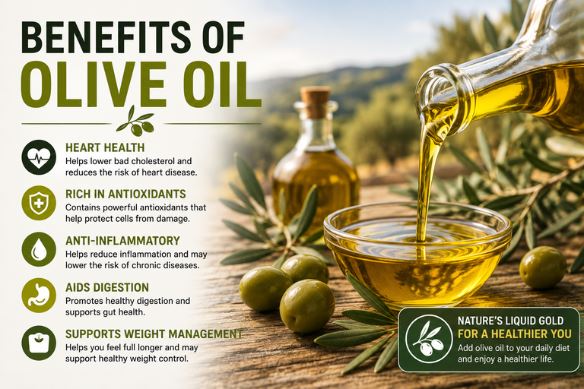
The true transformative power of this dietary staple lies in its extraordinary antioxidant profile. Extra virgin olive oil is abundant in biologically active phenolic compounds, notably oleuropein, hydroxytyrosol, and oleocanthal. These polyphenols act as relentless scavengers within the bloodstream, identifying and neutralizing free radicals before they can inflict oxidative stress on healthy cells. Oxidative stress is recognized as a primary driver of aging and a catalyst for numerous chronic conditions, meaning that the daily consumption of these specific antioxidants provides a robust cellular defense system that few other foods can match.
Cardiovascular Advantages and Long-Term Heart Health
Cardiovascular disease remains the leading cause of premature mortality worldwide, yet populations that consume high amounts of olive oil consistently demonstrate remarkably low rates of heart-related ailments. The benefits of olive oil for cardiovascular health are multi-faceted, beginning with its profound impact on cholesterol management. Regular consumption has been clinically proven to lower total cholesterol and low-density lipoprotein (LDL) levels while simultaneously maintaining or even increasing high-density lipoprotein (HDL), the “good” cholesterol that helps clear arteries of dangerous plaque buildup.
Furthermore, the antioxidants present in the oil protect LDL particles from oxidative damage. When LDL cholesterol oxidizes, it becomes highly reactive and begins to damage the endothelial lining of blood vessels, initiating a cascade of plaque formation and arterial stiffening. By preventing this crucial oxidation step, the polyphenols effectively halt the progression of atherosclerosis. This protective mechanism is further enhanced by the oil’s ability to improve endothelial function, ensuring that blood vessels remain flexible and capable of dilating properly to maintain optimal blood flow.
In addition to managing cholesterol and protecting the vascular lining, a diet rich in monounsaturated fats significantly improves blood pressure regulation. Clinical trials focusing on hypertensive patients have demonstrated that incorporating substantial amounts of high-quality olive oil into their daily meals leads to a measurable reduction in both systolic and diastolic blood pressure. Over time, this sustained reduction alleviates the mechanical stress placed on the heart muscle and significantly lowers the risk of catastrophic cardiovascular events, such as myocardial infarctions and cerebrovascular strokes.
Powerful Systemic Anti-Inflammatory Properties
Chronic, low-grade inflammation is now understood to be the root cause of metabolic syndrome, type 2 diabetes, Alzheimer’s disease, and even certain forms of cancer. One of the most extensively researched benefits of olive oil is its ability to modulate the body’s inflammatory response. The high concentration of oleic acid naturally dampens inflammatory markers, including C-reactive protein (CRP), bringing systemic inflammation back down to healthy, manageable baseline levels.
The most fascinating anti-inflammatory mechanism, however, comes from a specific phenolic compound known as oleocanthal. Researchers have discovered that oleocanthal operates through the exact same biological pathways as non-steroidal anti-inflammatory drugs (NSAIDs) like ibuprofen. It actively inhibits the production of COX-1 and COX-2 enzymes, which are responsible for triggering pain and inflammation in the body. Consuming roughly three to four tablespoons of premium extra virgin olive oil delivers an anti-inflammatory effect equivalent to a low dose of ibuprofen, providing continuous, natural protection against chronic tissue inflammation without the gastrointestinal side effects associated with synthetic medications.
Protection Against Cognitive Decline and Neurological Diseases
The human brain is composed primarily of fat and requires a constant supply of high-quality lipids and antioxidants to function optimally. As the global population ages, the preservation of cognitive function has become a critical area of nutritional research. The Mediterranean diet, heavily reliant on olive oil, is strongly associated with a reduced risk of cognitive decline and neurodegenerative conditions. The unique antioxidants found in the oil are capable of crossing the blood-brain barrier, where they exert direct neuroprotective effects against oxidative stress and neuroinflammation.
In the context of Alzheimer’s disease, specialized studies have shown incredibly promising results regarding the oil’s ability to clear the brain of toxic protein buildups. Beta-amyloid plaques are sticky protein fragments that accumulate in the brains of Alzheimer’s patients, disrupting communication between neurons and leading to memory loss. Certain compounds in high-grade olive oil have been shown to accelerate the removal of these beta-amyloid plaques from brain tissue. While research is still ongoing, the consistent dietary inclusion of these healthy fats appears to support synaptic plasticity, enhance memory retention, and drastically slow the progression of age-related cognitive impairment.
Metabolic Health and Type 2 Diabetes Management
Metabolic dysfunction and insulin resistance represent a massive global health crisis, fundamentally linked to poor dietary fat choices and excessive refined carbohydrate consumption. Utilizing olive oil as a primary fat source offers a powerful nutritional intervention for stabilizing metabolic health. Monounsaturated fats slow the absorption of glucose into the bloodstream when consumed alongside carbohydrates. This blunting effect prevents the sharp, damaging spikes in blood sugar and subsequent insulin crashes that eventually lead to insulin resistance and type 2 diabetes.
Moreover, replacing saturated animal fats and highly processed trans fats with the healthy lipids found in olive oil actively improves the body’s cellular sensitivity to insulin. When cells become more responsive to insulin, the pancreas does not have to work as hard to regulate blood glucose levels. Observational studies consistently indicate that individuals who consume diets abundant in extra virgin olive oil have a dramatically lower statistical risk of developing type 2 diabetes. For those who already manage the condition, this dietary adjustment is frequently associated with improved glycemic control, lower fasting blood sugar levels, and a reduction in the need for metabolic medications.
Supporting Bone Mineralization and Joint Integrity
While dairy products usually dominate conversations surrounding bone health, the benefits of olive oil extend significantly into the skeletal system. Oxidative stress and chronic inflammation are major contributors to the breakdown of bone density and the development of osteoporosis. The rich polyphenol content in the oil actively stimulates the proliferation of osteoblasts—the cells responsible for forming new bone tissue. By simultaneously inhibiting the cells that break down bone, regular consumption helps maintain structural integrity and skeletal mass as the body ages.
For individuals suffering from joint ailments, particularly rheumatoid arthritis, the systemic reduction in inflammation provides tangible, measurable relief. Rheumatoid arthritis is an autoimmune condition characterized by painful, swollen, and stiff joints. The ibuprofen-like effects of oleocanthal help soothe this aggressive joint inflammation, leading to improved mobility and decreased morning stiffness. When combined with dietary sources of omega-3 fatty acids, such as wild-caught fish, the anti-inflammatory joint protection is magnified, offering a highly effective, complementary nutritional therapy for chronic arthritis sufferers.
Enhancing Digestive Health and Gut Microbiome Balance
The gastrointestinal tract requires a delicate balance of healthy bacteria and a resilient mucosal lining to absorb nutrients and protect against pathogens efficiently. Consuming olive oil exerts a gentle, protective effect on the entire digestive system. It begins in the stomach, where it has been shown to reduce the secretion of excess gastric acid, lowering the risk of acid reflux and soothing existing gastric ulcers. Furthermore, the oil’s antibacterial properties are particularly effective against Helicobacter pylori, a resilient stomach bacterium that causes severe peptic ulcers and is strongly linked to gastric cancer.
Moving into the lower digestive tract, the oil acts as a mild, natural lubricant that promotes healthy bowel motility and prevents constipation without the harsh cramping associated with chemical laxatives. More importantly, recent microbiome research highlights that the unabsorbed polyphenols travel to the large intestine, where they act as prebiotics. These compounds selectively feed beneficial strains of gut flora, encouraging a diverse and robust microbiome. A healthy microbiome is intricately linked to strong immune function, improved mood regulation, and enhanced overall digestion.
Weight Management and Satiety Regulation
A persistent nutritional myth suggests that consuming dietary fat inevitably leads to weight gain. In reality, replacing unhealthy, refined fats with high-quality monounsaturated fats is a highly effective strategy for sustainable weight management. The dense nutritional profile and complex flavor of olive oil significantly increase the sensory satisfaction and physical satiety derived from a meal. Because fat delays gastric emptying, meals prepared with this oil keep the stomach feeling full for considerably longer periods, naturally reducing the urge to snack on processed carbohydrates between meals.
Furthermore, long-term adherence to a diet rich in these healthy lipids does not correlate with undesirable weight gain or obesity. The metabolic environment created by consistent oleic acid intake favors fat oxidation and energy expenditure rather than fat storage. By minimizing insulin spikes and keeping blood sugar stable, the body is less inclined to store excess calories as visceral fat. Consequently, individuals transitioning from typical Western diets to Mediterranean-style eating patterns frequently experience natural, unforced weight loss and improvements in their overall body composition.
Skin Health, Cellular Rejuvenation, and Aging
The profound cellular defense mechanisms provided by this golden oil are remarkably visible in the health and appearance of the skin. The skin barrier relies heavily on a matrix of lipids to retain moisture and defend against environmental aggressors. The dietary intake of squalene, a unique compound found abundantly in olive oil, directly supports this lipid barrier. Squalene regulates sebum production and prevents transepidermal water loss, resulting in skin that remains deeply hydrated, supple, and resilient against chronic dryness.
Internally, the massive payload of antioxidants, specifically Vitamin E and various phenolic compounds, neutralizes the free radical damage caused by ultraviolet radiation and environmental pollution. This internal defense mechanism slows the degradation of collagen and elastin, the two structural proteins responsible for keeping skin firm and youthful. By mitigating oxidative stress at the cellular level, the steady consumption of these nutrients naturally delays the formation of fine lines, wrinkles, and age spots, promoting a vibrant and healthy complexion from the inside out.
Selecting the Right Oil to Maximize Nutritional Value
To truly harness the comprehensive benefits of olive oil, consumers must be highly discerning regarding the grading, extraction methods, and storage of the product. The vast majority of the documented health advantages apply exclusively to “extra virgin” olive oil (EVOO). This grade represents the pure, first cold-pressed juice of the olive, extracted strictly through mechanical means without the use of high heat or harsh chemical solvents. This gentle extraction process ensures that the fragile polyphenols, vitamins, and antioxidants remain entirely intact and bioactive.
Conversely, oils labeled simply as “olive oil” or “light olive oil” have undergone rigorous industrial refining processes. While they still provide a source of monounsaturated fats, the refining process strips away nearly all of the vital antioxidants and anti-inflammatory compounds that make the extra virgin grade so incredibly medicinal. Therefore, substituting refined variations will severely diminish the physiological benefits. It is vital to prioritize authentically certified extra virgin products, ideally those in dark glass bottles, which protect the sensitive compounds from photo-oxidation caused by light exposure.
Proper utilization in the kitchen is equally critical for preserving its chemical integrity. While premium extra virgin oil possesses a surprisingly high smoke point that can comfortably handle moderate-heat cooking, baking, and sautéing, its delicate polyphenol profile is best preserved when used in raw applications. Drizzling it generously over vibrant salads, incorporating it into cold marinades, or finishing roasted vegetables and soups immediately before serving ensures maximum retention of its potent disease-fighting antioxidants.
Integrating the Unmatched Advantages into Daily Wellness
Transitioning to a lifestyle that prioritizes high-quality, unrefined plant fats represents one of the most impactful decisions an individual can make for their long-term health trajectory. The extensive benefits of olive oil are not isolated to a single biological function; they operate systemically to reduce dangerous inflammation, protect the cardiovascular network, defend cognitive pathways, and optimize metabolic efficiency. By consciously replacing inflammatory seed oils, processed margarines, and excessive saturated animal fats with pure, cold-pressed extra virgin olive oil, you build a resilient, antioxidant-rich foundation for your body. Embracing this ancient, nutrient-dense fat is a powerful, science-backed strategy for achieving sustained vitality, defending against chronic disease, and actively promoting healthy, graceful aging.
Is olive oil actually good for your heart?
Yes, extra virgin olive oil is packed with heart-healthy monounsaturated fats and antioxidants that actively help lower bad cholesterol and reduce blood pressure.
Is taking a tablespoon of olive oil every day actually good for you?
Yes, a daily spoonful delivers healthy monounsaturated fats and antioxidants that support heart health, lower inflammation, and improve overall digestion.
Does cooking with extra virgin olive oil destroy its health benefits?
No, extra virgin olive oil is remarkably stable under standard cooking temperatures and keeps the vast majority of its healthy fats and antioxidants intact.
Does olive oil help with weight loss or cause weight gain?
Although calorie-dense, olive oil promotes a strong feeling of fullness and healthy metabolic function, which aids weight management when eaten in moderation.
Please note
The content provided in this article is for educational and informational purposes only and should not be construed as medical, nutritional, or therapeutic advice. The recommendations provided may not be appropriate for everyone. The final decision regarding your health and lifestyle is yours, and we recommend that you consult with your doctor or other health professional before making any changes or taking any action.