
plant care

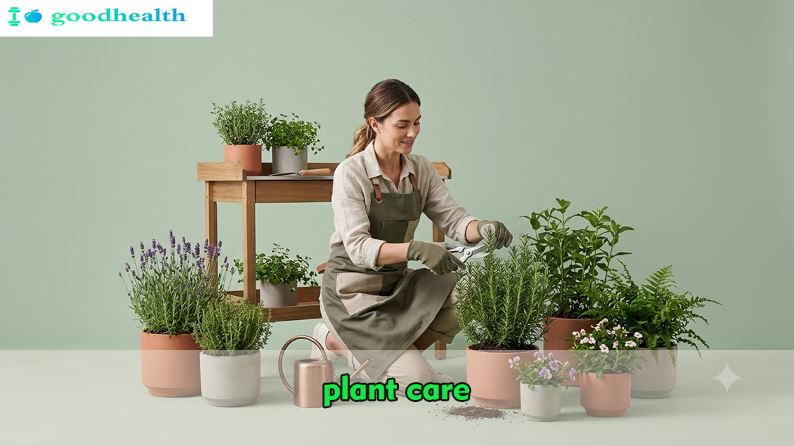
Bringing nature indoors transforms a static living space into a dynamic, breathing environment. Cultivating a thriving indoor garden requires more than just bringing a beautiful botanical specimen home from the nursery and setting it on a windowsill. Proper plant care is a multifaceted discipline that involves understanding the delicate balance of environmental factors that contribute to a plant’s overall health and longevity. Whether you are tending to a resilient succulent or a highly sensitive tropical fern, mastering the fundamentals of horticulture at home ensures that your green companions not only survive but actively flourish.
The foundation of successful houseplant maintenance lies in mimicking the natural habitats from which these species originate. Because most popular indoor plants hail from diverse ecosystems ranging from arid deserts to dense, humid rainforests, applying a generalized approach to every pot in your collection will inevitably lead to disappointment. Developing a nuanced understanding of lighting, hydration, soil composition, and pest management empowers you to read the subtle signals your greenery sends. By shifting away from rigid schedules and moving toward observant, responsive cultivation, anyone can create an optimal environment that promotes vigorous growth and stunning foliage.
Understanding Your Plant’s Unique Lighting Requirements
Light is the primary catalyst for photosynthesis, the biological process through which plants convert water and carbon dioxide into the energy they need to grow. Without adequate illumination, even the most carefully watered and fertilized specimen will gradually decline. The most common mistake in plant care is misunderstanding the difference between direct sunlight, bright indirect light, and low light conditions. Direct sunlight means the sun’s rays physically touch the leaves, which is ideal for desert species like cacti and euphorbias but can quickly scorch the delicate foliage of tropical understory plants.
Bright indirect light is the sweet spot for the vast majority of indoor houseplants, including popular varieties like Monsteras, Pothos, and Philodendrons. This type of lighting can be achieved by placing your pots a few feet away from a south-facing or west-facing window, or by utilizing sheer curtains to diffuse the intensity of the sun. The goal is to provide a highly illuminated space without exposing the foliage to the harsh, burning rays of midday. Understanding the orientation of your windows and how the light shifts throughout the day is a critical first step in determining the permanent placement for your greenery.
Low light does not mean no light. While species like the Snake Plant or ZZ Plant are often marketed as low-light tolerant, they simply have a slower metabolic rate that allows them to survive in less-than-ideal conditions. In deeply shaded corners or windowless rooms, these resilient plants will stagnate, producing little to no new growth. If you notice your plants becoming leggy, meaning the stems are stretching out with wide gaps between the leaves, it is a definitive sign that they are desperately reaching for a stronger light source. Conversely, faded or bleached leaves with crispy brown patches indicate that the current location is far too intense.
Supplementing with Artificial Grow Lights
When natural sunlight is insufficient due to architectural constraints or short winter days, artificial grow lights become an invaluable tool for dedicated indoor gardeners. Full-spectrum LED bulbs are designed to replicate the specific wavelengths of light that plants utilize most efficiently for vegetative growth and flowering. Integrating these supplemental light sources into your plant care routine allows you to cultivate demanding species in otherwise inhospitable environments, ensuring steady, healthy development regardless of the season outside.
Mastering the Art of Watering for Healthy Roots
Overwatering stands as the undisputed leading cause of houseplant mortality. The misconception that more water equates to better care often leads well-meaning caretakers to drown their plants’ root systems. Roots require oxygen just as much as they require moisture. When potting soil remains constantly saturated, it displaces the air pockets within the soil structure, creating an anaerobic environment where suffocating roots begin to decay. This condition, known as root rot, spreads rapidly and is incredibly difficult to reverse once it takes hold.
To avoid root rot, it is essential to abandon strict watering schedules, such as watering every Sunday, and instead adopt a sensory approach to moisture assessment. The most reliable method is to physically test the soil by inserting your finger about two inches deep into the pot. If the soil feels damp or cool to the touch, the plant has sufficient moisture and should be left alone. For larger pots, a moisture meter can provide a more accurate reading of the hydration levels deep within the root ball. Watering should only occur when the top layer of soil has adequately dried out, a technique commonly referred to as the soak-and-dry method.
When it is time to water, do so thoroughly until the excess liquid flows freely from the drainage holes at the bottom of the container. This deep watering technique encourages roots to grow downward and establish a robust, extensive system. Providing frequent, shallow sips of water leads to shallow root networks that leave the plant vulnerable to drought and instability. It is equally important to empty the saucer beneath the pot after about fifteen minutes; allowing a plant to sit in stagnant runoff will wick moisture back up into the soil, defeating the purpose of drainage and recreating the soggy conditions that lead to fungal issues.
Water quality also plays a surprising role in overall plant health. Municipal tap water often contains high levels of chlorine, fluoride, and heavy minerals that can accumulate in the soil over time. Sensitive species, such as Calatheas and carnivorous plants, react poorly to these chemical compounds, often displaying their distress through brown, crispy leaf tips. Switching to filtered water, distilled water, or collected rainwater can prevent mineral toxicity and preserve the pristine appearance of sensitive tropical foliage.
The Role of Humidity and Temperature in Indoor Environments
The vast majority of houseplants sold commercially originate in tropical or subtropical climates where atmospheric moisture is constantly high. In stark contrast, our modern, climate-controlled homes are essentially artificial deserts, especially during the winter months when central heating systems strip the air of its natural humidity. Low humidity forces plants to lose water through their leaves faster than their roots can absorb it, resulting in curling edges, stunted growth, and a generally lackluster appearance.
Addressing humidity deficits is a vital component of comprehensive plant care. While misting leaves with a spray bottle provides a temporary spike in ambient moisture, the effect dissipates within minutes and does little to alter the overall microclimate. A more effective strategy involves grouping plants together. As they naturally transpire, releasing moisture vapor through their foliage, they create a localized, humid microclimate that benefits the entire cluster. Alternatively, placing pots on humidity trays—shallow dishes filled with pebbles and water—allows evaporating moisture to rise directly up into the plant’s canopy without keeping the soil perpetually wet.
For highly demanding tropicals, investing in a dedicated room humidifier is the most reliable way to maintain the 50 to 60 percent relative humidity levels they crave. Temperature stability is equally critical. Most houseplants prefer a consistent temperature range between 65 and 80 degrees Fahrenheit. Exposure to sudden temperature fluctuations, such as cold drafts from leaky windows in the winter or blasts of dry, icy air from air conditioning vents in the summer, can cause severe physical shock. This environmental stress often manifests as sudden, massive leaf drop, halting the plant’s development entirely until it can acclimatize.
Selecting the Right Soil and Nutrients for Vigorous Growth
The growing medium you choose dictates how well water is retained and how efficiently roots can breathe. Using garden dirt or heavy, unamended potting soil for indoor plants is a recipe for compaction and poor drainage. A high-quality indoor plant soil must strike a delicate balance between moisture retention and aeration. Creating a custom soil mix is one of the most impactful upgrades you can make in your plant care journey.
A standard, highly effective potting mix typically consists of a base of coco coir or peat moss to hold moisture, heavily amended with coarse materials to create air pockets. Perlite, pumice, and horticultural charcoal are excellent additions that prevent the soil from packing tightly around the roots over time. For epiphytic plants like Orchids, Anthuriums, and many Hoyas—which naturally grow on tree branches rather than in the ground—an even chunkier mix utilizing large pieces of orchid bark is necessary to mimic their airy natural habitat and prevent root suffocation.
Nutrient management is the next logical step once a healthy root environment is established. Because houseplants are confined to a finite amount of soil, they eventually exhaust the available macro and micronutrients. Fertilization is required to replenish these essential elements, primarily Nitrogen for leafy growth, Phosphorus for root and flower development, and Potassium for overall cellular health. During the active growing season of spring and summer, applying a balanced, water-soluble liquid fertilizer diluted to half-strength every few weeks provides a steady stream of nutrients without the risk of chemical burns.
It is crucial to recognize that fertilizer is not medicine. Applying plant food to a stressed, dehydrated, or pest-infested plant will not cure it; in fact, the influx of salts can further damage an already compromised root system. Fertilization should be reserved exclusively for healthy plants that are actively pushing out new growth. Furthermore, as natural sunlight diminishes in the autumn and winter, most plants enter a period of dormancy where their metabolic processes slow down significantly. Feeding should be paused entirely during these darker months to prevent toxic mineral buildup in the dormant soil.
Recognizing and Managing Common Houseplant Pests
Even the most meticulously maintained indoor garden will occasionally encounter pests. Insects are remarkably adept at finding their way indoors, hitching a ride on new plant purchases, fresh produce, or even coming through open window screens. Early detection is the most important factor in successful pest management. A regular inspection routine, examining both the tops and the undersides of leaves as well as the junctions where stems meet, will help you catch infestations before they cause irreversible damage to the foliage.
Spider mites are among the most common and destructive houseplant pests, thriving in the warm, dry air typical of modern homes. These microscopic arachnids suck the sap from the plant’s cells, leaving behind a stippled, dusty appearance on the leaves and fine, web-like structures near the stems. Because they reproduce rapidly, treating spider mites requires persistence. Wiping down the foliage with a damp cloth and treating the plant with a high-quality horticultural oil, such as cold-pressed neem oil, smothers the adults and disrupts the reproductive cycle of the eggs.
Fungus gnats are another pervasive annoyance, often signaling that a plant is being overwatered. The adult black flies are harmless to the plant but incredibly frustrating for the homeowner, while their larvae feed on the organic matter and delicate root hairs in soggy, decaying soil. Allowing the top layers of your potting mix to dry out completely is the most effective way to eliminate their breeding ground. For severe infestations, applying a soil drench containing Bacillus thuringiensis israelensis (BTI), a naturally occurring bacterium, effectively targets the larvae without harming the plant or the surrounding environment.
The Importance of Plant Quarantine
Whenever a new botanical specimen is brought into the home, it should undergo a strict quarantine period of at least two weeks before being integrated into your main collection. This isolation period allows hidden pests or slow-developing fungal issues to reveal themselves without spreading to your established, healthy plants. Taking this single preventative measure is often the difference between managing a minor issue on one plant and battling a full-scale infestation across an entire room.
When and How to Repot Your Growing Plants
As a plant thrives and matures, its root system expands until it eventually outgrows its container. A root-bound plant will exhibit stunted growth, require unusually frequent watering, and may even push itself upward out of the pot as the roots coil tightly against the interior walls. Repotting is a necessary horticultural task that provides fresh nutrients and the physical space required for continued expansion. However, repotting can be inherently stressful for the plant, so it should only be undertaken when genuinely necessary, typically every one to two years depending on the species’ growth rate.
Choosing the right vessel is a critical component of the repotting process. Upgrading to a pot that is drastically larger than the current root ball is a common error that leads to excessive moisture retention and subsequent root rot. The new container should only be one to two inches wider in diameter than the previous one. The material of the pot also dictates future care requirements; porous unglazed terracotta wicks moisture away from the soil, making it ideal for drought-tolerant plants, while plastic or glazed ceramic retains moisture longer, suiting tropical moisture-loving varieties. Above all else, the new pot must feature functional drainage holes.
During the repotting procedure, gently slide the plant out of its old container and carefully loosen the outer layer of roots, untangling any tight circles to encourage outward growth in the new soil. Center the plant in the new pot and backfill with your appropriately amended soil mix, pressing down lightly to eliminate large air pockets without compacting the dirt. After repotting, thoroughly water the plant to settle the fresh soil around the roots. It is completely normal for a newly transplanted specimen to droop or pause its growth for a few weeks as it overcomes transplant shock and redirects its energy into establishing itself in the new environment.
Establishing a Routine for Long-Term Success
Successful indoor gardening is rarely achieved through rigid adherence to a calendar. True mastery in plant care is rooted in ongoing observation and adaptive maintenance. Taking a few minutes each week to intimately inspect your collection allows you to catch minor issues before they escalate into major problems. This routine should involve checking soil moisture, looking for subtle shifts in leaf coloration, and physically handling the plants to clean and groom them.
Dust accumulation on broad leaves acts as a physical barrier, blocking out light and drastically reducing the plant’s ability to photosynthesize. Regularly wiping down large foliage with a damp microfiber cloth keeps the pores, or stomata, clear and functioning optimally. For plants with smaller, denser foliage, a gentle rinse in the shower with tepid water achieves the same result while simultaneously flushing out potential pests and washing away accumulated fertilizer salts from the topsoil.
Pruning is another vital aspect of ongoing plant maintenance that many beginners are hesitant to perform. Trimming away dead, yellowing, or damaged foliage directs the plant’s limited energy reserves toward producing healthy new growth rather than attempting to sustain dying tissue. For trailing vines and leggy stems, strategic pruning encourages the plant to branch out, resulting in a fuller, bushier, and more aesthetically pleasing shape over time. Using sterilized pruning shears ensures that bacterial or fungal infections are not inadvertently introduced into the fresh cuts.
Ultimately, long-term success requires an acceptance that plants are living, changing organisms. They will inevitably drop older leaves, experience periods of sluggish growth, and occasionally succumb to environmental stress despite your best efforts. By providing the correct foundational elements—appropriate light, mindful watering, aerated soil, and consistent environmental conditions—you build a robust, resilient indoor garden. The daily practice of tending to this living collection rewards the dedicated caretaker with a vibrant, purifying, and deeply grounding indoor oasis that enhances the quality of daily life.
How do I know when my indoor plant needs water?
Stick your finger an inch into the soil to check for dryness, or lift the pot to see if it feels unusually light before watering.
Why are my houseplant leaves turning yellow?
Yellow leaves usually point to overwatering and root rot, but they can also mean your plant is getting too much direct sunlight or lacks nutrients.
How do I get rid of tiny bugs in my plant soil?
Let the soil dry out completely between waterings and use a natural mixture of water and neem oil to eliminate pests like fungus gnats.
Which indoor plants are safest for cats and dogs?
Popular pet-safe options include the Spider Plant, Parlor Palm, and Calathea, which won’t harm your furry friends if accidentally chewed on.
How often should I fertilize my houseplants?
Feed your plants once a month during the active spring and summer growing season, then stop fertilizing entirely during winter dormancy.