healthy salad recipes

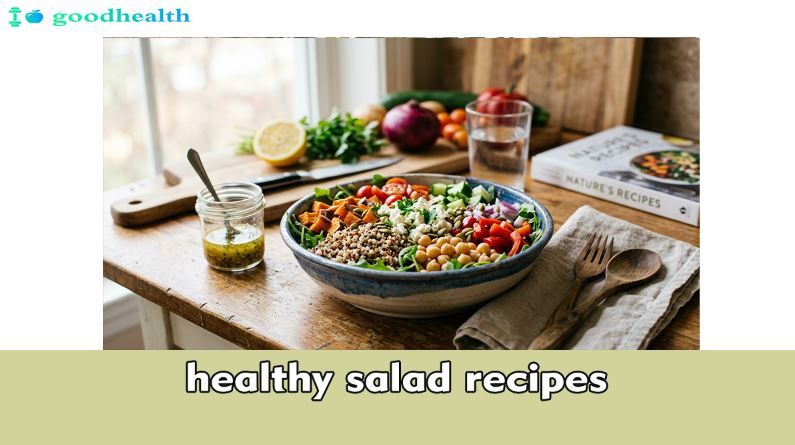
Transforming a bowl of raw vegetables into a culinary masterpiece requires more than simply tossing a few leaves together. For decades, the concept of a salad has been unfairly relegated to the sidelines of our dinner plates, often viewed as a compulsory, uninspiring appetizer rather than a satisfying main course. However, discovering truly delicious and healthy salad recipes can completely revolutionize your approach to daily nutrition. When crafted with intention, a salad becomes a vibrant tapestry of textures, flavors, and vital nutrients that can sustain your energy levels throughout the busiest of days. The secret lies in understanding the synergy between different food groups and learning how to build layers of flavor that excite the palate while deeply nourishing the body.
Essential Components of a Satisfying Bowl
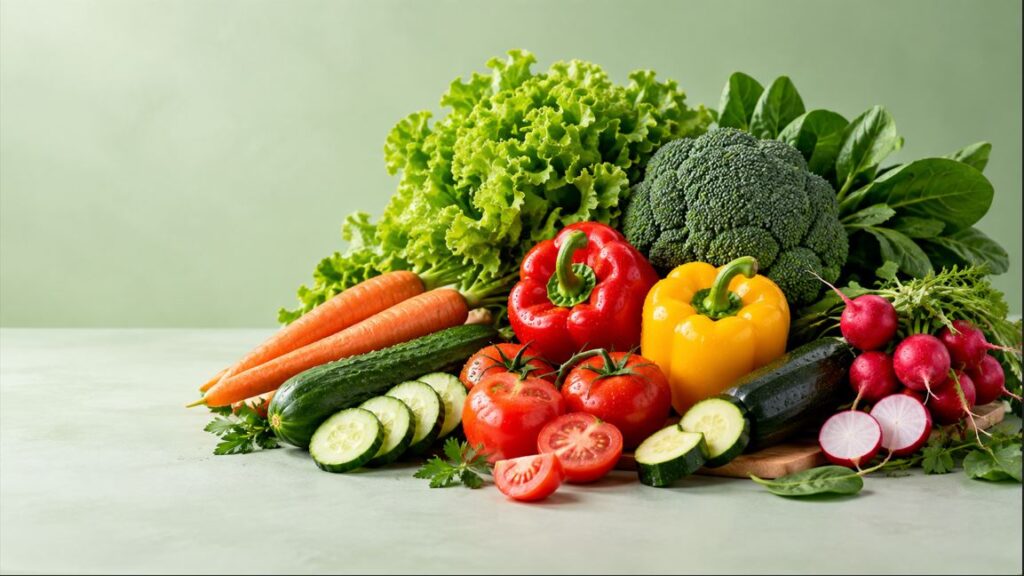
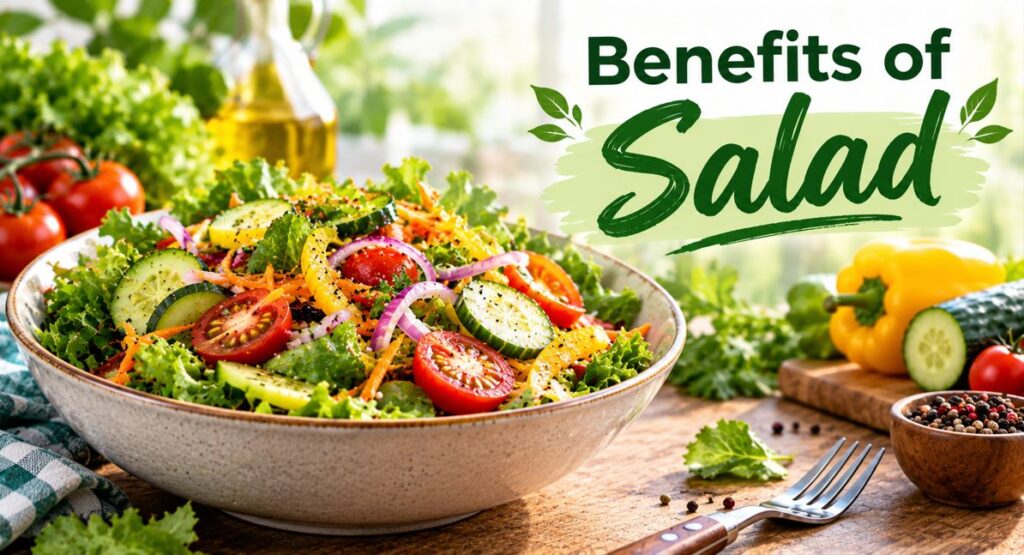
The foundation of any exceptional meal lies in its architectural structure, and salads are no exception to this culinary rule. To elevate your greens from a fleeting side dish to a satiating main course, you must construct your bowl using a thoughtful balance of macronutrients. The base typically consists of leafy greens, which provide a low-calorie, high-volume canvas rich in micronutrients and dietary fiber. Choosing darker greens over traditional iceberg lettuce instantly upgrades the nutritional profile of your meal, introducing higher levels of iron, calcium, and antioxidants.
Beyond the leafy foundation, a truly fulfilling bowl requires a substantial source of high-quality protein. Without adequate protein, even the largest bowl of vegetables will leave you reaching for a snack just hours later. Integrating robust proteins transforms the dish, signaling to your brain and digestive system that you are consuming a complete, sustaining meal. This crucial element slows the digestive process, helps regulate blood sugar levels, and provides the necessary building blocks for muscle repair and everyday cellular function.
Equally important to the structural integrity of your meal is the inclusion of healthy fats. Dietary fats are frequently misunderstood and unjustly avoided by those seeking to improve their diet, yet they are entirely non-negotiable for both flavor and biological function. Fat-soluble vitamins found abundantly in vegetables, such as vitamins A, E, and K, require the presence of dietary fat to be properly absorbed by the body. Incorporating sources of unsaturated fats not only ensures you reap the full nutritional benefits of your vegetables but also contributes a rich, luxurious mouthfeel that makes eating the meal a genuinely pleasurable experience.
Finally, contrasting textures elevate a good recipe to an unforgettable one. The human palate craves variety, and introducing a decisive crunch helps break up the monotony of softer greens and proteins. This can be achieved through a myriad of wholesome ingredients, from toasted nuts and seeds to crisp, water-dense vegetables like cucumbers and radishes. Balancing these crunchy elements with softer, sweeter additions, such as roasted root vegetables or fresh seasonal fruits, creates a complex flavor profile that keeps your taste buds engaged from the first bite to the last.
Building Flavor with Homemade Dressings
One of the most common pitfalls in healthy eating is relying on heavily processed, commercially prepared salad dressings. While convenient, these bottled products are often laden with refined sugars, artificial preservatives, and low-quality inflammatory oils that can quickly negate the nutritional benefits of your fresh produce. Mastering the art of the homemade vinaigrette is perhaps the most impactful step you can take toward perfecting your healthy salad recipes. Creating your own dressings allows you complete control over the quality of your ingredients, ensuring that every spoonful contributes positively to your overall well-being.
The classic vinaigrette follows a beautifully simple and highly adaptable ratio: three parts oil to one part acid. Extra virgin olive oil is the gold standard for your base, prized for its robust flavor and high concentration of heart-healthy monounsaturated fats. For the acidic component, you can explore a wide spectrum of vinegars, from sharp apple cider and delicate champagne vinegar to the deep, complex sweetness of aged balsamic. Alternatively, fresh citrus juices like lemon, lime, or grapefruit can provide a vibrant, bright acidity that perfectly complements lighter, summer-inspired bowls.
To ensure your dressing clings perfectly to your greens rather than pooling sadly at the bottom of the bowl, you must incorporate an emulsifier. Ingredients like Dijon mustard, a touch of honey, or a spoonful of tahini act as binding agents, forcing the oil and acid to suspend together in a smooth, creamy mixture. Beyond their structural purpose, these emulsifiers add profound depth of flavor. Whisking in finely minced shallots, crushed garlic, or freshly chopped herbs right before serving can transform a basic oil-and-vinegar mixture into a restaurant-quality dressing that dramatically enhances your raw ingredients.
Nutrient-Dense Greens and Grain Combinations
Moving away from the traditional, watery lettuce varieties opens up a new world of culinary possibilities. Dark, leafy greens such as kale, Swiss chard, and mature spinach offer incredible hardiness that stands up well to heavy dressings and warm toppings. Kale, in particular, benefits immensely from a brief physical massage with a small amount of olive oil and salt. This simple preparatory step breaks down the tough cellulose structure of the leaves, rendering them tender, easier to digest, and far more receptive to the flavors of your chosen dressing.
To transform a light vegetable dish into a robust, energy-sustaining powerhouse, integrating complex carbohydrates in the form of whole grains is a highly effective strategy. Ancient grains bring a delightful chewiness and a slightly nutty flavor that pairs beautifully with fresh vegetables. Unlike refined carbohydrates, whole grains contain their original bran and germ, meaning they are packed with dietary fiber, B vitamins, and trace minerals. They digest slowly, providing a steady, gentle release of glucose into the bloodstream rather than a sharp spike and subsequent crash.
Quinoa and Kale Power Bowls
Combining protein-rich quinoa with massaged kale creates an incredibly resilient base for a variety of flavor profiles. Because both of these ingredients are hearty and resistant to wilting, this combination is particularly well-suited for preparing ahead of time. You can toss the kale and warm quinoa together, allowing the grains to slightly wilt the greens while absorbing your dressing, resulting in a deeply flavorful and texturally satisfying foundation.
Mediterranean Farro and Spinach
Farro, an ancient wheat grain with a satisfyingly dense texture, serves as a brilliant anchor for Mediterranean-inspired ingredients. Tossing warm farro with fresh baby spinach allows the leaves to wilt just slightly, bridging the gap between a raw salad and a warm grain bowl. When paired with Kalamata olives, sun-dried tomatoes, and artichoke hearts, the farro absorbs the bright, briny flavors, resulting in a deeply comforting and nutritionally dense meal.
High-Protein Options for Sustained Energy
The inclusion of high-quality protein is the defining factor that transitions a salad from a side dish to a centerpiece. For those embracing a plant-based lifestyle, legumes offer an exceptional combination of protein, complex carbohydrates, and soluble fiber. Chickpeas are incredibly versatile; they can be tossed in raw for a soft, creamy texture or coated in warming spices and roasted until brilliantly crisp. Lentils, particularly the French green or black Beluga varieties, hold their shape beautifully after cooking and provide a dense, earthy anchor that pairs perfectly with sharp mustard vinaigrettes.
For those incorporating animal proteins, lean meats and fish provide highly bioavailable amino acids essential for optimal health. Grilled chicken breast remains a staple due to its mild flavor profile, which readily adopts the characteristics of whatever marinade or dressing it encounters. Wild-caught salmon is another spectacular addition, offering not only premium protein but also a potent dose of omega-3 fatty acids, which are renowned for their anti-inflammatory properties and benefits to cognitive health. Flaking a perfectly roasted piece of salmon over a bed of peppery greens creates an elegant, highly nutritious meal.
We must also recognize the humble egg as one of the most accessible and nutrient-dense protein sources available. A perfectly cooked egg, whether hard-boiled and sliced or soft-boiled with a jammy yolk that enriches the dressing, adds a luxurious richness to any bowl. Eggs are a complete protein and are particularly rich in choline, a nutrient critical for brain health and cellular metabolism. Combining chopped eggs with crisp greens, lean poultry, and a touch of avocado yields a remarkably balanced meal that will keep hunger at bay for hours.
Seasonal Ingredient Variations Throughout the Year
One of the greatest joys of exploring healthy salad recipes is the ability to adapt your meals to the changing seasons, ensuring you are always consuming produce at its absolute peak of flavor and nutritional density. During the spring and summer months, the focus shifts toward vibrant, hydrating ingredients that offer a refreshing respite from the heat. Sweet, juicy berries, ripe heirloom tomatoes, crisp cucumbers, and fresh sweet corn can be utilized abundantly. These high-water-content vegetables and fruits pair beautifully with lighter, citrus-forward dressings and delicate herbs like basil, mint, and cilantro.
As the weather cools and the transition into autumn and winter begins, the ingredients within your bowl should reflect the body’s natural craving for warmth and grounding sustenance. This is the perfect time to incorporate roasted root vegetables, such as sweet potatoes, carrots, and parsnips. Their natural sugars caramelize beautifully in the oven, providing a deeply savory and sweet contrast to raw winter greens like Brussels sprouts or radicchio. Adding seasonal fruits like crisp apples, juicy pears, or tart pomegranate arils introduces a bright, acidic crunch that cuts through the richness of the roasted vegetables.
Adapting your recipes to the seasons is not only a culinary best practice but also an environmentally and economically sound strategy. Produce grown and harvested in its appropriate season requires less artificial intervention, travels shorter distances to your local market, and typically costs less than out-of-season alternatives. By allowing the agricultural calendar to dictate your ingredient choices, you guarantee that your meals remain endlessly varied, exceptionally flavorful, and deeply connected to the natural world.
Meal Prep Strategies for Busy Schedules
Despite the undeniable health benefits, finding the time to wash, chop, and assemble fresh vegetables every single day can be a significant hurdle for those with demanding schedules. This is where strategic meal preparation becomes an invaluable tool. By dedicating just one hour over the weekend to intentional preparation, you can guarantee access to vibrant, wholesome meals throughout your busiest workdays. The key to successful salad prepping lies in understanding moisture control and ingredient separation to prevent your beautiful greens from turning into an unappetizing, soggy mess.
The mason jar method remains one of the most brilliant and effective techniques for preparing these meals days in advance. The architecture of the jar relies on strict layering principles. The dressing must always go in first, sitting squarely at the bottom. Next, you add your hardest, most non-absorbent ingredients—like cherry tomatoes, whole chickpeas, or crisp bell peppers—which act as a barrier, protecting the rest of the ingredients from the liquid. Above this protective layer, you can add your cooked grains, proteins, and softer vegetables. Finally, the delicate leafy greens are packed tightly at the very top, remaining crisp and completely dry until the moment you invert the jar into a bowl to eat.
If the jar method doesn’t appeal to your aesthetic or storage needs, a modular preparation approach works just as well. This involves washing and drying your greens thoroughly before storing them in a spacious container lined with paper towels to absorb excess ambient moisture. Concurrently, you can pre-chop your hardy vegetables, cook a large batch of grains, and roast your chosen proteins, storing each component in its own airtight container. When mealtime arrives, you simply pull the various containers from the refrigerator and construct your bowl in a matter of minutes, enjoying the exact same quality and freshness as if you had prepared it all from scratch that very moment.
Balancing Macronutrients for Weight Management
When utilized correctly, salads are one of the most powerful tools available for natural, sustainable weight management. Their inherent high volume and high water content allow you to consume visually large, deeply satisfying portions while naturally moderating your overall caloric intake. However, it is entirely possible to unintentionally construct a bowl that exceeds the caloric density of a fast-food meal if you are not mindful of your additions. The goal is not restriction, but rather intelligent, informed portioning of the most calorie-dense ingredients.
Ingredients such as artisanal cheeses, candied nuts, dried fruits, and heavy avocado are undeniably delicious and offer real nutritional value, but they are also highly concentrated sources of energy. To maintain a meal that aligns with weight management goals, you should treat these items as powerful flavor accents rather than primary base ingredients. A single tablespoon of sharply flavored feta or blue cheese will distribute its distinct taste throughout the entire bowl just as effectively as a half-cup portion, while keeping the overall energy balance of the meal in check.
Ultimately, the most successful approach to utilizing these meals for health optimization involves prioritizing fiber and protein above all else. A bowl heavily fortified with lean proteins, a modest portion of complex carbohydrates, and an abundance of fibrous vegetables will trigger the body’s natural satiety signals long before you overconsume. This thoughtful balance ensures steady blood glucose levels, eliminates the dreaded mid-afternoon energy crash, and leaves you feeling genuinely nourished, light, and invigorated.
Mastering the creation of beautifully composed, nutrient-dense bowls is a foundational skill that will serve your health and culinary enjoyment for a lifetime. By understanding the critical balance of proteins, fats, and complex carbohydrates, and by embracing the art of homemade vinaigrettes and seasonal ingredients, you elevate simple vegetables into extraordinary meals. Prioritizing intelligent preparation methods and focusing on high-quality, whole foods ensures that these dishes remain a practical, deeply satisfying cornerstone of your daily routine. Ultimately, committing to these wholesome culinary practices provides a sustainable, enjoyable pathway to sustained energy and long-term physical well-being.
How can I make a healthy salad actually keep me full?
You need to add a solid source of complex carbs like quinoa or sweet potato, plus protein and healthy fats to stay satisfied for hours.
What is the healthiest dressing to use on a daily salad?
A simple homemade vinaigrette using extra virgin olive oil, fresh lemon juice, and a pinch of salt is your best bet for avoiding hidden sugars.
How do I keep my salad crisp if I meal prep for the week?
Layer your wet ingredients and dressing at the very bottom of the container and keep your delicate leafy greens safely at the top until you are ready to shake and eat.
What are the best lean proteins to add to a green salad?
Grilled chicken breast, hard-boiled eggs, chickpeas, and baked tofu are excellent low-fat options that will easily bulk up your meal’s protein content.
How can I make a healthy salad taste good without adding croutons or bacon?
Try tossing in toasted nuts, seeds, or crispy roasted chickpeas for that satisfying crunch, and use fresh herbs to naturally elevate the flavor profile.
Please note
The content provided in this article is for educational and informational purposes only and should not be construed as medical, nutritional, or therapeutic advice. The recommendations provided may not be appropriate for everyone. The final decision regarding your health and lifestyle is yours, and we recommend that you consult with your doctor or other health professional before making any changes or taking any action.