herbal tea for stress

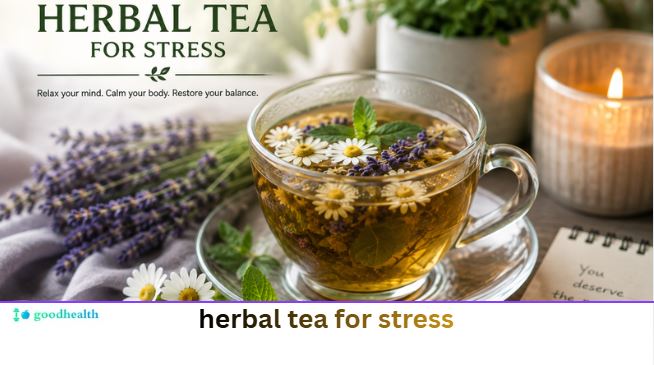
The relentless pace of modern society often leaves individuals searching for effective, natural ways to decompress and manage the physical and emotional toll of daily pressures. Among the vast array of wellness strategies available today, reaching for herbal tea for stress remains one of the most accessible, scientifically supported, and historically revered practices. Far from being a mere placebo or a simple comforting beverage, botanical infusions deliver active plant compounds directly into the body, initiating complex physiological responses that promote relaxation. By combining the pharmacological benefits of medicinal herbs with the psychological comfort of a warm routine, individuals can effectively counteract the exhausting effects of chronic tension and restore a sense of equilibrium to their nervous system.
The Science Behind Botanical Stress Relief
Understanding how a simple cup of brewed herbs alters human physiology requires looking at both the chemical composition of the plants and the biological response of the human body. When you consume herbal tea for stress, you are ingesting a potent liquid extract of phytochemicals, flavonoids, and volatile oils. These natural compounds pass through the digestive system and enter the bloodstream, where they can cross the blood-brain barrier and interact directly with neurotransmitters. Many nervine and adaptogenic herbs specifically target the production and reception of gamma-aminobutyric acid (GABA), an inhibitory neurotransmitter that naturally calms central nervous system activity, effectively turning down the dial on anxiety and hyperarousal.
Beyond the molecular level, the physical act of consuming a hot beverage stimulates the vagus nerve, a critical component of the parasympathetic nervous system. The vagus nerve runs from the brainstem down through the abdomen, and its activation signals the body to shift out of a fight-or-flight state and into a rest-and-digest state. The warmth of the liquid gently increases internal body temperature, which triggers vasodilation, improves blood flow, and relaxes tense muscle tissues. This dual-action approach—combining specific plant medicine with physical vagal stimulation—makes botanical infusions remarkably efficient at interrupting acute stress responses.
Furthermore, integrating a deliberate tea-drinking routine plays a profound role in long-term personal development. When individuals consciously choose to step away from their stressors to brew a cup of herbs, they are actively replacing negative coping habits—such as mindless scrolling, excessive caffeine consumption, or emotional eating—with a restorative practice. This intentional pause creates a healthy boundary between work and personal time, fostering a healthier lifestyle where mental clarity and emotional regulation are prioritized over constant, draining productivity.
Chamomile: The Foundational Calming Brew
Chamomile is universally recognized as the quintessential herbal tea for stress, and its enduring popularity is heavily backed by modern scientific research. The primary active compound in chamomile is a flavonoid called apigenin. Apigenin has a unique ability to bind to specific benzodiazepine receptors in the brain, producing a mild sedative effect that reduces generalized anxiety and promotes deep, restorative sleep. Unlike synthetic pharmaceuticals that target these same receptors, chamomile delivers a gentle calming effect without leaving the individual feeling groggy, heavily sedated, or chemically dependent the following morning.
In addition to its direct impact on brain chemistry, chamomile is exceptionally effective at soothing the gastrointestinal tract, which is deeply intertwined with emotional well-being via the gut-brain axis. Chronic stress frequently manifests physically as stomach cramps, indigestion, or irritable bowel symptoms. Chamomile acts as a potent antispasmodic, relaxing the smooth muscle lining of the digestive system and reducing the physical discomforts associated with high-anxiety states. By alleviating physical tension in the gut, chamomile sends secondary signals of safety and relaxation back up to the brain.
To extract the maximum therapeutic benefit from chamomile, proper preparation is essential. The delicate volatile oils that contain the plant’s medicinal properties easily evaporate if exposed to boiling water or left uncovered during the steeping process. It is best to use hot, but not violently boiling water, and to cover the teacup or pot while the flowers steep for at least five to ten minutes. This ensures that the medicinal oils remain trapped in the infusion rather than dissipating into the surrounding air, delivering a highly concentrated, effective dose of relaxation.
Ashwagandha Root: Building Resilience With Adaptogens
While many herbs act as immediate nervines to calm acute anxiety, ashwagandha root operates in an entirely different category known as adaptogens. Adaptogens are unique botanical substances that help the body adapt to external stressors, resist the damaging effects of chronic tension, and restore internal homeostasis. Rather than simply sedating the nervous system, ashwagandha actively regulates the hypothalamic-pituitary-adrenal (HPA) axis, the central hormone response system responsible for managing the body’s reaction to perceived threats.
Regular consumption of ashwagandha tea has been clinically shown to significantly lower serum levels of cortisol, the primary stress hormone. When cortisol levels remain elevated for extended periods due to ongoing lifestyle pressures, it leads to systemic inflammation, immune suppression, and profound mental fatigue. By modulating the release of cortisol, ashwagandha prevents the adrenal glands from burning out, allowing the body to maintain a steady, grounded energy throughout the day rather than experiencing the erratic spikes and crashes associated with caffeine or untreated anxiety.
Because ashwagandha is a dense root rather than a delicate flower, it requires a slightly more robust brewing method to release its therapeutic compounds. A traditional decoction involves gently simmering the dried root in water for ten to fifteen minutes. Due to its deeply earthy and slightly bitter flavor profile, ashwagandha is frequently blended with warm milk, a touch of honey, and spices like cinnamon or cardamom. Consuming this grounding brew consistently over several weeks is an excellent strategy for those seeking a long-term, healthy life approach to managing demanding careers, emotional burdens, or significant life transitions.
Lemon Balm: Uplifting the Nervous System
Lemon balm is a vibrant, fragrant member of the mint family that has been utilized for centuries to dispel melancholy and alleviate nervous exhaustion. Modern phytochemistry has revealed that lemon balm contains high concentrations of rosmarinic acid, a compound that uniquely inhibits an enzyme called GABA transaminase. By preventing the breakdown of GABA in the brain, lemon balm effectively increases the availability of this calming neurotransmitter, resulting in sustained mood elevation and a profound sense of tranquility.
What sets lemon balm apart from heavier sedative herbs is its ability to promote cognitive clarity while simultaneously reducing anxiety. Many individuals struggle with stress that completely derails their focus, leaving them feeling overwhelmed and unable to concentrate on daily tasks. Lemon balm acts as a mild nootropic, smoothing out the jagged edges of a highly stressed nervous system without inducing sleepiness. This makes it an ideal daytime herbal tea for stress, perfect for sipping during a tense workday or before a challenging presentation when you need to remain alert but internally peaceful.
The delicate citrus notes of lemon balm make it highly palatable and refreshing, whether served steaming hot or gently chilled over ice. Because its essential oils are highly volatile and easily lost during aggressive processing, sourcing high-quality, minimally processed dried leaves—or growing the resilient plant at home for fresh use—yields the most potent therapeutic results. Incorporating a daily cup of lemon balm tea serves as a bright, uplifting ritual that actively supports emotional regulation and healthy cognitive function.
Passionflower: Quieting a Hyperactive Mind
For individuals whose stress manifests as relentless rumination, racing thoughts, and an inability to switch off their mind at night, passionflower offers targeted, powerful relief. Native to the Americas, passionflower has a long history of traditional use as a remedy for restlessness and anxiety-induced insomnia. The complex alkaloids and flavonoids found in the plant’s leaves and stems work synergistically to depress central nervous system overactivity, essentially putting the brakes on a hyperactive mind that is trapped in a loop of worry.
Passionflower is particularly beneficial for breaking the negative habits of overthinking and nighttime anxiety that so often sabotage healthy sleep architecture. When stress levels are high, the brain remains in an energized beta-wave state, scanning the environment for threats even when it is time to rest. Passionflower facilitates the transition into slower, restorative alpha and theta brainwave states. It does not force the body into an artificial slumber but rather removes the neurological barriers to relaxation, allowing natural fatigue to take over.
Because of its potent anxiolytic properties, passionflower is frequently combined with other relaxing botanicals, such as valerian root or hops, to create comprehensive stress-relief blends. When brewing passionflower tea, a steep time of ten to fifteen minutes is recommended to fully draw out the beneficial alkaloids. Enjoying a cup approximately one hour before bed creates a distinct transition period, signaling to the brain that the demands of the day are officially over and that it is safe to enter a state of deep, restorative rest.
Holy Basil: Cultivating Inner Harmony
Holy Basil, widely known as Tulsi in Ayurvedic medicine, is revered as an “Elixir of Life” and stands out as one of the most comprehensive herbs for combating the multifaceted nature of modern stress. Like ashwagandha, Tulsi is a powerful adaptogen, but its physiological reach extends beyond adrenal support to encompass metabolic, environmental, and emotional defense mechanisms. It actively protects the body’s tissues against the oxidative stress caused by psychological pressure, poor diet, and environmental toxins, making it a foundational element of a truly healthy life.
On a psychological level, Tulsi is celebrated for its ability to clear mental fog and elevate the spirit. It possesses unique anti-depressant and anti-anxiety properties that work in harmony to stabilize mood fluctuations. Regular consumption of Tulsi tea helps blunt the extreme emotional peaks and valleys that accompany high-stress periods, cultivating a steady, resilient inner harmony. It is often described as providing liquid yoga, offering the same centering, grounding effects as a deep meditation or breathwork session.
Incorporating Tulsi into a daily wellness routine is effortless due to its pleasant, slightly spicy, and herbaceous flavor profile. It can be consumed multiple times throughout the day without any risk of over-sedation. By consistently drinking Tulsi tea, individuals can create a sustainable buffer against incoming stressors, proactively protecting their mental and physical well-being rather than waiting to treat anxiety only after it has reached a boiling point.
Valerian Root: Deep Restoration for the Overworked System
When chronic stress begins to take a severe physical toll, resulting in knotted muscles, tension headaches, and profound sleep deprivation, valerian root serves as a heavy-hitting botanical intervention. Valerian has been rigorously studied for its strong sedative properties, primarily driven by valerenic acid. This compound not only enhances GABA signaling but also interacts directly with serotonin receptors, providing significant relief from both physical pain and psychological distress.
Valerian is not typically suited for casual daytime drinking due to its powerful relaxing effects, which can lead to drowsiness. Instead, it is best reserved for the evening, specifically for individuals who are struggling to break the cycle of stress-induced insomnia. By promoting rapid sleep onset and improving the overall quality of slow-wave sleep, valerian root ensures that the nervous system receives the deep, uninterrupted restoration it requires to heal from prolonged periods of high adrenaline and cortisol output.
The aroma of brewed valerian root is notoriously pungent and earthy, which can be initially off-putting to some. To improve the sensory experience, herbalists rarely brew valerian on its own. It is highly recommended to blend the root with sweeter, more aromatic herbs like peppermint, cinnamon, or lemon balm. This strategic blending masks the intense aroma while still delivering the profound physical relaxation necessary to reset an overworked, heavily stressed body.
Establishing a Restorative Daily Tea Practice
The transition from merely understanding the benefits of medicinal herbs to actually experiencing their stress-relieving power lies in the consistent application of a daily routine. Building a healthy life is largely about constructing positive daily habits that crowd out negative, destructive behaviors. The simple act of preparing herbal tea for stress serves as a powerful behavioral interrupt. When you feel anxiety mounting, choosing to boil water, select a botanical blend, and wait for it to steep forces a necessary pause in your day, disrupting the momentum of panic or overwhelm.
Mindfulness is a crucial component of maximizing this botanical therapy. Engaging all of your senses during the brewing process—listening to the water boil, watching the herbs unfurl and change the color of the water, feeling the heat of the ceramic mug, and inhaling the therapeutic aromatic steam—anchors your mind in the present moment. This sensory engagement pulls your attention away from future-oriented anxieties and past regrets, providing an immediate, grounding psychological relief that complements the chemical benefits of the herbs.
Setting clear boundaries around this tea-drinking ritual enhances its efficacy. Dedicating just ten to fifteen minutes of screen-free time to consume your beverage allows the nervous system to fully register the relaxing inputs. By treating this small window of time as an unbreakable commitment to your personal development and mental health, the daily tea ritual transforms from a simple beverage break into a profound anchor of stability amid a chaotic world.
Selecting and Brewing High-Quality Botanicals
To achieve authentic, therapeutic results from herbal medicine, the quality of the raw materials cannot be overlooked. The mass-produced, finely ground tea dust found in conventional supermarket tea bags often lacks the potency required for significant stress relief. The aggressive milling process exposes the plant matter to excess oxygen, causing the essential volatile oils—which carry the majority of the calming properties—to rapidly degrade and evaporate long before the box reaches your pantry.
Opting for high-quality, organic loose-leaf herbs ensures that the plant structures remain largely intact, preserving their medicinal integrity and aromatic power. Loose-leaf herbs also require ample space to expand as they rehydrate, allowing the water to circulate freely and extract the maximum amount of active compounds. Investing in a simple stainless steel infuser or a glass teapot provides the necessary room for the botanicals to unfurl, resulting in a significantly more potent and flavorful medicinal infusion.
Sourcing organic botanicals is particularly important when utilizing herbs for health and detoxification. Plants heavily treated with synthetic pesticides and herbicides introduce new chemical stressors to the liver and immune system, counteracting the very restorative benefits you are seeking to achieve. By prioritizing clean, sustainably sourced herbs, you ensure that every cup of tea delivers pure, unadulterated botanical support to your nervous system.
Embracing Natural Calm Through Botanical Support
Addressing the complex realities of modern stress requires a multifaceted approach that honors both the biological and psychological needs of the human body. Integrating high-quality botanical infusions into a daily routine offers a highly effective, scientifically validated method for downregulating a hyperactive nervous system, balancing critical stress hormones, and providing necessary mental clarity. Whether utilizing the gentle embrace of chamomile, the adaptogenic resilience of ashwagandha, or the uplifting clarity of lemon balm, nature provides a diverse apothecary capable of meeting varying degrees of anxiety and tension.
Choosing to prioritize this grounding ritual is a powerful step toward reclaiming autonomy over your physical and emotional well-being. By stepping away from the rush of daily obligations to engage in the mindful preparation of medicinal plants, individuals actively foster a more resilient, balanced lifestyle. The deliberate, consistent use of these potent botanicals transcends temporary relief, ultimately serving as a foundational pillar for long-term health, mental endurance, and deep restorative peace.
Which herbal tea is best for severe anxiety and stress?
Chamomile, ashwagandha, and lemon balm are widely considered the most effective herbal teas for naturally reducing severe anxiety and stress levels.
How fast does chamomile tea work to calm you down?
Most people start to feel the soothing, mild sedative effects of chamomile tea within 30 to 45 minutes of drinking a warm cup.
Is it safe to drink stress-relief teas every single day?
Yes, drinking mild, non-caffeinated herbal teas daily is generally safe and can be an excellent addition to your regular wellness routine.
Can herbal teas for stress make you feel too sleepy during the day?
Certain blends containing valerian root or high doses of chamomile can cause drowsiness, so it is best to save those specific teas for bedtime.
Do ashwagandha and other adaptogen teas actually work for chronic stress?
Adaptogen teas like ashwagandha can be highly effective at lowering cortisol over time, making them a great long-term strategy for managing chronic stress.
please note
The content provided in this article is for educational and informational purposes only and should not be construed as medical, nutritional, psychological, or therapeutic advice. The advice provided may not be appropriate for everyone. The final decision regarding your health and lifestyle is yours, and we recommend that you consult with your doctor, counselor, or other health professional before making any changes or taking any action.