
What are the side effects of eating too much fast food?

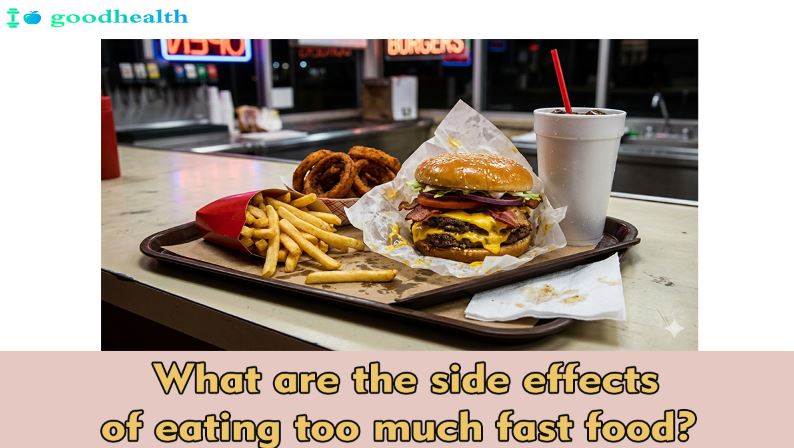
The modern food landscape is engineered for ultimate convenience, offering hyper-palatable, inexpensive, and readily available meals at almost any hour of the day. Stepping into a local drive-thru or ordering a quick meal through a delivery application has become an effortless, heavily ingrained part of daily routine for millions of people. While an occasional burger, slice of pizza, or side of fries can fit into a generally balanced lifestyle without causing significant harm, making these ultra-processed options a dietary staple triggers a complex and systemic chain reaction inside the human body. Beyond the highly publicized conversations surrounding caloric intake and weight management, a diet dominant in processed items introduces a cascade of physiological challenges that degrade overall well-being.
Understanding the comprehensive side effects of eating too much fast food requires looking far beneath the surface of the skin. These ultra-processed ingredients actively alter metabolic health, compromise cardiovascular function, disrupt the delicate balance of the digestive system, and even impair cognitive performance. Because these meals are meticulously formulated with heavy concentrations of refined carbohydrates, industrial fats, and synthetic additives, they force the body to process compounds it was never evolutionarily designed to handle in such massive quantities. By examining the biological mechanisms disrupted by chronic fast food consumption, individuals can better grasp the invisible toll these convenience meals extract from their long-term health and daily vitality.
The Immediate Impact on Blood Sugar and Insulin Responses
Every time a meal high in refined carbohydrates and added sugars is consumed, the digestive tract rapidly converts these complex structures into simple glucose. Fast food items like white-bread hamburger buns, battered meats, deep-fried potatoes, and highly sweetened sodas are notoriously stripped of their naturally occurring dietary fiber. In a whole-food diet, fiber acts as a necessary biological brake to slow down digestion and regulate nutrient absorption. Without this fibrous matrix, glucose floods the bloodstream almost immediately after a meal, causing a sharp, sudden, and dangerous spike in blood sugar levels.
In response to this unnatural influx of circulating glucose, the pancreas is forced to work overtime, secreting abnormally large quantities of insulin. Insulin acts as a cellular key, unlocking muscle, fat, and liver cells so they can absorb glucose from the blood to use for immediate energy or store for later use. When ultra-processed meals are consumed frequently throughout the week, the body enters a perpetual, exhausting cycle of drastic blood sugar peaks followed by rapid, energy-draining crashes. These severe fluctuations are what leave individuals feeling chronically fatigued and lethargic shortly after finishing a heavy fast food meal.
Over an extended period, this continuous demand forces the pancreas to pump out elevated levels of insulin just to keep baseline blood sugar stable. Eventually, peripheral tissues begin to desensitize themselves to the constant presence of this hormone, a physiological shift known as insulin resistance. When cells resist insulin, glucose remains trapped in the bloodstream for extended periods, forcing the pancreas to work even harder until its beta cells can no longer keep up with the demand. This state of metabolic exhaustion is the primary, direct pathway toward developing metabolic syndrome, prediabetes, and ultimately type 2 diabetes.
Cardiovascular Strain and the Dangers of High Sodium
https://goodhealth.blog/category/nutrition-diet/healthy-eating-tips/The cardiovascular system bears a substantial and immediate burden when a diet relies heavily on processed convenience foods. Commercial fast food preparations are heavily reliant on sodium, utilizing it not only as a potent flavor enhancer but also as a powerful chemical preservative to extend shelf life across massive global supply chains. A single fast-food value meal, consisting of a sandwich, fries, and a sauce, can easily exceed the total daily recommended sodium intake of 1,500 to 2,300 milligrams established by major cardiovascular health organizations.
When a massive dose of dietary sodium enters the bloodstream, it fundamentally alters the delicate fluid balance within the body. To dilute the toxic excess of salt in the blood, the kidneys retain massive amounts of water, which significantly increases the overall volume of blood circulating through the vascular network. This sudden increase in fluid volume places immediate, intense mechanical pressure on the delicate walls of the arteries and blood vessels.
Over time, this state of chronic high blood pressure, medically known as hypertension, physically stiffens and damages the arterial walls. The heart muscle is subsequently forced to pump with drastically more force simply to circulate blood throughout the body. This relentless strain causes the heart muscle to thicken abnormally, significantly increasing the long-term risk of heart failure, hypertensive crises, and chronic kidney disease as the delicate filtering vessels in the kidneys become irreversibly damaged by the high-pressure blood flow.
Industrial Fats and Arterial Plaque Accumulation
Beyond the sheer volume of sodium, the specific types of lipids used in commercial frying and baking introduce severe arterial risks. While many fast food chains have publicly reduced their use of partially hydrogenated oils, commercially fried items and mass-produced pastries still contain significant amounts of saturated fats and industrially altered lipids formed during prolonged, high-heat processing. These stable but structurally unhealthy fats directly alter the body’s blood lipid profile by elevating low-density lipoprotein, commonly referred to as bad cholesterol, while simultaneously lowering the protective high-density lipoprotein cholesterol.
When oxidized low-density lipoprotein cholesterol circulates through blood vessels that have already been weakened, scarred, or inflamed by high blood pressure, it begins to penetrate the endothelial lining of the arteries. The immune system dispatches white blood cells to the site to consume these fatty deposits, transforming them into foam cells that eventually harden into calcified arterial plaque. This progressive narrowing and hardening of the arteries, known as atherosclerosis, drastically restricts oxygen-rich blood flow to vital organs. If a piece of this unstable plaque ruptures, it can form a localized blood clot, directly triggering life-altering cardiovascular events such as myocardial infarctions or ischemic strokes.
Digestive Disruptions and Gut Microbiome Imbalance
The human gastrointestinal tract relies heavily on a complex, highly diverse ecosystem of trillions of microscopic bacteria to regulate digestion, support robust immune function, and manufacture essential metabolic vitamins. This internal microbiome thrives specifically on complex prebiotic fibers found abundantly in whole foods like vegetables, legumes, whole grains, and fresh fruits. Because the vast majority of fast-food items are mechanically stripped of their natural fiber matrix during industrial refinement, the helpful, protective bacteria in the gut are effectively starved of their primary foundational food source.
When the daily diet lacks diverse fibrous inputs, the internal environment shifts, allowing less beneficial, sugar-loving microbial strains to multiply and dominate the gut landscape. This dangerous state of microbial imbalance, clinically referred to as dysbiosis, severely compromises the structural integrity of the intestinal barrier. A weakened, highly permeable gut lining can allow microscopic, undigested food particles and bacterial endotoxins to pass directly into the systemic blood circulation, triggering a widespread immune response known as systemic inflammation.
Slowed Digestion and Gastrointestinal Discomfort
From a purely mechanical standpoint, the heavy combination of high fat content and exceptionally low dietary fiber drastically alters how food moves through the human digestive tract. Dietary lipids require a prolonged, highly resource-intensive breakdown process involving bile acids from the gallbladder and specific pancreatic enzymes, which naturally slows down the rate of gastric emptying. When a highly fatty meal lacks the structural, fibrous bulk required to stimulate peristalsis—the rhythmic muscular contractions of the intestines—the entire digestive timeline stalls.
This prolonged intestinal transit time frequently manifests as intensely uncomfortable physical symptoms, including chronic bloating, upper abdominal pressure, painful acid reflux, and severe constipation. Conversely, when the digestive system is suddenly overwhelmed by an excessive volume of greasy, poorly emulsified fats that it cannot properly break down and absorb in the small intestine, those intact lipids pass directly into the colon. Once in the large intestine, these unabsorbed fatty acids disrupt normal fluid absorption, occasionally triggering sudden, unpredictable episodes of osmotic diarrhea and chronic bowel irregularity.
Cognitive Fluctuations and Neurological Consequences
The impact of a fast-food-heavy diet extends far beyond the physical boundaries of the body, exerting a profound and measurable influence on brain chemistry, cognitive performance, and daily emotional stability. The human brain is an incredibly energy-demanding organ that requires a steady, predictable, and uninterrupted supply of glucose to function optimally. When an individual relies primarily on highly processed meals, the resulting physiological rollercoaster of rapid blood sugar spikes followed by sudden insulin-driven drops directly disrupts this delicate neurological energy supply.
During the sharp drop in blood glucose that typically occurs an hour or two after consuming a heavy processed meal, the brain experiences a localized, acute energy crisis. This rapid depletion of available neuronal fuel manifests behaviorally as intense brain fog, compromised short-term memory recall, a profound inability to sustain focus on complex tasks, and a sudden wave of physical lethargy. To counteract this perceived biological energy shortage, the brain often triggers intense psychological cravings for more fast-acting carbohydrates, locking the individual into a self-perpetuating, exhausting cycle of neurological highs and lows.
Nutritional Deficiencies and Mood Regulation
On a deeper structural level, the chronic systemic inflammation and distinct lack of essential micronutrients characteristic of a fast-food diet can physically alter neurotransmitter synthesis and mood regulation. The human gut is heavily responsible for producing a vast majority of the body’s serotonin, a vital neurotransmitter intimately involved in stabilizing daily mood, sleep cycles, and general feelings of well-being. When gut health is severely compromised by dietary dysbiosis and a lack of prebiotic fiber, this critical brain-gut signaling pathway becomes actively disrupted, leading to noticeable emotional fluctuations.
Furthermore, diets uniquely high in commercial frying fats and industrial seed oils, while simultaneously lacking in neuro-protective anti-inflammatory omega-3 fatty acids, physically alter the structural fluidity of neuronal cell membranes in the brain. This cellular stiffening makes it significantly more difficult for brain cells to communicate efficiently through their neurotransmitter receptors. Contemporary nutritional psychiatry increasingly points to a remarkably clear correlation between the high, frequent consumption of ultra-processed foods and a statistically increased risk of developing clinical depressive symptoms, heightened anxiety disorders, and general emotional volatility.
Unintentional Weight Gain and Metabolic Syndrome
One of the most widely recognized, yet structurally complex, side effects of heavy fast food consumption is the rapid accumulation of excess body fat. Fast food is meticulously engineered to be hyper-palatable, combining specific ratios of salt, sugar, and fat that bypass the brain’s natural satiety signals and encourage passive overeating. These meals possess an incredibly high caloric density but an exceptionally low nutritional density, meaning individuals consume thousands of empty calories without acquiring the essential vitamins, minerals, and amino acids the body actually requires to function.
Because these meals lack the physical bulk of fiber and the slow-digesting properties of high-quality lean proteins, they fail to stretch the stomach walls or trigger the release of fullness hormones like leptin. Consequently, a person can consume a massive caloric surplus in a single sitting and still feel genuine physical hunger just a few hours later. The body has no choice but to convert this massive surplus of unused energy into triglycerides, storing them directly within specialized adipose tissue cells scattered throughout the body.
The most dangerous aspect of this diet-induced weight gain is the specific accumulation of visceral fat—the deep, dense adipose tissue that aggressively wraps around internal organs like the liver, pancreas, and intestines. Unlike subcutaneous fat located just beneath the skin, visceral fat is highly active metabolic tissue that continuously pumps inflammatory cytokines directly into the bloodstream. This localized organ fat accumulation is the driving force behind non-alcoholic fatty liver disease and is the central pillar of metabolic syndrome, a dangerous cluster of conditions that exponentially increases the risk of early mortality.
Musculoskeletal Vulnerability and Bone Health
Maintaining a structurally strong skeletal framework and highly resilient joint tissue requires a steady, daily intake of foundational micronutrients, specifically calcium, magnesium, vitamin D, and high-quality dietary amino acids. Fast food menus are notoriously, fundamentally deficient in these critical bone-building micronutrients, replacing them instead with biologically useless empty calories. To compound the issue, dark sodas heavily consumed alongside fast food meals contain high levels of phosphoric acid, an industrial additive used to create a sharp, biting flavor profile and prevent the sugary syrup from spoiling.
When excess dietary phosphorus enters the bloodstream in the absence of adequate calcium, it fundamentally disrupts the body’s delicate mineral balance. To maintain necessary calcium levels in the blood for critical functions like muscle contraction and heart rhythm, the body will actively pull stored calcium directly out of the bone matrix. Over years of chronic soda and fast food consumption, this continuous leaching process steadily degrades overall bone mineral density, significantly accelerating the onset of osteopenia and leaving the skeletal framework highly vulnerable to stress fractures and osteoporosis.
Joint Stress and Adipose-Driven Inflammation
The connection between excess body weight generated by processed foods and chronic joint pain is not merely a mechanical issue of gravity; it is also an intensely chemical and inflammatory problem. As an individual gains weight from a high-calorie fast food diet, the resulting physical mass places a direct, continuous, and compounding mechanical strain on the weight-bearing components of the musculoskeletal system. The lumbar spine, hip sockets, and knee joints bear the brunt of this unnatural compressive force, physically grinding down the protective cartilage over time.
However, the expanding white adipose tissue driving this weight gain functions as an active endocrine organ, releasing highly specialized inflammatory molecules called adipokines directly into the systemic circulation. These circulating molecules travel seamlessly throughout the body and penetrate the synovial fluid within joint capsules, where they actively accelerate the cellular breakdown of chondrocytes—the specialized cells strictly responsible for repairing and maintaining healthy cartilage. This devastating combination of increased physical weight compressing the joints and constant chemical inflammation eroding the connective tissue drastically accelerates the progression of painful osteoarthritis.
Skin Health Degradation and Accelerated Cellular Aging
The visual impact of a highly processed diet is often first noticed in the degradation of skin health and the acceleration of physical aging. The cooking methods absolutely central to modern fast food preparation—such as deep-frying in reused oils, flame-broiling, and high-heat commercial grilling—create highly reactive, harmful compounds known as Advanced Glycation End-Products. When individuals consume these heavily processed meats and cheeses, their bodies absorb these dangerous proteins and fats that have become irreversibly cross-linked with sugars during the extreme heat of the cooking process.
Once circulating inside the human body, these glycation compounds bind specifically to cellular receptors, triggering a massive, widespread wave of internal oxidative stress. This biochemical process generates an uncontrollable excess of unstable free radicals that easily overwhelm the body’s natural, built-in antioxidant defenses. These free radicals aggressively attack and degrade structural skin proteins, specifically collagen and elastin, which are responsible for keeping the skin firm, youthful, and resilient. The physical manifestation of this internal cellular damage includes premature facial wrinkling, severe loss of tissue elasticity, and an uncharacteristically dull complexion.
Furthermore, the continuous dietary influx of simple sugars and dairy products commonly found in fast food directly stimulates the overproduction of sebum, the natural oil produced by glands in the skin. When excess sebum production is combined with the high levels of systemic inflammation caused by the diet, the skin’s pores easily become blocked and infected by surface bacteria. This specific inflammatory and hormonal environment is a primary dietary trigger for chronic cystic acne and various persistent dermatological flare-ups that are highly resistant to topical treatments.
The vast array of systemic complications resulting from an overreliance on ultra-processed meals makes it undeniably clear that dietary habits dictate the functional baseline of human health. The side effects of eating too much fast food extend deeply into every vital system, compounding to create a biological environment characterized by chronic inflammation, hormonal imbalance, and accelerated cellular decay. Shifting away from these commercially engineered convenience foods and returning to a foundational diet of whole, nutrient-dense ingredients is the most effective intervention to halt these negative processes. By prioritizing fresh produce, lean proteins, and complex dietary fibers, the body can successfully repair metabolic damage, restore digestive harmony, and naturally rebuild the physiological resilience required for long-term health and vitality.
What happens to your body if you eat fast food every day?
Consuming fast food daily floods your system with excess sodium, trans fats, and refined sugars, which rapidly increases your risk of chronic conditions like obesity, type 2 diabetes, and cardiovascular disease.
Can eating too much fast food cause sudden weight gain?
Yes, because fast food is incredibly calorie-dense and low in fiber, making it very easy to overeat and consume a massive surplus of calories before your brain registers that you are full.
How does a heavy fast food diet affect your energy levels and mood?
The high-glycemic carbohydrates in fast food trigger massive, rapid spikes and subsequent crashes in your blood sugar, leaving you feeling chronically fatigued, sluggish, and increasingly irritable throughout the day.
Does eating greasy fast food actually trigger acne and skin breakouts?
While it doesn’t directly cause acne on its own, a diet high in the refined carbohydrates and unhealthy fats found in fast food triggers systemic inflammation and hormonal spikes that can significantly worsen breakouts.
How long does it take for your body to recover after eating too much fast food?
While immediate bloating and sluggishness from a single heavy meal usually fade within twenty-four to forty-eight hours as your body processes the sodium, reversing the long-term cellular and metabolic impacts of a chronic fast food habit takes weeks of consistent, nutrient-dense eating.
Please note
The content provided in this article is for educational and informational purposes only and should not be construed as medical, nutritional, or therapeutic advice. The recommendations provided may not be appropriate for everyone. The final decision regarding your health and lifestyle is yours, and we recommend that you consult with your doctor or other health professional before making any changes or taking any action.


