
benefits of celery

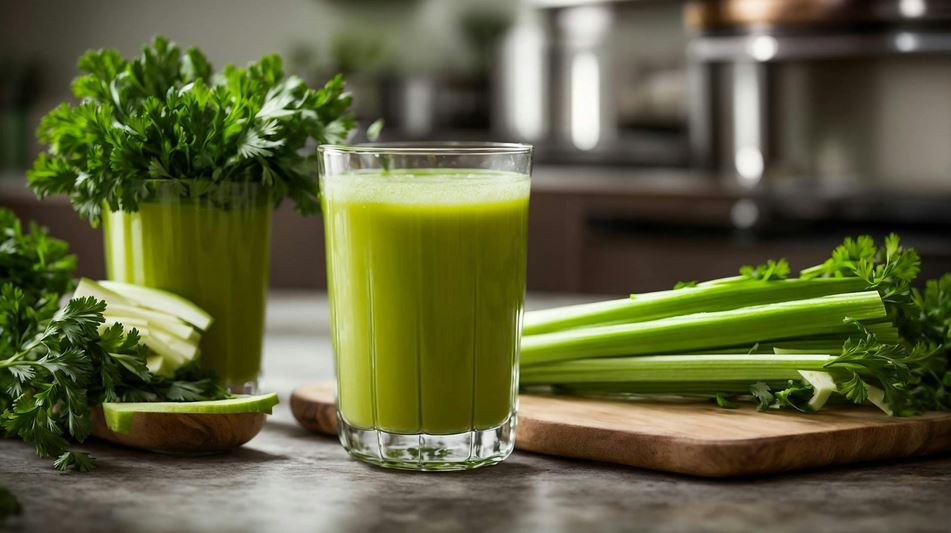
Celery is often treated as a simple, crunchy side vegetable, but it can do more for everyday meals than add texture. It is naturally low in calories, contains a high proportion of water, and provides useful amounts of dietary fiber, vitamin K, potassium, folate, and beneficial plant compounds. These qualities make celery an easy ingredient to include in meals when you want more vegetables, a refreshing snack, or extra crunch without adding many calories.
The benefits of celery are best understood as part of an overall healthy eating pattern, not as a special cure or detox treatment. Its water content can contribute to hydration, its fiber supports normal digestion, and its vitamin K contributes to blood clotting and bone health. This guide explains what celery provides, what nutritional science tells us, how to use it, and when a little extra care may be appropriate.
Celery Nutrition Facts: Calories, Fiber, Vitamins, and Minerals
Raw celery is made up of roughly 95% water and is a low-energy vegetable. A 100-gram portion typically provides around 14 to 16 calories, about 3 grams of carbohydrates, less than 1 gram of protein, and very little fat. It also supplies approximately 1.5 to 1.6 grams of dietary fiber, although exact values depend on the variety and growing conditions. These characteristics make celery a convenient way to add volume and crunch to meals without contributing many calories.
Celery contains vitamin K, potassium, folate, and smaller amounts of vitamin C, vitamin A, calcium, and other micronutrients. Vitamin K is important for normal blood clotting and plays a role in bone metabolism. Potassium helps nerves and muscles function and contributes to normal fluid balance. Folate is needed for cell division and the formation of healthy red blood cells.
| Nutrient | Approximate amount per 100 g |
|---|---|
| Calories | 14–16 kcal |
| Water | About 95 g |
| Dietary fiber | 1.5–1.6 g |
| Potassium | About 260 mg |
| Vitamin K | About 29–30 mcg |
| Carbohydrates | About 3 g |
Values are approximate and can vary between food databases and serving sizes. For additional nutritional information, consult USDA FoodData Central. A single vegetable does not provide every nutrient in meaningful amounts, so variety remains more important than focusing on celery alone.
1. Celery Supports Hydration
One of the clearest benefits of celery is its high water content. Fresh stalks contain around 95% water, so eating them contributes fluid as well as food. Hydration is important for temperature regulation, digestion, circulation, joint lubrication, and normal physical and mental function. Celery can be a refreshing addition to a meal or snack, particularly in warmer weather.
Water-rich foods can complement drinks, but they should not replace water when you are thirsty or have higher fluid needs. Exercise, hot conditions, fever, and some medical conditions can change how much fluid a person needs. Celery is best thought of as one small contributor to hydration, not a treatment for dehydration.
2. Celery Provides Fiber for Digestion and Gut Health
Celery contains dietary fiber, including insoluble fiber that helps add bulk to stool. Adequate fiber intake supports regular bowel movements and can help reduce constipation when combined with enough fluid. Celery does not provide as much fiber per serving as beans, lentils, oats, or some other vegetables, but it can still contribute to daily intake, especially when eaten with its natural plant structure intact.
Fiber also supports a healthy digestive environment. Some plant carbohydrates reach the large intestine, where gut bacteria can ferment them. Eating a range of fiber-containing foods is a more reliable way to support gut health than relying on one vegetable. Include celery with beans, whole grains, fruit, nuts, and other vegetables to build a varied eating pattern. Increase fiber gradually if your current diet is low in it, because a sudden increase may cause gas or bloating.
3. Celery Can Contribute to Heart Health
Celery can fit into a heart-conscious eating pattern because it is low in calories and contains potassium, water, and plant compounds. Potassium supports normal muscle and nerve function and helps the body regulate fluid balance. Getting enough potassium from foods such as vegetables, fruit, beans, and potatoes is one element of a balanced dietary pattern that supports healthy blood pressure.
Celery also contains naturally occurring compounds, including flavonoids such as apigenin and substances called phthalides. These compounds have attracted scientific interest because laboratory and early research suggest possible effects on blood vessels and inflammation. However, this does not prove that eating celery will lower a person’s blood pressure or prevent heart disease. Human evidence is limited, and celery should not replace prescribed medication or established treatment.
4. Antioxidants in Celery Help Protect Cells
Celery contains plant compounds such as flavonoids and other polyphenols. These substances are studied for antioxidant activity, which relates to how the body manages unstable molecules known as free radicals. Oxidative processes occur naturally, but excessive oxidative stress is associated with several chronic disease processes. A diet rich in a variety of vegetables and fruits provides a broad mixture of compounds that contribute to normal protective systems.
It is important not to overstate what this means. Antioxidant activity measured in a laboratory does not automatically translate into a proven health outcome in people. Celery is not a detox food and does not cleanse the blood or remove toxins from the body. The liver and kidneys perform essential waste-processing functions. Eating celery can be part of a nourishing diet, but claims that it cures inflammation or prevents specific diseases go beyond the available evidence.
5. Vitamin K in Celery Supports Blood Clotting and Bone Health
Celery provides vitamin K, a fat-soluble nutrient that the body needs to make proteins involved in normal blood clotting. Vitamin K also participates in bone metabolism. Eating vegetables regularly helps supply vitamin K, and celery can contribute to that intake along with leafy greens, broccoli, cabbage, and other plant foods.
Bone health depends on more than one nutrient. Adequate calcium, vitamin D, protein, physical activity, and overall dietary quality also matter. Celery should not be considered a stand-alone bone-strengthening food, but it can make a useful contribution when included in meals alongside other nutrient sources.
6. Celery Provides Potassium and Folate
Potassium is an electrolyte involved in nerve signaling, muscle contractions, and fluid balance. Celery contributes some potassium, although foods such as potatoes, beans, lentils, yogurt, and many fruits can provide larger amounts per serving. Eating a variety of potassium-containing foods is generally more useful than trying to meet nutritional needs through celery alone.
Celery also contains folate, a B vitamin needed for DNA synthesis and cell division. Folate is particularly important during periods of rapid growth, including pregnancy, but celery is not concentrated enough to serve as a primary folate source. Beans, leafy green vegetables, asparagus, citrus fruit, and fortified grains can help provide more. People who are pregnant or planning pregnancy should follow personalized advice about folic acid and prenatal nutrition rather than relying on vegetables alone.
7. Celery Can Help Make Meals Satisfying During Weight Management
Because celery is low in calories and contains a lot of water, it can add volume and crunch to meals. For people managing their weight, replacing some higher-calorie snack foods with celery sticks may help reduce overall energy intake while keeping a snack enjoyable. Its texture also makes it useful with dips, hummus, nut butter, cottage cheese, or yogurt-based sauces.
Celery is not a weight-loss food in the sense of burning fat or speeding up metabolism. Body weight is influenced by the overall balance of food intake and energy use, along with sleep, activity, medications, and health conditions. Celery works best as one component of meals that also contain protein, whole grains, healthy fats, and a range of vegetables. For more practical ideas, see Goodhealth’s guide to foods that can support weight management.
8. Crunchy Celery Can Complement Oral Health Habits
Raw celery requires chewing, which stimulates saliva and helps clear some food particles from the mouth. Its crisp texture and relatively low sugar content make it a reasonable snack choice compared with sticky, sugary foods. Eating vegetables such as celery can complement a diet that supports oral health.
However, celery does not clean teeth in the way brushing and flossing do. It cannot remove plaque from the gumline or between teeth, and it is not a substitute for fluoride toothpaste, regular brushing, flossing, or dental visits. Think of it as a crunchy vegetable that can fit into a tooth-friendly eating pattern rather than as a natural toothbrush.
Whole Celery vs. Celery Juice: What Is the Difference?
Whole celery and celery juice share some nutrients, but they are not nutritionally identical. When celery is juiced and the pulp is discarded, much of the fiber is removed. Fiber contributes to fullness and supports normal bowel function, so eating the whole stalk is usually the better everyday choice. Whole celery also takes longer to eat and can be paired with other foods to make a more balanced snack.
Celery juice can provide water and some vitamins and minerals, and a small glass may be enjoyable as part of a meal. However, there is no good evidence that drinking it on an empty stomach detoxifies the body, cures digestive problems, or produces rapid weight loss. Cleveland Clinic explains that juice removes much of the fiber and that celery juice should not be used as a meal replacement or cleanse in its article on celery juice benefits and limitations.
If you like celery juice, choose a product without added sugar and keep the serving moderate. Blending whole celery with other ingredients, rather than straining it, retains more of the plant’s fiber. A smoothie containing celery, fruit, plain yogurt, and a source of protein can be more balanced than relying on juice alone.
Easy Ways to Add Celery to Your Daily Meals
Celery works in raw and cooked dishes. Slice the stalks into salads, add them to sandwiches, or serve them with hummus or a yogurt dip. Chopped celery can provide crunch in tuna, chicken, egg, or chickpea salad. For a simple snack, pair celery sticks with peanut butter or a small portion of cheese to add protein and fat that make the snack more satisfying.
Cooking brings out a softer texture and allows celery’s mild flavor to blend into soups, stews, sauces, and vegetable dishes. It is a classic aromatic ingredient when cooked with onion and carrot at the beginning of a soup or casserole. You can also add celery leaves to salads, stocks, or herb mixtures rather than discarding them. For a varied vegetable routine, combine celery with other produce such as cucumbers, watermelon, and bananas as part of balanced meals and snacks.
How Much Celery Should You Eat?
There is no single daily amount of celery that everyone needs. A few stalks can be a convenient snack or an ingredient in a meal, but your overall vegetable intake and variety matter more than reaching a specific celery target. Dietary needs differ with age, activity, health status, and the rest of the foods you eat.
Fresh celery is generally easy to include in ordinary portions. Wash stalks under running water before eating or chopping, remove damaged areas, and refrigerate them to maintain freshness and crispness. If you are not used to eating much fiber, increase your vegetable intake gradually and pay attention to how your digestive system responds.
Possible Side Effects and Precautions
Most people can eat celery as part of a balanced diet, but celery allergy can cause reactions ranging from itching in the mouth to more serious symptoms. People with certain pollen allergies may also experience oral allergy symptoms after eating raw celery. Swelling of the lips, tongue, or throat, breathing difficulty, or widespread hives requires prompt medical attention. Anyone with a known celery allergy should follow advice from an allergy specialist.
Celery contains vitamin K, so people taking warfarin should keep their vitamin K intake consistent rather than making sudden major changes to the amount of celery and other vitamin K-containing foods they eat. The NIH Office of Dietary Supplements vitamin K fact sheet explains why consistent intake matters when using warfarin. Do not stop eating vegetables or alter medication without speaking with your clinician or pharmacist.
Celery also contains naturally occurring sodium, although it is not usually a high-sodium food in ordinary portions. People following a medically prescribed diet, including those with kidney or heart conditions, should consider their full diet and follow individualized guidance. Celery is a food, not a treatment for high blood pressure, kidney disease, or other medical conditions.
The Bottom Line on the Benefits of Celery
The benefits of celery come mainly from its high water content, low calorie density, modest fiber, vitamin K, potassium, folate, and plant compounds. It can contribute to hydration, digestive regularity, normal blood clotting, bone health, and a balanced eating pattern. Its crisp texture also makes it an easy way to add vegetables to snacks, salads, soups, and everyday meals.
Whole celery is generally more useful than strained celery juice because it keeps the fiber and takes longer to eat. Enjoy it in a variety of dishes, pair it with other nutrient-rich foods, and be mindful of allergy symptoms or vitamin K consistency if you take warfarin. Celery is not a detox cure or a substitute for medical care, but it is an affordable, versatile vegetable that can support a healthy diet.