Benefits of Watermelon

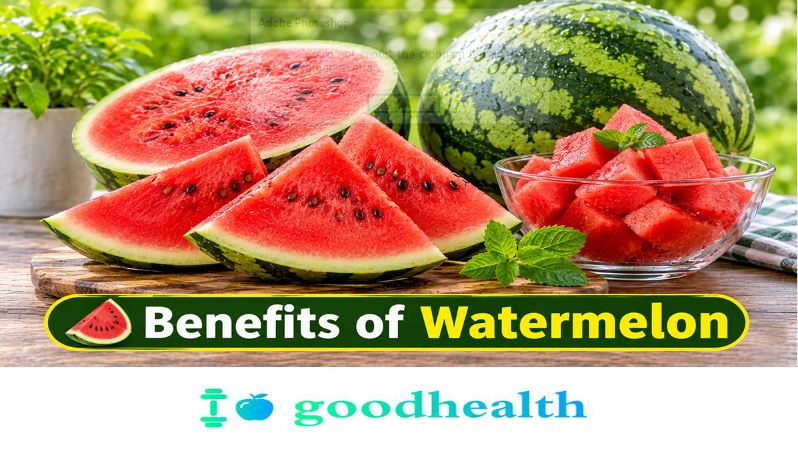
Watermelon is one of the most refreshing and nutritious fruits you can include in a healthy diet. Known for its naturally sweet flavor, juicy texture, and vibrant red color, watermelon is enjoyed worldwide, particularly during warm weather. Beyond its delicious taste, this fruit provides important nutrients, antioxidants, amino acids, and a high percentage of water that can contribute to overall health and well-being.
The benefits of watermelon extend beyond hydration. Regularly including watermelon in a balanced diet can help support cardiovascular health, provide antioxidant protection, contribute to healthy digestion, and assist with weight management. It also contains important nutrients such as vitamin C, vitamin A, potassium, lycopene, and L-citrulline. Understanding the nutritional properties of watermelon can help you appreciate why this fruit deserves a place in your everyday eating routine.
Nutritional Value of Watermelon
Watermelon is naturally low in calories while providing several vitamins, minerals, and beneficial plant compounds. According to USDA nutritional data, 100 grams of fresh watermelon contains approximately 30 calories, 7.55 grams of carbohydrates, 0.61 grams of protein, and 0.15 grams of fat. It also provides vitamin C, vitamin A, potassium, and small amounts of magnesium. (USDA data via Cleveland Clinic)
One of its most impressive characteristics is its water content, which is approximately 91% of its weight. This makes watermelon an excellent fruit for adding fluids to your diet, particularly during hot weather or after physical activity. Its natural sweetness also makes it an enjoyable alternative to many processed desserts and sugary snacks.
Watermelon contains several naturally occurring compounds, including lycopene, beta-carotene, citrulline, and other antioxidants. These substances are responsible for some of the fruit’s nutritional properties and have attracted scientific interest because of their potential relationships with cardiovascular health, exercise recovery, and cellular protection.
Although watermelon contains natural sugars, its low calorie content and high water percentage make it relatively light compared with many energy-dense desserts and snacks. However, it contains less dietary fiber and protein than some other fruits, so it is best consumed as part of a varied diet.
Supports Hydration and Fluid Balance
One of the most important benefits of watermelon is its ability to contribute to daily hydration. Water is essential for nearly every major bodily function, including regulating temperature, transporting nutrients, supporting digestion, and maintaining normal circulation.
Because watermelon contains approximately 91% water, eating it can help increase your overall fluid intake. This is particularly useful during summer, when higher temperatures and sweating can increase the body’s fluid requirements.
Watermelon can also be a refreshing snack after walking, cycling, running, or other physical activities. Along with water, it provides small amounts of electrolytes such as potassium, which contribute to normal muscle and nerve function.
However, watermelon should complement rather than replace drinking water. People who exercise intensely or sweat heavily may require additional fluids and electrolytes depending on the duration and intensity of their activity.
Rich in Lycopene and Powerful Antioxidants
Watermelon is an important dietary source of lycopene, a naturally occurring carotenoid responsible for its characteristic red color. Lycopene has antioxidant properties and has been widely researched for its potential role in protecting cells from oxidative stress.
Oxidative stress occurs when reactive molecules accumulate beyond the body’s ability to manage them effectively. This process is associated with cellular damage and has been studied in relation to aging and several chronic health conditions.
Watermelon also contains other plant compounds, including beta-carotene and cucurbitacin E. Together with vitamin C and other antioxidants, these compounds contribute to the nutritional value of the fruit.
Eating watermelon alongside other colorful fruits and vegetables can help increase your overall intake of beneficial plant compounds. Tomatoes, carrots, berries, spinach, and peppers provide additional antioxidants that complement those found in watermelon.
May Support Heart Health
Another important area when discussing the benefits of watermelon is cardiovascular health. Watermelon provides potassium, lycopene, and L-citrulline, which have been investigated for their potential roles in supporting healthy blood vessels and circulation.
L-citrulline is a naturally occurring amino acid that the body can convert into L-arginine. L-arginine is involved in producing nitric oxide, a molecule that helps blood vessels relax and supports normal blood flow.
Some human studies have investigated whether watermelon consumption or citrulline supplementation can influence blood pressure. A 2025 systematic review and meta-analysis of randomized controlled trials reported reductions in systolic and diastolic blood pressure among middle-aged and older participants. However, the studies involved relatively small groups, and some interventions combined citrulline with other supplements. (Clinical Nutrition ESPEN, 2025)
The evidence is not conclusive. A separate randomized pilot trial published in 2025 examined daily watermelon consumption in adults with elevated blood pressure and did not find statistically significant differences in overall blood pressure compared with the control group after four weeks. (Nutrients, 2025)
Watermelon can therefore contribute to a heart-healthy eating pattern, but it should not replace prescribed blood pressure medication or other medical treatments.
May Help With Healthy Weight Management
Watermelon can be a useful addition to a weight-management diet because it provides relatively few calories while containing a substantial amount of water. This combination allows you to enjoy a satisfying portion of fruit without consuming as many calories as some processed desserts and snacks.
For example, choosing fresh watermelon instead of a sugary dessert can help reduce overall calorie intake while providing vitamin C, potassium, and antioxidants. Its natural sweetness can also help satisfy a desire for sweet foods.
The water content of watermelon contributes to its volume, which may help you feel temporarily full. This can make it a convenient snack between meals or a refreshing addition to a balanced breakfast.
However, watermelon does not directly burn body fat or accelerate weight loss in a dramatic way. Long-term weight management depends on overall calorie intake, dietary quality, physical activity, sleep, and consistency. The best approach is to include watermelon as part of balanced meals rather than using it as a replacement for nutritious foods.
Provides Vitamin C for Immune Function
Vitamin C is an essential nutrient that contributes to normal immune-system function. It supports several cellular processes involved in the body’s defense against infections and helps protect cells from oxidative stress.
Watermelon contains vitamin C, making it a useful addition to a varied diet. Although it is not as rich in vitamin C as some fruits such as kiwi, oranges, and strawberries, it can still contribute to your daily nutritional intake.
Vitamin C is also involved in collagen production, which is necessary for maintaining healthy skin, blood vessels, bones, cartilage, and connective tissue. Adequate vitamin C intake is therefore important for several functions beyond immunity.
For broader nutritional benefits, combine watermelon with other vitamin C-rich foods rather than relying on one fruit alone. A diet that includes citrus fruits, berries, peppers, broccoli, and leafy vegetables provides a wider range of essential nutrients.
Supports Healthy Skin
The benefits of watermelon for skin health are related mainly to its water content, vitamin C, vitamin A precursors, and antioxidant compounds.
Vitamin C contributes to collagen production, an important process for maintaining the structure and strength of the skin. It also helps protect cells against oxidative stress, which can be influenced by environmental factors such as sunlight and pollution.
Watermelon contains beta-carotene, which the body can convert into vitamin A. Vitamin A contributes to normal skin maintenance and cellular development.
Although watermelon provides nutrients associated with healthy skin, eating it alone will not eliminate acne, wrinkles, or dark spots. A healthy skincare routine should also include sun protection, adequate sleep, hydration, and a balanced diet containing a variety of nutrients.
May Support Eye Health
Watermelon contains carotenoids, including beta-carotene and lycopene, which contribute to its antioxidant properties. Beta-carotene can be converted into vitamin A, an essential nutrient for maintaining normal vision.
Vitamin A plays an important role in the function of the retina, particularly in low-light vision. It also contributes to maintaining the health of the cornea and other tissues.
Including watermelon in a varied diet can contribute to vitamin A intake, although other foods such as carrots, sweet potatoes, spinach, kale, and pumpkin are particularly useful sources of carotenoids.
Maintaining eye health requires more than eating specific fruits. Regular eye examinations, managing chronic health conditions, protecting your eyes from excessive ultraviolet exposure, and maintaining a nutritious diet are also important.
May Support Exercise Performance and Recovery
Watermelon has attracted attention among athletes and physically active people because it contains L-citrulline, an amino acid involved in nitric oxide production and several metabolic processes.
Nitric oxide helps regulate blood vessel function, and researchers have investigated whether citrulline from watermelon can support circulation during physical activity. Some small studies suggest that watermelon products may have potential benefits for exercise recovery and muscle soreness, although the results are mixed.
The high water content of watermelon also makes it a practical post-workout snack. Along with fluid, it provides natural carbohydrates that can contribute to replenishing energy after exercise.
For recreational athletes, watermelon can be included in a balanced recovery meal containing protein and carbohydrates. For example, fresh watermelon combined with Greek yogurt or another protein source can provide a refreshing and nutritious post-exercise option.
It is important to recognize that whole watermelon is not equivalent to concentrated citrulline supplements. The amount of citrulline obtained from ordinary servings can vary, and watermelon should not be considered a performance-enhancing treatment.
Supports Healthy Digestion
Watermelon contains water and small amounts of dietary fiber, both of which contribute to digestive health. Adequate fluid intake helps support normal digestive processes, while dietary fiber contributes to bowel regularity.
Although watermelon is refreshing and easy to digest for many people, it is not particularly high in fiber compared with fruits such as raspberries, pears, apples, and avocados. Therefore, it should be combined with other fiber-rich foods to support a balanced diet.
Watermelon also contains naturally occurring plant compounds, including polyphenols, that researchers are investigating for their potential relationship with the gut microbiome.
People with irritable bowel syndrome or sensitivity to certain fermentable carbohydrates may experience bloating, gas, or other digestive symptoms after eating watermelon. This is because watermelon contains fructose and other FODMAP carbohydrates that may be difficult for some individuals to tolerate.
Provides Potassium for Muscle and Nerve Function
Potassium is an essential mineral involved in several important physiological processes. It helps regulate fluid balance, supports normal nerve transmission, and contributes to muscle contraction.
Watermelon provides potassium, although it contains less than some other potassium-rich foods such as potatoes, beans, lentils, and bananas.
Including a variety of potassium-containing foods in your diet can contribute to normal cardiovascular and muscular function. Watermelon can be one convenient source alongside vegetables, legumes, fruits, and other nutritious foods.
People with kidney disease or medical conditions requiring potassium restrictions should follow personalized dietary recommendations. Even nutritious foods may need to be adjusted according to individual medical requirements.
May Help Support Healthy Blood Sugar Management
Watermelon contains naturally occurring sugars, including glucose and fructose, which provide carbohydrates and contribute to its sweet flavor.
Because the fruit contains a large percentage of water, a normal serving provides a moderate amount of carbohydrates relative to its volume. This means that enjoying an appropriate portion can fit into many balanced eating plans, including diets designed to manage blood glucose.
However, watermelon should not be described as a food that lowers blood sugar. Its natural carbohydrates can increase blood glucose after consumption, and individual responses vary.
People with diabetes can generally consider portion size, total carbohydrate intake, and the foods eaten alongside watermelon. Combining it with protein, healthy fats, or fiber-containing foods may help create a more balanced snack.
Whole watermelon is also generally preferable to large quantities of watermelon juice because the whole fruit provides more food structure and encourages a more deliberate eating pace.
Nutritional Benefits of Watermelon Seeds and Rind
The red flesh is the most commonly consumed part of watermelon, but its seeds and rind also contain useful nutrients.
Watermelon seeds provide protein, healthy fats, magnesium, and other minerals. Roasted watermelon seeds can be enjoyed as a snack or added to salads and other meals, much like pumpkin or sunflower seeds.
The white rind beneath the green outer skin contains more fiber and less sugar than the red flesh. It also contains L-citrulline, which has attracted scientific interest because of its involvement in nitric oxide production.
Watermelon rind can be incorporated into stir-fries, pickles, and certain recipes, provided it is washed and prepared appropriately. Using different edible parts of the fruit can add variety and reduce unnecessary food waste.
Fresh Watermelon vs. Watermelon Juice
Fresh watermelon and watermelon juice both provide fluid, natural sugars, and several beneficial plant compounds. However, they differ in the way they are consumed and how much fruit a person may eat in one serving.
Whole watermelon retains its natural structure and provides a more substantial eating experience. Blending watermelon without straining it preserves much of the pulp, while extracting and filtering the juice removes some of the fiber and makes it easier to consume a large quantity quickly.
For most people, fresh whole watermelon is a practical everyday choice. It encourages portion awareness and provides a satisfying snack without requiring additional ingredients.
Watermelon juice can still be enjoyed occasionally, preferably without added sugar. However, large servings may provide more carbohydrates and calories than expected, particularly when consumed alongside normal meals.
Healthy Ways to Include Watermelon in Your Daily Diet
Watermelon is versatile and can be incorporated into many meals and snacks. Its natural sweetness makes it suitable for breakfast, afternoon refreshments, fruit salads, and healthy desserts.
One simple option is to combine fresh watermelon with strawberries, blueberries, and mint to create a refreshing fruit salad. You can also add watermelon cubes to Greek yogurt for a snack containing both carbohydrates and protein.
For savory meals, watermelon pairs surprisingly well with cucumber, feta cheese, leafy greens, and fresh herbs. A little lemon juice or lime juice can add flavor without requiring a heavy dressing.
You can also freeze watermelon cubes and blend them into a refreshing summer smoothie or use them to prepare homemade fruit popsicles without unnecessary added sugar.
Potential Side Effects and Precautions
Watermelon is generally safe for most people when consumed in normal food portions. However, individual tolerance and health conditions can influence how much is appropriate.
People with diabetes should consider its natural carbohydrate content and pay attention to portion sizes. Individuals with irritable bowel syndrome may experience digestive discomfort because watermelon contains fermentable carbohydrates.
Some people may also experience allergic reactions to watermelon, particularly those with certain pollen allergies. Symptoms can include itching or tingling in the mouth, swelling of the lips, and throat discomfort. Severe swelling or breathing difficulties require emergency medical attention.
People with kidney disease should also consider their individual potassium requirements. Although watermelon is not exceptionally high in potassium, dietary needs can differ considerably depending on kidney function and medical treatment.
As with all foods, moderation and dietary variety are important. Eating excessive amounts of watermelon should not replace balanced meals containing protein, healthy fats, vegetables, and other essential nutrients.
Conclusion
The benefits of watermelon make it an excellent addition to a balanced and nutritious diet. Its high water content supports hydration, while its natural antioxidants, including lycopene and beta-carotene, contribute valuable plant compounds. Watermelon also provides vitamin C, vitamin A precursors, potassium, and L-citrulline, which are associated with several important biological functions.
From supporting hydration and healthy skin to contributing to cardiovascular nutrition, exercise recovery, and weight management, watermelon offers several practical nutritional advantages. However, it is not a treatment for disease or a replacement for other healthy foods. Scientific evidence regarding its specific effects on blood pressure, blood sugar, and long-term disease prevention is still developing.
The best way to enjoy the benefits of watermelon is to consume fresh portions as part of a varied diet that includes vegetables, whole grains, protein-rich foods, healthy fats, and other fruits. Its refreshing flavor, low calorie content, and nutritional properties make it a convenient choice for everyday eating and a valuable addition to a healthy lifestyle.
What are the main health benefits of eating watermelon every day?
Watermelon provides vitamin C, vitamin A, antioxidants, and potassium that support hydration, immune function, skin health, and overall well-being when eaten as part of a balanced diet.
Is watermelon good for weight loss?
Yes, watermelon can support weight management because it is low in calories, contains plenty of water, and provides some fiber, helping you feel refreshed and satisfied.
Does watermelon improve heart health and blood circulation?
Watermelon contains lycopene and citrulline, plant compounds that may support cardiovascular health and healthy blood vessel function.
Is watermelon good for your skin and hair?
Watermelon provides vitamin C, vitamin A precursors, and antioxidants that support collagen production, skin health, and protection against oxidative stress.
Can people with diabetes eat watermelon?
People with diabetes can generally enjoy watermelon in moderate portions, but they should consider its carbohydrate content, monitor their blood glucose response, and follow their individual dietary recommendations.
please note
The content provided in this article is for educational and informational purposes only and should not be construed as medical, nutritional, psychological, or therapeutic advice. The advice provided may not be appropriate for everyone. The final decision regarding your health and lifestyle is yours, and we recommend that you consult with your doctor, counselor, or other health professional before making any changes or taking any action.
Support Our Blog
Do you enjoy reading our articles and finding valuable information on our website?
Your voluntary contribution helps us continue creating informative, educational, and useful content.
Every contribution, regardless of its size, helps support our research, website maintenance, and future articles.
You can support our work using Bitcoin, Ethereum, USDC, and other supported cryptocurrencies.
Thank you for being part of our community!
Your support makes a difference.
Help us create more valuable articles and educational resources.
$ 5 = Support an article $10 = Support our research $50 = Help our development $100 = Big help for development