
How to Be a Good Manager


Effective leadership in the modern workplace requires far more than issuing orders and monitoring performance metrics. Exceptional management is an evolving blend of emotional intelligence, strategic communication, decisive problem-solving, and empathetic team building. As organizations adapt to hybrid work environments, shifting workforce demographics, and rapid technological advancements, the definition of strong leadership continues to expand. Understanding how to be a good manager means learning how to cultivate an environment where individual employees feel supported, motivated, and empowered to deliver their highest quality work.
At its core, great management transforms individual talent into collective achievement. When a team operates under clear direction and high trust, productivity rises naturally without requiring micromanagement or coercive pressure. By mastering key interpersonal and operational competencies, managers can guide their teams through complex challenges while building a positive, resilient organizational culture that retains top talent over the long term.
Building Trust and Psychological Safety Within the Team
Psychological safety forms the foundational bed of any high-performing team. Employees must feel confident that they can express ideas, ask questions, voice concerns, and make occasional mistakes without fear of embarrassment, excessive criticism, or retaliation. When trust is present, team members share insights freely, admit errors early before they escalate, and collaborate with greater creativity. Learning how to be a good manager begins with actively modeling vulnerability and open-mindedness, demonstrating that feedback is welcomed in both directions.
Creating trust requires consistent alignment between words and actions. Managers who keep their commitments, advocate for their employees’ best interests, and maintain confidentiality during sensitive discussions naturally earn the respect of their direct reports. Furthermore, treating mistakes as learning opportunities rather than failures encourages innovation. When employees know their manager has their back, they take calculated risks that drive meaningful business growth.
Shop new arrivals
-
Emotional Advantage
Original price was: €12.90.€8.90Current price is: €8.90. -
Healthy Life Blueprint
Original price was: €24.90.€15.90Current price is: €15.90. -
How to break negative habits
Original price was: €12.90.€6.90Current price is: €6.90. -
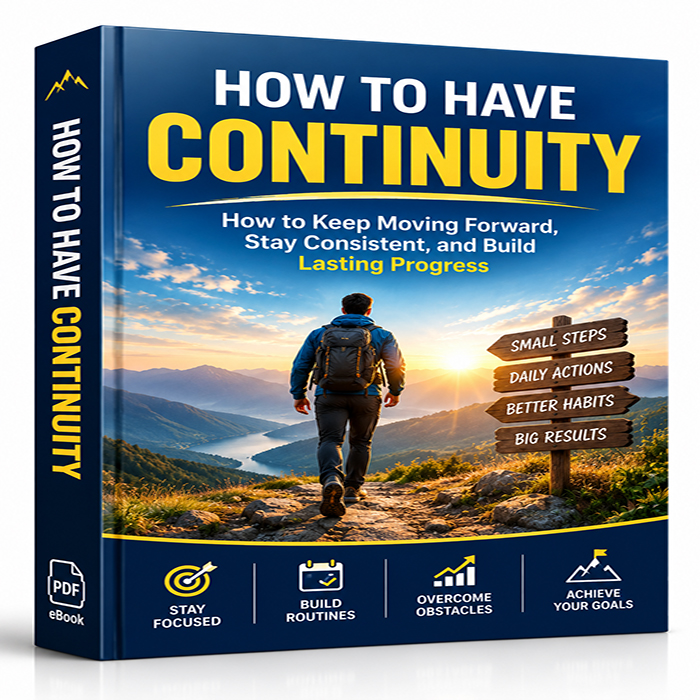
How to have continuity
Original price was: €15.90.€8.90Current price is: €8.90. -
Living with Purpose
Original price was: €14.90.€9.90Current price is: €9.90.




Active Listening and Empathetic Communication
Communication is often cited as a critical management skill, but active listening is its most indispensable component. True active listening involves giving an employee full attention, processing their perspective without immediate judgment, and validating their experiences before offering solutions. This practice reveals underlying operational roadblocks, personal stressors, or subtle team dynamics that might otherwise remain hidden.
Empathy in leadership allows managers to recognize that employees are complete individuals with lives outside of work. When a manager demonstrates genuine concern for an employee’s well-being, burnout risks decrease and job satisfaction rises. Empathetic communication does not mean avoiding tough conversations; rather, it ensures that constructive feedback and performance expectations are delivered with respect and clarity.
Setting Clear Expectations and Aligning Goal Structures
Uncertainty is one of the primary drivers of workplace stress and inefficiency. A manager must ensure that every team member clearly understands their specific role, key responsibilities, and how their daily output contributes to broader organizational goals. Establishing well-defined targets prevents overlapping efforts, reduces friction, and allows employees to prioritize their time effectively without constant supervision.
Aligning individual goals with company objectives creates a sense of purpose. When employees understand the direct impact of their tasks on the organization’s overall mission, their intrinsic motivation increases. Regularly reviewing these goals during one-on-one meetings ensures that priorities remain clear even as project scopes and market conditions evolve.
Mastering the SMART Goal Framework
To eliminate ambiguity, successful managers utilize structured goal-setting frameworks such as SMART criteria—ensuring objectives are Specific, Measurable, Achievable, Relevant, and Time-bound. Vague requests like “improve customer service” leave room for misinterpretation, whereas “reduce customer response times by fifteen percent over the next quarter” provides an actionable metric for success.
Documenting these goals collaboratively creates shared accountability. When employees participate in setting their own benchmarks, they feel a stronger sense of ownership over the outcomes. Managers can then use these agreed-upon standards as objective baselines for performance evaluations, eliminating surprises during formal reviews.
Mastering Delegation and Eliminating Micromanagement
Delegation is not simply passing off undesirable tasks; it is a vital tool for organizational efficiency and employee professional growth. Managers who attempt to control every detail of execution quickly become bottlenecks, slowing down projects and exhausting themselves. Learning how to be a good manager requires mastering the art of delegating authority alongside responsibility, granting employees the autonomy to decide how best to accomplish their tasks.
Resisting the urge to micromanage signals trust in your team’s skills and judgment. When leaders step back and focus on outcomes rather than process details, employees develop critical problem-solving skills and confidence. Providing guidance and guardrails while leaving room for individual approach fosters a culture of ownership and high engagement.
Matching Tasks with Employee Strengths and Development
Effective delegation begins with a deep understanding of each team member’s unique strengths, interests, and developmental areas. Assigning tasks that stretch an employee’s current capabilities prepares them for future advancement while keeping their daily work challenging and rewarding.
When delegating a project, managers should clearly explain the desired end result, establish available resources and timelines, and define check-in points. This structured support allows employees to exercise autonomy while knowing they can seek advice whenever complex obstacles arise.
Providing Constructive Feedback and Continuous Coaching
Continuous feedback is essential for continuous improvement. Waiting for annual performance reviews to address operational issues or praise exceptional effort deprives employees of timely growth opportunities. Effective managers establish a regular cadency of constructive feedback, highlighting positive contributions immediately and addressing performance gaps before they become ingrained habits.
Feedback should always focus on observable behaviors and business impacts rather than personality traits. Highlighting specific examples helps employees understand exactly what behaviors to continue or modify. When framed as a collaborative effort to support professional development, feedback becomes an empowering tool rather than a source of anxiety.
Shop new arrivals
-
Emotional Advantage
Original price was: €12.90.€8.90Current price is: €8.90. -
Healthy Life Blueprint
Original price was: €24.90.€15.90Current price is: €15.90. -
How to break negative habits
Original price was: €12.90.€6.90Current price is: €6.90. -
How to have continuity
Original price was: €15.90.€8.90Current price is: €8.90. -
Living with Purpose
Original price was: €14.90.€9.90Current price is: €9.90.
Conducting Productive One-on-One Meetings
Dedicated one-on-one meetings are a cornerstone of modern management practice. These sessions should belong primarily to the employee, offering a private space to discuss ongoing challenges, career aspirations, workplace satisfaction, and strategic ideas. Holding these meetings consistently demonstrates that a manager values their team’s time and individual growth.
Rather than turning one-on-ones into simple status updates, managers should use open-ended coaching questions that encourage self-reflection. Asking employees what resources they need or what obstacles are hindering their progress shifts the dynamic from supervision to active support.
Fostering Inclusivity and Recognizing Employee Contributions
Recognizing and rewarding hard work is one of the most effective ways to sustain high morale and retain top talent. Consistent recognition reinforces positive behaviors and makes employees feel valued for their specific contributions. A simple, authentic thank-you in a team meeting or a formal note of appreciation can significantly boost engagement and job satisfaction.
Inclusivity goes hand in hand with recognition. A great manager ensures that every voice on the team is heard, regardless of background, introversion levels, or remote working arrangements. Creating equal opportunities for participation in high-visibility projects builds a cohesive, loyal, and innovative team environment.
Tailoring Recognition to Individual Preferences
Not all employees respond to recognition in the same way. While some thrive on public praise during department meetings, others prefer quiet, private acknowledgment from their supervisor. Understanding these individual preferences demonstrates thoughtful leadership.
Meaningful recognition goes beyond monetary incentives; it includes offering growth opportunities, extra flexibility, or leadership roles on upcoming initiatives. When recognition is personalized and tied directly to effort, it reinforces a culture of excellence and mutual respect.
Developing Emotional Resilience and Leadership Maturity
Management inherently involves navigating conflict, handling organizational pressures, and making difficult decisions during uncertain times. A manager’s emotional stability sets the tone for the entire team. Remaining calm, rational, and constructive during crises prevents panic from cascading through the group, allowing team members to remain focused on practical solutions.
Leadership maturity also involves self-reflection and a commitment to personal growth. Great managers actively seek feedback on their own performance from peers, superiors, and direct reports. Embracing a growth mindset allows leaders to refine their approach continuously, adapting their management style to meet the evolving needs of their team and organization.
Achieving Long-Term Management Excellence
Mastering how to be a good manager is a continuous journey that combines clear strategic vision with genuine interpersonal care. By establishing psychological safety, setting transparent goals, delegating with confidence, and offering consistent coaching, leaders build resilient teams capable of navigating any workplace challenge. Prioritizing the growth, well-being, and autonomy of direct reports establishes a sustainable foundation for organizational success, low turnover, and lasting professional achievement.
What are the most essential skills needed to be an effective manager?
Strong communication, active listening, emotional intelligence, clear delegation, and the ability to provide constructive feedback are the core skills of successful managers.
How do you transition from an individual contributor to a first-time manager?
Focus on shifting your mindset from completing tasks yourself to empowering your team, building trust, and setting clear performance expectations early on.
What is the best way to handle underperforming or disengaged employees?
Address performance issues promptly through private, supportive conversations that clearly identify expectations, root causes, and actionable steps for improvement.
How can managers build trust and maintain high morale within a team?
Recognize individual achievements, practice transparent decision-making, offer regular one-on-one check-ins, and actively advocate for your team’s growth and wellbeing.
What is the difference between managing employees and leading a team?
Managing focuses on organizing processes, assigning tasks, and maintaining control, whereas leadership focuses on inspiring people, guiding strategy, and cultivating long-term growth.
please note
The content provided in this article is for educational and informational purposes only and should not be construed as medical, nutritional, psychological, or therapeutic advice. The advice provided may not be appropriate for everyone. The final decision regarding your health and lifestyle is yours, and we recommend that you consult with your doctor, counselor, or other health professional before making any changes or taking any action.
Shop new arrivals
-
Emotional Advantage
Original price was: €12.90.€8.90Current price is: €8.90. -
Healthy Life Blueprint
Original price was: €24.90.€15.90Current price is: €15.90. -
How to break negative habits
Original price was: €12.90.€6.90Current price is: €6.90. -
How to have continuity
Original price was: €15.90.€8.90Current price is: €8.90. -
Living with Purpose
Original price was: €14.90.€9.90Current price is: €9.90.
This week’s popular products
-
Original price was: €15.90.€8.90Current price is: €8.90.
How to have continuity
-
Original price was: €12.90.€6.90Current price is: €6.90.
How to break negative habits
-
Original price was: €19.90.€11.90Current price is: €11.90.
Unshakable Confidence


