Benefits of garlic

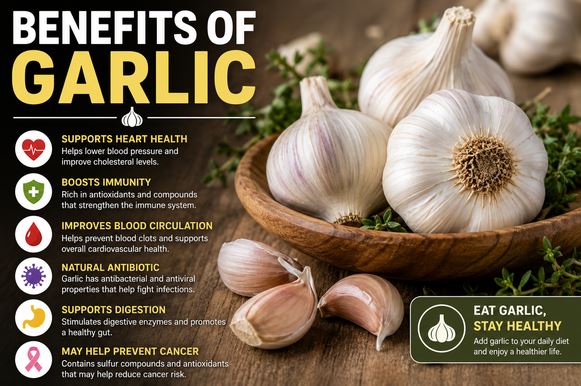
Garlic is one of the most popular ingredients used in kitchens around the world, but its value goes far beyond adding flavor to food. For centuries, people have used garlic as part of traditional diets and wellness practices. Today, scientific research continues to explore the potential benefits of garlic, particularly its nutritional compounds and possible role in supporting overall health.
Rich in natural plant compounds and low in calories, garlic can be a healthy addition to a balanced diet. Understanding the benefits of garlic can help you make better dietary choices and discover simple ways to include this flavorful ingredient in your daily meals.
Garlic Is Rich in Beneficial Nutrients
Garlic contains several important nutrients, including vitamin B6, vitamin C, manganese, selenium, and small amounts of other vitamins and minerals. Although garlic is usually consumed in relatively small quantities, it can still contribute valuable nutrients to a healthy diet.
Garlic also contains natural sulfur compounds that are responsible for its strong smell and distinctive taste. One of the most well-known compounds associated with fresh garlic is allicin, which forms when garlic is chopped, crushed, or chewed.
These nutrients and plant compounds are among the main reasons why garlic is considered a valuable addition to many healthy eating patterns.
May Support Heart Health
One of the most widely discussed benefits of garlic is its potential role in supporting cardiovascular health. Research has examined garlic and garlic supplements for possible effects on factors such as blood pressure and cholesterol.
Some evidence suggests that certain garlic preparations may have modest benefits for cardiovascular risk factors, particularly in some individuals. However, garlic should not be considered a replacement for prescribed medications or professional medical treatment.
Including garlic as part of a balanced diet rich in vegetables, fruits, whole grains, healthy fats, and other nutritious foods can contribute to an overall heart-healthy lifestyle.
Contains Powerful Antioxidant Compounds
Garlic contains antioxidant compounds that may help protect cells from oxidative stress. Oxidative stress occurs when there is an imbalance between free radicals and the body’s antioxidant defenses.
A diet rich in antioxidant-containing foods can support overall health. Garlic can be combined with other nutrient-rich foods such as vegetables, herbs, fruits, nuts, and whole grains to increase the variety of beneficial compounds in your diet.
The antioxidant properties associated with garlic are another reason it is frequently included in discussions about healthy eating.
May Support the Immune System
Garlic is often associated with immune health. Its natural compounds have been studied for their potential biological effects, including interactions with immune function.
Eating a balanced and nutritious diet is one of the most important ways to support normal immune function. Garlic can be included as part of this diet, along with adequate protein, fruits, vegetables, healthy fats, and sufficient hydration.
While garlic is a nutritious food, it should not be viewed as a guaranteed method for preventing illness or as a replacement for medical care.
May Have Natural Antimicrobial Properties
Garlic and its sulfur-containing compounds have been studied for antimicrobial activity in laboratory settings. These compounds have shown the ability to interact with certain microorganisms under experimental conditions.
However, laboratory findings do not necessarily mean that eating garlic can treat infections in the human body. Serious or persistent infections require appropriate medical evaluation and treatment.
Nevertheless, garlic remains a valuable food ingredient that can contribute flavor and nutritional variety to everyday meals.
May Help Support Healthy Blood Pressure
Another frequently discussed topic when exploring the benefits of garlic is its possible effect on blood pressure. Some studies have investigated whether garlic supplements may contribute to modest reductions in blood pressure in certain people.
The effects can vary depending on the type and amount of garlic preparation used. People with high blood pressure should follow the advice of qualified healthcare professionals and continue any prescribed treatment.
Healthy lifestyle habits such as regular physical activity, a nutritious diet, maintaining a healthy weight, managing stress, and getting sufficient sleep remain important for supporting healthy blood pressure.
May Contribute to Healthy Cholesterol Levels
Some research has examined whether garlic preparations can influence cholesterol levels. Results vary between studies, and the effects may depend on the specific garlic product and the individual.
Garlic should therefore be viewed as one small part of a healthy dietary pattern rather than a single solution for managing cholesterol.
A diet containing fiber-rich foods, vegetables, fruits, legumes, whole grains, and healthy fats can provide broader support for cardiovascular health.
Garlic May Support Brain Health
The antioxidant compounds found in garlic have also attracted interest in research related to brain health. Protecting the body from excessive oxidative stress is considered important for healthy aging.
Although more research is needed to understand the specific long-term effects of garlic on brain function, including a variety of nutrient-rich foods in your diet is an important part of supporting overall health.
The potential benefits of garlic for the body and brain make it a useful ingredient in a balanced lifestyle.
May Support Healthy Digestion
Garlic can add flavor to meals without requiring large amounts of salt or unhealthy sauces. This makes it a useful ingredient for people who want to prepare flavorful and nutritious meals.
Some research is also exploring the relationship between garlic compounds and the microorganisms that live in the digestive system. However, individual tolerance varies significantly.
Some people may experience digestive discomfort, gas, bloating, or heartburn after consuming large amounts of garlic, especially raw garlic. People with digestive sensitivities may prefer smaller portions or cooked garlic.
Garlic Can Support a Healthy Diet
One of the simplest benefits of garlic is that it makes nutritious foods more enjoyable. Vegetables, lean proteins, soups, salads, and whole-grain dishes can become more flavorful with garlic.
Because garlic has a strong natural flavor, it may also help reduce the need for excessive salt in some recipes.
Adding garlic to a balanced diet can be a practical and affordable way to improve the taste and variety of healthy meals.
Easy Ways to Add Garlic to Your Diet
Garlic is versatile and can be included in many different meals. Fresh garlic can be chopped, crushed, or minced and added to soups, sauces, roasted vegetables, meat dishes, fish, pasta, and salad dressings.
Roasted garlic has a milder and sweeter flavor, making it suitable for spreads and vegetable dishes. Garlic can also be combined with herbs, olive oil, lemon, and vegetables to create simple and flavorful meals.
For many people, regularly using garlic in normal cooking amounts is an easy way to enjoy the potential benefits of garlic as part of a balanced diet.
Important Considerations When Consuming Garlic
Although garlic is generally safe when consumed in normal food amounts, consuming very large quantities or concentrated garlic supplements may not be appropriate for everyone.
Garlic can cause digestive discomfort in some people and may interact with certain medications, including medicines that affect blood clotting. People preparing for surgery or taking prescription medications should consult a qualified healthcare professional before using concentrated garlic supplements.
Food-based garlic is different from high-dose supplements. Including garlic in everyday meals is generally a more moderate approach to enjoying its flavor and nutritional value.
Conclusion
The benefits of garlic extend beyond its delicious flavor and versatility in cooking. Garlic provides valuable nutrients and natural plant compounds that have been studied for their potential antioxidant, cardiovascular, immune, and other health-related effects.
While garlic is not a cure for disease and should not replace medical treatment, it can be an excellent addition to a balanced and nutritious diet. Combining garlic with a variety of vegetables, fruits, whole grains, healthy proteins, and other nutrient-rich foods can support a healthier lifestyle.
By regularly including garlic in your meals, you can enjoy its unique taste while taking advantage of the many potential benefits of garlic for overall health and well-being.
What are the main benefits of garlic?
Garlic provides nutrients and natural sulfur-containing compounds that have been studied for potential antioxidant, cardiovascular, and immune-related benefits. It can also make healthy meals more flavorful.
Is raw garlic healthier than cooked garlic?
Raw garlic and cooked garlic can both be part of a healthy diet. Crushing or chopping fresh garlic activates certain compounds, while cooking can change the levels of some of these compounds. Both forms can provide nutritional value.
How much garlic should I eat per day?
There is no single amount that is ideal for everyone. Garlic can generally be enjoyed in normal food quantities as part of a balanced diet. Individual tolerance may vary.
Can garlic help support heart health?
Research suggests that certain garlic preparations may have modest effects on cardiovascular risk factors such as blood pressure or cholesterol in some people. However, garlic should not replace prescribed medication or professional medical advice.
Are there any side effects of eating garlic?
Some people may experience bad breath, heartburn, gas, bloating, or digestive discomfort, particularly after eating large amounts of raw garlic. Concentrated garlic supplements may also interact with certain medications.
please note
The content provided in this article is for educational and informational purposes only and should not be construed as medical, nutritional, psychological, or therapeutic advice. The advice provided may not be appropriate for everyone. The final decision regarding your health and lifestyle is yours, and we recommend that you consult with your doctor, counselor, or other health professional before making any changes or taking any action.
Staff picks
-
Emotional Advantage
Original price was: €12.90.€8.90Current price is: €8.90. -
Healthy Life Blueprint
Original price was: €24.90.€15.90Current price is: €15.90. -
How to break negative habits
Original price was: €12.90.€6.90Current price is: €6.90. -
How to have continuity
Original price was: €15.90.€8.90Current price is: €8.90.