grape benefits

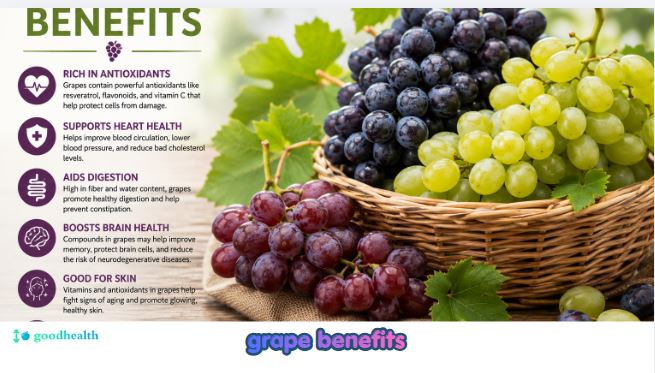
For thousands of years, civilizations across the globe have cultivated and revered the grape, utilizing it not just for sustenance and winemaking, but as a staple of vitality and longevity. Today, modern nutritional science has peeled back the layers of this ancient fruit to reveal a complex biochemical profile that profoundly impacts human well-being. Understanding comprehensive grape benefits requires looking beyond their natural sweetness and convenience as a snack. When incorporated consistently into a balanced lifestyle, these small fruits act as potent vehicles for phytonutrients, vitamins, and minerals that actively support the body’s most critical systems. Embracing the health advantages of grapes aligns perfectly with a proactive approach to personal wellness and healthy living, offering a simple yet highly effective way to nourish the body at a cellular level.
The Nutritional Profile of Grapes
To fully grasp the extensive health benefits of eating grapes, one must first examine their dense nutritional architecture. Despite being composed of approximately eight-two percent water, grapes are remarkably nutrient-dense, providing a concentrated source of essential vitamins and minerals without an overwhelming caloric load. A standard serving delivers a meaningful dose of Vitamin C, which is vital for tissue repair and immune function, alongside Vitamin K, a non-negotiable element for proper blood clotting and bone metabolism. Furthermore, grapes offer crucial trace minerals like copper, which facilitates energy production and iron absorption, ensuring the body operates efficiently.
Beyond the baseline vitamins, the macronutrient composition of this fruit perfectly supports a healthy, active lifestyle. The natural carbohydrates found in grapes provide immediate, clean energy to the brain and muscles, making them an excellent dietary addition for sustained focus and physical vitality. Because they contain practically zero fat and cholesterol, they fit seamlessly into almost any dietary framework designed for long-term health and weight management.
What truly elevates the nutritional value of grapes above many other common fruits is the presence of dietary fiber combined with their high water content. This specific combination ensures that the natural sugars are absorbed more slowly into the bloodstream, preventing the rapid energy spikes and subsequent crashes associated with processed foods. This synergistic balance of hydration, fiber, and micronutrients lays the foundational groundwork for all the systemic advantages the fruit provides.
Powerful Antioxidants and Cellular Defense
At the absolute core of grape benefits is their extraordinary antioxidant capacity. Every day, the human body is subjected to oxidative stress caused by free radicals—unstable molecules generated by environmental pollutants, UV exposure, and even normal metabolic processes. Left unchecked, oxidative stress damages cells, proteins, and DNA, accelerating the aging process and laying the groundwork for chronic conditions. Grapes are exceptionally rich in polyphenols, a broad class of antioxidants that actively neutralize these free radicals, effectively shielding the body’s cellular infrastructure from premature degradation.
The concentration and specific types of these protective compounds vary slightly depending on the color of the fruit. Red and purple grapes, for example, boast extraordinarily high levels of anthocyanins, the pigments responsible for their rich, deep hues. These anthocyanins are vigorously studied for their capacity to reduce cellular inflammation and protect the body against degenerative diseases. White and green varieties also contain potent antioxidants, including flavanols and phenolic acids, ensuring that regardless of personal preference, consuming any variety of this fruit contributes significantly to cellular defense.
The Specific Role of Resveratrol
Among the myriad of phytonutrients identified in this fruit, resveratrol stands out as the most extensively researched and scientifically celebrated. Found predominantly in the skins of red and purple varieties, resveratrol acts as a powerful botanical defense mechanism for the plant, and it confers remarkably similar protective benefits to humans. This specific polyphenol has been deeply linked to the activation of certain genes associated with longevity and delayed cellular aging.
Research indicates that resveratrol can penetrate the blood-brain barrier, offering unique protection to neural tissues, while also exhibiting strong anti-inflammatory properties throughout the entire body. By modulating inflammatory pathways at the molecular level, resveratrol helps mitigate the low-grade, chronic inflammation that is often recognized as a primary driver of metabolic syndrome and overall physical decline.
Cardiovascular Support and Heart Health
The relationship between grape consumption and cardiovascular longevity is one of the most compelling aspects of their nutritional profile. Heart disease remains a leading global health concern, and dietary interventions are widely considered the most effective first line of defense. The phytonutrients in grapes directly support the cardiovascular system by improving endothelial function—the operation of the delicate inner lining of blood vessels. When the endothelium functions optimally, blood vessels can relax and dilate properly, which improves overall circulation and reduces the physical strain placed on the heart muscle.
Additionally, the specific antioxidants found in this fruit have been shown to prevent the oxidation of LDL cholesterol. Oxidized LDL is highly reactive and contributes significantly to the formation of arterial plaque, which can ultimately lead to atherosclerosis. By neutralizing the oxidative forces before they can alter cholesterol molecules, the polyphenols in grapes help keep arteries clear and flexible, promoting a robust and resilient cardiovascular system that is essential for a long, active life.
Potassium and Blood Pressure Regulation
A critical, often overlooked element of heart health is the maintenance of healthy blood pressure, a metric heavily influenced by the body’s sodium-to-potassium ratio. Modern diets frequently over-index on sodium while severely lacking in potassium, creating an imbalance that elevates blood pressure. Grapes provide a meaningful source of dietary potassium, which works physiologically to counteract the vascular constriction caused by excess sodium.
By actively promoting vasodilation and assisting the kidneys in flushing out surplus sodium through urine, the potassium in grapes acts as a natural, structural stabilizer for blood pressure. Consistently incorporating potassium-rich foods into a daily regimen is a hallmark of proactive health management, ensuring the cardiovascular system is supported continuously rather than only treated when compromised.
Cognitive Function and Brain Longevity
As the focus on holistic wellness shifts heavily toward maintaining mental acuity throughout the aging process, the impact of diet on brain health has taken center stage. The brain is highly susceptible to oxidative stress due to its intense metabolic activity and high concentration of polyunsaturated fatty acids. The diverse array of antioxidants present in grapes provides a formidable defense against this neurological wear and tear. Regular consumption has been associated with improved memory recall, enhanced learning capacity, and better overall cognitive agility, particularly in aging populations.
The neuroprotective effects of grapes are largely attributed to their ability to improve blood flow to the brain. Enhanced cerebral circulation ensures a steady, optimal supply of oxygen and essential nutrients to neural tissues, which is vital for maintaining the structural integrity of the brain over decades. This improved blood flow also aids in the efficient removal of metabolic waste products from brain tissue, a process that is crucial for preventing the buildup of plaques associated with cognitive decline.
Furthermore, the anti-inflammatory properties of compounds like resveratrol help protect the hippocampus—the region of the brain responsible for forming and organizing memories. By reducing neuroinflammation, a diet rich in these fruits helps preserve brain volume and functional connectivity. For anyone invested in personal development and lifelong learning, protecting the biological hardware of the brain through strategic nutrition is an indispensable practice.
Digestive Wellness and Cellular Hydration
True health begins in the gastrointestinal tract, and supporting digestive wellness is a primary pillar of any healthy living philosophy. The unique structural composition of grapes makes them an excellent therapeutic food for the digestive system. Because they are predominantly water, they provide deep, cellular hydration that is required to keep the mucosal lining of the digestive tract smooth and functioning properly. This internal hydration ensures that the movement of food through the intestines is efficient, regular, and free of friction.
Complementing this high hydration factor is the fruit’s dietary fiber, primarily located in the skin and seeds. This insoluble fiber adds necessary bulk to the stool, promoting consistent, healthy bowel movements and preventing the sluggish digestion that can lead to discomfort and toxicity buildup. A well-functioning digestive system is imperative not just for waste removal, but for the optimal absorption of nutrients from all other foods consumed throughout the day.
Moreover, emerging research into the human microbiome highlights how the polyphenols in grapes act as a form of prebiotic nourishment for beneficial gut bacteria. When these polyphenols reach the colon, they are metabolized by the microbiota into secondary compounds that further reduce intestinal inflammation and strengthen the gut barrier. A diverse, thriving microbiome is intrinsically linked to everything from robust immune responses to stabilized moods, making grape consumption a highly strategic choice for comprehensive, whole-body wellness.
Immune System Reinforcement and Defense
A resilient immune system requires constant nutritional reinforcement to effectively identify and neutralize environmental threats. Grapes contribute to this defense matrix through their impressive vitamin profile and unique antimicrobial properties. The Vitamin C content acts as a powerful catalyst for the production and function of white blood cells, which are the body’s primary responders to bacterial and viral invaders. By maintaining high circulating levels of Vitamin C, the body can mount a faster, more aggressive response to pathogens.
Beyond basic vitamins, the complex plant compounds found in grapes have demonstrated natural antimicrobial and antiviral capabilities in clinical observations. These phytonutrients help inhibit the replication of certain common viruses and impede the growth of harmful bacteria in the body. While not a replacement for medical treatments, these properties add a significant layer of natural protection, fortifying the body’s innate immunity.
This enhanced immune capacity is also closely tied to the fruit’s ability to lower systemic inflammation. When the immune system is not constantly distracted by fighting chronic, diet-induced inflammation, it is far better equipped to mobilize and address actual external threats. By incorporating anti-inflammatory foods directly into daily routines, individuals create an internal environment where the immune system can operate at peak efficiency.
Skin Health and Natural Anti-Aging Effects
The visible markers of aging, particularly on the skin, are deeply influenced by internal nutritional status rather than just topical treatments. The same oxidative stress that damages internal organs also aggressively degrades collagen and elastin—the structural proteins that keep skin firm, plump, and youthful. The dense concentration of antioxidants in grapes provides a profound level of protection against this enzymatic breakdown, effectively defending the skin’s architecture from the inside out.
Exposure to ultraviolet radiation from the sun accelerates the production of free radicals in the skin, leading to premature wrinkling and hyperpigmentation. The phytonutrients in this fruit, particularly the anthocyanins and resveratrol, have been shown to offer a degree of internal photoprotection. While they do not replace sunscreen, they help mitigate the cellular damage caused by UV rays by actively neutralizing the free radicals generated during exposure, supporting a clear and resilient complexion.
Additionally, the high water content of grapes delivers essential hydration directly to skin cells, promoting a natural, vibrant luminosity that dehydrated skin simply cannot achieve. Vitamin C plays a dual role here, acting both as a protective antioxidant and as a mandatory co-factor for the body to synthesize new collagen. This continuous cycle of protection and structural regeneration makes grapes a powerful, natural tool for maintaining a healthy, youthful appearance over time.
Blood Sugar Management and Metabolic Harmony
Despite their naturally sweet flavor profile, grapes possess a low to medium glycemic index, making them a remarkably safe and beneficial choice for metabolic health. The intricate matrix of fiber and water within the whole fruit ensures that the natural sugars—fructose and glucose—are metabolized slowly and steadily by the body. This prevents the rapid insulin spikes that drive fat storage and metabolic dysfunction, allowing for sustained, even energy levels throughout the day.
More impressively, the specific polyphenols in grapes have been observed to actively improve insulin sensitivity. By enhancing the ability of muscle cells to absorb and utilize glucose from the bloodstream, these compounds help maintain optimal blood sugar levels. This regulatory effect is crucial for preventing the onset of metabolic syndrome and ensuring that the body utilizes food for fuel rather than converting it into visceral fat.
Understanding how to leverage sweet, nutrient-dense whole foods like grapes to satisfy cravings without disrupting metabolic harmony is a cornerstone of sustainable dietary habits. It proves that eating for optimal health does not require deprivation, but rather a strategic understanding of how complex plant foods interact beneficially with human biology.
The comprehensive grape benefits extend far beyond a single vitamin or isolated nutrient. They represent a synergistic package of hydration, structural fiber, and advanced phytonutrients that work in concert to protect the cardiovascular system, enhance cognitive longevity, fortify immune defenses, and promote cellular youthfulness. Cultivating a lifestyle rooted in health and personal vitality requires making consistent, empowering choices about the fuel provided to the body. Integrating this ancient, powerfully restorative fruit into a daily nutritional strategy is a profound step toward lasting wellness, systemic resilience, and a vibrant, highly functional life.
Are grapes good for weight loss?
While naturally sweet, grapes are low in calories and high in water content, making them a satisfying and healthy snack for weight management.
Is it safe to eat grapes every day?
Yes, enjoying a cup of grapes daily provides essential antioxidants and vitamins without spiking your blood sugar when eaten in moderation.
Do grapes help lower high blood pressure?
The high potassium and resveratrol levels found in grapes actively help relax blood vessels and support a healthy cardiovascular system.
Which color grape is the healthiest?
Dark red and purple grapes generally pack the biggest health punch because their skins contain the highest concentration of disease-fighting antioxidants.
Can people with diabetes eat grapes?
Grapes have a low to medium glycemic index, meaning they can be a safe and healthy fruit choice for diabetics when correctly portioned.
please note
The content provided in this article is for educational and informational purposes only and should not be construed as medical, nutritional, psychological, or therapeutic advice. The advice provided may not be appropriate for everyone. The final decision regarding your health and lifestyle is yours, and we recommend that you consult with your doctor, counselor, or other health professional before making any changes or taking any action.
Shop new arrivals
-

Emotional Advantage
€0.00 -

Healthy Life Blueprint
€0.00 -

How to break negative habits
€0.00 -
How to have continuity
Original price was: €4.90.€0.00Current price is: €0.00. -
Living with Purpose
Original price was: €8.90.€0.00Current price is: €0.00.