
Benefits of strawberries

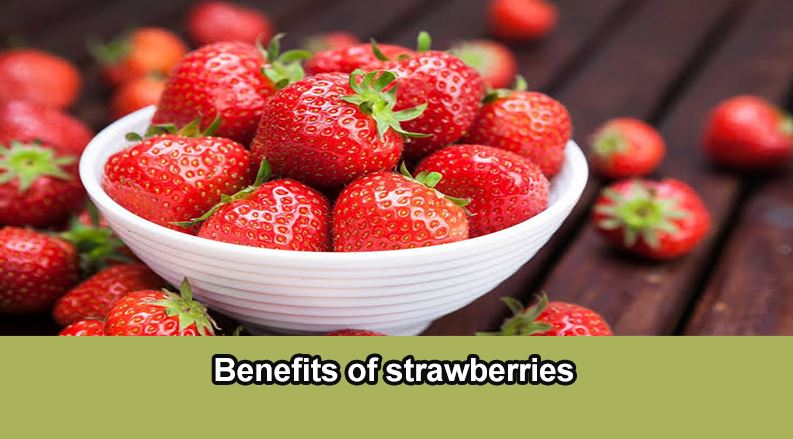
Strawberries are widely celebrated for their vibrant red color, juicy texture, and natural sweetness, making them a staple ingredient in culinary traditions around the world. However, looking beyond their undeniable culinary appeal reveals a remarkable nutritional profile that positions them as one of the healthiest and most dynamic fruits available. The benefits of strawberries extend far beyond simple nourishment, offering a complex array of vitamins, minerals, and potent plant compounds that actively support long-term physiological health. Integrating these berries into a daily nutritional regimen provides the human body with the necessary biological tools to combat systemic inflammation, support cardiovascular function, and maintain metabolic equilibrium. As researchers continue to study the impacts of whole foods on overall wellness, this versatile fruit consistently emerges as a critical component of a preventative, longevity-focused lifestyle.
The Exceptional Nutritional Profile of Strawberries
Understanding the health benefits of strawberries begins with examining their dense nutritional composition. Despite being incredibly flavorful, they are remarkably low in calories, consisting primarily of water and essential carbohydrates. This makes them an ideal dietary choice for individuals seeking nutrient-dense foods that do not contribute to excessive caloric intake. A standard serving provides an abundance of dietary fiber, which is fundamental for maintaining a healthy digestive tract and ensuring the steady, sustained absorption of nutrients into the bloodstream.
Beyond their foundational macronutrients, strawberries are highly regarded as an elite source of Vitamin C. While citrus fruits typically dominate conversations surrounding this essential vitamin, a single serving of strawberries actually provides more Vitamin C than a standard orange. This high concentration is vital for the body, as Vitamin C acts as an essential cofactor in numerous enzymatic reactions, supports the immune system’s defensive mechanisms, and plays a non-negotiable role in the biological synthesis of collagen.
In addition to Vitamin C, these berries deliver a strategic reserve of crucial minerals, most notably manganese and potassium. Manganese is frequently overlooked in dietary planning, yet it is essential for bone formation, blood clotting, and reducing inflammatory markers. Potassium, conversely, acts as a primary intracellular electrolyte, responsible for managing fluid balance, facilitating nerve signal transmission, and ensuring proper muscle contraction. Together, this comprehensive matrix of vitamins and minerals creates a biological foundation that supports virtually every major system within the human body.
Potent Antioxidant Properties and Cellular Protection
The deep, rich red pigment of the strawberry is not merely an aesthetic trait; it is a direct visual indicator of its potent antioxidant content. This coloration is primarily driven by pelargonidin, a specific type of anthocyanin. Anthocyanins are powerful water-soluble flavonoids that have been extensively studied for their ability to neutralize free radicals within the body. Free radicals are unstable molecules generated by environmental pollutants, UV exposure, and normal metabolic processes. Left unchecked, they cause oxidative stress, which damages cellular structures, proteins, and DNA.
By introducing a high volume of antioxidants through the regular consumption of strawberries, individuals can actively mitigate this oxidative damage. The antioxidants essentially donate an electron to these unstable free radicals, neutralizing their destructive potential without becoming unstable themselves. This biological intervention is incredibly important for cellular longevity and is widely considered a primary defense mechanism against the premature aging of cells and the development of chronic degenerative diseases.
Furthermore, the continuous neutralization of free radicals significantly impacts systemic inflammation. While acute inflammation is a healthy, necessary biological response to injury, chronic, low-grade inflammation is a silent contributor to numerous modern health crises. The bioactive compounds found in strawberries work synergistically to suppress the expression of inflammatory genes and reduce the circulation of pro-inflammatory cytokines, creating a calmer, more stable internal environment.
The Specific Role of Ellagic Acid
Among the various antioxidants present, ellagic acid deserves specific recognition for its specialized protective capabilities. This polyphenol is found in high concentrations within the seeds and flesh of the fruit. Research indicates that ellagic acid is particularly effective at protecting tissue structures and inhibiting the enzymatic breakdown of elastin, a protein that allows tissues to resume their shape after stretching or contracting. By preserving cellular integrity and defending against targeted oxidative attacks, ellagic acid serves as a highly specialized guardian of human cellular health.
Cardiovascular Advantages of Regular Consumption
Heart disease remains one of the most pressing health challenges globally, making cardiovascular support one of the most critical benefits of strawberries. The robust combination of anthocyanins, fiber, and potassium works in harmony to protect the heart and the intricate network of blood vessels. Regular intake has been consistently linked to improvements in overall lipid profiles. Specifically, the soluble fiber within the fruit binds to cholesterol particles in the digestive system, facilitating their excretion before they can enter systemic circulation and contribute to arterial plaque buildup.
Simultaneously, the high potassium content plays a direct role in regulating blood pressure. Potassium acts as a vasodilator, meaning it helps to relax the tension within the walls of blood vessels. This relaxation allows blood to flow more freely, reducing the mechanical strain placed on the cardiovascular system and significantly lowering the risk of hypertensive complications. When dietary sodium is high, potassium becomes even more critical, as it helps the kidneys excrete excess sodium through urine, maintaining optimal fluid dynamics.
Additionally, the antioxidants within the fruit prevent the oxidation of low-density lipoprotein (LDL) cholesterol. LDL cholesterol is significantly more dangerous to cardiovascular health once it becomes oxidized by free radicals, as this oxidized form is what ultimately triggers the inflammatory cascade leading to atherosclerosis. By halting this oxidation process in its tracks, the bioactive compounds in strawberries provide a profound protective shield for the entire cardiovascular network.
Enhancing Endothelial Function
A deeply specific cardiovascular benefit lies in the improvement of endothelial function. The endothelium is the delicate, single-cell layer lining the interior surface of blood vessels. It is responsible for regulating vascular tone and maintaining efficient circulation. The flavonoids found in strawberries stimulate the endothelium to produce nitric oxide, a crucial signaling molecule that prompts blood vessels to dilate. This improved elasticity and responsiveness are fundamental markers of biological youth and cardiovascular resilience.
Blood Sugar Regulation and Metabolic Stability
Maintaining stable blood glucose levels is a cornerstone of modern metabolic health, and strawberries offer a highly effective dietary tool for this purpose. Despite their naturally sweet flavor profile, they possess a remarkably low glycemic index. This means that they do not provoke the rapid, dramatic spikes in blood sugar and subsequent insulin surges that are typical of processed carbohydrates and refined sugars. For individuals managing metabolic syndrome, insulin resistance, or diabetes, this makes them a distinctly safe and beneficial fruit option.
The secret to this metabolic stability lies in the fruit’s complex fiber matrix. When strawberries are digested, the soluble fiber forms a gel-like substance in the gastrointestinal tract. This physical barrier significantly slows the enzymatic breakdown of carbohydrates and the subsequent absorption of glucose into the bloodstream. By stretching the nutrient delivery over a longer period, the body can process the incoming energy smoothly, preventing the metabolic panic associated with rapid sugar inundation.
Furthermore, certain polyphenols within the fruit have been shown to directly inhibit the activity of enzymes responsible for breaking down complex carbohydrates into simple sugars. This dual-action approach—physically slowing digestion via fiber while chemically inhibiting carbohydrate-digesting enzymes—provides comprehensive support for glucose regulation. Over time, maintaining this type of metabolic stability reduces the exhaustion of insulin-producing pancreatic cells and supports long-term endocrine health.
Cognitive Preservation and Brain Health
The human brain is highly susceptible to oxidative stress due to its immense metabolic activity and high concentration of specific lipids. Consequently, the neuroprotective benefits of strawberries are garnering significant attention from the scientific community. The flavonoids, particularly anthocyanins, are capable of crossing the blood-brain barrier, allowing them to exert their protective effects directly within the central nervous system. Once inside, they accumulate in regions of the brain associated with learning, memory, and cognitive processing.
Regular consumption is strongly associated with a delay in cognitive decline and a reduction in the risk of neurodegenerative conditions. The mechanisms behind this protection are multifaceted. First, the antioxidants reduce the accumulation of toxic proteins and metabolic debris that naturally build up in brain tissue as a byproduct of neural activity. By clearing this biological clutter, the neurons can communicate more effectively, preserving mental acuity and memory retention as the body ages.
Additionally, the anti-inflammatory properties of the fruit protect the delicate neurovascular network that supplies the brain with oxygen and nutrients. Chronic neuroinflammation is a recognized precursor to cognitive impairment. By keeping the brain’s environment cool and well-circulated, strawberries help maintain the structural integrity of neural pathways. This continuous neurovascular support ensures that the brain remains sharp, adaptable, and highly functional well into advanced age.
Supporting Skin Vitality and Structural Integrity
The condition of the skin is often a direct reflection of internal health, and the nutritional profile of strawberries provides comprehensive support for dermatological vitality. The extraordinary concentration of Vitamin C is the primary driver of this benefit. Vitamin C is an absolute biological requirement for the synthesis of collagen, the primary structural protein that gives skin its firmness, elasticity, and youthful appearance. As the body ages, natural collagen production naturally declines; supplying the body with abundant Vitamin C is the most effective way to stimulate and maintain this crucial protein network.
Beyond structural support, the fruit acts as an internal shield against environmental damage. The skin is constantly bombarded by ultraviolet radiation from the sun and atmospheric pollutants, both of which generate localized free radicals that destroy collagen and accelerate the formation of wrinkles. The dietary antioxidants absorbed from strawberries migrate to the dermal layers, where they actively neutralize these external threats, reducing the visible signs of photoaging and maintaining skin resilience.
Furthermore, the natural acids present in the fruit, particularly salicylic acid, are beneficial for maintaining a clear complexion. While typically applied topically, dietary consumption supports overall cellular turnover and the regulation of sebum production. By promoting a healthy inflammatory response and ensuring the skin is adequately hydrated from within, these berries contribute to a natural, vibrant complexion that topical treatments alone cannot achieve.
Digestive Wellness and Nurturing the Gut Microbiome
A robust digestive system is the foundation of comprehensive wellness, and strawberries are uniquely equipped to support gastrointestinal health. The impressive fiber content is composed of both soluble and insoluble forms, each serving a distinct physiological purpose. Insoluble fiber acts as a bulking agent, sweeping through the digestive tract to promote regular bowel movements and prevent the discomfort of constipation. This mechanical action ensures the efficient removal of waste and toxins from the body.
The soluble fiber, meanwhile, serves a deeper biological function as a powerful prebiotic. Prebiotics are non-digestible compounds that serve as the primary food source for the beneficial bacteria residing in the colon. As these probiotic bacteria ferment the soluble fiber from the strawberries, they produce short-chain fatty acids, such as butyrate. These fatty acids are the preferred energy source for the cells lining the colon, helping to maintain a strong, impermeable gut barrier and preventing inflammatory conditions within the digestive tract.
Nurturing this diverse and flourishing gut microbiome has cascading effects on overall health. A balanced microbiome is intimately linked to the regulation of the systemic immune system, the synthesis of essential neurotransmitters like serotonin, and the optimal extraction of nutrients from other foods. By providing the exact type of fibrous fuel that beneficial bacteria require to thrive, regular consumption of this fruit establishes an internal environment primed for optimal physiological function.
Maximizing the Dietary Impact of Strawberries
To fully harness the extensive benefits of strawberries, consistency in consumption and dietary integration is key. Their complex array of antioxidants, specialized fibers, and essential micronutrients provides a multi-tiered defense system against the most common biological stressors of modern life. From reinforcing the structural integrity of the vascular system to shielding neural pathways from oxidative degradation, the compounds within this fruit work continuously to optimize human health.
Viewing these berries not simply as a sweet addition to a meal, but as a dense, functional food source, allows individuals to strategically elevate their nutritional intake. Because their bioactive compounds are readily absorbed and utilized by the body, even moderate, regular consumption yields measurable improvements in metabolic stability and cellular resilience. Ultimately, making strawberries a deliberate and consistent component of a balanced diet represents a simple, powerful, and highly effective investment in long-term health and vitality.
Are strawberries good for weight loss?
Yes, they are low in calories and high in fiber, which helps keep you feeling full longer so you can manage your weight easier.
How many strawberries should I eat a day?
A standard serving is about eight medium-sized strawberries per day, which provides more than enough of your daily vitamin C requirement.
Do strawberries have a lot of sugar?
Even though they taste incredibly sweet, strawberries are surprisingly low in sugar, packing only about seven grams per cup.
What do strawberries do for your skin?
They are packed with antioxidants and vitamin C, which help boost collagen production and protect your skin from UV damage.
Are strawberries good for your heart?
Eating strawberries regularly can lower your blood pressure, reduce inflammation, and improve your good cholesterol levels for better heart health.
Please note
The content provided in this article is for educational and informational purposes only and should not be construed as medical, nutritional, or therapeutic advice. The recommendations provided may not be appropriate for everyone. The final decision regarding your health and lifestyle is yours, and we recommend that you consult with your doctor or other health professional before making any changes or taking any action.















One thought on “Benefits of strawberries”