Natural sources of vitamin D

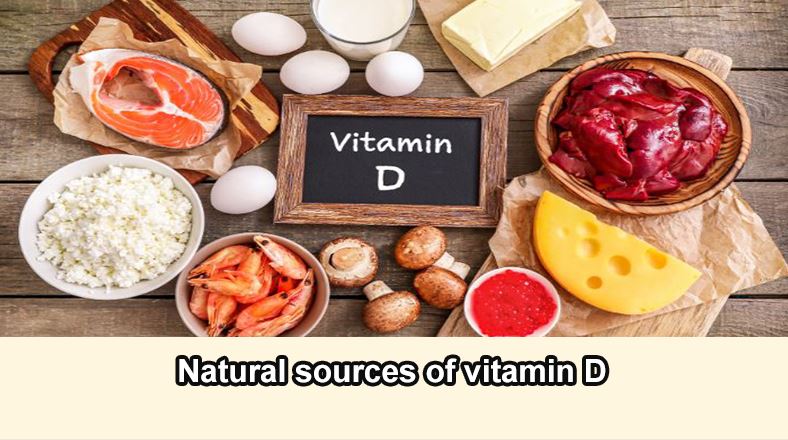
Vitamin D occupies a unique position in the landscape of human nutrition. Unlike other essential vitamins that must be obtained almost exclusively through our diet, our bodies have the remarkable evolutionary ability to synthesize this crucial nutrient entirely from scratch. This compound acts more like a hormone than a traditional vitamin, regulating hundreds of genes and playing an indispensable role in bone density, immune function, mood regulation, and cardiovascular health. Despite our innate ability to produce it, modern indoor lifestyles have created a widespread deficiency crisis, making the pursuit of natural sources of vitamin D more critical than ever. Achieving optimal blood levels requires a strategic understanding of how our bodies interact with the environment and the specific, highly concentrated foods that naturally harbor this elusive nutrient.
The Biochemical Process of Sun Exposure
The most abundant and biologically efficient way to obtain the sunshine vitamin does not involve digestion at all; it relies entirely on the largest organ of the human body. When bare skin is exposed to the ultraviolet B (UVB) radiation present in natural sunlight, a complex biochemical chain reaction begins. A specific type of cholesterol residing just under the skin’s surface, known as 7-dehydrocholesterol, absorbs these UVB rays. This radiant energy alters the chemical structure of the cholesterol, converting it into previtamin D3. Within hours, the body’s internal heat further isomerizes this molecule into cholecalciferol, or vitamin D3. From the skin, this newly formed compound enters the bloodstream and travels to the liver and kidneys, where it undergoes consecutive hydroxylations to become calcitriol, the physiologically active hormone that your cells can actually use.
Relying on sunlight as a primary source is highly efficient, but it is heavily dependent on several environmental and personal factors. The angle of the sun in the sky dictates how much UVB radiation penetrates the Earth’s atmosphere. During the winter months in regions located above 37 degrees latitude, the sun sits too low on the horizon for adequate UVB rays to reach the ground. Even on a completely cloudless day in the middle of January in cities like London, New York, or Toronto, the atmosphere scatters the necessary spectrum of light, making cutaneous synthesis biologically impossible. Consequently, residents of these northern and deeply southern latitudes experience a prolonged “vitamin D winter,” during which they must rely entirely on stored reserves in their body fat and external dietary intakes.
Furthermore, individual physiological traits heavily influence how effectively your skin utilizes solar radiation. Melanin, the pigment responsible for skin color, acts as a highly effective natural sunscreen. While melanin brilliantly protects skin cells from DNA damage and sunburn, it also absorbs the exact UVB rays needed for cholecalciferol production. Individuals with darker skin tones naturally require significantly more time in the sun to generate the same amount of vitamin D as those with paler skin. Age also plays a restrictive role; as human skin ages, it naturally contains less 7-dehydrocholesterol. An elderly person exposed to the exact same amount of sunlight as a young adult will produce only a fraction of the beneficial compound, elevating their risk for deficiency and associated bone density issues.
Deep Water Marine Ecosystems
When solar synthesis is compromised by geography, season, or lifestyle, turning to the diet becomes an absolute necessity. However, naturally occurring dietary sources are remarkably scarce. Because this nutrient is fat-soluble, it accumulates almost exclusively in the lipid tissues of animals, particularly those residing in environments where sunlight is limited, such as the deep ocean. Cold-water fatty fish represent the most potent and concentrated natural sources of vitamin D available in the human diet. The marine food web is incredibly efficient at bioaccumulating this nutrient, starting with microalgae that synthesize it, which are then consumed by zooplankton, smaller fish, and ultimately apex predatory fish.
Wild-Caught Salmon and Mackerel
Salmon stands out as an exceptional nutritional powerhouse, offering massive quantities of cholecalciferol alongside heart-healthy omega-3 fatty acids. However, the exact concentration of the vitamin depends heavily on how the fish lived. Wild-caught salmon generally boast a significantly higher nutritional profile compared to their farmed counterparts. Because wild salmon spend years swimming through oceans feeding on a diverse, natural diet of zooplankton and smaller fish, their tissues become highly saturated with accumulated nutrients. A standard serving of wild sockeye or chinook salmon can provide well over the daily recommended dietary allowance in a single meal. Mackerel and trout follow closely behind, offering similarly dense nutritional profiles that support skeletal integrity and immune defense.
Small Oily Fish and Sardines
For those seeking highly sustainable and affordable options, smaller oily fish like sardines, anchovies, and herring are unparalleled. Because they sit much lower on the marine food chain, they do not accumulate heavy metals like mercury to the same degree as larger predatory fish, making them exceptionally safe for frequent consumption. These fish are often canned whole, including their tiny, soft bones. Consuming these edible bones provides an incredibly synergistic nutritional benefit, delivering a highly bioavailable dose of calcium directly alongside the exact vitamin required by the gut to absorb that calcium. This natural pairing makes whole sardines one of the most effective functional foods for preventing osteoporosis and maintaining structural bone health.
Traditional Cod Liver Oil
Before the era of synthetic supplements, medical professionals routinely turned to cod liver oil to cure and prevent rickets in children during the dark winter months. Unlike the flesh of the fish, the liver serves as the primary storage organ for fat-soluble nutrients. Extracting the oil from the liver of the Atlantic cod yields an incredibly dense superfood. Just a single tablespoon of high-quality cod liver oil delivers an overwhelming abundance of naturally occurring vitamin D3, completely bypassing the need for solar exposure. Additionally, cod liver oil is naturally rich in vitamin A, another crucial fat-soluble nutrient that works synergistically with cholecalciferol to regulate immune responses and maintain cellular health across the respiratory and digestive tracts.
Avian and Terrestrial Animal Sources
For individuals who do not consume marine life, the options for securing this crucial nutrient naturally become narrower but still viable. Terrestrial animals also synthesize and store cholecalciferol, though in much smaller quantities than deep-water fish. The concentration found in animal products is entirely dependent on the animal’s lifestyle, specifically their exposure to natural pasture and direct sunlight. Much like humans, animals kept indoors under artificial lighting will be inherently deficient, leading to nutritionally inferior agricultural products.
Pasture-Raised Egg Yolks
Eggs are frequently celebrated as a complete protein, but the lipid-rich yolk serves as a vital reservoir for micronutrients, including vitamin D. The nutritional quality of an egg is a direct reflection of the hen that laid it. Commercial hens raised entirely indoors produce eggs with only trace, almost negligible amounts of cholecalciferol. In stark contrast, pasture-raised hens that spend their days foraging outdoors in direct sunlight synthesize abundant amounts of the vitamin through their skin and feathers, which they ingest during preening. This synthesized nutrient is then deposited directly into the yolk. Seeking out eggs from genuinely pasture-raised flocks is a practical daily strategy to maintain healthy serum levels organically.
Grass-Fed Beef Liver and Tallow
Organ meats, often referred to as nature’s multivitamins, are historically revered for their nutrient density. The liver, being the body’s primary storage facility for fat-soluble vitamins, contains modest but highly bioavailable amounts of cholecalciferol. While not as concentrated as marine livers, beef liver from cattle raised entirely on sun-drenched pastures provides a complex matrix of supportive nutrients, including zinc, iron, and B vitamins, which aid in overall metabolic function. Similarly, the rendered fat from these animals, known as tallow, retains traces of the vitamin. Incorporating traditional animal fats and organ meats into a balanced diet provides a steady, albeit lower, baseline intake of this essential prohormone.
Fungi and the Unique Production of Ergocalciferol
Strict vegetarians and vegans face a distinct challenge when relying solely on diet to meet their nutritional requirements, as cholecalciferol (D3) is found exclusively in animal tissues. Plants, grains, and typical agricultural vegetables contain zero trace of the sunshine vitamin. However, the fungi kingdom offers a fascinating and highly effective alternative. Mushrooms share a unique biological trait with human skin: they contain high concentrations of a specific sterol called ergosterol. When this compound is struck by ultraviolet light, it undergoes a chemical transformation.
Sun-Exposed and Foraged Mushrooms
Instead of producing cholecalciferol, UV-exposed mushrooms synthesize ergocalciferol, commonly known as vitamin D2. Wild mushrooms that grow in open, sunlit environments naturally contain varying levels of this nutrient. Interestingly, even commercially grown culinary mushrooms—which are typically cultivated in total darkness—can be transformed into potent nutritional sources post-harvest. Placing standard white button, cremini, or shiitake mushrooms in direct sunlight for just an hour before cooking causes their ergosterol to rapidly convert into ergocalciferol. This remarkable trick allows individuals on plant-based diets to naturally bio-hack standard grocery store produce into a vital source of skeletal support.
While there is ongoing scientific debate regarding the comparative efficacy of D2 versus D3, clinical evidence confirms that consuming UV-exposed mushrooms significantly raises serum blood levels of the vitamin. Ergocalciferol uses the exact same metabolic pathways in the human body as its animal-derived counterpart. The liver and kidneys process it into the active hormone required to regulate calcium absorption and immune defense. For those abstaining from animal products and living in regions with low sunlight, deliberately incorporating sun-bathed mushrooms into meals is the only biologically viable way to obtain the nutrient naturally from a non-animal source.
Optimizing Bioavailability and Absorption
Consuming nutrient-dense foods or spending ample time outdoors is only the first half of the physiological equation. The human body must effectively absorb, transport, and activate these raw materials. Because vitamin D is strictly fat-soluble, its absorption in the gastrointestinal tract requires the presence of dietary lipids. Consuming a beautifully prepared filet of wild salmon naturally provides the necessary fats. However, if you are relying on sun-exposed mushrooms or eggs, ensuring they are cooked or consumed with healthy fats—such as olive oil, avocado, or grass-fed butter—stimulates the release of bile acids in the gut, dramatically increasing the amount of the vitamin that successfully crosses the intestinal wall and enters the bloodstream.
Furthermore, this vital prohormone does not operate in biological isolation. Its primary role is to drastically increase the intestines’ ability to absorb calcium from food. Once that calcium enters the bloodstream, it requires direction. Without adequate levels of vitamin K2, the newly absorbed calcium can inappropriately deposit into soft tissues and arterial walls, leading to cardiovascular complications. Vitamin K2 works in perfect synergy with the sunshine vitamin by activating osteocalcin, a protein that sweeps calcium out of the arteries and locks it directly into the bone matrix where it belongs. Magnesium is equally critical, as all the enzymes that metabolize vitamin D in the liver and kidneys require magnesium to function. A deficiency in magnesium can leave the vitamin completely inactive, regardless of how much sun exposure or fatty fish you manage to consume.
Underlying gastrointestinal health also dictates the success of dietary intake. Conditions that impair fat malabsorption, such as Crohn’s disease, celiac disease, or cystic fibrosis, severely hinder the body’s ability to extract the nutrient from food. Individuals with compromised gut lining often struggle with chronic deficiencies even when adhering to perfectly optimized diets. In these scenarios, healing the intestinal mucosa and optimizing liver and gallbladder function are necessary prerequisites to fully harnessing the power of natural dietary sources.
Prioritizing Natural Sources for Optimal Health
Navigating modern life while maintaining robust internal health requires a deliberate return to the environmental and dietary habits of our ancestors. The widespread prevalence of vitamin D deficiency is a direct consequence of indoor urbanization and diets stripped of naturally occurring, fat-soluble nutrients. Reclaiming your vitality hinges on understanding the symbiotic relationship between your skin, the sun, and the targeted consumption of specific, nutrient-dense foods.
Consistently achieving optimal serum levels is best accomplished through a varied approach rather than relying on a single method. Embracing safe, unburned sun exposure during the warmer months builds vital reserves in the adipose tissue. As the seasons change and the sun dips lower in the sky, seamlessly transitioning to a diet rich in wild-caught fatty fish, pasture-raised egg yolks, and UV-exposed mushrooms ensures those vital reserves are never depleted. By prioritizing these potent natural sources of vitamin D, you provide your body with the foundational biochemical building blocks necessary to sustain resilient bones, a highly responsive immune system, and an enduring state of total physiological wellness.
How much time in the sun do I actually need to get enough vitamin D?
You generally only need about 10 to 30 minutes of midday sunlight, several times a week, for your skin to produce sufficient levels.
Which foods are the absolute best natural sources of vitamin D?
Fatty fish like salmon, trout, and mackerel are your top choices, closely followed by egg yolks and beef liver.
Are there any good plant-based or vegan sources of vitamin D?
Yes, mushrooms grown under UV light are a fantastic natural vegan source, alongside fortified foods like almond milk and breakfast cereals.
Can I still get vitamin D from the sun while sitting indoors next to a sunny window?
Unfortunately no, because standard window glass completely blocks the specific UVB rays your skin needs to synthesize the vitamin.
Is it possible to get all the vitamin D I need just from the food I eat?
It is incredibly difficult to reach your daily requirements through diet alone without relying on regular sun exposure or high-quality supplements.
Please note
The content provided in this article is for educational and informational purposes only and should not be construed as medical, nutritional, or therapeutic advice. The recommendations provided may not be appropriate for everyone. The final decision regarding your health and lifestyle is yours, and we recommend that you consult with your doctor or other health professional before making any changes or taking any action.