
Muscle building foods

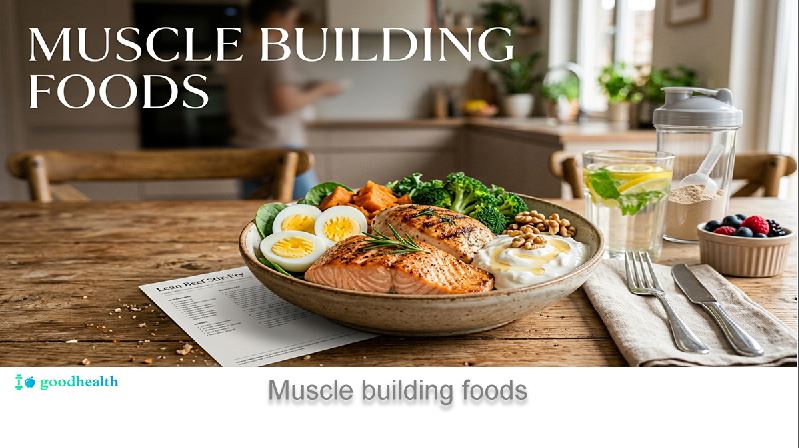
Building lean muscle mass is a physiological process that requires a strategic balance of intensive resistance training, adequate recovery, and precise nutritional support. When individuals commit to a strength-training regimen, microscopic tears occur within muscle fibers during intense contractions. The body repairs these fibers during periods of rest, reinforcing them to become thicker and stronger over time. However, this muscular remodeling cannot occur without an abundant supply of the right raw materials. Consuming muscle building foods provides the essential amino acids, high-quality calories, and micronutrients required to optimize protein synthesis and accelerate physical recovery.
Navigating the vast landscape of sports nutrition often leads to confusion regarding which whole foods yield the greatest physical gains. While commercial protein powders and specialized supplements occupy a prominent space in fitness culture, nutrient-dense whole foods remain the undisputed foundation of effective muscle hypertrophy. By prioritizing whole-food nutrition, athletes and fitness enthusiasts not only supply their bodies with superior macronutrients but also absorb essential vitamins and minerals that support overall metabolic function, hormonal balance, and long-term athletic longevity.
Lean Animal Proteins for Optimal Amino Acid Profiles
Animal-based proteins are widely considered the gold standard for muscle building foods due to their complete amino acid profiles. A complete protein contains all nine essential amino acids that the human body cannot synthesize on its own. Among these, leucine plays a starring role as the primary trigger for muscle protein synthesis. When leucine binds to specific cellular receptors within muscle tissue, it activates the mammalian target of rapamycin pathway, initiating the intricate cellular machinery responsible for repairing and building new muscle fibers.
Poultry, lean beef, pork tenderloin, and whole eggs serve as exceptional staples for anyone pursuing serious hypertrophy. For instance, skinless chicken breast offers an exceptionally high concentration of protein with minimal fat, making it easy to hit daily macronutrient targets without consuming excess calories. Incorporating these nutrient-dense protein sources into regular meals ensures that the bloodstream maintains a steady supply of circulating amino acids, creating an optimal internal environment for muscle growth and preventing muscle breakdown during demanding workouts.
The Role of Whole Eggs and Bioavailable Micronutrients
Whole eggs have long been a cornerstone among muscle building foods, revered not only for their superior protein quality but also for their rich micronutrient density. The egg yolk contains vital compounds such as choline, vitamin D, and cholesterol, which support natural testosterone production and overall hormonal health. Testosterone is a critical anabolic hormone that directly influences muscle mass, strength development, and physical endurance.
While egg whites provide pure, unadulterated protein, consuming the whole egg maximizes the absorption of fat-soluble vitamins and essential fatty acids. This nutritional synergy enhances overall metabolic efficiency, ensuring that the body can effectively utilize the protein consumed to construct strong, resilient muscle tissue.
Shop new arrivals
-
Emotional Advantage
Original price was: €12.90.€8.90Current price is: €8.90. -
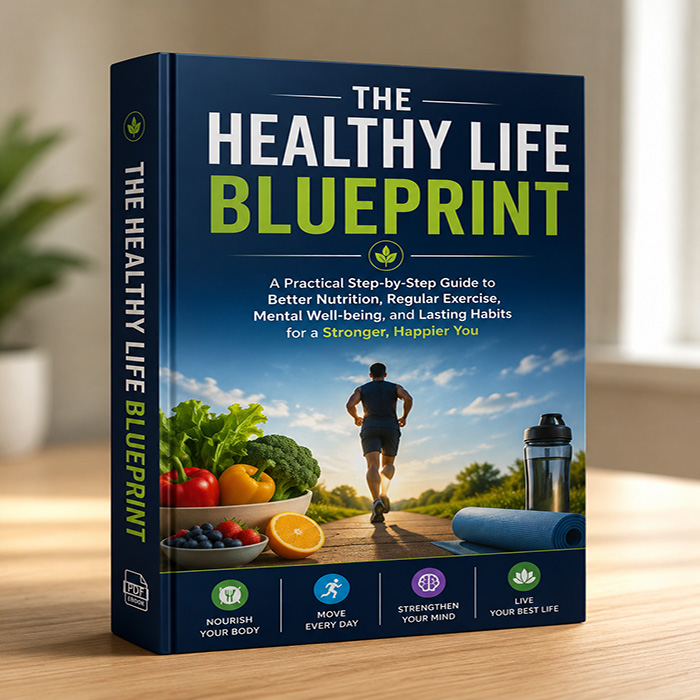
Healthy Life Blueprint
Original price was: €24.90.€15.90Current price is: €15.90. -
How to break negative habits
Original price was: €12.90.€6.90Current price is: €6.90. -
How to have continuity
Original price was: €15.90.€8.90Current price is: €8.90. -
Living with Purpose
Original price was: €14.90.€9.90Current price is: €9.90.




Plant-Based Muscle Building Foods and Athletic Performance
The traditional misconception that muscle growth requires heavy reliance on animal products has been thoroughly dismantled by modern sports science and high-performing plant-based athletes. A diverse array of plant-based muscle building foods can supply all the necessary amino acids and slow-burning carbohydrates needed for intense training. Legumes, lentils, chickpeas, quinoa, hemp seeds, and edamame provide robust amounts of protein alongside valuable dietary fiber, antioxidants, and anti-inflammatory compounds.
Combining different plant protein sources throughout the day ensures that the body receives a complete spectrum of essential amino acids. For example, pairing grains with legumes creates a complementary protein profile that rivals traditional animal sources. Beyond protein delivery, plant foods introduce vital phytonutrients that help mitigate exercise-induced oxidative stress, allowing athletes to recover faster and train harder with fewer disruptions from inflammation.
Optimizing Recovery with Legumes and Pseudograins
Intense physical exertion places a heavy burden on glycogen stores within the muscles, leading to depletion and fatigue. Foods like quinoa and black beans act as exceptional muscle building foods by delivering both plant-based protein and complex carbohydrates in a single package. The carbohydrates replenish depleted muscle glycogen stores, while the protein initiates the structural repair process.
Furthermore, these fiber-rich plant foods support a healthy gut microbiome, which plays a direct role in nutrient absorption and immune defense. When the digestive tract functions at peak capacity, the body extracts and utilizes amino acids and micronutrients more efficiently, translating dietary intake into tangible muscular growth and enhanced physical performance.
Dairy Products and Sustained Protein Delivery
Dairy products represent another powerhouse category of muscle building foods, offering a unique combination of fast- and slow-digesting proteins. Milk contains two primary proteins: whey and casein. Whey protein digests rapidly, causing a sharp and immediate spike in blood amino acid levels. This makes whey an ideal choice immediately following a strenuous workout, when muscle tissue is primed to absorb nutrients for rapid repair.
Casein protein, on the other hand, digests at a remarkably slow rate, releasing amino acids into the bloodstream over several hours. Consuming casein-rich dairy options, such as cottage cheese or Greek yogurt, provides a prolonged trickle of amino acids that protects muscle tissue from catabolism during extended periods without food, such as overnight sleep.
Cottage Cheese and Greek Yogurt for Nighttime Recovery
Greek yogurt and cottage cheese stand out among dairy-based muscle building foods due to their high protein-to-calorie ratios and culinary versatility. Cottage cheese is particularly rich in slow-digesting casein, making it a classic bedtime snack for bodybuilders and strength athletes aiming to sustain muscle protein synthesis throughout the night.
In addition to protein, these fermented dairy products supply essential minerals like calcium and phosphorus, which are critical for maintaining bone density and facilitating proper muscle contraction. Strong bones provide a stable skeletal framework required to support heavy lifting and progressive overload in the gym.
Healthy Fats for Hormonal Regulation and Energy Density
While proteins and carbohydrates dominate discussions surrounding muscle hypertrophy, dietary fats are equally indispensable muscle building foods. Hormones such as testosterone, growth hormone, and insulin-like growth factor play decisive roles in determining how effectively the body builds muscle and burns fat. These anabolic hormones are synthesized from cholesterol and dietary fats. Diets excessively low in fat can lead to suppressed hormonal output, resulting in diminished strength gains and slower recovery times.
Avocados, extra virgin olive oil, raw nuts, seeds, and fatty fish like salmon provide concentrated sources of monounsaturated and omega-3 fatty acids. These healthy fats not only support optimal endocrine function but also provide a dense source of calories for individuals struggling to consume enough energy to fuel intense training volume.
Omega-3 Fatty Acids and Reducing Exercise-Induced Inflammation
Intense resistance training inevitably triggers localized inflammation within muscle tissue, which is a normal part of the muscle-building stimulus. However, chronic or excessive systemic inflammation can impair recovery and lead to persistent joint pain and fatigue. The omega-3 fatty acids found abundantly in salmon, sardines, and chia seeds act as powerful anti-inflammatory agents that help modulate this immune response.
By incorporating omega-3-rich muscle building foods into a regular dietary rotation, athletes can accelerate recovery between training sessions, reduce delayed onset muscle soreness, and protect joint integrity. This enhanced recovery capacity allows for more consistent, high-intensity workouts over weeks and months of training.
Strategic Integration and Long-Term Muscle Development
Achieving sustainable, long-term muscle hypertrophy requires more than simply eating large quantities of food; it demands a disciplined, strategic approach to selecting nutrient-dense muscle building foods that fuel performance and support cellular repair. By organizing daily meals around complete animal and plant proteins, slow-digesting carbohydrates, dairy products, and hormone-supporting healthy fats, individuals create an optimal internal environment for physical transformation. Committing to a whole-food nutrition strategy ensures that every workout translates into genuine strength, enduring vitality, and sustained muscle growth.
What are the absolute best foods to eat for maximum muscle growth?
Lean proteins like chicken breasteggs,salmon,Greek yogurt,and lean beef provide the essential amino acids needed to rebuild and repair muscle tissue.
How much protein do you actually need to eat daily to build muscle effectively?
To maximize muscle growth,Aim for about 0.7 to 1 gram of protein per pound of body weight each day distributed across your meals.
Do you need to eat carbs to build muscle, or is protein enough?
Carbohydrates are essential for muscle building because they replenish glycogen stores and provide the energy needed for intense strength training workouts.
What are the best high-protein vegetarian foods for building muscle?
Plant-based lifters can effectively build muscle by combining tofu.tempeh,lentils,edamame,quinoa,and high-protein dairy or vegan protein powders.
What should you eat right after a workout to optimize muscle recovery?
Consuming a combination of fast-digesting protein and carbohydrates within two hours after working out accelerates muscle protein synthesis and recovery.
please note
The content provided in this article is for educational and informational purposes only and should not be construed as medical, nutritional, psychological, or therapeutic advice. The advice provided may not be appropriate for everyone. The final decision regarding your health and lifestyle is yours, and we recommend that you consult with your doctor, counselor, or other health professional before making any changes or taking any action.
Shop new arrivals
-
Emotional Advantage
Original price was: €12.90.€8.90Current price is: €8.90. -
Healthy Life Blueprint
Original price was: €24.90.€15.90Current price is: €15.90. -
How to break negative habits
Original price was: €12.90.€6.90Current price is: €6.90. -
How to have continuity
Original price was: €15.90.€8.90Current price is: €8.90. -
Living with Purpose
Original price was: €14.90.€9.90Current price is: €9.90.