Healthy eating tips


Adopting a healthier lifestyle often feels overwhelming, especially with the constant influx of contradictory nutritional advice and fad diets dominating the wellness space. However, transforming your relationship with food does not require extreme restrictions, expensive supplements, or complex culinary skills. Instead, it relies on implementing practical, sustainable healthy eating tips that seamlessly integrate into your daily routine. True nutritional well-being is about establishing a balanced approach that nourishes the body, boosts energy levels, and supports long-term physical health without sacrificing the joy of eating. By focusing on foundational principles rather than fleeting dietary trends, anyone can cultivate eating habits that promote lasting vitality, mental clarity, and overall physical wellness.
Understanding the Foundations of a Balanced Diet
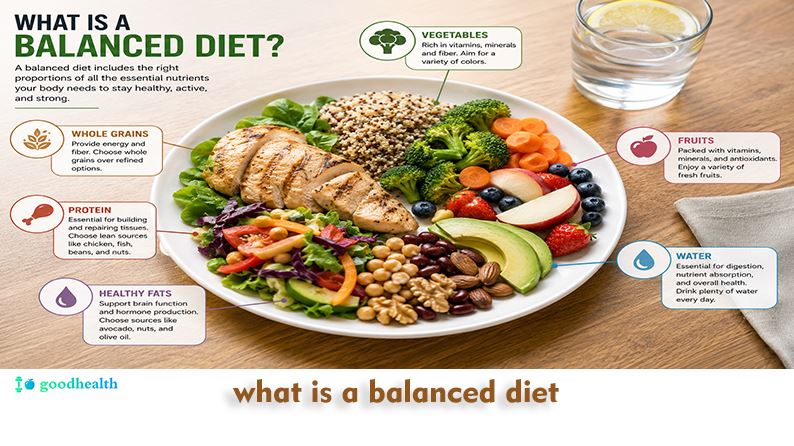
At the core of any successful nutritional transformation is a solid understanding of what constitutes a balanced diet. A genuinely healthy eating pattern requires a proper distribution of macronutrients—proteins, carbohydrates, and dietary fats—alongside an abundance of essential micronutrients like vitamins and minerals. Proteins are the building blocks of the body, crucial for muscle repair, immune function, and hormone production. Carbohydrates, often unjustly vilified in modern diet culture, are the body’s primary and most efficient energy source, particularly when derived from complex sources like whole grains and legumes. Healthy fats, including those found in avocados, nuts, and olive oil, are vital for brain health, cellular integrity, and the absorption of fat-soluble vitamins.
Moving away from the concept of rigid dieting is one of the most important healthy eating tips you can embrace. Diets that demand the complete elimination of entire food groups or strictly limit caloric intake are notoriously difficult to maintain and often lead to a cycle of restriction and bingeing. Instead of viewing foods as inherently “good” or “bad,” a balanced approach encourages viewing food as fuel and nourishment. This perspective shift helps dismantle the guilt often associated with eating and fosters a more intuitive, peaceful relationship with your meals.
Furthermore, recognizing bio-individuality is essential when establishing a balanced diet. Every human body processes food differently based on genetics, metabolic rate, daily activity levels, and underlying health conditions. What functions as optimal fuel for an endurance athlete will differ significantly from the dietary needs of someone with a sedentary desk job. Therefore, learning to listen to your body’s unique responses to different foods is far more effective than rigidly following a generic meal plan found online. Adjusting your intake based on your personal energy levels, digestive comfort, and satiety is the hallmark of a truly sustainable nutritional strategy.
Prioritizing Whole Foods Over Processed Options
One of the most impactful healthy eating tips for long-term wellness is prioritizing whole, minimally processed foods over highly refined alternatives. Whole foods are items that remain as close to their natural state as possible, completely free from artificial additives, synthetic preservatives, and refined sugars. Examples include fresh fruits, crisp vegetables, intact whole grains, raw nuts, seeds, and high-quality lean proteins. These foods are naturally nutrient-dense, meaning they provide a high ratio of essential vitamins, minerals, and dietary fiber relative to their caloric content. Consuming a diverse array of whole foods ensures that your body receives the broad spectrum of nutrients required for optimal cellular function and disease prevention.
Conversely, diets heavy in ultra-processed foods are consistently linked to chronic health issues, including systemic inflammation, cardiovascular disease, and metabolic syndrome. Processed foods are typically engineered to be hyper-palatable, combining refined carbohydrates, unhealthy trans fats, and excessive sodium to trigger reward centers in the brain. This artificial stimulation easily overrides the body’s natural satiety signals, leading to chronic overeating. By consciously reducing your intake of packaged snacks, sugary beverages, and fast food, you naturally decrease your consumption of empty calories while simultaneously lowering your risk of developing lifestyle-related diseases.
Transitioning from a diet reliant on convenience foods to one centered around whole foods does not have to happen overnight. Gradual shifts are far more sustainable than sudden dietary overhauls. You might begin by swapping a highly processed breakfast cereal for steel-cut oats topped with fresh berries, or replacing a midday candy bar with an apple and a handful of almonds. Over time, these small, consistent substitutions accumulate, gradually reshaping your palate. As your taste buds adjust to the natural flavors of whole foods, your cravings for overly sweet or excessively salty processed items will naturally diminish.
Navigating the Grocery Store Aisles
Executing a whole-food approach begins the moment you enter the supermarket. A highly effective strategy is to concentrate your shopping efforts on the perimeter of the grocery store. The outer aisles are typically where the fresh produce, lean meats, dairy, and seafood are located. By filling the majority of your cart from these sections, you naturally bypass the central aisles, which are usually heavily stocked with processed, packaged, and preserved items.
When you do need to purchase items from the inner aisles, developing the habit of scrutinizing nutrition labels and ingredient lists is crucial. Do not rely on front-of-package marketing claims like “all-natural” or “low-fat,” as these are often misleading tactics designed to sell products rather than promote health. Instead, read the ingredient list carefully. If a product contains a lengthy list of unpronounceable chemical additives, artificial colorings, or multiple forms of hidden sugars—such as high-fructose corn syrup, maltodextrin, or cane juice—it is best left on the shelf. Selecting products with short, recognizable ingredient lists ensures you are keeping your diet as clean and natural as possible.
The Psychological Shift Toward Mindful Eating
In our modern, fast-paced society, eating has largely become a secondary activity, routinely performed while driving, working, or scrolling through a smartphone. This chronic distraction severs the vital mind-body connection required for healthy digestion and appetite regulation. Mindful eating is the practice of bringing your full, undivided attention to the experience of consuming food. It involves engaging all your senses—noticing the vibrant colors, complex aromas, varied textures, and subtle flavors of your meal. By removing external distractions and focusing entirely on your plate, you transform eating from a mindless reflex into a deeply satisfying and intentional experience.
Implementing mindful eating is one of the most effective healthy eating tips for natural portion control and weight management. The human brain requires approximately twenty minutes to register signals of fullness originating from the stomach. When you eat rapidly or while distracted, you easily consume significantly more food than your body actually needs before the brain can communicate that you are satisfied. By deliberately slowing your eating pace, thoroughly chewing each bite, and occasionally pausing to gauge your hunger levels, you give your digestive system the necessary time to accurately communicate with your brain. This simple deceleration helps prevent the uncomfortable physical sensation of being overly full and supports better digestion.
Cultivating a mindful eating environment also plays a critical role in your overall nutritional health. Establishing a dedicated space for meals, such as sitting at a dining table rather than eating on the couch or standing over the kitchen counter, physically signals to your brain that it is time to eat and digest. Creating this intentional boundary between mealtime and the rest of your daily activities reduces stress, lowers cortisol levels, and shifts the nervous system into a parasympathetic “rest and digest” state, which is optimal for nutrient absorption and gastrointestinal health.
Mastering Portion Control Without Calorie Counting
Achieving and maintaining a healthy body weight does not inherently require meticulous calorie counting or the use of food scales, both of which can lead to dietary obsession and burnout. Instead, mastering visual portion control offers a much more sustainable and psychologically healthy approach to managing your intake. A highly effective method is the “plate model,” which simplifies meal composition without requiring any mathematical calculations. To implement this, simply fill half of your plate with non-starchy vegetables, a quarter with lean protein, and the remaining quarter with complex carbohydrates. This visual framework guarantees that your meals are automatically calorie-controlled while remaining incredibly nutrient-dense.
The types of food you choose heavily dictate your ability to manage portions naturally. Foods rich in dietary fiber and high-quality protein are the cornerstones of lasting satiety. Fiber, found abundantly in vegetables, fruits, legumes, and whole grains, adds significant physical bulk to your meals and slows the emptying of the stomach. Protein requires more energy to digest than carbohydrates or fats and triggers the release of appetite-suppressing hormones. By ensuring that every meal and snack contains a substantial source of both fiber and protein, you maintain steady blood sugar levels and ward off the sudden, intense hunger pangs that typically lead to overeating and poor dietary choices.
Your physical environment, particularly the dishware you use, also subtly influences your portion sizes. Psychological studies consistently demonstrate that serving meals on smaller plates creates an optical illusion that tricks the brain into perceiving a larger volume of food. Conversely, placing a standard portion on an oversized restaurant-style plate makes the meal appear meager, often prompting individuals to serve themselves more. By consciously choosing smaller plates and bowls for your meals at home, you can effortlessly reduce your caloric intake without feeling visually or physically deprived.
Strategic Meal Planning for Busy Lifestyles
A lack of time is frequently cited as the primary obstacle to maintaining a healthy diet. After a long, exhausting workday, the convenience of ordering takeout or heating a highly processed frozen meal often overrides the desire to cook from scratch. This is where strategic meal planning becomes an indispensable tool. Planning your meals in advance eliminates the stress of last-minute decision fatigue and ensures that you always have nutritious options readily available. Taking just one hour over the weekend to map out your breakfasts, lunches, and dinners for the upcoming week sets a solid foundation for dietary success and significantly reduces impulsive, hunger-driven food purchases.
Batch cooking and ingredient preparation are practical extensions of meal planning that save immense amounts of time during busy weekdays. Rather than cooking entirely new meals every single night, you can prepare large quantities of versatile foundational ingredients at once. Roasting a large tray of seasonal vegetables, cooking a sizable batch of quinoa or brown rice, and grilling several portions of chicken or tofu provides you with building blocks that can be quickly assembled into varied meals throughout the week. Having these healthy components pre-cooked and stored in the refrigerator transforms the act of preparing a nutritious dinner from a tedious chore into a rapid, stress-free assembly process.
Structuring a Nutrient-Dense Weekly Menu
When drafting your weekly menu, prioritizing culinary variety is key to preventing diet fatigue. Eating the exact same meals repeatedly not only leads to psychological boredom but also limits the spectrum of vitamins and minerals your body receives. A well-structured meal plan intentionally rotates different protein sources—incorporating plant-based proteins, poultry, and fish on different days—while varying the types of vegetables and whole grains. This commitment to variety ensures broad nutritional coverage while keeping your palate engaged and excited about your upcoming meals.
Effective meal planning also involves smartly utilizing leftovers to reduce both cooking time and food waste. When preparing dinner, intentionally cooking extra portions guarantees you have a healthy, pre-packaged lunch ready for the following workday. This strategy eliminates the temptation to visit the local fast-food chain or cafeteria during your lunch break. By viewing dinner preparation as an opportunity to secure multiple healthy meals, you maximize your culinary efforts and maintain complete control over the ingredients and portion sizes of your daytime meals.
Hydration as a Pillar of Dietary Health
While conversations about nutrition typically focus exclusively on food, adequate hydration is a fundamental, yet often overlooked, pillar of dietary health. The human body is composed primarily of water, and every single cellular process—from digestion and nutrient transportation to temperature regulation and cognitive function—relies heavily on proper fluid balance. Despite its importance, chronic, low-grade dehydration is incredibly common, leading to symptoms such as persistent fatigue, brain fog, and sluggish digestion. Making a conscious effort to increase your daily water intake is one of the most immediate and impactful healthy eating tips you can implement.
Furthermore, the physical sensations of mild dehydration are very frequently misinterpreted by the brain as hunger. It is common to experience a craving for a snack when your body is actually signaling a critical need for fluids. Before reaching for food between meals, drinking a large glass of water and waiting ten to fifteen minutes can often completely resolve the perceived hunger pangs. This simple habit prevents unnecessary snacking, supports natural calorie management, and ensures that your body stays properly hydrated throughout the day.
If you struggle to consume plain water, there are numerous natural strategies to make hydration more appealing without resorting to sugar-laden sodas or artificial juices. Infusing your water with slices of fresh citrus fruits like lemons and limes, tossing in a few berries, or adding sprigs of fresh mint and cucumber can dramatically enhance the flavor profile. Additionally, incorporating water-rich foods into your daily meals, such as watermelon, celery, tomatoes, and leafy greens, provides a significant boost to your overall daily fluid intake while simultaneously delivering valuable vitamins and dietary fiber.
Maintaining Healthy Habits While Dining Out
A truly sustainable approach to nutrition must be flexible enough to accommodate social events, celebrations, and restaurant dining. Healthy eating does not require isolation or the avoidance of social gatherings. However, restaurant meals present unique challenges, as they are frequently prepared with excess sodium, hidden sugars, and low-quality fats to enhance flavor. Navigating these environments successfully requires a blend of preparation, assertiveness, and mindful decision-making. Reviewing the restaurant’s menu online before arriving allows you to scan for nutritious options free from the pressure of a hurried waiter or the distractions of your dining companions, ensuring you make a choice aligned with your health goals.
When ordering at a restaurant, you have the right to customize your meal to fit your nutritional needs. Do not hesitate to request simple, health-promoting modifications. You can ask for your protein to be grilled or baked rather than fried, request that heavy sauces and dressings be served on the side, or swap out a starchy side dish like french fries for a double portion of steamed vegetables or a side salad. Most modern restaurants are incredibly accommodating to dietary requests, and these minor adjustments can dramatically improve the nutritional profile of your meal without sacrificing the enjoyment of dining out.
It is equally important to maintain a sense of balance and avoid the “all-or-nothing” mentality when eating away from home. If you are celebrating a special occasion and want to enjoy a decadent dessert or a rich entree, do so mindfully and without an ounce of guilt. The goal of a healthy lifestyle is not rigid perfection; it is overall consistency. Enjoying an indulgent meal with friends or family will not undo weeks of nutritious eating. The healthiest response is simply to thoroughly enjoy the experience, and then smoothly return to your established whole-food habits the very next day.
Building Sustainable Habits for Long-Term Success
Ultimately, the true measure of a healthy diet is your ability to maintain it over the course of a lifetime. The wellness industry often promotes the idea of absolute dietary perfection, which is both unattainable and psychologically damaging. Instead, adopting the 80/20 rule is an incredibly effective strategy for long-term success. This principle suggests that if eighty percent of your diet consists of nutrient-dense, whole foods that fuel and repair your body, you have complete freedom to enjoy your favorite, less-nutritious treats with the remaining twenty percent. This built-in flexibility prevents the feelings of deprivation that typically cause rigid diets to fail, allowing for a joyful and realistic relationship with food.
Embracing this flexible mindset also means learning to forgive yourself when things do not go exactly as planned. There will inevitably be days when you are too tired to cook, when you overindulge at a holiday party, or when stress leads you toward comfort food. These isolated instances are entirely normal human experiences, not moral failures. A sustainable approach to health recognizes that wellness is determined by your consistent, daily habits over months and years, not by a single meal or a chaotic weekend.
By consistently applying these healthy eating tips—focusing on whole food nutrition, practicing mindful consumption, mastering portion awareness, and maintaining proper hydration—you build an unbreakable foundation for physical and mental well-being. This journey is about gradual, intentional progress, making empowering choices that respect your body’s needs while still celebrating the cultural and personal joy that food provides. Moving forward, prioritizing these balanced, practical habits will ensure your nutritional choices continue to support a vibrant, energetic, and deeply healthy life.
How can I start eating healthy on a tight budget?
You can save money by buying seasonal produce in bulk, choosing affordable proteins like beans and lentils, and planning your meals ahead of time to avoid food waste.
What are the best healthy snacks to keep at my desk?
Keep your energy up throughout the workday with easy, non-perishable snacks like mixed nuts, roasted chickpeas, plain popcorn, or an apple with almond butter.
Do I have to completely cut out sugar to eat healthy?
You don’t need to eliminate sugar entirely; instead, focus on enjoying natural sugars from fruit and eating your favorite sweet treats in moderation rather than making them a daily habit.
Is it better to eat three large meals or several small ones?
The best meal frequency depends entirely on your personal preference and schedule, as long as your overall daily intake consists of balanced, nutrient-dense whole foods.
Please note
The content provided in this article is for educational and informational purposes only and should not be construed as medical, nutritional, or therapeutic advice. The recommendations provided may not be appropriate for everyone. The final decision regarding your health and lifestyle is yours, and we recommend that you consult with your doctor or other health professional before making any changes or taking any action.
Shop new arrivals
-
Emotional Advantage
Original price was: €12.90.€8.90Current price is: €8.90. -
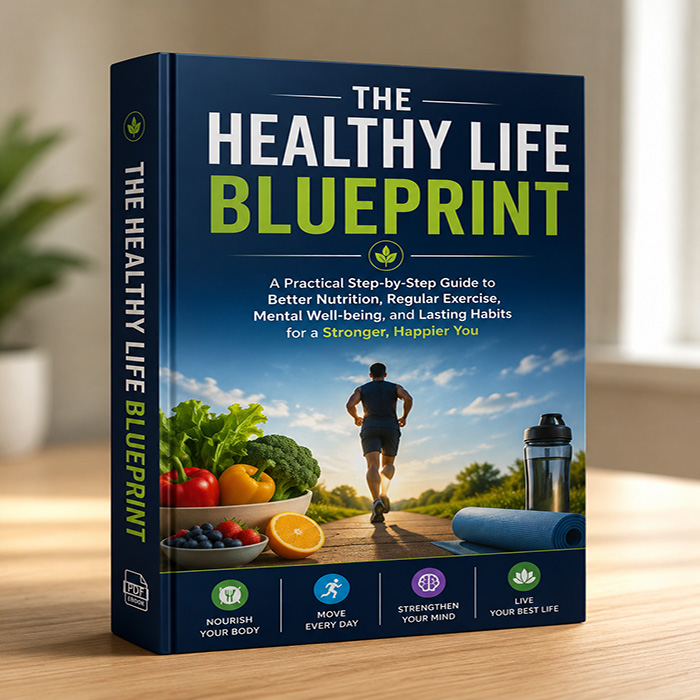
Healthy Life Blueprint
Original price was: €24.90.€15.90Current price is: €15.90. -
How to break negative habits
Original price was: €12.90.€6.90Current price is: €6.90. -
How to have continuity
Original price was: €15.90.€8.90Current price is: €8.90. -
Living with Purpose
Original price was: €14.90.€9.90Current price is: €9.90.