
protein for men

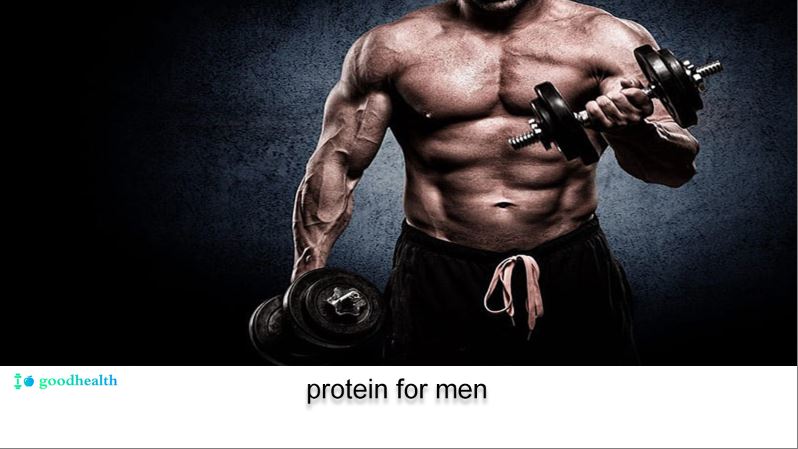
Protein is one of the most important nutrients for men’s health, playing a central role in building muscle, maintaining physical strength, supporting recovery, and regulating many essential processes in the body. Whether you want to develop a muscular physique, lose body fat, improve athletic performance, or maintain good health as you age, consuming enough protein is an important part of a balanced diet. However, the amount of protein you need depends on several factors, including your body weight, age, activity level, health condition, and fitness goals.
Understanding protein for men involves more than simply eating large amounts of meat or drinking protein shakes after workouts. Your body needs protein to repair tissues, produce enzymes and hormones, maintain muscle mass, support immune function, and provide the amino acids required for normal biological processes. Choosing high-quality protein sources and distributing your intake throughout the day can help you meet these requirements. Whether you follow an ordinary diet, practice bodybuilding, or participate in endurance sports, developing a suitable protein intake strategy can support your long-term health and physical performance.
Why Is Protein Important for Men’s Health?
Protein is a macronutrient made up of smaller compounds called amino acids. These amino acids serve as building blocks for muscles, skin, organs, enzymes, and numerous other structures throughout the body. Some amino acids can be produced naturally by the body, while others, known as essential amino acids, must be obtained through food.
Men require adequate protein to maintain muscle tissue, repair damaged cells, produce important biological compounds, and support normal immune function. Protein also contributes to the maintenance of bones and other connective tissues. When dietary protein intake is consistently insufficient, the body may begin breaking down its own muscle tissue to obtain the amino acids it needs.
Protein is particularly important for physically active men because exercise increases the body’s need for tissue repair and adaptation. Resistance training creates a stimulus for muscle protein synthesis, the process through which the body builds new muscle proteins. Adequate protein intake provides the amino acids needed to support this process.
However, consuming excessive protein does not automatically produce greater muscle growth or better health. The most important objective is to obtain an appropriate amount based on your individual requirements while maintaining a balanced intake of carbohydrates, fats, vitamins, minerals, and fiber.
How Much Protein Do Men Need Per Day?
The amount of protein men need depends on their body weight, age, physical activity, and overall health. A commonly used reference intake for healthy adults is approximately 0.8 grams of protein per kilogram of body weight per day. The European Food Safety Authority uses a population reference intake of 0.83 grams per kilogram per day for healthy adults. The German Nutrition Society also recommends 0.8 grams per kilogram for adults under 65 years of age and an estimated 1.0 gram per kilogram for adults aged 65 and older. (DGE, EFSA)
For example, a man weighing 70 kilograms would need approximately 56–58 grams of protein daily to meet these general reference recommendations. A man weighing 85 kilograms would need approximately 68–71 grams.
These figures represent general nutritional reference values, not necessarily the optimal amounts for bodybuilding, intensive exercise, or certain medical conditions. Men who regularly participate in strength training or demanding sports may benefit from higher protein intake.
| Activity level | General daily protein guideline |
|---|---|
| Sedentary adult men | 0.8–0.83 g/kg |
| Moderately active men | Individual needs based on activity and diet |
| Regular strength training | 1.4–2.0 g/kg |
| Physically active athletes | Approximately 1.4–2.0 g/kg |
| Healthy men aged 65+ | Approximately 1.0 g/kg as a reference |
The important distinction is that protein requirements are not determined by sex alone. Men often require more total protein because they may have greater body weight and muscle mass, but the appropriate amount per kilogram is influenced more by activity, age, body composition, and health than by being male.
Benefits of Protein for Men
Adequate protein intake provides several important benefits that extend beyond muscle development. It supports physical performance, recovery, metabolic processes, and the maintenance of healthy body tissues.
Helps Build and Maintain Muscle Mass
One of the most recognized benefits of protein for men is its role in muscle growth. Muscle tissue is constantly undergoing breakdown and rebuilding. Resistance training increases the stimulus for muscle adaptation, while dietary protein supplies the amino acids required for muscle protein synthesis.
Men who regularly perform bodybuilding, weightlifting, or resistance exercises generally need more protein than sedentary individuals. Combining progressive strength training with sufficient protein can support increases in muscle size and strength.
Protein alone, however, cannot build an impressive physique. Progressive overload, adequate calories, recovery, and consistent training are equally important.
Supports Muscle Recovery After Exercise
Exercise places stress on muscle tissue, and recovery involves repairing and adapting to that stress. Protein provides essential amino acids that contribute to this process.
Consuming protein as part of a meal after training can support muscle recovery, especially when combined with sufficient carbohydrates and fluids. Foods such as eggs, chicken, fish, Greek yogurt, and milk are practical post-workout options.
Helps With Weight Management
Protein can contribute to feelings of fullness after meals, making it useful for men who want to manage their body weight. It also requires more energy to digest than carbohydrates and fats, although this effect should not be mistaken for significant fat burning.
Including protein in each main meal may help reduce unnecessary snacking and make a calorie-controlled diet easier to maintain.
During weight loss, adequate protein is particularly important because it can help preserve lean muscle mass while body fat is being reduced. Combining protein-rich meals with resistance exercise is a useful strategy for improving body composition.
Supports Bone and Connective Tissue Health
Protein contributes to the structure of bones, cartilage, tendons, ligaments, and other connective tissues. Although minerals such as calcium and phosphorus are essential for bone health, adequate protein intake is also important for maintaining normal skeletal structure.
A balanced diet that provides sufficient protein, calcium, vitamin D, and other essential nutrients can help support musculoskeletal health throughout adulthood.
Supports Immune Function
The immune system depends on proteins to produce antibodies, signaling molecules, and other compounds involved in normal immune responses.
Insufficient protein intake can interfere with normal body functions, including immune responses and tissue repair. Eating a varied diet containing adequate protein helps provide the amino acids needed for these processes.
Best Protein Foods for Men
Choosing nutritious protein sources is one of the most effective ways to meet your daily protein requirements. Both animal-based and plant-based foods can contribute valuable amino acids, vitamins, and minerals.
Eggs
Eggs are an affordable and versatile source of high-quality protein. One large egg typically provides around 6–7 grams of protein, along with vitamin B12, selenium, and choline.
Eggs can be included in breakfast, salads, sandwiches, and other balanced meals. They are particularly convenient for men who want to increase their protein intake without preparing complicated recipes.
Chicken and Turkey
Chicken breast and turkey are popular protein sources among athletes and bodybuilders because they provide substantial amounts of protein relative to their calorie content.
Approximately 100 grams of cooked chicken breast can provide around 30 grams of protein, depending on preparation and moisture content.
Grilled, baked, or roasted poultry can be combined with vegetables, brown rice, potatoes, or whole grains to create balanced meals.
Fish and Seafood
Fish provides high-quality protein and several important nutrients. Salmon, sardines, tuna, trout, cod, and other seafood can be valuable additions to a healthy eating pattern.
Fatty fish such as salmon and sardines also provide omega-3 fatty acids, which contribute to normal cardiovascular and brain function.
Including fish regularly can add nutritional variety while helping men meet their protein requirements.
Greek Yogurt and Cottage Cheese
Greek yogurt and cottage cheese are convenient dairy-based protein sources. Their protein content varies by product, but many Greek yogurts provide approximately 8–10 grams per 100 grams.
They can be combined with fruit, oats, nuts, and seeds to create satisfying breakfasts and snacks.
These foods are also practical before or after exercise because they require very little preparation.
Lean Beef
Lean beef provides protein, vitamin B12, zinc, iron, and other nutrients important for normal body function.
It can be included in a balanced diet, particularly when choosing lean cuts and moderate portions. However, frequently relying on processed meats such as sausages, bacon, and cured meats is less desirable for long-term health.
Beans and Lentils
Plant-based proteins are important for men who follow vegetarian or vegan diets. Lentils, chickpeas, kidney beans, black beans, and other legumes provide protein alongside fiber, iron, folate, and other nutrients.
For example, approximately 120 grams of cooked lentils provides around 11 grams of protein.
Combining legumes with whole grains, nuts, seeds, and other plant foods can provide a varied amino acid profile throughout the day.
Nuts and Seeds
Almonds, peanuts, walnuts, pumpkin seeds, chia seeds, and other nuts and seeds contribute protein and healthy fats.
They are particularly useful as snacks or additions to oatmeal, yogurt, and salads. Because they are calorie-dense, portion sizes should be considered when managing body weight.
How Much Protein Do Men Need to Build Muscle?
Men who want to increase muscle mass generally benefit from consuming more protein than the minimum required to maintain normal health.
The International Society of Sports Nutrition recommends approximately 1.4–2.0 grams of protein per kilogram of body weight per day for most healthy individuals who exercise regularly. This range is generally considered sufficient to support muscle building and maintenance when combined with resistance training. (Journal of the International Society of Sports Nutrition)
For example, a man weighing 75 kilograms who performs regular strength training might aim for approximately 105–150 grams of protein daily.
A higher protein intake is not automatically better. The lower or upper part of the range may be appropriate depending on training intensity, total calorie intake, body composition, and individual goals.
For muscle growth, protein intake should also be accompanied by sufficient total calories and carbohydrates. Carbohydrates support training performance, while healthy fats contribute to normal hormonal and cellular functions.
Protein Intake for Men Who Want to Lose Weight
Protein is particularly useful during fat loss because maintaining muscle mass becomes more challenging when calorie intake is reduced.
When men follow a calorie-controlled diet, the body needs to obtain energy from stored sources. Without adequate protein and resistance exercise, some muscle tissue may also be lost alongside body fat.
Including protein-rich foods at every main meal can help support satiety and muscle maintenance. Practical choices include eggs, lean meat, fish, yogurt, beans, lentils, and tofu.
Men who perform regular resistance training while losing weight may benefit from a higher protein intake than the basic adult reference recommendation. The exact target should be based on body composition, training demands, and health status rather than applying one number to everyone.
Avoid extremely restrictive diets that combine low calorie intake with insufficient protein. Such approaches can increase fatigue, reduce training performance, and make long-term weight management more difficult.
Best Time to Consume Protein
Although total daily protein intake is the most important factor, distributing protein throughout the day can help support muscle protein synthesis.
Instead of consuming almost all your protein at dinner, include protein in breakfast, lunch, dinner, and suitable snacks.
For physically active adults, the International Society of Sports Nutrition suggests approximately 20–40 grams of high-quality protein per serving, with meals or snacks spaced roughly three to four hours apart. Individual requirements vary according to body size, age, exercise, and protein source.
Protein Before Exercise
Eating protein before exercise can contribute to the amino acids available during and after your workout. A balanced meal containing protein and carbohydrates approximately two to three hours before training may support exercise performance and recovery.
Examples include oatmeal with Greek yogurt, eggs with whole-grain bread, or chicken with rice.
Protein After Exercise
After resistance training, your muscles respond to the exercise stimulus by increasing the processes involved in repair and adaptation.
A protein-containing meal or snack after exercise can support these processes. However, you do not need to consume a protein shake immediately after your final repetition.
The muscle-building response to resistance training lasts well beyond the immediate post-workout period. Your overall protein intake throughout the day matters more than following a very narrow timing window.
Protein Before Bed
Some men choose to consume protein before bedtime to provide amino acids during overnight recovery. Greek yogurt, cottage cheese, or milk can be convenient options.
Pre-sleep protein is optional rather than essential. Meeting your daily protein requirements consistently is more important than consuming a specific amount immediately before sleeping.
Whey Protein and Protein Supplements for Men
Protein supplements can be convenient when food alone makes it difficult to meet daily requirements. They are particularly useful for men who have demanding schedules, train regularly, or need a portable post-workout option.
Whey protein is derived from milk and provides all nine essential amino acids. It is quickly digested and contains a relatively high concentration of leucine, an amino acid involved in stimulating muscle protein synthesis.
Casein is another milk-derived protein that is digested more slowly. It is commonly used in evening shakes or between meals.
For people following plant-based diets, soy, pea, and blended plant proteins can provide useful alternatives. Soy protein is a complete protein source, while combinations of different plant proteins can improve the overall amino acid profile.
Protein powders are not necessary for everyone. Whole foods provide protein alongside additional nutrients, fiber, and other beneficial compounds. If you choose a supplement, look for transparent ingredient lists, reliable quality testing, and products that do not contain unnecessary stimulants or excessive added sugar.
Protein for Men Over 40 and 50
As men grow older, maintaining muscle mass and physical strength becomes increasingly important. Age-related muscle loss, known as sarcopenia, can affect physical performance, balance, mobility, and independence.
Adequate protein intake combined with regular resistance training can help support muscle maintenance as men age. The German Nutrition Society estimates an adequate protein intake of approximately 1.0 gram per kilogram of body weight per day for healthy adults aged 65 and older, compared with 0.8 grams for younger adults. (DGE)
Men over 40 and 50 should focus on maintaining sufficient protein intake while staying physically active. Strength exercises, walking, balanced meals, and adequate sleep can all contribute to long-term muscle health.
As people get older, reduced appetite, dental problems, digestive difficulties, and certain medical conditions can make adequate protein intake more challenging. Distributing protein across meals and choosing convenient sources such as yogurt, eggs, fish, and legumes can help.
Can Too Much Protein Be Harmful for Men?
Although protein is essential, consuming extremely large amounts does not guarantee better health or greater muscle growth.
For healthy individuals, higher protein intakes used in exercise research have generally been well tolerated over the studied periods. However, the long-term effects of very high intakes are less certain, and excessive protein consumption can displace other important nutrients if the diet becomes unbalanced.
Men with chronic kidney disease require particular attention. Protein recommendations for these individuals may differ significantly from those for healthy adults. The KDIGO 2024 clinical practice guideline recommends approximately 0.8 grams per kilogram per day for adults with certain stages of chronic kidney disease and advises avoiding high protein intake above 1.3 grams per kilogram in those at risk of disease progression. (KDIGO)
Other considerations include digestive discomfort from certain protein powders, excessive consumption of processed meats, and unnecessary dependence on supplements.
The best approach is to meet your actual protein needs through a balanced diet, rather than automatically choosing the highest possible intake.
Sample High-Protein Daily Meal Plan for Men
A practical meal plan can help demonstrate how to distribute protein throughout the day. The following example is designed to provide a variety of protein sources and is not a personalized prescription.
Breakfast: Three eggs with whole-grain toast and Greek yogurt. This combination provides protein, carbohydrates, and several essential nutrients.
Lunch: Grilled chicken breast with brown rice, broccoli, and a small portion of olive oil. This meal supplies high-quality protein, carbohydrates, and fiber.
Afternoon snack: Greek yogurt with berries and almonds. This is a convenient option that combines protein, healthy fats, and antioxidant-rich fruit.
Dinner: Baked salmon with potatoes and mixed vegetables. Salmon provides protein and omega-3 fatty acids, while potatoes and vegetables contribute carbohydrates, potassium, vitamins, and fiber.
Evening snack: Cottage cheese or a glass of milk, depending on your daily requirements and appetite.
The total protein content will depend on serving sizes and individual products. Adjust portions according to your body weight, physical activity, calorie requirements, and personal goals.
Conclusion
Protein for men is essential for maintaining muscle mass, supporting physical recovery, regulating important body processes, and maintaining healthy tissues. Whether your goal is bodybuilding, fat loss, improved athletic performance, or healthy aging, consuming an appropriate amount of protein can help support your nutritional needs.
For most healthy adult men, the general reference intake is approximately 0.8–0.83 grams per kilogram of body weight per day. Men who regularly participate in resistance training may benefit from approximately 1.4–2.0 grams per kilogram, while older adults may require more attention to maintaining adequate protein intake. Individual needs should always account for health conditions, body composition, and activity levels.
The most effective protein strategy combines nutritious food sources, balanced meal distribution, regular strength training, and sufficient recovery. Eggs, fish, poultry, dairy products, lean meat, beans, lentils, nuts, and seeds can all contribute to daily protein requirements. Supplements such as whey or plant-based protein powders can provide convenience when needed but are not essential.
Ultimately, getting enough protein is not about consuming as much as possible. It is about providing your body with the right amount of high-quality protein, alongside other essential nutrients, to support muscle development, physical performance, and long-term health.
How much protein does a man need per day?
Most adult men need at least 0.8 grams of protein per kilogram of body weight daily, while active men and those who strength train may benefit from approximately 1.2–2.0 grams per kilogram, depending on their goals.
What are the best high-protein foods for men?
Eggs, chicken breast, lean beef, fish, Greek yogurt, cottage cheese, beans, lentils, nuts, and whey protein are excellent sources of protein for supporting muscle growth and overall health.
Does eating more protein help men build muscle faster?
Adequate protein intake combined with regular resistance training helps repair muscle tissue, stimulate muscle growth, and improve recovery, although eating excessive amounts does not automatically produce bigger muscles.
Is whey protein good for men, and should they take it every day?
Whey protein can help men meet their daily protein requirements and support muscle recovery, and it can be consumed daily when needed as part of a balanced diet.
Does protein improve testosterone levels and male sexual health?
Protein supports normal hormone production, muscle maintenance, and overall health, but there is no strong evidence that consuming extra protein directly increases testosterone or improves sexual performance.
please note
The content provided in this article is for educational and informational purposes only and should not be construed as medical, nutritional, psychological, or therapeutic advice. The advice provided may not be appropriate for everyone. The final decision regarding your health and lifestyle is yours, and we recommend that you consult with your doctor, counselor, or other health professional before making any changes or taking any action.
Support Our Blog
Do you enjoy reading our articles and finding valuable information on our website?
Your voluntary contribution helps us continue creating informative, educational, and useful content.
Every contribution, regardless of its size, helps support our research, website maintenance, and future articles.
You can support our work using Bitcoin, Ethereum, USDC, and other supported cryptocurrencies.
Thank you for being part of our community!
Your support makes a difference.
Help us create more valuable articles and educational resources.
$ 5 = Support an article $10 = Support our research $50 = Help our development $100 = Big help for development