
Benefits of Mountain Climbers: Muscles Worked, Form & Variations

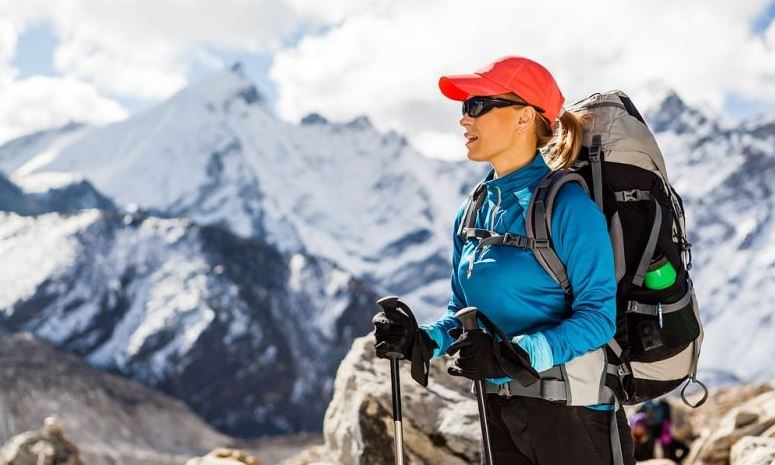
The benefits of mountain climbers make this body-weight exercise a practical way to combine core work with a fast-paced movement that can raise your heart rate. Despite the name, mountain climbers do not involve hiking or climbing a real mountain. You begin in a high-plank position and alternately drive your knees toward your chest, creating a movement that challenges your trunk, shoulders, hips, and legs. You can perform it at a controlled pace for coordination and muscular endurance, or more quickly as part of a cardio circuit.
Mountain climbers require no special equipment and can be adapted for different fitness levels. However, they are most effective when performed with good alignment rather than maximum speed. This guide explains which muscles work, the potential fitness benefits, correct technique, beginner modifications, common mistakes, and ways to include the exercise in a balanced routine.
What Are Mountain Climbers?
Mountain climbers are a dynamic body-weight exercise that starts in a high plank. With your hands on the floor and arms extended, you bring one knee forward under your torso, return that foot, and repeat with the opposite leg. The alternating action resembles running in place while supporting your upper body with your arms.
The exercise has two main demands: your upper body and core must keep your trunk stable, while your hips and legs move repeatedly. The faster version increases the cardiovascular challenge, while a slower version gives you more time to control each repetition. A slower tempo is often the better place to begin if you are learning the movement.
Which Muscles Do Mountain Climbers Work?
Mountain climbers involve several muscle groups, but not all of them work in the same way. Your abdominal muscles help resist unwanted movement through your trunk, while your shoulders and arms support your body in the plank. Your hips and legs produce the repeated knee drive.
Core and abdominal muscles
The rectus abdominis, obliques, and deeper abdominal muscles help keep your trunk steady as each leg moves. The goal is not to twist from side to side or let your lower back sag. Instead, brace your midsection so your pelvis and spine stay controlled throughout the set.
Shoulders, chest, and arms
Your deltoids, triceps, chest muscles, and muscles around the shoulder blades help support your upper body. They work largely to maintain the plank position rather than to perform a full pushing movement. This can build muscular endurance, but mountain climbers are not a substitute for a progressive upper-body strength program.
Hips and legs
The hip flexors help bring each knee forward. Your quadriceps contribute to controlling the moving leg, while the glutes, hamstrings, and calves assist with leg control and support. The amount of effort each muscle contributes depends on your speed, range of motion, body position, and conditioning.
A medically reviewed overview from Healthline’s exercise guide describes mountain climbers as a multi-muscle movement involving the trunk, upper-body stabilizers, hip flexors, and leg muscles. The precise demand varies with technique and pace.
Benefits of Mountain Climbers
1. They can add a cardiovascular challenge to a workout
When you perform mountain climbers continuously and at a brisk pace, the repeated leg action can raise your heart rate and breathing rate. That makes the exercise useful in short conditioning intervals, warm-up circuits, or a body-weight workout. Your actual intensity will depend on how quickly you move, how long you work, and your current fitness level.
Mountain climbers can contribute to an active routine, but a few short sets do not replace all aerobic exercise. The CDC adult activity guidelines recommend that adults aim for at least 150 minutes of moderate-intensity activity or 75 minutes of vigorous-intensity activity per week, alongside muscle-strengthening activity on two or more days. Build your overall routine gradually and include activities you can sustain.
2. They challenge core stability and endurance
Holding a plank while moving your legs requires your trunk muscles to resist excessive arching, rotation, and side-to-side shifting. Repeating this pattern can challenge core endurance—the ability to maintain controlled posture over time. It is a dynamic challenge rather than a static plank, because your hips and legs are constantly changing position.
3. They train coordination and rhythm
The alternating knee drive asks your upper and lower body to work together. At a comfortable pace, you can practice timing, balance, and controlled transitions between legs. As your coordination improves, you may find it easier to maintain a consistent rhythm without allowing your hips to bounce or your shoulders to collapse.
4. They provide a time-efficient, equipment-free option
You need only enough clear floor space to hold a plank. That makes mountain climbers easy to include in a home workout, outdoor circuit, or travel routine. The American Council on Exercise (ACE) includes mountain climbers in short body-weight conditioning sessions, using brief timed intervals as one option for fitting exercise into a busy day. See its body-weight workout example.
5. They are easy to scale
You can slow the movement, reduce the range of motion, or place your hands on a stable elevated surface to make the exercise more manageable. As your control and fitness improve, you can gradually increase the working time or pace. This makes the movement adaptable, although it may not be comfortable for everyone—particularly people who have difficulty supporting body weight through their wrists or shoulders.
How to Do Mountain Climbers With Proper Form
Set up carefully before trying to move quickly. A stable starting position makes the exercise more effective and helps you notice when your technique begins to deteriorate.
1. Start in a high plank. Place your hands on the floor approximately shoulder-width apart, with your wrists under your shoulders. Spread your fingers and press through your palms. Keep your arms straight but avoid forcing your elbows into a hard lock.
2. Create a straight line. Extend your legs behind you and balance on the balls of your feet. Aim to keep your head, shoulders, hips, and heels in one controlled line. Look at the floor a short distance ahead rather than lifting your chin.
3. Brace your midsection. Tighten your abdominal muscles as though preparing for a gentle push. Keep your ribs and pelvis aligned, and avoid letting your lower back dip toward the floor.
4. Drive one knee forward. Bring one knee toward your chest in a comfortable range. Keep the other leg extended and your upper body steady. Your hips may move slightly, but try not to rock or twist excessively.
5. Switch legs smoothly. Return the first foot to the starting position as the other knee comes forward. Continue alternating, breathing steadily. Begin slowly enough to maintain control; increase speed only while your form stays consistent.
ACE’s mountain climber technique notes also emphasize a high-plank position, hands under the shoulders, engaged abdominals, and alternating knee drives.
Beginner-Friendly Mountain Climber Variations
Slow mountain climbers
Move one knee forward at a time without hopping or rushing. Pause briefly when the knee reaches its comfortable endpoint, then return the foot before switching sides. This variation gives you more time to check your alignment and breathing.
Incline mountain climbers
Place your hands on a sturdy bench, step, or fixed counter that will not slide. Walk your feet back until your body forms a straight line, then alternate knee drives. The elevated hand position reduces how much body weight your arms must support. Use a stable surface and avoid chairs or anything that could tip.
Step-in mountain climbers
From a high plank, slowly step one foot forward and return it before switching legs. This removes the impact of a quick switch and can help beginners learn the pattern. Keep your torso steady rather than trying to bring the knee as far forward as possible.
Common Mountain Climber Mistakes
Letting the hips sag: When your midsection loses tension, your lower back may arch. Shorten the set, slow down, or use an incline variation so you can maintain a better position.
Raising the hips too high: Lifting your hips into a pike changes the movement and reduces the plank challenge. Aim for a controlled, neutral body line rather than chasing speed.
Moving too fast too soon: Rapid repetitions are not useful if you lose balance or range of control. Increase speed only after you can perform smooth, consistent repetitions.
Placing the hands too far forward: Start with your wrists approximately under your shoulders. A hand position that is too far ahead can make it harder to maintain stable support.
Holding your breath: Keep breathing throughout the set. If you cannot maintain a steady breathing pattern, reduce the pace or take a longer rest.
A Simple Mountain Climber Workout
Use the following examples as starting points, not targets you must reach. Warm up first with a few minutes of easy movement and practice the slow version before using faster intervals. Choose the level that allows you to keep good form for the entire work period.
Beginner: Perform 15–20 seconds of slow mountain climbers, then rest for 40–60 seconds. Repeat for 2 rounds. Use an incline or step-in variation if needed.
Intermediate: Perform 20–30 seconds at a controlled, moderate pace, then rest for 30–40 seconds. Complete 2–3 rounds, stopping each set before your technique breaks down.
More advanced: Perform 30–40 seconds at a brisk pace, then rest for 40–60 seconds. Complete 2–4 rounds only if you can maintain a stable trunk, controlled landings, and steady breathing.
ACE’s body-weight programming examples commonly use 20–40-second intervals and recommend starting at the lower end before progressing. You can review the ACE sample session for an example of how the movement fits into a broader circuit. Pair mountain climbers with other exercises rather than relying on one movement alone.
How Often Should You Do Mountain Climbers?
For many people, two or three short sessions per week can be a reasonable way to introduce mountain climbers into a wider fitness routine, provided there is enough recovery between demanding sessions. Start with a small number of sets and increase duration or rounds gradually—not all variables at once. You do not need to perform the exercise every day to benefit from regular physical activity.
Combine conditioning exercises with walking, running, cycling, or another aerobic activity you enjoy, as well as strength exercises for all major muscle groups. If you are building a morning routine, you may also find our guide to the benefits of morning cardio useful.
Do Mountain Climbers Burn Belly Fat?
Mountain climbers use energy and can contribute to a workout that supports overall physical activity, but they cannot selectively remove fat from the stomach. Doing more repetitions does not guarantee a smaller waist or visible abdominal muscles. Changes in body fat are influenced by overall energy balance, nutrition, sleep, genetics, and activity over time. For weight management, combine sustainable eating habits with a balanced exercise routine rather than relying on a single exercise.
Safety Tips and When to Modify the Exercise
Mountain climbers place your body weight through your hands and shoulders while asking your trunk to stabilize. If you have wrist, shoulder, back, or knee pain, a recent injury, or a condition that affects your ability to exercise, choose a comfortable alternative and seek guidance from a qualified health professional when appropriate. Stop if you experience sharp pain, dizziness, chest discomfort, or unusual shortness of breath.
Use a non-slip surface, keep the area around your hands clear, and avoid letting your feet skid. If your wrists feel uncomfortable, an incline version may reduce the load; do not push through pain. The exercise should feel challenging but controlled. Good form is more important than speed or the number of repetitions.
The Bottom Line
The main benefits of mountain climbers are their combination of core stabilization, repeated leg movement, coordination, and cardiovascular effort when performed at a brisk pace. They are convenient, equipment-free, and easy to adapt, but they are not a complete fitness program and they do not specifically burn belly fat. Start with a pace you can control, build gradually, and combine the exercise with regular aerobic activity and full-body strength training.
Mountain climbers the exercise are different from outdoor mountain hiking or mountaineering. For the mental and well-being aspects of time on the trail, read our separate guide to how mountain hiking and climbing can support mental well-being.
please note
The content provided in this article is for educational and informational purposes only and should not be construed as medical, nutritional, psychological, or therapeutic advice. The advice provided may not be appropriate for everyone. The final decision regarding your health and lifestyle is yours, and we recommend that you consult with your doctor, counselor, or other health professional before making any changes or taking any action.












2 thoughts on “Benefits of Mountain Climbers: Muscles Worked, Form & Variations”