
Best foods for weight loss

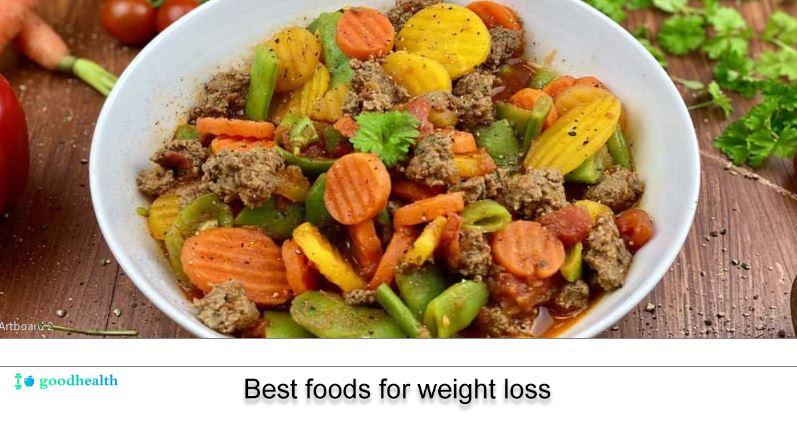
Choosing the right foods is one of the most important steps toward achieving healthy and sustainable weight loss. While exercise, sleep, and lifestyle habits all play important roles, the foods you eat directly influence your calorie intake, hunger levels, energy, and ability to maintain a healthy body weight. The best approach is not to starve yourself or eliminate entire food groups, but to choose nutritious foods that keep you satisfied while helping you manage your daily calorie intake.
The best foods for weight loss are generally those that provide plenty of protein, dietary fiber, vitamins, minerals, and water without excessive calories. Vegetables, fruits, eggs, lean proteins, legumes, whole grains, fish, yogurt, and certain healthy fats can all contribute to a balanced weight-loss diet. Understanding which foods support fullness, how to combine them into satisfying meals, and how to control portions can help you lose body fat without compromising your health. Developing sustainable eating habits is ultimately more effective than following restrictive diets or relying on foods marketed as fat-burning solutions.
What Makes Certain Foods Good for Weight Loss?
The most useful foods for weight management generally provide substantial nutritional value relative to their calorie content. This concept is often called nutrient density. Foods that contain fiber, protein, water, and essential nutrients can help you feel satisfied while making it easier to control your overall energy intake.
Another important factor is satiety, which describes how full and satisfied you feel after eating. Protein and dietary fiber are particularly useful because they can help reduce hunger and make meals more satisfying. For example, a meal containing grilled chicken, vegetables, and brown rice may keep you satisfied longer than a meal consisting mainly of refined carbohydrates.
The best foods for weight loss do not need to be expensive, complicated, or unusual. Everyday ingredients such as oats, potatoes, eggs, apples, beans, carrots, cabbage, and yogurt can provide excellent nutritional value. What matters most is choosing appropriate portions and creating balanced meals that fit your personal calorie requirements.
Weight loss ultimately requires a sustainable calorie deficit, meaning you consume fewer calories than your body uses over time. Choosing foods that naturally support fullness can make maintaining this deficit easier without constantly feeling hungry.
Leafy Green Vegetables
Leafy green vegetables are among the best foods for weight loss because they are generally low in calories while providing fiber, water, vitamins, and minerals. Spinach, kale, lettuce, arugula, and Swiss chard can add considerable volume to meals without contributing excessive calories.
These vegetables also provide nutrients such as vitamin C, vitamin K, folate, potassium, and various antioxidant compounds. Including leafy greens regularly can improve the nutritional quality of your diet while helping you create satisfying meals.
One practical strategy is to make vegetables a major part of your lunch and dinner. Adding spinach to omelets, preparing large salads, or serving steamed greens alongside protein-rich foods can increase meal volume without substantially increasing calories.
Leafy vegetables are also versatile. You can eat them raw, steam them, sauté them with a small amount of olive oil, or incorporate them into soups and smoothies.
Broccoli and Cruciferous Vegetables
Broccoli, cauliflower, cabbage, Brussels sprouts, and other cruciferous vegetables are excellent choices for people trying to lose weight. They provide dietary fiber, vitamins, minerals, and naturally occurring plant compounds while generally containing relatively few calories.
Their fiber content contributes to digestive health and can help promote feelings of fullness. Broccoli, for example, can make a meal more substantial when combined with lean protein and a moderate serving of whole grains.
Cruciferous vegetables can also add variety to a weight-loss diet. Roasted cauliflower, steamed broccoli, cabbage salads, and vegetable stir-fries are practical ways to include them throughout the week.
Preparing these vegetables with moderate amounts of oil, herbs, garlic, and spices can create flavorful meals without relying on high-calorie sauces.
Fruits That Support Weight Loss
Fruits are valuable foods for weight management because they provide natural sweetness, water, dietary fiber, vitamins, minerals, and antioxidants. Replacing highly processed desserts or sugary snacks with whole fruits can help improve overall diet quality.
Apples, berries, oranges, pears, kiwi, watermelon, and grapefruit are popular choices. Many of these fruits contain substantial water and fiber, which contribute to meal satisfaction.
Apples and Pears
Apples and pears contain dietary fiber, particularly when eaten with their edible skins. Their combination of fiber and water makes them convenient snacks between meals.
You can combine sliced apples with yogurt or a moderate portion of nuts to create a more balanced snack containing carbohydrates, protein, and healthy fats.
Berries
Strawberries, blueberries, raspberries, and blackberries provide fiber and naturally occurring antioxidant compounds. Their relatively low calorie content makes them useful additions to breakfast bowls, yogurt, and smoothies.
Adding berries to oatmeal or plain yogurt can also provide natural sweetness without requiring large amounts of added sugar.
Watermelon and Other Water-Rich Fruits
Watermelon, oranges, and other water-rich fruits can contribute to hydration while providing natural carbohydrates and vitamins.
Whole fruit is generally preferable to fruit juice when managing weight because it retains more fiber and provides a more satisfying eating experience. The CDC’s guidance on fruits and vegetables highlights their role in healthy weight management.
Eggs: An Affordable Source of Protein
Eggs are among the most practical foods for weight loss because they provide high-quality protein and several important nutrients. Protein contributes to muscle maintenance and can help you feel satisfied after eating.
A typical large egg provides approximately six grams of protein, although the exact nutritional content varies with size. Eggs also contain vitamin B12, selenium, choline, and other nutrients.
Including eggs in breakfast can help create a more balanced meal. For example, two boiled eggs served with whole-grain bread, tomatoes, and cucumber provide protein, carbohydrates, fiber, and several micronutrients.
Eggs can also be prepared in different ways, including boiling, poaching, scrambling, and making vegetable omelets. Cooking methods matter, so avoid regularly adding excessive butter, cheese, or processed meats if your goal is to manage calorie intake.
Chicken and Lean Meat
Chicken is a popular protein source for people looking to lose weight while maintaining muscle mass. Skinless chicken breast is particularly useful because it provides substantial protein relative to its calorie content.
Protein is important during weight loss because it helps maintain lean body mass, especially when combined with resistance training. Maintaining muscle is valuable for physical function, strength, and overall body composition.
Lean beef and other minimally processed meats can also fit into a balanced weight-loss diet. Choosing appropriate portions and healthier preparation methods can help control calorie intake.
Grilling, baking, roasting, and steaming are practical alternatives to deep-frying. Pair chicken or lean meat with vegetables and whole grains to create satisfying meals.
Fish and Seafood
Fish and seafood provide high-quality protein and can be valuable components of a weight-management diet. White fish such as cod, haddock, and pollock generally contains relatively little fat, while salmon, sardines, and mackerel provide beneficial omega-3 fatty acids.
Protein from seafood can contribute to fullness and help support muscle maintenance. Fatty fish also provides nutrients important for cardiovascular and overall health.
A simple weight-loss meal might include baked salmon, steamed broccoli, and a moderate serving of brown rice. Alternatively, grilled white fish with a large vegetable salad can create a lighter meal.
Shrimp is another useful option because it provides protein while generally being relatively low in calories. However, breading, deep-frying, and creamy sauces can significantly increase the calorie content.
Greek Yogurt and Other High-Protein Dairy Foods
Greek yogurt is a convenient food for weight management because it provides protein and can be incorporated into breakfast, snacks, and desserts. Plain varieties without added sugar are generally preferable to heavily sweetened products.
Protein contributes to feelings of fullness, while yogurt also provides calcium, vitamin B12, and other nutrients depending on the product.
You can combine Greek yogurt with berries, oats, chia seeds, or sliced fruit to create a nutritious breakfast or snack. It can also be used as a substitute for some higher-calorie creamy sauces.
Cottage cheese and other protein-rich dairy foods can provide additional variety. Choose products based on your nutritional needs and preferences rather than assuming that every reduced-fat or high-protein product is automatically healthier.
Beans, Lentils, and Legumes
Beans, lentils, chickpeas, and other legumes are particularly valuable foods for weight loss because they provide both plant-based protein and dietary fiber.
This combination can make meals more satisfying and help reduce hunger between meals. Legumes also provide important nutrients, including iron, magnesium, potassium, and folate.
Examples include lentil soup, chickpea salads, black bean bowls, and bean-based vegetable stews. These meals can be affordable, nutritious, and easy to prepare in larger portions.
For people following vegetarian or vegan diets, legumes are especially useful because they provide substantial amounts of plant protein. Combining them with whole grains and other varied plant foods helps create a nutritionally balanced eating pattern.
Oatmeal and Whole Grains
Whole grains can play an important role in a healthy weight-loss diet. Oats, brown rice, quinoa, barley, and whole-wheat bread provide carbohydrates, fiber, and several essential nutrients.
Oatmeal is particularly popular because it contains beta-glucan, a type of soluble fiber that can contribute to fullness and may help support healthy cholesterol levels.
A breakfast consisting of oatmeal, berries, and Greek yogurt can provide a combination of fiber and protein that helps create a satisfying start to the day.
Whole grains should not be eliminated simply because they contain carbohydrates. Portion size and overall dietary quality matter more than avoiding an entire macronutrient group. Choosing whole grains instead of highly refined alternatives can make meals more nutritious and filling.
Potatoes and Sweet Potatoes
Potatoes are often excluded from weight-loss diets because they contain starch, but whole potatoes can be nutritious and satisfying foods.
They provide carbohydrates, potassium, vitamin C, and other nutrients. Their water content and food structure can also contribute to fullness, particularly when they are boiled or baked without excessive added fat.
Sweet potatoes provide carbohydrates, fiber, and beta-carotene, which the body can convert into vitamin A. Both regular potatoes and sweet potatoes can fit into a balanced weight-loss eating pattern.
The preparation method makes a considerable difference. Boiled, baked, or steamed potatoes are generally more suitable for calorie-conscious meals than heavily fried potatoes covered in rich sauces.
Avocados, Nuts, and Seeds
Healthy fats are an important part of a balanced diet. Avocados, almonds, walnuts, chia seeds, flaxseeds, and pumpkin seeds provide unsaturated fats, fiber, and other valuable nutrients.
Although these foods are calorie-dense, moderate portions can contribute to satisfying meals. Combining healthy fats with protein and fiber can improve meal variety and help you feel satisfied.
For example, adding a small portion of walnuts to oatmeal or including avocado in a vegetable salad can make meals more substantial.
The key is portion awareness. Eating unlimited quantities of healthy fats can still make it difficult to maintain a calorie deficit, because fats provide approximately nine calories per gram.
Soups and Water-Rich Foods
Vegetable-based soups can be useful for people trying to lose weight because they often provide substantial volume without excessive calories.
Soups prepared with vegetables, beans, lentils, and lean proteins can create satisfying meals. Their water content contributes to volume, while their solid ingredients provide essential nutrients and fiber.
Examples include lentil soup, tomato soup, vegetable soup, and chicken soup with vegetables. Homemade versions allow you to control ingredients, salt, oil, and portion sizes.
Avoid assuming that every soup is automatically low in calories. Cream-based soups, dishes containing large amounts of cheese, and soups with excessive added oils can be energy-dense.
Healthy Drinks for Weight Loss
Beverages can contribute a surprising amount of calories to daily intake. Sugary soft drinks, sweetened coffees, energy drinks, and fruit juices can add calories without providing the same fullness as whole foods.
Water is one of the best choices for everyday hydration because it contains no calories. Unsweetened green tea, black tea, and coffee can also fit into a weight-management routine for people who tolerate caffeine.
Green tea contains catechins and caffeine, which have been investigated for their potential effects on energy expenditure and fat oxidation. However, these effects are generally modest, and green tea is not a reliable fat-burning treatment.
The practical advantage of choosing water or unsweetened beverages is that they can replace higher-calorie drinks. This simple change can help reduce daily calorie intake without requiring major dietary restrictions.
How to Combine These Foods Into Balanced Weight-Loss Meals
Knowing which foods support weight loss is useful, but combining them effectively is equally important. A balanced meal should provide protein, fiber-rich carbohydrates, vegetables, and an appropriate amount of healthy fat.
A practical approach is to fill approximately half your plate with vegetables, include a source of protein, and add a moderate portion of whole grains or another carbohydrate source. Adjust portions according to your individual energy requirements, activity level, and health goals.
For breakfast, oatmeal with Greek yogurt and berries can provide fiber and protein. Lunch could include grilled chicken with brown rice and mixed vegetables, while dinner might consist of baked fish, potatoes, and a large salad.
Snacks can include fruit, plain yogurt, boiled eggs, or moderate portions of nuts. Planning meals around foods you enjoy makes the diet easier to maintain and reduces the temptation to rely on highly processed convenience foods.
Foods and Eating Habits to Limit During Weight Loss
No food needs to be completely forbidden for successful weight management. However, frequently consuming foods and beverages that are high in calories but relatively low in nutrients can make it more difficult to maintain a calorie deficit.
Sugary drinks, large portions of sweets, deep-fried foods, highly processed snacks, and excessive amounts of creamy sauces are common examples. These foods can contribute substantial calories without necessarily keeping you satisfied for long.
Pay attention to portion sizes, cooking methods, and hidden calories in dressings, oils, beverages, and packaged products. Even nutritious foods can contribute to excessive calorie intake when portions are consistently larger than your body’s requirements.
A flexible approach is generally more sustainable than strict food rules. Enjoying an occasional dessert or favorite meal can fit into a balanced eating plan without preventing long-term progress.
Build a Sustainable Weight-Loss Eating Plan
The most effective weight-loss diet is one that you can maintain over time. Restrictive diets may produce quick initial changes, but they can also cause excessive hunger, fatigue, nutritional deficiencies, and difficulty maintaining results.
Focus on gradual improvements instead. Increase your intake of vegetables and fruits, include protein in your main meals, choose whole grains more often, and reduce frequent consumption of sugary drinks and highly processed snacks.
Regular physical activity can complement these dietary changes. Combining aerobic exercise, such as walking, running, and cycling, with resistance training supports cardiovascular fitness and helps preserve muscle during weight loss.
Sleep and stress management also matter. Poor sleep and prolonged stress can influence appetite, food preferences, energy levels, and the ability to maintain healthy habits.
If you have diabetes, kidney disease, a history of eating disorders, or another medical condition affecting nutrition, seek individualized advice from a qualified healthcare professional before making significant dietary changes.
Conclusion
The best foods for weight loss are those that provide essential nutrients, support fullness, and help you maintain a sustainable calorie deficit. Vegetables, fruits, lean proteins, eggs, fish, legumes, Greek yogurt, whole grains, potatoes, and moderate portions of healthy fats can all contribute to a balanced and satisfying eating pattern.
Successful weight management does not require starvation, eliminating carbohydrates, or relying on expensive supplements and so-called fat-burning foods. Instead, prioritize protein and fiber, choose minimally processed ingredients, control portions, and build meals around foods you genuinely enjoy.
Combining nutritious eating with regular exercise, adequate sleep, hydration, and consistent daily habits provides a more reliable foundation for long-term weight management. Choosing the right foods can make losing body fat easier, protect muscle mass, improve nutritional quality, and help you maintain a healthier body without sacrificing enjoyment or overall well-being.
What are the best foods to eat every day for weight loss?
The best foods for weight loss include eggs, lean chicken, fish, Greek yogurt, beans, vegetables, berries, oats, and other high-protein, fiber-rich foods that help control hunger and reduce overall calorie intake.
Which foods help burn belly fat naturally?
No specific food directly burns belly fat, but protein-rich foods, leafy greens, whole grains, berries, and healthy fats can support overall fat loss when combined with a calorie-controlled diet.
What foods keep you full longer and reduce hunger?
Eggs, oatmeal, Greek yogurt, lentils, beans, lean meat, nuts, and high-fiber vegetables can help you feel full longer and reduce unnecessary snacking.
What are the best fruits and vegetables for weight loss?
Apples, berries, grapefruit, watermelon, broccoli, spinach, cucumber, carrots, and zucchini are excellent choices because they provide fiber, water, and essential nutrients with relatively few calories.
What foods should I avoid when trying to lose weight?
Limit sugary drinks, sweets, fried foods, processed snacks, fast food, and highly refined carbohydrates because they can make it easier to consume excess calories and harder to maintain a balanced diet.
please note
The content provided in this article is for educational and informational purposes only and should not be construed as medical, nutritional, psychological, or therapeutic advice. The advice provided may not be appropriate for everyone. The final decision regarding your health and lifestyle is yours, and we recommend that you consult with your doctor, counselor, or other health professional before making any changes or taking any action.
Support Our Blog
Do you enjoy reading our articles and finding valuable information on our website?
Your voluntary contribution helps us continue creating informative, educational, and useful content.
Every contribution, regardless of its size, helps support our research, website maintenance, and future articles.
You can support our work using Bitcoin, Ethereum, USDC, and other supported cryptocurrencies.
Thank you for being part of our community!
Your support makes a difference.
Help us create more valuable articles and educational resources.
$ 5 = Support an article $10 = Support our research $50 = Help our development $100 = Big help for development