
Benefits of Hydrotherapy

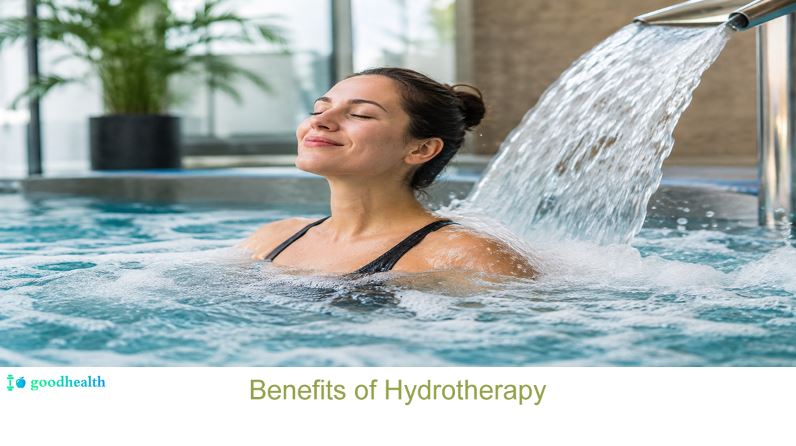
Hydrotherapy is a therapeutic approach that uses water to support physical health, reduce discomfort, improve mobility, and promote relaxation. It has been used for centuries in different forms, from warm baths and mineral-water treatments to modern aquatic physiotherapy and rehabilitation programs. Today, hydrotherapy is increasingly used as a complementary approach for people experiencing joint pain, muscle stiffness, physical injuries, and mobility limitations.
The benefits of hydrotherapy extend beyond relaxation. Water provides natural buoyancy and resistance, allowing people to perform movements with less pressure on their joints while still engaging their muscles. Depending on the treatment method and individual health condition, hydrotherapy may help improve flexibility, reduce pain, support physical rehabilitation, and increase exercise tolerance. Understanding how hydrotherapy works, its different methods, and its potential health advantages can help you determine whether water-based therapy is suitable for your wellness or rehabilitation goals.
What Is Hydrotherapy and How Does It Work?
Hydrotherapy, also called water therapy or aquatic therapy, is the use of water for therapeutic purposes. It can involve warm-water exercises, therapeutic swimming, immersion, baths, whirlpool treatments, and other water-based procedures. In modern healthcare, hydrotherapy is frequently used as part of physiotherapy and rehabilitation programs designed to improve physical function.
The effectiveness of hydrotherapy comes from several physical properties of water. Buoyancy reduces the effects of gravity on the body, making movements easier and reducing the load placed on joints. This can be particularly helpful for people who experience discomfort when walking, standing, or exercising on solid surfaces.
Water also provides natural resistance. Whenever you move your arms or legs underwater, you work against the resistance created by the surrounding water. This allows muscles to become active without necessarily requiring heavy weights or high-impact movements. The resistance can be adjusted by changing movement speed, direction, and the equipment used.
Warm water can provide additional benefits by encouraging muscle relaxation and making certain movements more comfortable. Hydrotherapy pools are commonly warmer than ordinary swimming pools, creating an environment suitable for therapeutic exercise. These combined properties make water-based treatment useful for a variety of rehabilitation and physical wellness applications. Cleveland Clinic and the Chartered Society of Physiotherapy explain these therapeutic properties in greater detail.
May Help Relieve Joint Pain and Muscle Stiffness
One of the most recognized benefits of hydrotherapy is its potential to reduce joint discomfort and muscle stiffness. People experiencing arthritis, chronic pain, or movement difficulties may find exercising in water more comfortable than performing similar activities on land.
Buoyancy helps support body weight, reducing mechanical stress on painful joints. This allows people to perform movements that might otherwise be difficult or uncomfortable. Warm water may also help relax tense muscles and temporarily reduce the sensation of stiffness.
Hydrotherapy can be especially useful for people with osteoarthritis, a condition characterized by changes in the joints that can cause pain, stiffness, and reduced mobility. Research has found that aquatic exercise can produce short-term improvements in pain, stiffness, and physical function among people with knee osteoarthritis.
A systematic review published in 2022 examined 22 randomized controlled trials involving 1,394 participants. It found that aquatic exercise improved pain, stiffness, and physical function compared with no exercise. Its effects were generally comparable to land-based exercise. Source: PubMed.
Hydrotherapy does not reverse joint damage or cure arthritis. However, it can provide an alternative environment for maintaining movement and physical activity, particularly when conventional exercise causes too much discomfort.
Supports Physical Rehabilitation After Injuries
Hydrotherapy is widely used in physical rehabilitation because water can provide a supportive environment for gradually restoring movement and strength. People recovering from certain musculoskeletal injuries may initially find weight-bearing activities difficult, making aquatic exercise a useful complementary option.
The buoyancy of water reduces the amount of body weight that must be supported by the lower limbs. This can allow individuals to practice walking, bending, stretching, and other movements with less mechanical loading than on land.
Physiotherapists may introduce carefully selected exercises that gradually improve joint mobility, muscle activation, coordination, and functional movement. As recovery progresses, the exercise program can become more demanding by increasing movement speed, changing water depth, or introducing resistance equipment.
Hydrotherapy may also be used during rehabilitation following certain surgical procedures. However, it should only begin when the treating surgeon or healthcare professional confirms that it is safe. Unhealed surgical incisions and open wounds can increase the risk of infection in shared water facilities. University Hospitals Plymouth NHS Trust.
Improves Flexibility and Range of Motion
Restricted movement can make everyday activities more difficult. Joint stiffness, muscle tightness, injuries, and certain neurological conditions may limit the ability to bend, stretch, reach, or walk comfortably.
Hydrotherapy provides an environment where people can practice these movements with reduced gravitational loading. Water supports the body while allowing controlled movement through different directions and ranges.
Warm water may also help reduce muscle tension, making stretching exercises more comfortable for some individuals. This can be particularly useful for people who struggle to perform flexibility exercises on a hard surface.
Common aquatic exercises include gentle leg swings, arm movements, knee bends, shoulder rotations, and controlled walking. These activities can be adapted to individual abilities and gradually increased as mobility improves.
Improving flexibility and range of motion can make daily activities more manageable, although results depend on the underlying condition, treatment frequency, and consistency of exercise.
Helps Strengthen Muscles and Improve Physical Fitness
Another important benefit of hydrotherapy is the natural resistance provided by water. Unlike exercising on land, where resistance often comes from weights or resistance machines, aquatic exercise uses the movement of water against the body.
When you push, pull, or move your limbs underwater, your muscles must work against this resistance. Faster movements generally create greater resistance, while slower movements provide a more controlled exercise experience.
Aquatic exercises can target several muscle groups, including the legs, arms, shoulders, back, and abdominal muscles. Exercises such as water walking, leg lifts, squats, and arm movements can help develop muscular endurance and coordination.
Hydrotherapy can also contribute to cardiovascular fitness when sessions include sustained movement. Water walking and water aerobics can increase physical activity while placing less impact on the joints than activities such as running.
However, the amount of strength and cardiovascular improvement depends on exercise intensity and consistency. Hydrotherapy should complement rather than automatically replace a well-rounded fitness program that includes appropriate land-based strength training.
May Improve Balance and Coordination
Balance and coordination are essential for safe movement and everyday independence. Difficulties with balance can increase the risk of falls, particularly among older adults and people with neurological or musculoskeletal conditions.
Hydrotherapy provides an environment in which people can practice balance-related movements with additional support. Water resistance and buoyancy create different movement challenges while reducing some of the consequences of losing balance.
Exercises such as standing on one leg, walking in different directions, changing position, and performing controlled movements can help develop body awareness and movement coordination.
A systematic review published in 2025 examined aquatic exercise in older adults with osteoarthritis. It reported improvements in balance, joint stiffness, pain, and walking ability compared with non-exercise controls. Source: PubMed.
These findings suggest that hydrotherapy may be a useful option for people who need a lower-impact environment to practice movement. Nevertheless, exercises should be supervised and adapted for individuals with significant balance difficulties.
May Reduce Stress and Promote Mental Relaxation
Hydrotherapy is not limited to physical rehabilitation. Warm-water immersion and gentle aquatic exercise can also provide an opportunity to relax and temporarily disconnect from everyday stress.
Warm water may create a soothing physical sensation, while gentle movement can help reduce feelings of muscle tension. The quieter environment of a therapeutic pool may also encourage people to focus on breathing and movement instead of daily responsibilities.
For some individuals, participating in group hydrotherapy sessions can provide additional social benefits. Interaction with other participants and healthcare professionals may create a supportive environment that encourages consistency and confidence.
Hydrotherapy should not be presented as a treatment for depression or anxiety. However, when combined with appropriate healthcare and healthy lifestyle habits, relaxing water-based activities can contribute to general emotional well-being.
May Help People With Fibromyalgia
Fibromyalgia is a chronic condition associated with widespread musculoskeletal pain, fatigue, sleep difficulties, and increased sensitivity to physical discomfort. People with fibromyalgia may find traditional exercise challenging because of pain and reduced exercise tolerance.
Aquatic exercise can provide an alternative because water supports body weight and reduces the mechanical demands of movement. Warm water may also make gentle exercise more comfortable for people experiencing muscle tension and stiffness.
A systematic review published in 2024 examined clinical trials involving aquatic exercise for fibromyalgia. The findings suggested improvements in pain and quality of life, although the number of included studies was limited and the results did not establish that water-based exercise was superior to other exercise approaches. Source: Healthcare, 2024.
Another systematic review and meta-analysis found potential improvements in pain, fatigue, physical function, and aspects of mental health among people with fibromyalgia. However, the certainty of the evidence was low to very low, emphasizing the need for further research. Source: PubMed.
For people with fibromyalgia, an individualized exercise program is particularly important. Starting with gentle movements and gradually increasing activity can help reduce the likelihood of excessive post-exercise discomfort.
Supports People With Neurological Conditions
Certain neurological conditions affect movement, muscle control, balance, and coordination. Conditions such as multiple sclerosis, Parkinson’s disease, neuropathy, and cerebral palsy can create physical challenges that interfere with everyday activities.
Hydrotherapy may provide opportunities to practice movement in a supportive environment. Buoyancy can make walking and limb movements easier, while water resistance provides a controlled way to challenge muscles.
Physiotherapists may use aquatic exercises to practice balance, walking patterns, coordination, and functional movements. The exact program depends on the person’s neurological condition, physical abilities, and rehabilitation objectives.
Hydrotherapy does not reverse neurological damage or cure neurological diseases. Its purpose is to support physical function, maintain movement, and improve quality of life where appropriate.
People with neurological conditions should receive an individualized assessment before entering a hydrotherapy pool, particularly when they experience seizures, reduced sensation, breathing difficulties, or significant balance problems.
May Support Healthy Circulation
Water immersion produces changes in how fluid is distributed throughout the body. Hydrostatic pressure, which is the pressure exerted by water on immersed body surfaces, can influence blood and fluid distribution.
When a person enters water, pressure is applied relatively evenly around the immersed body. This can encourage fluid movement from the lower limbs toward the central circulation, although the effects depend on water depth, temperature, duration, and individual cardiovascular health.
Gentle aquatic exercise also activates muscles, encouraging movement and supporting physical conditioning. Warm water may cause blood vessels near the skin to widen, which can increase local blood flow.
These physiological effects should not be confused with treating cardiovascular disease or improving circulation in every medical condition. People with heart failure, uncontrolled cardiovascular problems, or breathing difficulties require medical assessment before participating in hydrotherapy.
Helps Promote Better Sleep and Overall Well-Being
Sleep plays an important role in recovery, emotional regulation, and physical health. Pain, stress, muscle tension, and limited movement can interfere with sleep quality, particularly among people living with chronic conditions.
Hydrotherapy may contribute indirectly to better sleep by helping some individuals manage discomfort and remain physically active. Gentle movement and relaxation can also provide a useful transition away from stressful daily activities.
Research involving people with fibromyalgia has investigated the relationship between aquatic therapy and sleep quality. A 2023 systematic review and meta-analysis found improvements in self-reported sleep quality alongside pain and quality-of-life outcomes, although additional research is needed to establish long-term effects. Source: PubMed.
Hydrotherapy is not a replacement for appropriate treatment of sleep disorders. However, when used as part of a broader rehabilitation and wellness routine, it may contribute to improved comfort and daily functioning.
Different Types of Hydrotherapy
Hydrotherapy can involve several techniques, depending on the desired outcome and the person’s health requirements. Some methods are primarily designed for physical rehabilitation, while others focus on comfort and relaxation.
Aquatic Physiotherapy
Aquatic physiotherapy involves performing specific therapeutic exercises in water under the guidance of a qualified physiotherapist. The program is adapted to the individual’s condition, movement limitations, and rehabilitation goals.
Sessions may include walking exercises, balance training, stretching, controlled resistance movements, and muscle-strengthening activities. A purpose-built hydrotherapy pool is often used because its temperature and depth can be adjusted for therapeutic purposes.
Warm-Water Immersion
Warm-water immersion involves sitting or standing in a comfortably heated pool or bath. It is commonly used to encourage relaxation and temporarily reduce feelings of stiffness or muscle tension.
Warm water may also make gentle stretching and movement more comfortable. However, excessively hot water can cause dizziness, overheating, and cardiovascular strain.
Water Aerobics
Water aerobics consists of aerobic exercises performed in a swimming pool. Activities may include walking, jogging, arm movements, and coordinated exercises performed to music or under the guidance of an instructor.
Because water reduces impact on the joints, this form of exercise can be suitable for some people who find conventional aerobic workouts uncomfortable.
Whirlpool Therapy
Whirlpool therapy uses moving water to create circulation around the body or a particular body part. It has historically been used in certain rehabilitation and wound-care settings.
However, whirlpool treatments require appropriate hygiene and infection-control procedures. Their use in wound management has become more limited in some healthcare settings because of infection-control concerns. The Centers for Disease Control and Prevention highlights the importance of proper disinfection and monitoring of hydrotherapy equipment. Source: CDC.
What Happens During a Hydrotherapy Session?
A professional hydrotherapy program usually begins with an assessment of your medical history, physical condition, movement limitations, and treatment goals. A physiotherapist or another appropriately trained healthcare professional determines whether aquatic exercise is suitable and which activities should be included.
A typical session may include a gentle warm-up, mobility exercises, water walking, balance activities, resistance movements, and relaxation. The exercises are selected according to the individual’s ability rather than following one fixed routine.
Hydrotherapy pools are often warmer than standard swimming pools. The Chartered Society of Physiotherapy reports that purpose-built hydrotherapy pools commonly operate at approximately 33–36°C, although temperatures vary according to the facility and treatment requirements.
Sessions are generally progressive. A person who initially struggles with walking may begin with supported movements and gradually progress toward more challenging exercises as strength, confidence, and mobility improve.
How Often Should You Do Hydrotherapy?
The appropriate frequency depends on your health condition, fitness level, recovery goals, and the type of treatment being provided. People participating in rehabilitation may follow a schedule determined by their physiotherapist, while others may use aquatic exercise as part of a general fitness routine.
For some therapeutic programs, two or three sessions per week may be appropriate. However, there is no universal schedule that guarantees the same results for everyone.
Consistency is more important than attempting excessively long or demanding sessions. Your exercise intensity should be increased gradually, and adequate recovery should be allowed between sessions when necessary.
Hydrotherapy can also be combined with land-based physiotherapy, walking, stretching, and appropriate strength training. This combination may help people transfer improvements in aquatic exercise into everyday movements outside the pool.
Potential Risks and Precautions of Hydrotherapy
Although professionally supervised hydrotherapy is generally well tolerated, it is not suitable for everyone. Water temperature, immersion depth, medical conditions, medications, and facility hygiene can all influence safety.
Possible risks include slipping, falling, overheating, dizziness, skin irritation, and infections associated with contaminated water. Very hot or cold water can also create additional physiological stress.
The Cleveland Clinic recommends consulting a healthcare professional before starting hydrotherapy, particularly when you have an existing medical condition or are recovering from surgery.
Who Should Be Careful With Hydrotherapy?
People with certain conditions may require medical assessment or additional precautions before entering a hydrotherapy pool. These include individuals with uncontrolled heart conditions, significant breathing difficulties, poorly controlled epilepsy, unstable medical conditions, or serious infections.
Open or infected wounds may also prevent participation in shared pools because of infection-control concerns. Recent surgery requires particular attention because incisions must be sufficiently healed and cleared for water exposure.
Pregnant women should discuss appropriate water-based exercise and water temperature with their pregnancy care provider. People with diabetes, impaired sensation, or circulation problems may also need additional supervision.
Hydrotherapy should never replace prescribed medication, professional rehabilitation, or other necessary medical treatment. It is best understood as a complementary therapy that can support appropriate healthcare plans.
Conclusion
The benefits of hydrotherapy include potential improvements in joint mobility, pain management, flexibility, muscle strength, balance, exercise tolerance, and physical rehabilitation. The natural buoyancy and resistance of water create a supportive environment that can make movement easier, especially for people who experience discomfort during conventional land-based exercise.
Scientific research provides encouraging evidence for aquatic therapy in conditions such as knee osteoarthritis and fibromyalgia, although the strength of evidence varies and benefits are not guaranteed. Hydrotherapy may also contribute to relaxation, improved physical confidence, and better quality of life when incorporated into an individualized treatment program.
Choosing professional guidance, following appropriate safety precautions, and combining water-based exercise with other healthy lifestyle habits are important for achieving meaningful results. Hydrotherapy is not a cure for disease or a detoxification treatment, but it can be a valuable complementary approach for improving movement, managing certain symptoms, and supporting long-term physical well-being.
What are the main health benefits of hydrotherapy?
Hydrotherapy can help relieve muscle tension, reduce joint discomfort, improve mobility, promote relaxation, and support physical rehabilitation through the therapeutic use of water.
Can hydrotherapy help relieve muscle pain and joint stiffness?
Yes, warm-water hydrotherapy can relax muscles, reduce joint stiffness, and make movement easier, particularly for people experiencing arthritis or certain musculoskeletal conditions.
Is hydrotherapy effective for reducing stress and improving sleep?
Hydrotherapy may promote relaxation, reduce physical tension, and improve sleep quality by helping the body unwind and lowering perceived stress.
How does hydrotherapy improve blood circulation?
Warm-water hydrotherapy can temporarily increase blood flow by widening blood vessels, while water pressure may help support circulation and reduce swelling in some situations.
Who should avoid hydrotherapy or take precautions before treatment?
People with uncontrolled heart conditions, severe circulation problems, open wounds, active infections, or certain medical conditions should consult a healthcare professional before trying hydrotherapy.
please note
The content provided in this article is for educational and informational purposes only and should not be construed as medical, nutritional, psychological, or therapeutic advice. The advice provided may not be appropriate for everyone. The final decision regarding your health and lifestyle is yours, and we recommend that you consult with your doctor, counselor, or other health professional before making any changes or taking any action.
Support Our Blog
Do you enjoy reading our articles and finding valuable information on our website?
Your voluntary contribution helps us continue creating informative, educational, and useful content.
Every contribution, regardless of its size, helps support our research, website maintenance, and future articles.
You can support our work using Bitcoin, Ethereum, USDC, and other supported cryptocurrencies.
Thank you for being part of our community!
Your support makes a difference.
Help us create more valuable articles and educational resources.
$ 5 = Support an article $10 = Support our research $50 = Help our development $100 = Big help for development