
what is a balanced diet

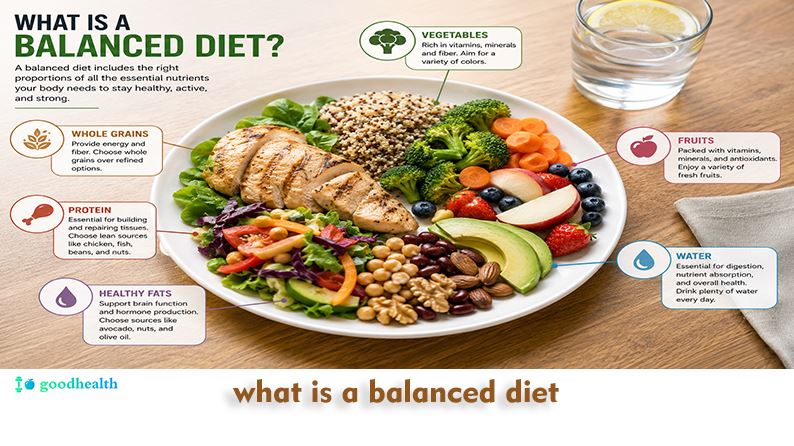
Understanding exactly what is a balanced diet remains one of the most critical foundational steps toward achieving long-term physical and mental well-being. At its core, a balanced diet provides the human biological system with the precise array of nutrients it requires to function optimally, repair cellular tissues, and prevent chronic diseases. Rather than focusing on restrictive eating patterns, severe caloric deficits, or temporary dietary fads, true nutritional balance revolves around consuming a diverse spectrum of foods in highly appropriate proportions. This methodical approach ensures that every organ system receives the essential vitamins, minerals, and energy sources needed to thrive in a demanding modern environment. By prioritizing wholesome, nutrient-dense ingredients, individuals can actively sustain their daily energy levels, enhance cognitive function, and build a highly resilient immune system capable of warding off illness.
Core Macronutrients for Sustained Energy
To fully grasp the intricate mechanics of healthy eating, one must first examine macronutrients, which are the primary building blocks of the human diet. Carbohydrates serve as the body’s preferred and most efficient energy source, fueling everything from intense physical exertion to basic neurological functions. Complex carbohydrates, predominantly found in whole grains, legumes, and starchy root vegetables, release glucose slowly into the bloodstream. This slow digestion process provides a steady, reliable stream of energy while effectively preventing the harsh insulin spikes that lead to metabolic dysfunction. Conversely, simple carbohydrates, often heavily processed and stripped of their natural dietary fiber, lead to rapid energy crashes and contribute significantly to long-term systemic inflammation.
Proteins are equally vital, functioning as the fundamental structural framework for human muscles, skin, internal enzymes, and regulatory hormones. When an individual consumes protein, the digestive system breaks it down into individual amino acids, which are then systematically utilized to repair cellular damage and facilitate physical growth. Sourcing dietary protein from a wide variety of foods, including lean poultry, wild-caught fish, tofu, beans, and lentils, ensures that the body receives a complete and diverse amino acid profile. Plant-based proteins also offer the tremendous added benefit of soluble dietary fiber and beneficial plant compounds, making them a crucial component even for those who regularly consume animal products.
Dietary fats have historically been misunderstood by the general public, yet they remain absolutely indispensable for fat-soluble nutrient absorption, robust hormone production, and cellular membrane integrity. Unsaturated fats, primarily sourced from extra virgin olive oil, fresh avocados, raw nuts, and seeds, support optimal cardiovascular health by actively managing cholesterol levels and reducing systemic vascular inflammation. Omega-3 fatty acids, a highly specific type of polyunsaturated fat found abundantly in fatty fish and flaxseeds, are particularly important for preserving long-term brain health and cognitive acuity. Limiting the daily intake of saturated fats and strictly eliminating artificial trans fats is mathematically necessary to maintain arterial elasticity and prevent severe cardiovascular complications over time.
The Role of Micronutrients in Disease Prevention
While macronutrients provide the necessary daily fuel and structural components, micronutrients act as the essential, microscopic catalysts for thousands of vital metabolic reactions within the human body. Vitamins are organic compounds that support active immune function, early bone development, and the continuous production of cellular energy. For instance, Vitamin C is globally renowned for its potent antioxidant properties and its direct role in natural collagen synthesis, which keeps human skin, joints, and connective tissues elastic and healthy. The expansive B-vitamin complex is critically responsible for converting the macronutrients we eat into usable molecular energy, while Vitamin D rigorously regulates calcium absorption, ensuring a strong and unyielding skeletal architecture.
Minerals, acting as the inorganic counterparts to vitamins, are just as critical for maintaining stable biological equilibrium. Calcium and phosphorus serve as the primary architects of lifelong bone density, while trace minerals like potassium and sodium carefully regulate internal fluid balance, rapid nerve transmission, and smooth muscle contractions. Iron plays a highly unique and vital role in the internal formation of hemoglobin, the specific protein responsible for actively transporting oxygen through the dense human bloodstream. A dietary deficiency in any of these crucial trace elements can lead to profound and cascading health issues, ranging from chronic daytime fatigue and weakened viral immunity to severe, persistent cognitive impairments.
Securing an adequate and consistent intake of these powerful micronutrients relies heavily on consuming a wide, vibrant spectrum of colorful fruits and vegetables on a daily basis. Each distinct color pigment found in plant foods represents completely different phytonutrients and antioxidants, which actively protect the human body against the severe cellular damage caused by roaming free radicals. By consciously incorporating dark leafy greens, vibrant red berries, sharp citrus fruits, and dense cruciferous vegetables into their daily meals, individuals naturally and effectively fortify their bodies against dangerous oxidative stress and the premature biological aging of human cells.
Breaking Negative Habits and Transitioning to Whole Foods
Achieving a perfectly balanced diet often requires breaking negative habits that have been deeply ingrained by modern convenience culture and aggressive food marketing. The widespread, inescapable availability of ultra-processed foods has actively conditioned many individuals to crave hyper-palatable meals laden with refined industrial sugars, excessive chemical sodium, and synthetic artificial additives. These highly engineered, laboratory-designed products actively disrupt natural biological hunger cues and severely overstimulate the human brain’s reward centers, making it incredibly difficult to recognize when the stomach is genuinely full. Recognizing these detrimental behavioral patterns is the first definitive step toward reclaiming complete control over daily nutritional choices and fostering a genuinely healthy life.
Transitioning away from heavily processed convenience items toward whole, unadulterated foods involves a conscious, deliberate recalibration of the human palate and daily eating routines. Whole foods are universally defined as ingredients that remain as close to their original, natural state as possible, completely free from heavy industrial processing and chemical shelf-life preservatives. Crisp apples, whole rolled oats, raw almonds, and fresh wild fish are prime examples of nutrient-dense dietary options that provide robust, satisfying flavor profiles along with highly complex nutritional matrices. As individuals begin to actively substitute heavily processed snacks with these natural alternatives, their biological taste buds gradually adjust, allowing them to truly appreciate the subtle, inherent sweetness and rich savory notes of real, unprocessed food.
This vital behavioral shift does not require an immediate or drastically overwhelming overhaul, which very often leads to rapid burnout and a swift relapse into old, unhealthy eating patterns. Instead, implementing small, incremental dietary substitutions yields far more sustainable and permanent results over a long period. Swapping sugary, boxed breakfast cereals for traditional steel-cut oats topped with fresh organic berries, or successfully replacing refined white bread with deeply textured sprouted grain alternatives, immediately initiates a positive internal cascade of health benefits. Over time, these highly consistent, small adjustments compound significantly, thoroughly transforming an individual’s psychological relationship with food and establishing a permanent, unshakeable foundation for lifelong nutritional wellness.
Mastering Portion Control and Caloric Balance
Even when an individual is consuming the highest quality organic whole foods available, thoroughly understanding energy balance remains a mathematically fundamental aspect of maintaining a healthy body weight and optimal metabolic function. Caloric balance is simply defined as the basic equation of total dietary energy consumed versus total physical energy expended through basal metabolic processes and daily physical activity. Consuming significantly more calories than the human body actively requires directly leads to the biological storage of excess energy as adipose tissue, regardless of whether those specific calories originated from a fast-food drive-through or a bowl of nutrient-dense avocados. Therefore, strictly managing meal portion sizes is just as critically important as meticulously selecting the right culinary ingredients.
Modern restaurant portion sizes, particularly in commercial dining settings and oversized packaged goods, have expanded dramatically and dangerously over the past few decades, severely distorting the general public’s perception of a biologically normal meal. A standard, healthy serving of lean dietary protein should roughly equate to the physical size of a standard deck of playing cards, while a proper serving of complex dietary carbohydrates is optimally the size of a single cupped handful. Visualizing these spatial proportions actively helps individuals build well-rounded, nutritionally complete plates without the tedious need for meticulous calorie counting apps or excessive kitchen measuring tools. Consistently filling exactly half of the dinner plate with fibrous, non-starchy vegetables is a highly effective, proven strategy for increasing the physical volume of a meal and promoting deep satiety without contributing unwanted excess calories.
Developing conscious, mindful eating practices further enhances an individual’s natural ability to regulate portion sizes completely intuitively. Eating slowly, entirely without the visual distraction of glowing televisions, computer monitors, or scrolling smartphones, allows the complex digestive system adequate time to chemically signal the brain that it has successfully reached full physical capacity. This specific physiological signaling process can take up to twenty full minutes to register completely within the central nervous system. By deliberately pausing between bites of food and paying extremely close attention to the physical texture, complex flavor, and overall sensory experience of the prepared meal, individuals can easily identify true biological satiety, effectively preventing the physical discomfort and severe metabolic strain directly associated with chronic overeating.
Hydration as a Foundational Dietary Pillar
Pure water is frequently and dangerously overlooked in broader public discussions about daily nutrition, yet it is arguably the single most essential and non-negotiable component of a truly balanced diet. Every single microscopic cellular process, from the complex chemical digestion of dietary proteins to the rigorous internal regulation of core human body temperature, relies completely and entirely on adequate daily hydration. Water actively facilitates the smooth internal transport of crucial water-soluble vitamins, ensures the highly efficient elimination of toxic metabolic waste through the renal system, and perfectly lubricates heavy load-bearing joints and delicate muscle tissues. Chronic, low-grade daily dehydration can easily and frequently masquerade as physical hunger, directly leading to highly unnecessary caloric consumption and deeply unexplained afternoon fatigue.
The exact volume of water strictly required by the body varies quite significantly based on an individual’s total physical mass, daily cardiovascular activity level, and the specific temperature of their local climate. However, establishing a strong, non-negotiable baseline of consistent water intake evenly distributed throughout the waking day is absolutely crucial for maintaining total systemic bodily efficiency. Consuming heavily water-rich foods, such as crisp cucumbers, fresh watermelon, and rich clear broths, also contributes quite significantly to an individual’s total daily vital fluid intake. Strictly prioritizing pure, unflavored water over chemically sugar-sweetened beverages or highly excessive caffeinated energy drinks heavily ensures that the human body remains optimally hydrated entirely without the heavy biological burden of empty liquid calories or synthetic artificial stimulants.
Tailoring Nutrition to Individual Lifestyles
There is absolutely no universal, rigid blueprint for a perfectly balanced diet, as specific nutritional requirements fluctuate incredibly dynamically throughout the various demanding stages of a normal human life. Growing children and active adolescents biologically require significantly higher daily concentrations of dietary calcium, lean protein, and healthy unsaturated fats to fully support their rapid skeletal growth and complex neurological brain development. Conversely, older aging adults generally experience a very natural, gradual decline in their resting metabolic rate and may directly require far fewer total daily calories, yet they simultaneously often need much higher daily intakes of highly specific vital nutrients like Vitamin B12 and Vitamin D to actively combat age-related physiological changes and rigorously preserve remaining bone density.
Daily physical activity levels also strongly dictate highly significant variations in dietary nutritional planning. An athletic individual who actively engages in intense cardiovascular endurance training or heavy muscular resistance workouts actively burns substantially more baseline calories and physically depletes internal glycogen stores quite rapidly, absolutely necessitating a much higher daily intake of complex carbohydrates and physically restorative proteins. On the other hand, someone navigating a primarily sedentary corporate occupation must be far more highly strategic about the caloric density of their meals, focusing heavily and consistently on extremely lean proteins and highly fibrous, water-rich vegetables to actively maintain physical satiety and rigorously prevent unwanted metabolic weight gain. Accurately aligning daily dietary intake with total daily energy expenditure ensures that the physical body is adequately and perfectly fueled without ever being metabolically overburdened.
Furthermore, deeply held ethical beliefs, specific cultural traditions, and restrictive medical conditions frequently and necessarily shape what a balanced diet physically looks like for widely different human populations. Individuals strictly adhering to vegan or highly vegetarian lifestyles can absolutely and easily achieve optimal, perfect nutrition, provided they meticulously and carefully plan their daily intake of plant-based proteins, dietary iron, essential zinc, and heavily fortified food sources of Vitamin B12. Similarly, those medically managing severe conditions like celiac disease or clinical lactose intolerance must carefully navigate specific food group exclusions while still successfully securing excellent alternative dietary sources of all essential human nutrients. True dietary balance is ultimately highly flexible, effortlessly adapting to these varied individual parameters while still rigorously prioritizing overall nutritional completeness and systemic physical health.
The Impact of Nutrition on Mental and Physical Well-being
The incredibly intricate biological connection between the human gastrointestinal tract and the brain, clinically referred to as the gut-brain axis, beautifully highlights exactly how deeply daily nutrition influences total mental and emotional well-being. The enteric nervous system, deeply embedded within the delicate cellular lining of the human gut, communicates constantly and directly with the central nervous system. A daily diet highly rich in dietary plant fiber, traditional fermented foods, and diverse organic plant matter actively cultivates a fiercely robust and perfectly balanced gut microbiome. These highly beneficial microscopic bacteria are directly and biologically responsible for internally synthesizing a massive portion of the body’s essential neurotransmitters, including both serotonin and dopamine, which heavily regulate daily mood, clinical anxiety levels, and overall baseline emotional stability.
Conversely, standard diets heavily reliant on heavily processed convenience foods, refined industrial sugars, and highly inflammatory trans fats can rapidly severely disrupt this delicate internal microbial balance, quickly leading to a dangerous biological state of dysbiosis. This exact internal imbalance has been heavily and scientifically linked to chronic systemic inflammation, which can physically cross the protective blood-brain barrier and directly contribute to early cognitive decline, severe memory impairment, and highly exacerbated clinical symptoms of depression. By strictly prioritizing naturally nutrient-dense whole foods, individuals actively and naturally reduce dangerous inflammatory markers within their bloodstream, perfectly fostering a clean biological environment that heavily supports sharp daily focus, deep emotional resilience, and highly sustained mental clarity.
The human brain itself is an incredibly and disproportionately energy-demanding biological organ, constantly consuming roughly twenty percent of the body’s total daily caloric intake despite actively accounting for a remarkably tiny fraction of its total physical weight. It strictly requires a highly constant, entirely uninterrupted internal supply of clean glucose derived solely from high-quality complex carbohydrates to function optimally throughout the day. Rapid internal fluctuations in blood sugar, heavily driven by the frequent consumption of simple refined sugars, directly lead to severe brain fog, intense emotional irritability, and absolutely crushing midday physical fatigue. Establishing a daily eating diet thoroughly anchored in slow, sustained-release energy sources is therefore a completely non-negotiable biological requirement for achieving high-level cognitive performance and sustained daily professional productivity.
Sustainable Strategies for Long-Term Nutritional Success
Deeply understanding the strict physiological requirements of a perfectly balanced diet is only the initial theoretical foundation; actively applying these complex principles completely consistently requires highly practical, actionable daily strategies. Dedicated meal planning and deliberate weekly food preparation are among the absolute most highly effective behavioral methods for securing lifelong nutritional consistency. By strictly dedicating highly specific time each weekend to plan culinary menus, purchase whole natural ingredients, and batch-prepare healthy staple foods completely in advance, individuals completely eliminate the exhausting daily decision fatigue that frequently and directly leads to remarkably poor dietary choices. Having deeply nutritious, perfectly portion-controlled meals readily and immediately available highly ensures that healthy, balanced eating remains completely convenient even during the most demanding and highly chaotic professional schedules.
Successfully navigating highly social dining environments and commercial restaurants also actively requires a highly strategic mental approach to easily maintain strict dietary balance without ever sacrificing personal enjoyment. Commercial restaurants typically and legally utilize highly excessive, hidden amounts of heavy cooking oils, saturated butter, and chemical sodium to artificially enhance their culinary flavor profiles. Thoroughly reviewing restaurant menus completely in advance, confidently requesting all dressings and heavy sauces on the side, and strictly prioritizing fibrous, vegetable-heavy main dishes effortlessly allows individuals to actively participate in joyful social dining while remaining perfectly aligned with their long-term nutritional objectives. It is entirely and easily possible to deeply enjoy rich culinary experiences without ever heavily compromising the fundamental scientific principles of balanced human nutrition.
Ultimately, absolute long-term behavioral success in healthy eating relies completely heavily on fully embracing steady consistency rather than actively striving for completely unattainable dietary perfection. The very scientific concept of a completely balanced diet inherently and naturally includes massive behavioral flexibility; occasionally and joyfully indulging in a favorite rich dessert or fully enjoying a heavy, traditional holiday meal absolutely does not biologically negate weeks or even months of excellent, healthy dietary choices. When the vast, overwhelming majority of total dietary intake consists precisely of nutrient-dense whole organic foods, the physical human body is highly and naturally capable of easily processing very occasional dietary indulgences entirely without suffering any adverse, lasting metabolic consequences. Actively adopting a highly rigid, strict all-or-nothing psychological mindset very often directly leads to deep dietary frustration and eventual behavioral failure, whereas a highly flexible, beautifully balanced approach perfectly fosters a deeply sustainable, incredibly healthy relationship with food that effortlessly lasts for an entire lifetime.
The Importance of Reading Nutritional Labels
A highly crucial and strictly necessary skill in modern dietary management is the practiced ability to accurately and critically interpret the detailed nutritional labels legally required on all packaged goods. Bright marketing claims prominently and legally displayed on the front of colorful packaging are frequently and intentionally highly misleading, actively using unregulated terms like “natural” or “multigrain” to artificially create a completely false aura of healthfulness. The legally required ingredient list and the highly precise, mathematical nutritional breakdown printed on the back provide the absolute only objective, scientific truth regarding any commercial product’s actual biological value. Ingredients are legally required to be listed in strict descending order by total weight, clearly meaning the very first three specific items heavily constitute the vast, overwhelming bulk of the physical product.
When carefully and critically evaluating these detailed labels, accurately identifying hidden, concentrated sources of highly added industrial sugars and incredibly unhealthy chemical fats is absolutely paramount. Refined sugar can legally and easily masquerade under literally dozens of completely different scientific names, explicitly including high-fructose corn syrup, synthetic maltodextrin, and heavily processed agave nectar. Similarly, successfully recognizing partially hydrogenated commercial oils is completely essential for actively and entirely avoiding highly harmful, artery-clogging trans fats. By actively cultivating a highly rigorous, unbroken habit of deeply scrutinizing commercial labels immediately before purchasing, everyday consumers effectively empower themselves to make highly informed, completely scientific decisions, strictly ensuring that the packaged foods they do occasionally incorporate into their daily diets genuinely and fully support their broader, long-term nutritional health goals.
Final Thoughts on Achieving Nutritional Balance
A completely balanced diet is absolutely not a highly rigid, punitive medical prescription, but rather a deeply dynamic and beautifully adaptable biological framework expertly designed to consistently provide the human body with completely optimal daily nourishment. By heavily and deeply understanding the incredibly distinct biological roles of both large macronutrients and highly vital microscopic micronutrients, individuals can easily and successfully construct daily eating habits that heavily and robustly support tremendous physical health, incredibly sharp cognitive brain function, and strict long-term chronic disease prevention.
Actively emphasizing whole, entirely minimally processed natural foods while very carefully and consistently managing physical meal portion sizes and total daily caloric energy intake effectively forms the absolute definitive, unshakeable foundation of modern nutritional science. Ultimately, flawlessly and consistently applying these highly proven, evidence-based biological principles effortlessly allows individuals of any age to perfectly optimize their internal metabolic function, beautifully sustain highly elevated daily energy levels, and fundamentally, permanently improve their absolute overall quality of physical and mental life through highly strategic, deeply mindful daily nutrition.
What exactly makes up a balanced diet?
A balanced diet includes the right proportions of lean proteins, complex carbohydrates, healthy fats, vitamins, and minerals to keep your body functioning at its best.
Do I have to give up all my favorite treats to eat healthy?
You don’t have to ban junk food forever; a balanced diet is all about moderation and focusing on nutrient-dense whole foods 80% of the time.
How can I eat a balanced diet on a tight grocery budget?
Sticking to a budget is easy when you plan meals around affordable staples like beans, lentils, frozen vegetables, and seasonal fresh produce.
What is the easiest way to start eating a balanced diet today?
The simplest way to start is by filling half your plate with vegetables at every meal, leaving the rest for lean protein and whole grains.
Are carbohydrates bad for you when trying to eat a balanced diet?
Carbs are actually your body’s main energy source, so you should focus on eating complex carbohydrates like oats, quinoa, and sweet potatoes rather than cutting them out.
please note
The content provided in this article is for educational and informational purposes only and should not be construed as medical, nutritional, psychological, or therapeutic advice. The advice provided may not be appropriate for everyone. The final decision regarding your health and lifestyle is yours, and we recommend that you consult with your doctor, counselor, or other health professional before making any changes or taking any action.