
mental health and exercise

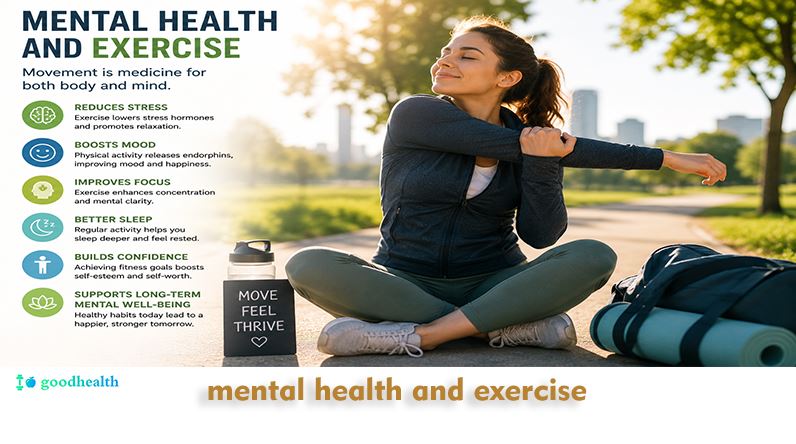
The interplay between our physical bodies and our psychological state is one of the most profoundly documented relationships in modern science. When we discuss mental health and exercise, we are no longer just looking at a secondary benefit of trying to build muscle or improve cardiovascular endurance. Instead, movement is increasingly recognized by medical professionals and psychological researchers as a primary, highly effective intervention for a wide spectrum of cognitive and emotional challenges. By understanding how physical exertion reshapes the brain, regulates emotions, and fosters resilience, individuals can harness fitness as a powerful tool for holistic well-being. Modern lifestyles have become increasingly sedentary, which correlates heavily with rising rates of psychological distress. Recognizing the profound connection between the mind and the body allows us to approach wellness not as disjointed efforts, but as a unified system where physical activity directly nourishes mental stability.
The Biological Mechanisms Behind Movement and Mood
To truly grasp the connection between mental health and exercise, it is essential to understand the biological transformations that occur in the brain during and after physical activity. When you engage in sustained cardiovascular or resistance training, your body initiates a cascade of neurochemical changes. The most well-known of these is the release of endorphins, which act as the body’s natural painkillers and mood elevators. These chemicals interact with the receptors in your brain to reduce the perception of pain and trigger a positive feeling in the body, often described as the “runner’s high.” However, endorphins are only a small part of a much larger neurological picture.
Exercise also stimulates the production and release of other vital neurotransmitters, including dopamine, norepinephrine, and serotonin. These brain chemicals play a critical role in regulating mood, motivation, and the sleep-wake cycle. When individuals experience depressive states or chronic anxiety, these neurotransmitters are often depleted or imbalanced. Regular physical activity acts as a natural modulator, helping to restore optimal levels of these chemicals without the side effects sometimes associated with pharmacological interventions. By consistently engaging in fitness routines, you are essentially training your brain to optimize its own neurochemical balance, leading to more stable and resilient emotional states.
Furthermore, physical exertion promotes neurogenesis, or the creation of new brain cells, particularly in the hippocampus. The hippocampus is the region of the brain heavily involved in memory, learning, and emotional regulation, and it tends to shrink in individuals suffering from chronic depression or severe trauma. Exercise triggers the release of a protein called Brain-Derived Neurotrophic Factor, or BDNF. BDNF acts like fertilizer for the brain, encouraging the growth of new neural pathways and protecting existing neurons from damage. This structural enhancement of the brain demonstrates that the psychological benefits of fitness are not just temporary mood boosts, but long-term physiological adaptations that build cognitive resilience.
Psychological Benefits of a Consistent Fitness Routine
Beyond the microscopic changes in brain chemistry, the relationship between mental health and exercise extends deep into behavioral psychology and self-perception. One of the most immediate psychological benefits of a consistent fitness routine is the enhancement of self-efficacy. Self-efficacy is the belief in your own ability to succeed in specific situations or accomplish a task. When you set a physical goal—whether it is running a certain distance, lifting a heavier weight, or simply completing a thirty-minute workout—and you achieve it, you prove your own capability to yourself. This sense of mastery easily transfers to other areas of life, providing the confidence needed to tackle professional challenges or personal conflicts.
Additionally, establishing a routine centered around physical activity is a highly effective strategy for breaking negative habits. Individuals struggling with stress, anxiety, or low moods often turn to maladaptive coping mechanisms, such as emotional eating, excessive screen time, or substance use. Exercise provides a healthy, constructive alternative. By replacing a detrimental habit with a workout session, you disrupt negative behavioral loops. Over time, the positive reinforcement gained from feeling stronger, more energized, and emotionally balanced makes the healthy life choices more appealing than the old, destructive ones. The discipline required to maintain an exercise regimen spills over into daily decision-making, fostering a lifestyle that prioritizes long-term well-being over immediate, fleeting comfort.
Exercise also offers a unique form of cognitive distraction. When you are fully engaged in a physically demanding activity, your mind is forced to focus on the present moment—coordinating movements, regulating breath, and managing exertion. This acts as a form of moving mindfulness. For individuals prone to rumination, which is the relentless cycle of overthinking and obsessing over negative thoughts, this physical distraction is incredibly therapeutic. The gym, the running trail, or the yoga mat becomes a sanctuary where the mind is permitted to take a break from its anxieties, allowing the nervous system to reset and return to a state of baseline calm.
Impact on Specific Psychological Conditions
Alleviating Depressive States Through Movement
Depression is characterized by a pervasive feeling of sadness, a lack of energy, and a loss of interest in previously enjoyed activities. The profound lethargy that accompanies depressive episodes can make the mere thought of exercise feel insurmountable. However, research consistently shows that physical activity is one of the most effective non-clinical treatments for mild to moderate depression. The steady release of serotonin and dopamine during a workout directly counteracts the chemical deficits associated with depressed moods. Regular cardiovascular exercise has been shown to be just as effective as certain antidepressants for some individuals, with the added benefit of a significantly lower risk of relapse. By forcing the body into motion, individuals can often jumpstart their energy levels and break through the thick fog of depressive stagnation.
Managing Symptoms of Anxiety and Panic
Anxiety disorders keep the body trapped in a perpetual state of fight-or-flight, characterized by elevated heart rates, shallow breathing, and chronic muscle tension. Exercise directly addresses these physical symptoms by burning off excess adrenaline and teaching the body how to recover from physiological arousal. When you engage in intense physical activity, your heart rate increases and you sweat—the same physical symptoms associated with a panic attack. However, because these sensations are occurring in a safe, controlled context, the brain learns to decouple a racing heart from the perception of imminent danger. Over time, this desensitizes the nervous system, reducing the frequency and severity of anxiety attacks while promoting a deeper, more restorative state of relaxation post-workout.
Mitigating Chronic Stress and Burnout
In our hyper-connected modern world, chronic stress and mental burnout are reaching epidemic proportions. Prolonged exposure to stress keeps cortisol levels artificially high, which can wreak havoc on both the immune system and cognitive function. Engaging in regular physical activity helps to metabolize and flush cortisol out of the bloodstream. Furthermore, the physical fatigue that follows a solid workout promotes deeper, more restorative sleep. Since sleep deprivation is a major exacerbating factor for stress and emotional instability, the sleep-enhancing properties of exercise create a powerful positive feedback loop. A well-rested brain is far better equipped to handle the demands of a high-pressure job or a demanding personal life without tipping over into complete exhaustion.
Finding the Right Type of Movement for Your Mind
While all forms of movement offer some degree of psychological benefit, different types of exercise can be tailored to address specific mental health needs. Aerobic exercises, such as running, swimming, cycling, and brisk walking, are most heavily associated with anxiety reduction and mood elevation. Because these activities require continuous, rhythmic motion, they are highly effective at promoting the release of endorphins and increasing blood flow to the brain. Cardiovascular workouts are particularly beneficial for individuals looking to clear their heads after a stressful day, as the repetitive nature of the movement allows the conscious mind to wander and process complex emotions in the background.
Conversely, anaerobic exercises like weightlifting, resistance training, and high-intensity interval training provide a different set of psychological rewards. Strength training is intrinsically linked to empowerment and self-esteem. The tangible progress of lifting heavier weights provides immediate, concrete feedback of your body’s capabilities. For individuals dealing with trauma or a sense of powerlessness, building physical strength can be a deeply transformative experience that reclaims bodily autonomy. Furthermore, the intense focus required to perform heavy lifts safely forces the mind to stay entirely in the present, completely severing the loop of anxious overthinking.
Mind-body practices, including yoga, Pilates, and tai chi, represent a specialized intersection between physical exertion and active meditation. These disciplines emphasize deliberate movement, deep breathing, and intense somatic awareness. They are unparalleled in their ability to down-regulate the central nervous system and activate the parasympathetic nervous system, which is responsible for rest and digestion. For individuals struggling with severe tension, post-traumatic stress, or chronic pain, mind-body exercises provide a gentle, restorative entry point into fitness. Additionally, engaging in “green exercise”—working out in natural environments like parks, forests, or near bodies of water—compounds the psychological benefits by combining physical activity with the proven stress-reducing effects of nature exposure.
Overcoming Barriers to Starting an Active Lifestyle
Despite the overwhelming evidence linking mental health and exercise, putting this knowledge into practice remains a significant challenge for many. This creates a cruel paradox: the psychological conditions that benefit most from exercise—like depression and anxiety—are the exact same conditions that drain the motivation, energy, and confidence required to start working out. Acknowledging this barrier is the first crucial step. It is entirely normal to feel a profound resistance to movement when your psychological reserves are depleted. Overcoming this hurdle requires shifting away from the traditional, rigid expectations of fitness culture and adopting a more compassionate, flexible approach to physical activity.
The key to building momentum is the implementation of micro-goals. When the prospect of a full hour at the gym feels impossible, the goal should be reduced until it feels manageable. This might mean committing to a five-minute stretch in the living room, walking around the block once, or doing ten squats while the morning coffee is brewing. The physiological benefits of exercise are cumulative, meaning that short, frequent bursts of activity are highly valuable. More importantly, achieving a micro-goal provides a small hit of dopamine, which rebuilds the motivation needed to tackle slightly larger goals the next day. By lowering the barrier to entry, individuals can bypass the paralysis of perfectionism and start accumulating positive behavioral data.
Integration rather than addition is another powerful strategy for those struggling to start. Instead of viewing exercise as a separate, time-consuming chore that must be bolted onto an already overwhelming schedule, look for ways to weave movement naturally into your existing healthy life efforts. This could involve walking during phone meetings, cycling to the grocery store, or choosing to take the stairs instead of the elevator. When physical activity is seamlessly integrated into daily life, it requires far less mental friction to execute. Over time, these small lifestyle adjustments compound, naturally shifting the individual’s baseline of activity and significantly improving their overall psychological resilience.
Long-Term Strategies for Sustaining Psychological Well-Being
To reap the maximum psychological rewards from physical activity, sustainability must be prioritized over intensity. The fitness industry often glorifies extreme exertion and rapid transformations, but this all-or-nothing mindset frequently leads to burnout, injury, and a sense of failure. For mental health purposes, consistency is the ultimate metric of success. A moderate, enjoyable workout that you can perform three or four times a week for a year is infinitely more beneficial for your brain chemistry than a punishing, high-intensity regimen that you abandon after three weeks. Learning to listen to your body and adjusting your routine based on your daily energy levels is essential for maintaining a lifelong relationship with fitness.
Building a supportive environment is equally critical for long-term adherence. Exercise does not have to be a solitary pursuit. Engaging in group fitness classes, joining a recreational sports league, or simply finding a reliable workout partner introduces a vital element of social connection. Social isolation is a major driver of depression and anxiety, so combining physical activity with community engagement delivers a powerful, dual-action intervention for psychological distress. The accountability provided by a community ensures that you show up even on the days when internal motivation is low, while the shared experience of physical exertion fosters deep, meaningful bonds with others.
Ultimately, viewing exercise as a form of non-negotiable mental hygiene transforms how we approach fitness. Just as we brush our teeth daily to prevent dental decay, we must engage in regular physical movement to prevent cognitive and emotional stagnation. It is a proactive defense mechanism against the inevitable stressors of modern life. By prioritizing movement, we actively construct a biological and psychological buffer that allows us to navigate challenges with greater clarity, patience, and emotional stability.
Conclusion
The profound relationship between mental health and exercise is an undeniable reality of human biology and psychology. Utilizing physical movement as a deliberate strategy to balance neurotransmitters, reduce stress hormones, and build emotional resilience provides a highly accessible path to improved well-being. Whether through sustained aerobic endurance, empowering strength training, or mindful restorative practices, integrating consistent activity into your daily routine is one of the most effective investments you can make in your cognitive longevity. By moving past the initial barriers and focusing on sustainable, enjoyable forms of fitness, individuals can secure a more stable, focused, and positive psychological state for the long term. Embracing exercise not merely as a tool for physical aesthetics, but as the foundation of emotional health, paves the way for a more vibrant and resilient life.
What is the best type of exercise for improving mental health?
Any movement helps, but aerobic exercises like jogging, swimming, or cycling have the strongest proven impact on reducing anxiety and depression.
How much do I need to work out to actually feel less anxious?
Aim for about thirty minutes of moderate activity three to five days a week, though even a brisk ten-minute daily walk can significantly ease stress.
Can regular exercise completely replace therapy or medication?
While it is a powerful tool for boosting your mood, exercise should be viewed as a fantastic supplement to professional mental health treatment rather than a total replacement.
please note
The content provided in this article is for educational and informational purposes only and should not be construed as medical, nutritional, psychological, or therapeutic advice. The advice provided may not be appropriate for everyone. The final decision regarding your health and lifestyle is yours, and we recommend that you consult with your doctor, counselor, or other health professional before making any changes or taking any action.
Shop new arrivals
-

Emotional Advantage
€0.00 -

Healthy Life Blueprint
€0.00 -
How to break negative habits
€0.00 -
How to have continuity
Original price was: €4.90.€0.00Current price is: €0.00. -
Living with Purpose
Original price was: €8.90.€0.00Current price is: €0.00.