Benefits of walking with a friend

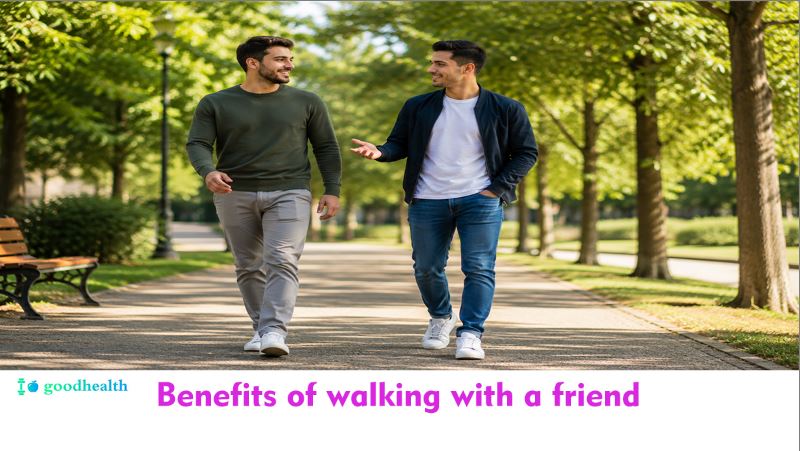
Lacing up your sneakers and heading out for a brisk walk is widely recognized as one of the most accessible and effective forms of cardiovascular exercise available. However, transforming this solitary activity into a shared experience unlocks a completely new dimension of health and wellness advantages. The benefits of walking with a friend extend far beyond simply burning calories or hitting a daily step goal. By combining physical exertion with social connection, individuals can dramatically improve their physical fitness, elevate their mental health, and cultivate stronger interpersonal relationships. This synergistic approach to exercise ensures that both the body and the mind receive a comprehensive workout, making it a highly sustainable and rewarding lifestyle habit.
The Physical Health Advantages of Shared Strolls
Engaging in regular physical activity is the cornerstone of a healthy lifestyle, and choosing to walk with a companion can significantly amplify these bodily benefits. When two people walk together, they naturally synchronize their pace, often resulting in a brisker, more sustained level of exertion than either might achieve alone. This increased intensity directly supports cardiovascular health by elevating the heart rate, improving blood circulation, and lowering resting blood pressure over time. Furthermore, the distraction of engaging conversation often means that walkers cover much greater distances without realizing it, naturally extending the duration of their cardiovascular workout.
Weight management is another area where the benefits of walking with a friend become highly apparent. Consistent, moderate-intensity exercise is crucial for maintaining a healthy metabolism and burning excess body fat. When exercise feels like a social outing rather than a grueling chore, individuals are far more likely to engage in it frequently. This consistency is the secret to long-term weight maintenance and physical transformation. Instead of dreading the treadmill, people look forward to their scheduled walks, ensuring that their caloric expenditure remains high throughout the week without the mental fatigue often associated with strict workout regimens.
Additionally, walking on varied terrain, such as neighborhood sidewalks, park trails, or hiking paths, engages different muscle groups throughout the lower body and core. Having a walking buddy often encourages individuals to explore new routes and tackle more challenging topographies, such as hills or uneven nature trails. This variety not only prevents boredom but also enhances muscular endurance, balance, and joint flexibility. The shared encouragement makes it easier to push through minor physical fatigue, leading to progressive overload and stronger, more resilient muscles over time.
Boosting Immune System Function Through Outdoor Activity
Stepping outside for a walk with a companion also plays a vital role in fortifying the body’s natural defense mechanisms. Exposure to natural sunlight helps the body synthesize Vitamin D, an essential nutrient that regulates immune responses and protects against various illnesses. When individuals combine this outdoor exposure with the stress-reducing effects of socializing, they create an optimal environment for their immune system to thrive. Lower stress levels mean reduced cortisol production, which in turn allows immune cells to function more efficiently and aggressively combat pathogens.
Mental Health and Emotional Well-being
In our fast-paced, modern world, chronic stress has become a pervasive issue that actively deteriorates both physical and mental health. Fortunately, the mental health benefits of walking with a friend are profound and immediate. Physical exercise naturally triggers the release of endorphins, the brain’s feel-good neurotransmitters, which act as natural painkillers and mood elevators. When this physiological response is paired with the emotional support of a trusted friend, the stress-relieving effects are exponentially magnified. Venting frustrations, sharing daily challenges, or simply laughing together helps to rapidly dissipate tension and anxiety.
This combination of movement and socialization is particularly effective in combating symptoms of depression and isolation. Humans are inherently social creatures, and prolonged periods of loneliness can significantly negatively impact emotional stability. A regular walking date provides a reliable source of social interaction, offering individuals a sense of belonging and validation. The rhythmic nature of walking side-by-side removes the pressure of direct eye contact, which often makes it easier for people to open up about sensitive or difficult topics, creating a therapeutic environment that fosters deep emotional healing and resilience.
Furthermore, spending time in green spaces or natural environments while walking with a buddy has been shown to reduce rumination—the continuous, repetitive thinking about negative emotions that is often a precursor to depressive episodes. The shared focus on the external environment, whether it is admiring the changing seasons, observing local wildlife, or simply navigating a busy city street, forces the brain to shift its attention away from internal anxieties. This mindfulness aspect of shared walking promotes a state of calm and mental clarity that persists long after the walk has concluded.
Accountability and Building Consistent Habits
One of the greatest challenges in any fitness journey is maintaining motivation over the long term. The initial excitement of a new workout routine often fades, leaving individuals vulnerable to excuses and procrastination. Herein lies one of the most practical benefits of walking with a friend: unwavering accountability. When you commit to meeting someone at a specific time and place for a walk, the exercise ceases to be a solitary intention and becomes a binding social contract. The natural human desire to honor commitments and avoid disappointing a friend provides a powerful external motivator on days when internal drive is lacking.
This system of mutual accountability is especially crucial during periods of inclement weather, fatigue, or high stress—the exact moments when people are most likely to abandon their fitness goals. Knowing that a companion is waiting at the park or the corner of the street is usually enough to overcome the inertia of a comfortable couch. Over time, this consistency rewires the brain, transforming the act of walking from a conscious, effortful decision into an automatic, ingrained habit. The shared commitment ensures that both individuals remain on track, regardless of minor setbacks or fluctuations in personal motivation.
Moreover, walking partners naturally evolve into a built-in support system for broader health and wellness goals. Friends often share strategies for better nutrition, exchange tips on hydration, and celebrate each other’s physical milestones. This collaborative approach to health creates a positive feedback loop, where the successes of one individual inspire and elevate the other. By tracking progress together, whether it is increasing the walking pace, conquering a steeper hill, or simply maintaining a consistent weekly schedule, the journey toward better health becomes a shared victory rather than a solitary struggle.
Strengthening Social Bonds and Relationships
In an era dominated by digital communication and constant screen time, finding opportunities for genuine, uninterrupted connection can be surprisingly difficult. Walking with a friend offers a rare sanctuary from the distractions of smartphones, emails, and social media notifications. This dedicated block of time allows for undivided attention, fostering a level of active listening and engagement that is often lost in text-based conversations or noisy social gatherings. The simple act of dedicating time exclusively to another person communicates value and respect, which naturally deepens the foundation of any friendship.
The environment of a walk also facilitates a unique style of conversation that is highly conducive to relationship building. Because both individuals are moving forward and looking ahead, the interaction feels less confrontational and more collaborative. This side-by-side dynamic removes the subtle pressure of formal face-to-face conversations, allowing discussions to flow more organically and transition seamlessly between lighthearted banter and profound, vulnerable topics. Friends often find themselves sharing secrets, exploring complex ideas, and resolving interpersonal conflicts much more easily while in motion.
Shared experiences are the building blocks of strong relationships, and a regular walking routine creates a wealth of shared memories. Whether it is discovering a hidden neighborhood cafe, getting caught in an unexpected rainstorm, or simply watching the sunrise together, these shared moments weave a rich tapestry of mutual history. Over months and years, the walking route becomes a physical timeline of the friendship, strengthening the emotional bond and ensuring that the relationship continues to grow and evolve alongside the individuals’ physical fitness.
Enhancing Creativity and Cognitive Function
The cognitive benefits of cardiovascular exercise are well-documented, but the specific dynamic of walking with a companion uniquely stimulates brain function and creative thinking. Physical movement increases blood flow to the brain, delivering vital oxygen and nutrients that enhance cognitive performance, memory retention, and mental sharpness. When this physiological boost is combined with the stimulating conversation of a walking partner, the brain is forced to process information rapidly, formulate responses, and draw connections between disparate ideas. This active engagement keeps the mind agile and drastically improves overall cognitive plasticity.
Collaborative problem-solving is another significant advantage of this shared activity. Many professionals and creatives utilize walking meetings because the combination of physical movement and open dialogue reliably breaks down mental blocks. When individuals explain a personal dilemma, a creative project, or a professional challenge to a friend while walking, the act of verbalizing the issue often leads to sudden insights. The friend, offering an external perspective free from the walker’s internal biases, can provide novel solutions and alternative viewpoints that might never have emerged in a stationary, isolated environment.
Furthermore, navigating the physical environment while maintaining a conversation requires a complex orchestration of spatial awareness, motor skills, and executive function. This multitasking exercises the brain in a holistic manner, building cognitive reserves that can help delay the onset of age-related cognitive decline. By habitually engaging in this dual-tasking activity, individuals not only reap the immediate rewards of increased focus and creativity but also invest in the long-term health and resilience of their neurological systems.
Maximizing the Value of Your Walking Routine
Embracing the benefits of walking with a friend is a highly effective strategy for cultivating a balanced, healthy, and fulfilling life. This simple yet profound activity bridges the gap between physical exertion and social fulfillment, addressing multiple pillars of human wellness simultaneously. By choosing to share the path, individuals secure the cardiovascular advantages of consistent exercise, establish a robust safety net for their mental and emotional health, and forge deeper, more meaningful connections with the people they care about. The strong accountability ensures that the habit remains steadfast, while the shared joy transforms fitness from an obligation into a highly anticipated event.
Ultimately, the decision to invite a companion on a daily or weekly walk represents an investment in holistic longevity. It acknowledges that true health is not merely the absence of disease, but the active pursuit of vitality, emotional stability, and strong community ties. As the miles accumulate and the conversations deepen, the shared journey becomes a powerful catalyst for personal growth and enduring wellness, proving that the most sustainable steps taken toward a healthier lifestyle are the ones taken together.
Does walking with a friend burn more calories than walking alone?
While the calorie burn is technically the same for the distance, you are much more likely to walk further and stick to your routine when you have someone keeping you company.
How do I handle a walking buddy who walks much faster or slower than me?
Focus on finding a comfortable middle ground where you both can still easily talk, or take turns setting the pace on different days of the week.
Is talking while walking bad for your workout?
Not at all; maintaining a conversation is actually a perfect way to measure your exertion level and ensure you are staying in an optimal fat-burning aerobic zone.
Can walking with someone actually help with anxiety or stress?
Combining outdoor physical exercise with real social connection boosts your mood-enhancing endorphins and reduces cortisol much faster than exercising alone.
How does having a walking partner improve workout consistency?
Knowing a friend is waiting for you at a specific time and place creates a strong sense of accountability that makes it incredibly hard to skip your daily walk.
Please note
The content provided in this article is for educational and informational purposes only and should not be construed as medical, nutritional, or therapeutic advice. The recommendations provided may not be appropriate for everyone. The final decision regarding your health and lifestyle is yours, and we recommend that you consult with your doctor or other health professional before making any changes or taking any action.
Shop new arrivals
-

Emotional Advantage
€0.00 -

Healthy Life Blueprint
€0.00 -

How to break negative habits
€0.00 -
How to have continuity
Original price was: €4.90.€0.00Current price is: €0.00. -
Living with Purpose
Original price was: €8.90.€0.00Current price is: €0.00.