
natural dopamine boosters

Dopamine is one of the most important chemical messengers in the human brain. It plays a central role in motivation, pleasure, learning, concentration, memory, movement, and the way we respond to rewarding experiences. When dopamine signaling functions properly, it helps us stay motivated, pursue meaningful goals, learn new skills, and find satisfaction in everyday activities. However, modern lifestyles, insufficient sleep, chronic stress, unhealthy habits, and certain medical conditions can influence the brain systems involved in dopamine regulation.
Understanding natural dopamine boosters can help you develop healthier habits that support brain function, mental performance, and emotional well-being. Fortunately, you do not need expensive supplements or complicated treatments to support your brain’s natural dopamine systems. Regular exercise, quality sleep, balanced nutrition, sunlight exposure, meaningful activities, and healthy social relationships can all contribute to neurological health. The goal is not to constantly increase dopamine levels but to support the natural processes that help your brain regulate motivation, reward, and pleasure.
What Is Dopamine and Why Is It Important?
Dopamine is a neurotransmitter, a chemical messenger that allows nerve cells to communicate with one another. It is produced in specialized neurons in several areas of the brain and participates in different neurological pathways. These pathways influence important functions such as movement, motivation, attention, learning, memory, and reward processing.
Dopamine is frequently described as the brain’s pleasure chemical, but this explanation is incomplete. It is particularly important for motivation and reward-related learning. For example, when you accomplish a difficult goal, learn something interesting, or discover an enjoyable activity, dopamine-related signals help the brain process the experience and learn from it.
Dopamine also influences the willingness to invest effort in achieving a reward. This means that it is involved not only in experiencing rewarding situations but also in anticipating them and taking action to reach them.
Healthy dopamine signaling is important for everyday functioning. Rather than trying to achieve extremely high dopamine levels, it is more useful to maintain habits that support normal brain function and a balanced reward system.
Exercise as a Natural Dopamine Booster
Physical activity is one of the most valuable natural dopamine boosters because it influences several neurotransmitter systems involved in mood, motivation, and cognitive performance. Exercise has been studied for its potential effects on dopamine signaling, including the neural pathways involved in reward processing and movement.
A 2024 review published in Trends in Molecular Medicine examined the relationship between physical activity, the human dopaminergic system, and cognitive performance. The researchers discussed evidence suggesting that exercise-related changes in dopamine function may contribute to improvements in certain cognitive processes. Although more research is needed to understand the exact mechanisms, regular physical activity is an important component of a brain-healthy lifestyle.
Exercise also provides psychological benefits that may reinforce motivation. Completing a workout, improving physical strength, increasing endurance, and achieving fitness goals can create a sense of accomplishment.
Aerobic Exercise
Aerobic activities such as walking, running, cycling, swimming, and dancing are excellent ways to support overall brain and cardiovascular health.
Research published in The Journal of Physiology in 2024 investigated the possible involvement of dopamine release in the cognitive benefits of acute cardiovascular exercise. A small human study using brain imaging found evidence of endogenous dopamine release following exercise, which was associated with improvements in reaction time. These findings are promising, although further research is necessary. (PubMed)
For everyday health, aim to build a consistent physical activity routine. The World Health Organization recommends adults perform 150–300 minutes of moderate-intensity aerobic activity per week, or an equivalent amount of vigorous activity.
Strength Training
Resistance exercise is another useful activity for supporting overall brain and physical health. Weightlifting, bodyweight exercises, resistance-band workouts, and gym training require concentration, coordination, and consistent effort.
Strength training can also improve physical confidence and provide measurable achievements. Increasing the weight you lift, improving your technique, or completing a challenging workout can create a rewarding sense of progress.
Combining aerobic exercise with strength training provides a more balanced approach to physical fitness and long-term well-being.
Get Enough Quality Sleep to Support Dopamine Regulation
Sleep is essential for normal brain function, emotional regulation, memory, and concentration. It also plays an important role in the neurological systems involved in motivation and reward processing.
Insufficient sleep can affect dopamine receptors and brain activity. Research published in The Journal of Neuroscience found that one night of sleep deprivation was associated with changes in dopamine D2/D3 receptor availability in the human brain, alongside increased tiredness and reduced alertness. This demonstrates that sleep deprivation can influence dopamine-related processes without necessarily improving cognitive performance. (PubMed)
Developing a consistent sleep schedule is therefore one of the most practical ways to support healthy brain function. Most adults need at least seven hours of sleep each night, although individual sleep requirements can vary.
Create a Healthy Nighttime Routine
Go to bed and wake up at approximately the same time every day. Avoid excessive caffeine late in the afternoon, reduce stimulating screen activities before bedtime, and create a comfortable sleeping environment.
Reading, gentle stretching, breathing exercises, or taking a warm shower can help you transition into a more relaxing evening routine.
Good sleep does not simply make you feel rested. It supports the biological processes needed for concentration, motivation, emotional stability, and learning.
Eat Foods That Support Natural Dopamine Production
Nutrition provides the building blocks needed for neurotransmitter production. Dopamine is synthesized through a biochemical process that begins with the amino acid tyrosine, which is obtained from dietary protein or produced from another amino acid called phenylalanine.
The brain uses tyrosine to produce L-DOPA, which is then converted into dopamine. This makes adequate protein intake important for providing the amino acids needed for normal dopamine synthesis.
However, eating more tyrosine does not automatically increase dopamine levels beyond the brain’s normal regulatory mechanisms. A balanced diet is generally sufficient for healthy individuals, and the evidence that specific foods directly increase brain dopamine is limited. (Cleveland Clinic)
Tyrosine-Rich Foods
Several common foods provide tyrosine and protein, making them useful additions to a healthy diet.
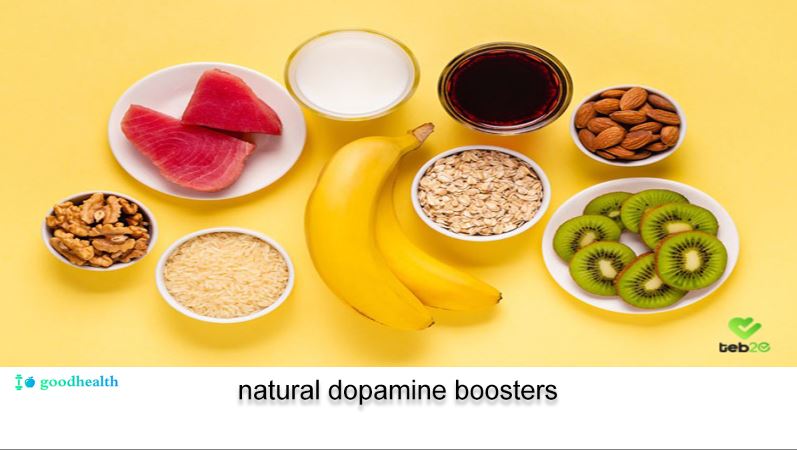
Eggs, chicken, turkey, fish, milk, Greek yogurt, cheese, soy products, beans, lentils, almonds, peanuts, pumpkin seeds, and sesame seeds are examples of foods containing tyrosine or its dietary precursor.
Including different protein sources in your meals helps provide amino acids that support normal cellular and neurological functions.
Foods Containing Vitamins and Minerals
Certain vitamins and minerals participate in processes involved in neurotransmitter synthesis and nervous-system function. Vitamin B6, iron, folate, and other essential nutrients contribute to normal neurological and metabolic processes.
Foods such as leafy green vegetables, legumes, whole grains, eggs, fish, meat, nuts, and seeds can help provide these nutrients.
The most effective nutritional strategy is to focus on dietary variety rather than searching for one special dopamine-boosting food.
Eat Omega-3-Rich Foods for Brain Health
Omega-3 fatty acids are important components of cell membranes and play important roles in normal brain function. DHA, in particular, is a major structural fatty acid found in the brain.
Fatty fish such as salmon, sardines, mackerel, and trout are useful sources of omega-3 fatty acids. Plant-based sources include walnuts, flaxseeds, and chia seeds, which provide alpha-linolenic acid.
Omega-3 fatty acids have been investigated for their relationship with neurological health, mood, and neurotransmitter systems. However, they should not be presented as a guaranteed way to increase dopamine or treat conditions associated with altered dopamine signaling.
Including omega-3-rich foods in a balanced diet can support overall nutritional health and provide beneficial fats that the brain needs.
Get Natural Sunlight and Spend Time Outdoors
Exposure to natural daylight is important for regulating the body’s circadian rhythm, the internal biological clock that influences sleep, wakefulness, and daily alertness.
Spending time outdoors in the morning can help synchronize your sleep-wake schedule and make it easier to maintain a healthy daily routine. Natural light exposure can also encourage physical activity and provide opportunities to relax away from screens and other distractions.
The relationship between sunlight and dopamine is more complicated than many wellness articles suggest. Research has investigated seasonal and light-related changes in brain chemistry, but ordinary sunlight exposure should not be described as a guaranteed method for increasing dopamine levels.
A practical approach is to spend time outdoors regularly, especially during daylight hours. A morning walk combines natural light, physical activity, and a change of environment, making it a valuable habit for overall well-being.
Listen to Music to Support Mood and Motivation
Music is another interesting natural dopamine booster because enjoyable musical experiences can activate brain systems involved in reward and pleasure.
Research published in Nature Neuroscience has demonstrated that pleasurable music can involve dopamine release in reward-related brain regions. This helps explain why certain songs can produce excitement, anticipation, emotional responses, and feelings of satisfaction.
Music can also influence motivation during physical activity. Many people find that listening to energetic songs makes exercise more enjoyable and helps them remain engaged in repetitive workouts.
Create playlists that match your activities. Relaxing music can be useful during quiet evenings, while more energetic music may help make walking, running, or strength training more enjoyable.
Practice Meditation and Mindfulness
Meditation and mindfulness are useful techniques for managing stress and improving awareness of thoughts and emotions. They do not need to be complicated, and even short daily sessions can become part of a healthy routine.
Chronic stress can affect several neurotransmitter systems, including those involved in motivation and reward processing. Meditation may help reduce perceived stress and support emotional regulation, although evidence that it directly and reliably increases dopamine levels in healthy people remains limited.
Begin with five to ten minutes of mindful breathing. Sit comfortably, pay attention to your breathing, and gently return your attention whenever your mind becomes distracted.
Regular mindfulness practice can also make it easier to recognize unhelpful habits, manage emotional reactions, and make more intentional decisions.
Set Meaningful Goals and Celebrate Small Achievements
Dopamine is closely involved in reward learning and goal-directed behavior. The brain uses information about previous experiences and expected outcomes to influence motivation and the amount of effort you are willing to invest.
Working toward meaningful goals can therefore provide rewarding experiences that reinforce positive habits. Examples include learning a new language, improving your fitness, completing a professional project, developing a creative skill, or reading regularly.
Instead of focusing exclusively on large achievements, divide your objectives into smaller steps. Completing manageable tasks makes progress easier to recognize and reduces the feeling of being overwhelmed.
For example, if your goal is to become physically stronger, begin with a realistic exercise schedule. Track your progress, recognize improvements, and gradually increase the difficulty of your workouts. This creates a sustainable cycle of learning, effort, and achievement.
Develop Healthy Social Relationships
Social interaction plays an important role in emotional well-being and reward processing. Spending time with friends, family members, and supportive communities can provide experiences of connection, enjoyment, and belonging.
Meaningful conversations, shared activities, laughter, and emotional support can all contribute to a positive social environment. These experiences involve multiple brain systems, including those associated with motivation and reward.
You do not need a large social network to experience the benefits of human connection. Developing a few supportive relationships and making time for meaningful interactions can be valuable.
Consider reducing unnecessary isolation by participating in group exercise, joining a club, attending educational activities, or spending quality time with people who share your interests.
Spend Time Doing Activities You Enjoy
Enjoyable activities provide opportunities for positive experiences and can help balance the demands of everyday responsibilities.
Reading, cooking, painting, gardening, photography, playing an instrument, walking in nature, and developing creative projects can all make daily life more rewarding.
These activities also provide mental stimulation. Learning something new or improving an existing ability can strengthen confidence and create a sense of personal development.
The goal is not to fill every moment with entertainment. It is to include meaningful and enjoyable experiences that help make your lifestyle more balanced and satisfying.
Limit Excessive Digital Stimulation
Modern technology provides constant access to notifications, short videos, online games, social media, and other rewarding experiences.
Dopamine participates in learning the associations between environmental cues and rewarding outcomes. For example, when a notification repeatedly leads to interesting content, you may develop a habit of checking your phone whenever you hear a notification sound.
Excessive digital stimulation can interrupt concentration, reduce time available for important activities, and interfere with sleep.
You can improve your relationship with technology by turning off unnecessary notifications, setting limits on recreational screen time, keeping your phone away during focused work, and establishing screen-free periods.
This approach does not eliminate dopamine from the brain or reset dopamine receptors. Its purpose is to manage unhelpful behaviors and create more room for activities that provide meaningful satisfaction.
Understand the Truth About Dopamine Detox
The term dopamine detox has become popular as a way to describe avoiding social media, gaming, sugary foods, and other highly stimulating activities.
However, you cannot literally remove dopamine from your brain through a detox. Dopamine is essential for normal movement, motivation, learning, sleep, and other important physiological functions.
The Cleveland Clinic explains that the popular dopamine detox concept is scientifically inaccurate when interpreted as a way to reduce or reset dopamine levels.
Nevertheless, reducing excessive exposure to activities that interfere with your daily responsibilities can be helpful. For example, taking a break from compulsive social media checking may improve your ability to concentrate and manage your time.
Think of it as changing habits and managing attention rather than detoxifying a neurotransmitter. Avoid extreme restrictions that remove healthy sources of enjoyment, exercise, relationships, and relaxation.
Avoid Habits That Can Negatively Affect Dopamine Systems
Certain substances and behaviors can influence dopamine-related reward pathways in ways that may become harmful over time.
Recreational drugs, nicotine, and excessive alcohol consumption can alter brain signaling and reinforce repeated substance-seeking behavior. Repeated exposure to addictive substances may produce changes in how the brain responds to rewards and environmental cues.
Excessive alcohol consumption can also interfere with sleep, mood regulation, and overall neurological health. Avoiding nicotine and recreational drugs is an important part of maintaining a healthier lifestyle.
It is equally important to avoid excessive sleep deprivation, prolonged inactivity, and chronic stress. These habits can negatively affect motivation, cognitive performance, and emotional well-being.
Replacing harmful routines with exercise, learning, social connection, and meaningful activities is a more useful long-term approach than simply trying to eliminate pleasure from your life.
Be Careful With Dopamine-Boosting Supplements
Many supplements are marketed as natural dopamine boosters. Products containing L-tyrosine, L-DOPA, herbal extracts, and combinations of vitamins and minerals are often promoted as ways to increase motivation, concentration, or happiness.
However, the scientific evidence is limited for using most of these supplements to increase dopamine or improve brain function in otherwise healthy people.
L-tyrosine is a precursor involved in dopamine production, but consuming additional amounts does not guarantee greater dopamine availability in the brain. The European Food Safety Authority recognizes tyrosine’s contribution to normal dopamine synthesis in the context of an adequate protein diet, rather than establishing a need for additional supplementation in the general population.
Certain products, particularly supplements containing Mucuna pruriens, may contain levodopa, a direct dopamine precursor that can interact with medications and produce significant side effects. These products should not be treated like ordinary nutritional supplements.
A nutritious diet is generally a safer starting point. Before using supplements marketed for dopamine support, consult a healthcare professional, particularly if you take prescription medication or have an existing neurological or psychiatric condition.
A Daily Routine for Supporting Natural Dopamine Function
The most practical way to incorporate natural dopamine boosters into your lifestyle is to combine several healthy activities into a realistic daily routine.
Begin your morning with a consistent wake-up time, natural daylight, and a nutritious breakfast containing protein. Spend some time walking or exercising to support physical health and create an opportunity for mental stimulation.
During the day, prioritize meaningful work, learning, and activities that help you make measurable progress. Eat balanced meals containing vegetables, fruits, protein, whole grains, and healthy fats. Avoid constantly checking your phone and give yourself periods of uninterrupted concentration.
In the evening, spend time with friends or family, enjoy a hobby, listen to music, or practice mindfulness. Reduce excessive screen stimulation before bedtime and allow enough time for quality sleep.
You do not need to follow a perfect schedule. The objective is to develop consistent habits that support overall brain health while making your daily life more enjoyable and productive.
When Should You Seek Medical Advice?
Persistent low motivation, reduced enjoyment, fatigue, concentration difficulties, and changes in mood are sometimes attributed to low dopamine levels. However, these symptoms have many possible causes, and there is no straightforward clinical diagnosis of a general dopamine deficiency.
Conditions such as depression, sleep disorders, nutritional deficiencies, thyroid problems, and other medical issues can influence energy, motivation, and cognitive function.
Neurological conditions such as Parkinson’s disease involve specific changes in dopamine-producing neurons and require appropriate medical assessment and treatment.
If you experience persistent changes in mood, motivation, sleep, concentration, or movement, consult a healthcare professional rather than attempting to diagnose yourself or taking dopamine-related supplements without guidance.
Medical treatment may be necessary when an underlying health condition affects dopamine signaling. Lifestyle changes can support general well-being, but they should not replace evidence-based treatment.
Conclusion
Natural dopamine boosters include healthy lifestyle habits such as regular physical exercise, quality sleep, balanced nutrition, natural daylight exposure, meditation, meaningful activities, and positive social relationships. These habits can support the brain systems involved in motivation, reward learning, attention, and emotional well-being.
Nutrition provides the amino acids and essential nutrients needed for normal dopamine production, while regular physical activity and adequate rest help maintain broader neurological health. Learning new skills, achieving realistic goals, listening to music, and spending time with supportive people can also make everyday life more rewarding.
However, increasing dopamine levels as much as possible is not the objective. Dopamine is a carefully regulated neurotransmitter, and extreme attempts to manipulate it through supplements, stimulants, or restrictive dopamine detox programs can be misleading or harmful.
The most effective strategy is to develop a balanced lifestyle that supports normal dopamine function naturally. By combining exercise, sleep, nutritious food, meaningful goals, healthy relationships, and better control over digital distractions, you can create a stronger foundation for motivation, concentration, brain health, and long-term emotional well-being.
What are the best natural ways to increase dopamine levels?
Regular exercise, quality sleep, sunlight exposure, listening to music, meditation, social interaction, and achieving meaningful goals can support healthy dopamine activity naturally.
Which foods naturally boost dopamine production?
Foods containing protein and tyrosine, such as eggs, fish, chicken, dairy products, soybeans, nuts, and seeds, provide building blocks that the body uses to produce dopamine.
Does exercise increase dopamine levels naturally?
Yes, physical activities such as running, cycling, strength training, and brisk walking can influence dopamine signaling and support motivation, mood, and brain health.
How can I increase dopamine naturally without supplements?
You can support dopamine function without supplements by maintaining a consistent sleep schedule, exercising regularly, eating a balanced diet, getting morning sunlight, and pursuing enjoyable activities.
What daily habits can help maintain healthy dopamine levels?
Healthy dopamine-supporting habits include getting 7–9 hours of sleep, exercising, eating protein-rich foods, setting achievable goals, practicing mindfulness, and maintaining meaningful social connections.
please note
The content provided in this article is for educational and informational purposes only and should not be construed as medical, nutritional, psychological, or therapeutic advice. The advice provided may not be appropriate for everyone. The final decision regarding your health and lifestyle is yours, and we recommend that you consult with your doctor, counselor, or other health professional before making any changes or taking any action.
Support Our Blog
Do you enjoy reading our articles and finding valuable information on our website?
Your voluntary contribution helps us continue creating informative, educational, and useful content.
Every contribution, regardless of its size, helps support our research, website maintenance, and future articles.
You can support our work using Bitcoin, Ethereum, USDC, and other supported cryptocurrencies.
Thank you for being part of our community!
Your support makes a difference.
Help us create more valuable articles and educational resources.
$ 5 = Support an article $10 = Support our research $50 = Help our development $100 = Big help for development