
Benefits of Potatoes

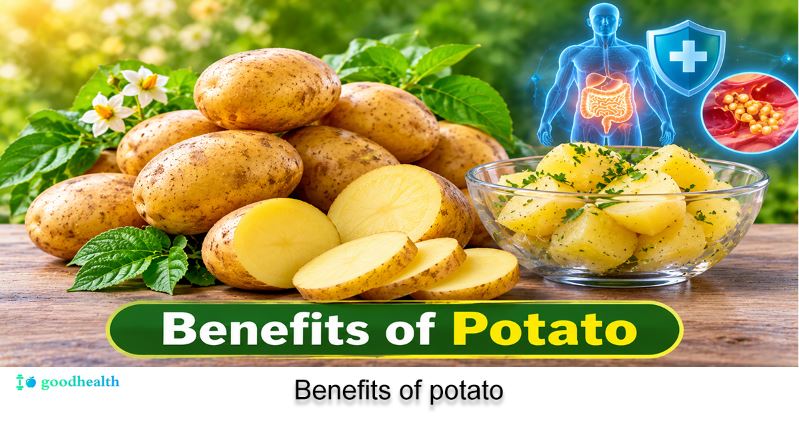
Potatoes are one of the most versatile and widely consumed foods in the world. They are affordable, easy to prepare, naturally filling, and can be used in countless meals. Although potatoes are sometimes viewed negatively because of the way they are prepared, whole potatoes can provide important nutrients when included as part of a balanced diet.
The Benefits of Potatoes include their contribution of carbohydrates, potassium, vitamin C, vitamin B6, fiber, and other nutrients. Their nutritional value can vary depending on the type of potato, cooking method, portion size, and ingredients added during preparation. Understanding The Benefits of Potatoes can help you make healthier choices about how to include this popular food in your daily diet.
Potatoes Provide Important Nutrients
Potatoes provide several nutrients that are important for normal body function. A medium potato can provide carbohydrates for energy as well as potassium, vitamin C, and vitamin B6. Potatoes also contain smaller amounts of other vitamins and minerals.
The nutritional profile of a potato can change depending on whether you eat it with the skin. Potato skin contains additional fiber and other nutrients, so thoroughly washed potatoes can often be prepared with the skin when appropriate.
Rather than judging potatoes only by their carbohydrate content, it is useful to consider their overall nutritional profile and how they fit into your complete diet.
Potatoes Are a Good Source of Carbohydrates
Carbohydrates are one of the body’s main sources of energy. Potatoes contain starch, a complex carbohydrate that can provide energy for everyday activities and exercise.
For active people, potatoes can be a convenient way to add carbohydrates to meals. Pairing potatoes with protein, vegetables, and healthy fats can create a more balanced meal.
The way potatoes are cooked and what they are served with can have a major effect on the nutritional quality of the final dish.
May Support Healthy Digestion
Whole potatoes can provide dietary fiber, particularly when the skin is consumed. Fiber plays an important role in normal digestive function and can help support regular bowel movements.
Potatoes also contain resistant starch, a type of carbohydrate that can have beneficial effects on the gut under certain conditions. The amount of resistant starch can increase when cooked potatoes are cooled, although the overall effect depends on the food and the rest of the diet.
Including potatoes alongside vegetables, legumes, whole grains, fruits, and other fiber-rich foods can contribute to a varied diet that supports digestive health.
Rich in Potassium
Potassium is an essential mineral involved in fluid balance, nerve function, and normal muscle contraction. Potatoes are a useful dietary source of potassium.
Getting enough potassium through a varied diet can contribute to normal cardiovascular and muscle function. Potatoes can therefore be part of a balanced eating pattern that includes other potassium-rich foods such as fruits, vegetables, beans, and dairy products.
People with kidney disease or other conditions that require potassium restrictions should follow individualized medical advice.
Potatoes Contain Vitamin C
Potatoes provide vitamin C, an essential nutrient that supports normal immune function and contributes to collagen production and antioxidant protection.
Vitamin C is sensitive to heat and water, so cooking methods can influence how much remains in the food. Gentle preparation methods may help preserve more nutrients than prolonged cooking in large amounts of water.
Eating potatoes alongside other fruits and vegetables can further increase your overall intake of vitamin C and other beneficial nutrients.
Support Normal Muscle Function
The potassium found in potatoes contributes to normal muscle and nerve function. Carbohydrates from potatoes can also provide energy for physical activity.
For people who exercise regularly, potatoes can be incorporated into meals before or after training alongside suitable sources of protein and other nutrients.
A potato by itself is not a complete sports nutrition strategy, but it can be a useful component of a balanced diet for active individuals.
May Help You Feel Full
Potatoes can be highly satisfying, particularly when eaten whole rather than heavily processed. Their combination of carbohydrates, water, and fiber can contribute to feelings of fullness.
Feeling satisfied after a meal may make it easier to maintain an appropriate eating pattern and avoid unnecessary snacking.
However, preparation matters. Deep-fried potatoes and potato dishes loaded with high-calorie sauces, butter, or processed meats can be significantly more calorie-dense than boiled, steamed, or baked potatoes.
Can Be Part of a Healthy Weight-Management Diet
Potatoes do not inherently cause weight gain. Weight management depends on overall calorie intake, food quality, activity, and long-term lifestyle patterns.
Boiled, steamed, baked, or roasted potatoes with moderate amounts of added fat can be included in a balanced weight-management diet.
Portion size and preparation method are important. A baked potato served with vegetables and lean protein is nutritionally different from a large serving of deep-fried French fries with high-calorie sauces.
Potatoes Are Naturally Gluten-Free
Potatoes are naturally gluten-free, making them a useful carbohydrate option for people who need to avoid gluten.
However, foods made from potatoes can contain gluten depending on how they are processed or prepared. Cross-contact can also occur in restaurants or food-processing environments.
People following a medically necessary gluten-free diet should check ingredients and preparation practices when eating processed potato products.
Potatoes Can Be an Affordable Food Choice
Another practical benefit of potatoes is their affordability. They can provide several important nutrients without requiring expensive ingredients.
Potatoes can be combined with vegetables, beans, eggs, fish, poultry, or other protein sources to create nutritious meals at relatively low cost.
This versatility makes potatoes useful for people who want to eat a balanced diet while managing a food budget.
Different Types of Potatoes Offer Variety
There are many varieties of potatoes, including russet, red, yellow, white, purple, and fingerling potatoes. Each variety has differences in texture, flavor, starch content, and appearance.
Purple and other colorful potatoes can contain naturally occurring pigments such as anthocyanins, which have antioxidant properties.
Trying different varieties can make meals more interesting while providing a range of naturally occurring plant compounds.
Healthy Ways to Prepare Potatoes
Preparation has a major influence on the nutritional quality of potatoes. Baking, boiling, steaming, and roasting with a moderate amount of oil are generally simple ways to prepare them.
Boiled potatoes can be combined with herbs and vegetables for a simple side dish. Baked potatoes can be topped with beans, vegetables, yogurt, or another nutritious protein-rich ingredient.
Mashed potatoes can also be prepared with moderate amounts of healthier ingredients rather than excessive butter, cream, or salt.
Be Careful With Highly Processed Potato Products
The nutritional benefits of whole potatoes should not automatically be applied to every potato-based food. French fries, chips, and heavily processed potato products can contain substantial amounts of added salt and fat.
Eating these foods occasionally can fit into many diets, but regularly replacing whole potatoes with heavily processed versions may reduce the overall nutritional quality of your diet.
When possible, choose minimally processed potatoes and prepare them using methods that do not add excessive amounts of calories, sodium, or saturated fat.
Potatoes and Blood Sugar
Potatoes contain starch and can raise blood glucose levels, with the effect influenced by the variety, cooking method, portion size, and what else is eaten with the meal.
People managing diabetes or blood glucose levels may benefit from pairing potatoes with vegetables, protein, and fiber-rich foods and paying attention to portion sizes.
Individual responses can vary, so people with specific medical or dietary needs should follow personalized guidance from a qualified healthcare professional.
Potatoes Can Be Part of a Balanced Diet
Healthy eating does not require eliminating individual foods unnecessarily. Potatoes can fit into a balanced diet when combined with a variety of vegetables, fruits, whole grains, legumes, protein sources, and healthy fats.
The key is to consider the overall meal rather than focusing on one ingredient in isolation.
A nutritious potato meal might include a moderate serving of baked potatoes, vegetables, beans or lean protein, and a healthy fat source. This provides a broader range of nutrients than eating potatoes alone.
Conclusion
The Benefits of Potatoes include providing carbohydrates for energy as well as nutrients such as potassium, vitamin C, vitamin B6, and dietary fiber. Potatoes can also be satisfying, affordable, versatile, and naturally gluten-free.
The health value of potatoes depends significantly on how they are prepared. Whole potatoes that are boiled, baked, steamed, or moderately roasted can be part of a nutritious eating pattern, while heavily fried and highly processed potato products may contain considerably more calories, sodium, and fat.
Ultimately, The Benefits of Potatoes are best enjoyed as part of a varied and balanced diet. By choosing sensible portions, using healthier cooking methods, and pairing potatoes with vegetables and protein-rich foods, you can enjoy this versatile food while supporting a nutritious lifestyle.
Are potatoes healthy to eat?
Yes. Whole potatoes can be a nutritious food and provide carbohydrates, potassium, vitamin C, vitamin B6, and fiber. Their overall health value depends on portion size, preparation method, and the rest of your diet.
What are the main benefits of potatoes?
The main benefits include providing energy-producing carbohydrates, potassium, vitamin C, vitamin B6, and fiber. Potatoes can also be filling, affordable, versatile, and naturally gluten-free.
Are potatoes good for weight loss?
Potatoes can be included in a weight-management diet because whole potatoes can be filling and provide useful nutrients. However, portion size and preparation matter, and overall calorie intake is important.
Is it healthier to eat potatoes with the skin?
When properly washed and prepared, eating potatoes with the skin can provide additional fiber and nutrients. However, whether to eat the skin can depend on the potato, preparation, and individual preference.
What is the healthiest way to cook potatoes?
Baking, boiling, steaming, and moderate roasting are generally practical preparation methods. Limiting excessive amounts of added salt, butter, cream, and oil can help keep potato dishes more nutritious.
please note
The content provided in this article is for educational and informational purposes only and should not be construed as medical, nutritional, psychological, or therapeutic advice. The advice provided may not be appropriate for everyone. The final decision regarding your health and lifestyle is yours, and we recommend that you consult with your doctor, counselor, or other health professional before making any changes or taking any action.
Support Our Blog
Do you enjoy reading our articles and finding valuable information on our website?
Your voluntary contribution helps us continue creating informative, educational, and useful content.
Every contribution, regardless of its size, helps support our research, website maintenance, and future articles.
You can support our work using Bitcoin, Ethereum, USDC, and other supported cryptocurrencies.
Thank you for being part of our community!
Your support makes a difference.
Help us create more valuable articles and educational resources.Help us create more valuable articles and educational resources.