list of superfoods

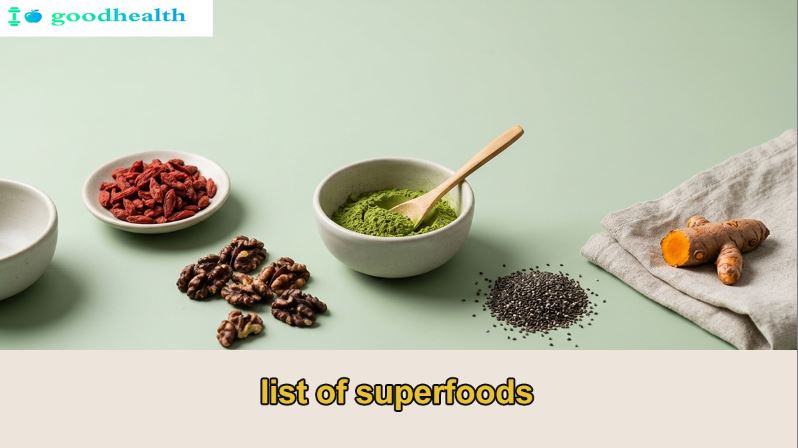
Providing a definitive list of superfoods requires shifting our perspective from marketing buzzwords to dense nutritional reality. The term “superfood” isn’t a strict scientific classification, but rather a functional description for whole foods that pack an exceptionally high concentration of vitamins, minerals, antioxidants, and healthy fats into relatively few calories. In an era dominated by heavily processed convenience foods, intentionally integrating these nutrient powerhouses into your daily diet is one of the most effective strategies for optimizing cellular health, reducing systemic inflammation, and sustained energy production. True dietary optimization relies on understanding the specific biochemical advantages each food group offers, allowing you to build a practical, science-backed approach to long-term wellness.
Micronutrient Powerhouses and Dark Leafy Greens
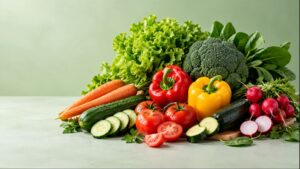
Dark, leafy greens represent the foundation of a nutrient-dense diet. These vegetables are exceptionally rich in fat-soluble vitamins, essential minerals, and bioactive plant compounds that support everything from cardiovascular health to cellular repair. Unlike many modern cultivated crops that have been bred primarily for sweetness or shelf-life, greens like kale, Swiss chard, and spinach retain an intense concentration of chlorophyll and trace minerals that are often lacking in the standard modern diet.
Kale remains a prominent fixture in nutritional discussions for good reason. A single cup of raw kale provides well over the daily recommended intake of vitamins A, K, and C. It is also an excellent source of lutein and zeaxanthin, two powerful carotenoid antioxidants that accumulate in the retina to protect eyes from oxidative damage and blue light exposure. Furthermore, kale contains glucosinolates, which break down into biologically active compounds like isothiocyanates during digestion, supporting the liver’s natural detoxification pathways.
Spinach offers a slightly milder flavor profile while delivering a massive dose of non-heme iron, magnesium, and folate. Folate is crucial for DNA synthesis and cellular division, making it a foundational nutrient for systemic cellular health. Spinach is also rich in dietary nitrates, which the body converts into nitric oxide. Nitric oxide acts as a potent vasodilator, relaxing the inner muscles of your blood vessels, which improves overall circulation and helps maintain healthy blood pressure levels.
Collard greens and Swiss chard round out this category by providing exceptional amounts of bioavailable calcium and vitamin K1. Vitamin K1 is a critical cofactor for blood coagulation and works in tandem with vitamin D to regulate calcium deposition in the body, ensuring that calcium is directed to the skeletal matrix rather than accumulating in arterial walls. Incorporating a variety of these greens, whether lightly steamed, sautéed in healthy fats, or blended into smoothies, ensures a steady influx of these foundational micronutrients.
The Role of Berries and High Antioxidant Fruits
Antioxidants are the body’s primary defense against oxidative stress, a state characterized by an imbalance between free radicals and the body’s ability to counteract their harmful effects. Fruits with deep, intense pigmentations—particularly berries—are among the most concentrated sources of these protective compounds. Their structural pigments, known as anthocyanins, do more than just provide vibrant colors; they act as systemic anti-inflammatory agents within the human body.
Wild blueberries are frequently cited at the top of antioxidant charts due to their high oxygen radical absorbance capacity. Regular consumption of blueberries has been linked to improved cognitive function and memory retention, largely because their polyphenols can cross the blood-brain barrier to reduce inflammation in neural pathways. These fruits also assist in metabolic health by improving insulin sensitivity, allowing cells to utilize glucose more efficiently after meals.
Blackberries and raspberries contribute substantial amounts of both ellagic acid and dietary fiber. A single cup of raspberries contains roughly eight grams of fiber, which slows down the absorption of fructose and prevents rapid spikes in blood glucose levels. The combination of soluble and insoluble fiber in these berries feeds beneficial gut microbes, which in turn produce short-chain fatty acids like butyrate that strengthen the intestinal lining and modulate the immune system.
Cranberries and pomegranates offer specialized protection for the cardiovascular and urinary systems. Pomegranates are rich in punicalagins, exceptionally potent antioxidants found in the juice and peel that have been shown to protect low-density lipoprotein cholesterol from oxidizing. Oxidized LDL is a primary driver of plaque accumulation in the arteries, making pomegranate consumption a valuable strategy for maintaining arterial elasticity and overall heart health.
Healthy Fats and Essential Omega 3 Fatty Acids
The human brain is composed of roughly 60% fat, and the structural integrity of every single cell membrane in the body relies on a steady supply of high-quality lipids. Transitioning away from industrially processed seed oils toward whole-food sources of monounsaturated and polyunsaturated fats is vital for hormone synthesis, nutrient absorption, and cognitive clarity. Certain foods excel at delivering these essential fatty acids alongside protective fat-soluble antioxidants.
Avocados stand out as a unique fruit dominated by oleic acid, the same monounsaturated fatty acid found in olive oil. Oleic acid is highly stable against oxidation and helps maintain healthy lipid panels by supporting high-density lipoprotein cholesterol while managing low-density lipoprotein levels. Beyond healthy fats, avocados act as a nutrient booster; adding them to salads or vegetable dishes drastically increases the absorption of fat-soluble vitamins like A, D, E, and K found in the surrounding greens.
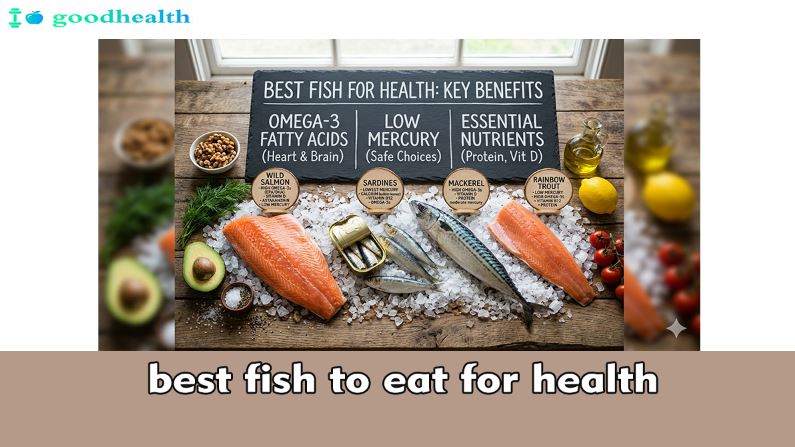
Wild-caught fatty fish, such as salmon, mackerel, sardines, and anchovies, provide direct sources of long-chain omega-3 fatty acids: eicosapentaenoic acid (EPA) and docosahexaenoic acid (DHA). Unlike plant-based omega-3s, which require a highly inefficient conversion process in the human body, marine-derived EPA and DHA are readily usable by your cells. These fatty acids reduce the production of molecules and substances linked to inflammation, such as inflammatory eicosanoids and cytokines, providing profound protection for the heart, joints, and brain.
Extra virgin olive oil serves as another cornerstone of lipid-based nutrition. Cold-pressed, high-quality olive oil contains oleocanthal, a phenolic compound that exhibits natural anti-inflammatory properties similar to low-dose ibuprofen. The combination of monounsaturated fats and polyphenols in olive oil helps shield vascular endothelial cells from oxidative stress, preserving cardiovascular function and supporting longevity.
Seeds, Nuts, and Plant Based Proteins
For those seeking to optimize their diet using plant-derived resources, specific nuts and seeds offer an impressive density of trace minerals, plant proteins, and alpha-linolenic acid (ALA), a precursor to long-chain omega-3s. These foods are highly shelf-stable and can easily elevate the nutritional profile of standard meals when used as toppings, bases, or standalone snacks.
Chia seeds and flaxseeds are remarkable for their exceptional fiber-to-calorie ratio and their high concentration of lignans. Lignans are polyphenols that act as mild phytoestrogens, helping to balance hormone pathways naturally. When exposed to liquid, chia seeds form a mucilaginous gel due to their high soluble fiber content, which slows down digestion, promotes prolonged satiety, and helps stabilize blood sugar curves over several hours. It is important to grind flaxseeds prior to consumption, as their tough outer hulls resist human digestive enzymes, preventing access to the nutrients inside.
Hemp seeds, often sold as hemp hearts, are one of the few plant sources that qualify as a complete protein, meaning they contain all nine essential amino acids that the human body cannot synthesize on its own. They are also rich in gamma-linolenic acid (GLA), an omega-6 fatty acid that, unlike its pro-inflammatory counterparts, actually works to down-regulate inflammatory responses. Hemp seeds provide substantial amounts of magnesium, zinc, and iron, making them an excellent addition for active individuals focused on muscle recovery and cellular repair.
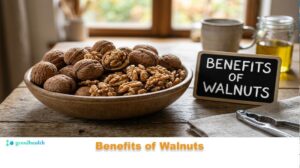
Walnuts are distinct among the nut family for their specific balance of polyunsaturated fats and high antioxidant capacity. Resembling the human brain, walnuts contain neuroprotective compounds including vitamin E, folate, melatonin, and omega-3 fatty acids. Regular intake supports endothelial function and helps reduce inflammation within the blood vessels, complementing the cardiovascular benefits found across other superfood categories.
Roots, Tubers, and Alliums for Metabolic Support
The underground structures of certain plants serve as storage units for highly concentrated nutrients, complex carbohydrates, and sulfur-containing compounds. Integrating these roots and alliums into your dietary rotation provides the raw materials necessary for cellular energy production, immune system readiness, and metabolic resilience without relying on refined sugars or synthetic supplements.
Garlic, onions, leeks, and shallots belong to the allium family and owe their distinct aromas and therapeutic properties to organosulfur compounds like allicin. Allicin is released when the plant tissue is crushed, chopped, or chewed. This compound exhibits natural antimicrobial, antiviral, and antifungal properties, making alliums an effective dietary support system for the human immune response. Furthermore, these compounds help relax blood vessels and have a positive impact on blood pressure regulation.
Ginger and turmeric are rhizomes that have been used for centuries in traditional systems of medicine and are now thoroughly validated by modern clinical research. Turmeric owes its vibrant yellow color to curcumin, a polyphenol that interacts with multiple molecular targets to suppress inflammatory pathways at the genetic level. Because curcumin has naturally low bioavailability, pairing turmeric with black pepper—which contains piperine—increases curcumin absorption by up to 2000%. Ginger contains gingerols, which stimulate digestive enzymes, accelerate gastric emptying, and alleviate systemic gastrointestinal discomfort.
Sweet potatoes and purple yams provide a clean, slow-burning source of carbohydrates rich in beta-carotene and anthocyanins. Unlike refined white flour or white potatoes, these colorful tubers have a lower glycemic impact, providing sustained energy without causing drastic insulin spikes. The high concentration of vitamin A derived from beta-carotene supports mucosal linings throughout the respiratory and gastrointestinal tracts, acting as a primary barrier against external pathogens.
Fermented Foods and Gut Microbiome Optimizers
A robust immune system and efficient nutrient extraction depend heavily on the health of the human gut microbiome. Even the most nutrient-dense diet cannot achieve its full potential if the digestive tract lacks the microbial diversity required to break down and assimilate those nutrients. Fermented foods act as living delivery vehicles for beneficial bacteria, introducing diverse strains of probiotics directly into the digestive ecosystem.
Yogurt and Kefir
Cultured dairy and dairy alternatives, such as traditional Greek yogurt and kefir, are created through the fermentation of milk by specific strains of lactic acid bacteria and yeasts. Kefir, in particular, contains a wider variety of probiotic strains than standard yogurt, along with a unique polysaccharide called kefiran, which has demonstrated anti-inflammatory properties. These fermented liquids break down lactose into lactic acid, making them much easier to digest for individuals with dairy sensitivities while populating the colon with strains of Lactobacillus and Bifidobacterium.
Kimchi and Sauerkraut
Fermented cruciferous vegetables take advantage of the natural bacteria present on the leaves of cabbage to initiate wild fermentation. The resulting products are rich in organic acids, enzymes, and highly stable probiotic strains that can survive the acidic environment of the human stomach. Kimchi also includes garlic, ginger, and red pepper, multiplying the anti-inflammatory and metabolic benefits of the individual components. Regularly consuming small portions of raw, unpasteurized fermented vegetables introduces beneficial live cultures that help outcompete opportunistic pathogenic bacteria in the gut.
Strategic Dietary Integration for Long Term Vitality
Transitioning toward a diet rich in these natural powerhouses does not require a complete lifestyle overhaul or reliance on expensive, exotic powders. The most sustainable approach involves making deliberate updates to the foods you already consume daily. Swapping processed snacks for a handful of walnuts and blueberries, utilizing extra virgin olive oil as your primary dressing, and ensuring that at least half of your dinner plate is populated by dark leafy greens or sulfur-rich alliums will radically transform your nutritional baseline. By focusing on whole, unprocessed options across these diverse categories, you create a synergistic internal environment where vitamins, minerals, and antioxidants work together to optimize metabolic health, combat oxidative stress, and foster long-term physical resilience.
What are the top everyday superfoods I can actually find in a regular grocery store?
Everyday staples like spinach, blueberries, garlic, oats, and salmon are highly affordable, nutrient-dense powerhouses available at any standard supermarket.
Can overeating certain superfoods cause unexpected side effects or health issues?
Yes, consuming them in excess can backfire, such as getting too much iodine from kelp or experiencing bloating from sudden massive doses of fiber in chia seeds.
Are expensive superfood powders and supplements worth the money compared to whole foods?
Whole foods are generally better and cheaper because your body absorbs vitamins and minerals more effectively from real produce than from highly processed synthetic powders.
Which specific superfoods are best for naturally boosting daily energy levels?
If you want to fight fatigue, incorporating green tea, chia seeds, avocados, and dark chocolate into your routine provides a clean, sustainable energy lift.
How do I incorporate these nutrient-dense foods into my meals without cooking complex recipes?
The easiest hack is tossing a handful of spinach, a spoonful of ground flaxseeds, and frozen berries directly into your morning smoothie or oatmeal.
Please note
The content provided in this article is for educational and informational purposes only and should not be construed as medical, nutritional, or therapeutic advice. The recommendations provided may not be appropriate for everyone. The final decision regarding your health and lifestyle is yours, and we recommend that you consult with your doctor or other health professional before making any changes or taking any action.