how to start meal prepping

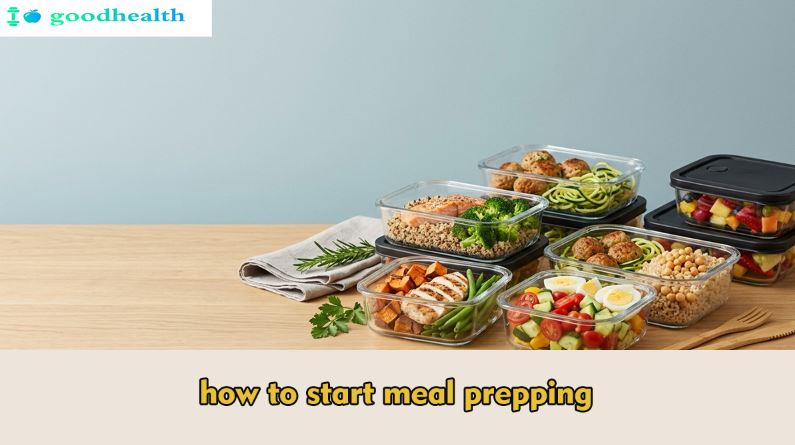
Most people feel overwhelmed by the daily question of what to eat for dinner. After a long workday, the temptation to order takeout, visit a drive-thru, or reach for highly processed convenience foods is incredibly strong, often derailing health goals and straining household budgets. Learning how to start meal prepping completely changes this dynamic, transforming chaotic evenings into relaxed, nourishing experiences. While the concept of cooking a week’s worth of food in a single afternoon might seem daunting to beginners, mastering this fundamental skill is one of the most effective ways to save money, improve dietary habits, and reclaim hours of valuable free time. By breaking down the process of planning, cooking, and storing food into manageable steps, anyone can build a sustainable culinary routine that fits their specific lifestyle, dietary preferences, and nutritional goals.
Understanding the Core Benefits of Weekly Food Prep
Committing to a consistent cooking routine offers advantages that extend far beyond simply having food ready in the refrigerator. One of the most immediate benefits is the profound reduction in daily decision fatigue. When your breakfasts, lunches, and dinners are already planned and prepared, you eliminate the stress of last-minute cooking. This mental clarity allows you to channel your energy into work, family, or hobbies, rather than frantically searching the pantry for ingredients at six o’clock every evening. The psychological relief of opening a fridge stocked with ready-to-eat, nutritious options cannot be overstated.
Financial savings represent another massive incentive for adopting this kitchen habit. Dining out, ordering delivery, and buying pre-packaged convenience meals carry steep markups that quickly drain a monthly budget. By purchasing whole ingredients in bulk and cooking them at home, you drastically reduce your cost per meal. Furthermore, a structured approach to grocery shopping eliminates impulse purchases and drastically cuts down on food waste. When every item in your shopping cart has a designated purpose for the week ahead, you stop throwing away wilted greens and expired meats, keeping more money in your bank account.
From a health and wellness perspective, preparing your own food is the ultimate tool for nutritional control. Restaurant meals and processed foods are notoriously high in hidden sodium, refined sugars, and unhealthy fats. When you take charge of the cooking process, you dictate exactly what goes into your body, making it significantly easier to adhere to specific dietary requirements like low-carb, gluten-free, or plant-based eating. You also gain complete authority over portion control, which is essential for weight management, athletic performance, and overall physical well-being.
Choosing the Right Batch Cooking Strategy
A common misconception is that organizing your weekly food requires portioning out five identical chicken and broccoli dishes into identical plastic boxes. In reality, there are several distinct strategies, and choosing the right one depends entirely on your daily routine and personal preferences. The “buffet style” or ingredient prep method involves cooking large batches of versatile staple foods, such as roasting a tray of vegetables, boiling a pot of quinoa, and grilling several chicken breasts. These separate components are stored in large containers, allowing you to mix and match them into different bowls, wraps, or salads throughout the week to prevent palate fatigue.
Conversely, the fully portioned method is ideal for individuals who commute to an office or have strictly timed lunch breaks. This approach involves cooking complete recipes and dividing them into individual, grab-and-go containers immediately. When you are rushing out the door in the morning, having a sealed, microwave-ready meal waiting for you ensures you never resort to buying a greasy sandwich at the cafeteria. This method requires a bit more foresight in terms of matching sides with main courses, but it provides the ultimate convenience during busy workdays.
Another hybrid approach focuses solely on preparing specific, troublesome meals. If your evenings are relatively relaxed but your mornings are chaotic, you might choose to only prep breakfast items like overnight oats, hard-boiled eggs, or freezer-friendly breakfast burritos. Alternatively, if lunch is your downfall, you can dedicate your Sunday afternoon to making large batches of soup, chili, or pasta salad. You do not have to cook every single meal for the entire week to experience the benefits of this organizational strategy; starting small with just one meal category is often the most sustainable path to long-term success.
Gathering the Essential Kitchen Equipment and Containers
Before diving into complex recipes, it is crucial to equip your kitchen with the right tools to make the process efficient and safe. High-quality knives and a sturdy, large cutting board are the foundation of any cooking session. Attempting to chop a week’s worth of dense vegetables with a dull blade is not only frustrating and time-consuming but also a major safety hazard. Investing in a sharp chef’s knife and keeping it honed will drastically cut down your active prep time. Additionally, utilizing large-capacity cooking vessels like heavy-bottomed Dutch ovens, expansive sheet pans, and large stockpots allows you to double or triple recipes without overcrowding the food.
Small kitchen appliances can act as your sous-chef, allowing you to cook multiple components simultaneously. A slow cooker or an electric pressure cooker is invaluable for preparing tough cuts of meat, large batches of beans, or rich stews with minimal active supervision. While your slow cooker is handling the main protein, you can utilize your stovetop for boiling grains and your oven for roasting vegetables. A high-quality rice cooker is another excellent investment, as it produces perfectly cooked grains entirely hands-off, freeing up your attention for more delicate tasks like sautéing or making sauces.
Selecting Safe and Durable Storage Solutions
The cornerstone of your new routine lies in the quality of your storage containers. Flimsy, single-use plastics easily stain, absorb stubborn odors, and warp in the dishwasher or microwave. Upgrading to high-quality borosilicate glass containers with locking silicone-seal lids is a game-changer. Glass is non-toxic, microwave-safe, oven-safe, and allows you to easily see the contents of your fridge at a glance. If you prefer the lighter weight of plastic for commuting, ensure you select thick, BPA-free options specifically designed for repeated heating and freezing. Compartmentalized containers are particularly useful if you prefer to keep wet ingredients, like sauces or dressings, separated from dry ingredients until it is time to eat.
Strategic Menu Planning and Grocery Shopping
The actual cooking is only half the battle; the foundation of a successful week begins with strategic menu planning. Before setting foot in a grocery store, sit down and determine exactly what you want to eat for the upcoming days. For beginners, it is highly recommended to stick to familiar, well-loved recipes rather than attempting complex, unfamiliar culinary techniques. Choose recipes that feature overlapping ingredients to streamline your shopping and prep. For example, if you are buying a large bag of spinach, plan a menu that uses it in a morning smoothie, a lunchtime salad, and a dinner stir-fry. This cross-utilization of ingredients minimizes waste and keeps your grocery bill manageable.
Once your menu is set, conduct a thorough audit of your pantry, refrigerator, and freezer. Check your stock of cooking oils, basic spices, grains, and condiments. This simple step prevents the frustration of returning home from the store only to realize you are completely out of olive oil or salt. Draft a comprehensive grocery list organized by supermarket aisle, grouping all produce, meats, dairy, and dry goods together. An organized list prevents you from aimlessly wandering the store, which inevitably leads to purchasing unnecessary snacks or forgetting crucial ingredients for your planned meals.
When you arrive at the supermarket, stick rigidly to your written list. Avoid shopping on an empty stomach, as hunger severely impairs judgment and encourages the purchase of highly processed, immediate-gratification foods. Focus the majority of your time and budget on the perimeter of the store, where the fresh produce, lean proteins, and dairy are typically located, venturing into the center aisles only for specific staples like whole grains, canned beans, or frozen vegetables. Buying frozen fruits and vegetables is a highly efficient strategy, as they are picked at peak ripeness, require zero chopping, and will not spoil if your meal schedule changes unexpectedly.
Executing Your Cooking Session Efficiently
When prep day arrives, efficiency and organization are your best friends. Begin by practicing the French culinary concept of “mise en place,” which translates to “everything in its place.” Wash, peel, and chop all of your vegetables, measure out your spices, and trim your proteins before you ever turn on the stove. Having all your components ready eliminates the frantic rush of trying to dice onions while garlic is burning in the pan. A clean, organized workspace reduces stress and significantly speeds up the entire cooking process.
Understanding the correct order of operations is vital for minimizing your time spent in the kitchen. Always start by initiating the tasks that take the longest and require the least active supervision. Get your brown rice simmering on the back burner, place your marinated chicken and root vegetables in the oven to roast, and start your slow cooker. While those time-consuming elements are cooking independently, you can focus your attention on the stovetop tasks, such as sautéing greens, whisking together vinaigrettes, or assembling cold salads. By overlapping these cooking times, you can easily produce a massive volume of food in a condensed two-hour window.
To prevent your weekly menu from feeling monotonous, rely heavily on diverse spice blends, marinades, and homemade sauces. You can roast a single, large batch of neutral vegetables like cauliflower and sweet potatoes, but divide them onto two separate sheet pans. Toss one batch in cumin, chili powder, and lime juice for a Southwestern flavor profile, and toss the other in garlic, oregano, and lemon for a Mediterranean twist. Sauces are the secret weapon of efficient cooking; a vibrant chimichurri, a creamy tahini dressing, or a spicy peanut sauce can completely transform identical base ingredients into entirely distinct culinary experiences day after day.
Cooling and Portioning Your Cooked Food
Proper handling of your food after it finishes cooking is critical for both safety and quality. Never place piping hot food directly into sealed containers in the refrigerator. Doing so creates condensation on the lid, which drips back down and turns crispy vegetables or perfectly cooked grains into a soggy, unappetizing mess. Furthermore, placing large amounts of hot food in the fridge can lower the appliance’s overall temperature, putting your other groceries at risk. Allow your food to cool at room temperature for about thirty minutes, spreading items out on baking sheets if necessary to speed up the process, before portioning them into your dedicated containers and securing the lids.
Food Storage Timelines and Safe Reheating Practices
Understanding how long your hard work will last in the refrigerator is essential for preventing foodborne illness. As a general rule of thumb, most cooked meats, poultry, and fish will remain safe and palatable in the fridge for three to four days. Cooked grains, roasted vegetables, and hearty soups can typically last up to five days. If you have prepared more food than you can reasonably consume within this safe window, you must utilize your freezer. Freezing extends the lifespan of your meals by several months, turning your freezer into a personal convenience store stocked with healthy options.
When utilizing the freezer, be mindful of which foods freeze well and which do not. Soups, stews, casseroles, baked goods, and heavily marinated meats freeze beautifully. However, dishes with high water content, such as raw lettuce, cucumbers, or fresh tomatoes, will turn to mush when thawed. Cream-based sauces can also separate and develop a grainy texture upon freezing. Always label your freezer containers with the name of the dish and the date it was cooked using a piece of masking tape and a permanent marker. Relying on memory inevitably leads to discovering mystery containers months later that must be thrown away.
The way you reheat your food dictates how much you will actually enjoy eating it. While the microwave is incredibly convenient, it is not always the best tool for the job. Reheating pizza, roasted potatoes, or breaded chicken in a microwave will result in a soggy, rubbery texture. Whenever possible, use an oven, toaster oven, or air fryer to reheat foods that are meant to be crispy. For stovetop reheating of soups, curries, or pastas, adding a splash of water or broth before heating can help rehydrate the dish and revive the sauces. If you must use a microwave, cover the dish with a damp paper towel to trap steam and prevent the food from drying out.
Overcoming Common Beginner Challenges
One of the most frequent hurdles beginners face is overwhelming themselves by trying to do too much too soon. Attempting to cook twenty-one distinct, complex meals on your very first prep Sunday is a guaranteed recipe for burnout and frustration. It is perfectly normal to feel exhausted after spending four hours chopping and washing dishes. To avoid this, start incredibly small. Commit to prepping just your workday lunches for the first two weeks. Once that habit feels natural and effortless, you can slowly begin incorporating breakfast items or pre-chopping vegetables for your evening dinners. Gradual integration is the key to building a habit that lasts for years.
Boredom and palate fatigue are other common challenges that derail well-intentioned planners. Eating the exact same chicken and rice combination for five consecutive days will break almost anyone’s willpower, driving them straight back to their favorite delivery apps. Combat this by utilizing the ingredient prep method discussed earlier, allowing you to change the texture and flavor profile of your meals daily. Additionally, keep your pantry stocked with diverse, shelf-stable condiments like hot sauces, pickled onions, kimchi, toasted nuts, and fresh herbs. Adding a handful of fresh cilantro and a squeeze of lime to a three-day-old container of chili instantly revitalizes the dish and makes it exciting to eat again.
Finally, you must learn to embrace flexibility within your structured routine. Life is inherently unpredictable; you may get invited to an impromptu dinner with friends, or your office might cater lunch unexpectedly. When these schedule changes occur, do not view them as a failure of your planning. Simply adjust your timeline, moving a refrigerated meal to the freezer to preserve it for the following week. Your meal plan is meant to act as a supportive framework to reduce your daily stress, not a rigid prison that prevents you from enjoying spontaneous social experiences or responding to the reality of your busy life.
Maintaining Your New Batch Cooking Routine
Successfully integrating this culinary habit into your weekly rhythm requires consistency, patience, and a willingness to learn from inevitable mistakes. You will occasionally overcook a batch of grains or forget to buy a crucial ingredient, but these minor setbacks are part of the learning curve. Over time, your knife skills will improve, your ability to multitask will sharpen, and you will develop an intuitive sense of flavor pairing and portion sizing. What initially takes three hours on a Sunday will eventually condense into a highly efficient, ninety-minute powerhouse session. By continuing to prioritize whole ingredients, investing in proper storage equipment, and keeping your recipes varied and flavorful, you secure a reliable system that continuously supports your health, protects your budget, and brings genuine peace of mind to your daily life.
What is the easiest way for a beginner to start meal prepping?
The easiest way is to start small by cooking just one type of meal, like three days of lunches, using familiar recipes and basic ingredients.
How long does prepped food actually stay good in the fridge?
Most cooked meals will safely last in the fridge for three to four days when stored in airtight glass or plastic containers.
Do I have to eat the exact same thing every single day?
You can easily avoid repetition by prepping versatile base ingredients like rice and chicken, then mixing up the sauces, spices, and sides each day.
What are the best containers to use for meal prep?
High-quality glass containers with locking snap-lids are usually best because they are microwave-safe, won’t stain, and keep your food fresh longer.
Can I freeze my meal prep to make it last longer?
Yes, foods like soups, stews, and casseroles freeze beautifully, but you should avoid freezing meals with fresh greens or high-water vegetables.
Please note
The content provided in this article is for educational and informational purposes only and should not be construed as medical, nutritional, or therapeutic advice. The recommendations provided may not be appropriate for everyone. The final decision regarding your health and lifestyle is yours, and we recommend that you consult with your doctor or other health professional before making any changes or taking any action.