
Healthy recipes for dinner


Finding the energy to prepare a wholesome meal at the end of a demanding day is a common struggle, often leading to a reliance on takeout or heavily processed convenience foods. However, preparing healthy recipes for dinner does not require hours of labor, a background in culinary arts, or a pantry full of obscure ingredients. By focusing on fresh produce, smart cooking techniques, and balanced nutrition, you can transform your evening meals into a restorative and deeply satisfying part of your daily routine. Eating well at night supports better sleep, aids in overnight physical recovery, and sets a positive, energized tone for the following morning. The secret lies in building a repertoire of reliable, flavorful dishes that require minimal friction between the kitchen and the dining table.
Building a Well-Rounded Nutritional Foundation
Creating a truly restorative evening meal requires an understanding of how different macronutrients interact within the body to provide sustained energy and promote healing. A balanced plate prioritizes lean proteins, complex carbohydrates, and healthy fats in appropriate proportions. Proteins, sourced from poultry, fish, legumes, or soy, are essential for muscle repair and satiety, ensuring you do not wake up with disruptive late-night food cravings. Without an adequate protein base, evening meals often lead to a rapid spike and subsequent crash in blood sugar.
Complex carbohydrates play an equally important role in a healthy evening diet. Unlike refined sugars and white flours that digest rapidly, ingredients like sweet potatoes, quinoa, farro, or brown rice provide a slow, steady release of energy. These unrefined carbohydrates are rich in dietary fiber, which supports digestion and feeds the beneficial bacteria in your gut microbiome. Incorporating a generous portion of fibrous vegetables alongside these complex carbs ensures your body receives the vitamins and minerals necessary for optimal cellular function.
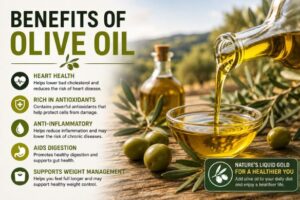
Healthy fats represent the final, crucial component of a balanced dinner. Fats are vital for the absorption of fat-soluble vitamins and the regulation of essential hormones. Cold-pressed olive oil, sliced avocado, toasted nuts, and seeds offer these beneficial lipids while simultaneously adding rich textures and deep flavors to your dishes. When you consciously combine high-quality proteins, complex carbohydrates, and healthy fats, you naturally construct meals that are metabolically supportive and inherently satisfying, making portion control an intuitive process rather than a restrictive chore.
Quick and Efficient Weeknight Solutions
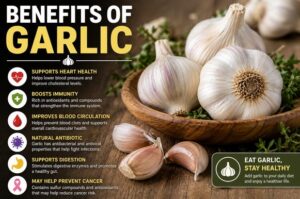
Weeknights present the most significant hurdle for maintaining a nutritious diet, as time constraints and decision fatigue often dictate our culinary choices. The key to consistency during the workweek is mastering healthy recipes for dinner that require minimal active cooking time and cleanup. One of the most effective strategies for busy evenings is adopting the sheet pan meal method. By tossing lean proteins and hardy vegetables in a light coating of olive oil, garlic, and aromatic herbs, you can roast an entire cohesive meal on a single baking tray. This approach concentrates the natural sugars of the ingredients through caramelization, building tremendous flavor while drastically reducing the time spent standing over the stove and washing dishes.
Stir-frying is another excellent, health-conscious technique for rapid nutrient delivery. Utilizing a high-heat wok or heavy skillet allows you to quickly cook a large volume of vegetables while retaining their vibrant colors, crisp textures, and water-soluble vitamins that are often lost through prolonged boiling. By adding a lean protein like thinly sliced chicken breast, shrimp, or firm tofu, and finishing the dish with a low-sodium tamari, ginger, and sesame sauce, you produce a highly nutritious, restaurant-quality meal in under twenty minutes.
Mastering the Sheet Pan Concept
To maximize the success of sheet pan dinners, it is crucial to understand the distinct cooking times of different ingredients. Dense root vegetables like carrots, squash, and potatoes require a longer duration in the oven compared to softer vegetables like zucchini, asparagus, or bell peppers. Staggering the addition of these ingredients to the pan—starting the root vegetables first and adding the quick-cooking items halfway through—ensures that everything finishes roasting simultaneously, resulting in a perfectly textured dish.
Embracing Plant-Based Ingredients for Robust Flavor
There is a growing global recognition of the environmental and personal health benefits associated with plant-forward eating. Incorporating more vegetarian or vegan healthy recipes for dinner into your weekly rotation is an excellent way to significantly increase your daily intake of dietary fiber, antioxidants, and essential phytonutrients. Legumes, including chickpeas, black beans, and a wide variety of lentils, serve as fantastic, budget-friendly protein foundations for countless evening meals. They are incredibly shelf-stable and can be transformed into everything from hearty burger patties to comforting, heavily spiced curries.
A common misconception about plant-based dinners is that they inherently lack the savory heartiness of their meat-based counterparts. However, by utilizing robust ingredients naturally high in umami—such as cremini mushrooms, roasted eggplant, walnuts, and nutritional yeast—you can create deeply satisfying flavor profiles that rival any traditional meat dish. Tofu and tempeh, when pressed to remove excess moisture and marinated properly, act as excellent flavor sponges, absorbing complex marinades and providing a satisfying, meaty chew.
The Versatility of Nutrient-Dense Grain Bowls
Grain bowls offer an endless canvas for culinary creativity and nutritional balance, making them a staple in healthy evening cooking. By starting with a chewy base of farro, barley, or bulgur, layering on heavily roasted seasonal vegetables, adding a plant-based protein like spiced chickpeas, and generously drizzling a homemade herb-infused tahini dressing, you create a complex, multi-textured dish. This modular approach to dinner prevents palate fatigue and allows you to use up whatever leftover vegetables you have residing in your crisper drawer.
Utilizing Seafood for Essential Nutrient Delivery
Integrating seafood into your evening meals is one of the most effective methods for boosting your intake of omega-3 fatty acids, which are scientifically proven to support cardiovascular health and cognitive function. Fish and shellfish are incredibly lean sources of high-quality protein that cook remarkably fast, making them ideal candidates for quick, healthy recipes for dinner. Sourcing sustainable, wild-caught, or responsibly farmed seafood ensures you are making environmentally conscious choices while prioritizing your physical health.
The secret to preparing excellent seafood at home is avoiding heavy, greasy batters and the deep-frying process. Instead, opt for gentle, nutrient-preserving cooking methods such as baking, light pan-searing, or poaching. Baking a wild salmon fillet with a crust of crushed pistachios, dijon mustard, and a squeeze of fresh lemon yields a sophisticated meal with minimal effort. Pairing this omega-rich protein with steamed asparagus or a vibrant, acidic citrus salad creates a beautifully balanced and easily digestible dinner that leaves you feeling light yet fully satiated.
The En Papillote Cooking Technique
Cooking delicate fish in parchment paper, known culinarily as en papillote, is a highly functional technique that traps steam, ensuring the fish remains incredibly moist without the need for excessive oils or butter. By adding aromatics like thinly sliced fennel, shallots, cherry tomatoes, and a splash of dry white wine to the parchment pouch, the seafood is infused with deep, complex flavors as it steams gently in its own juices. This method also guarantees a practically nonexistent cleanup process.
Rethinking Classic Comfort Foods
Transitioning to a healthier lifestyle does not mean permanently abandoning your favorite comfort foods or enduring a diet of plain steamed chicken and broccoli. Instead, it involves rethinking how traditional dishes are constructed and identifying smarter, more nutritious ingredient substitutions. For instance, heavy, carbohydrate-dense pasta dishes can be lightened up significantly by blending spiralized zucchini, carrot ribbons, or roasted spaghetti squash with a smaller portion of high-quality whole-wheat or legume-based pasta. This simple adjustment vastly increases the vegetable content and fiber of the meal while satisfying the desire for a familiar, comforting texture.
Cream-based sauces are another culinary area where significant nutritional improvements can be easily executed without sacrificing mouthfeel. By pureeing cooked cauliflower, soaked raw cashews, or silken tofu in a high-speed blender, you can achieve a velvety, rich sauce consistency without the heavy saturated fat load associated with traditional heavy cream. These alternative bases provide a brilliant blank canvas for powerful flavors like roasted garlic, smoked paprika, and fresh basil. Recreating cold-weather classics like macaroni and cheese, potato soup, or creamy tomato bisque using these nutrient-dense alternatives ensures you can enjoy warming, deeply satisfying meals while seamlessly maintaining a balanced diet.
The Strategic Advantage of Meal Preparation
No thorough discussion of maintaining a nutritious diet is complete without addressing the practical, logistical challenges of daily cooking. Implementing a consistent meal preparation strategy is perhaps the single most powerful behavioral tool for ensuring you stick to healthy recipes for dinner throughout the week. When you return home physically and mentally exhausted, having pre-chopped vegetables, cooked grains, and marinated proteins already waiting in the refrigerator eliminates the friction of starting a complex meal completely from scratch.
Effective meal prep does not necessarily require sacrificing your entire Sunday to the kitchen. It can be as streamlined as batch-cooking a large pot of quinoa or brown rice to utilize across multiple different dinners, or roasting a massive tray of assorted root vegetables to toss into salads, wraps, or frittatas as the week progresses. Preparing versatile sauces, vinaigrettes, and marinades in advance also guarantees that even the simplest, most hastily thrown-together combination of protein and greens can be instantly elevated with robust, dynamic flavors. This proactive, organizational approach drastically reduces the likelihood of resorting to expensive delivery apps.
Embracing a Sustainable Approach to Evening Nutrition
Cultivating a routine centered around nutritious, well-balanced evening meals is a transformative step toward improved overall well-being and sustained vitality. By shifting your focus toward whole, minimally processed ingredients and efficient, health-conscious cooking methods, the act of preparing dinner gradually evolves from a stressful nightly chore into a rewarding, mindful practice. The fundamental goal of dietary wellness is not absolute, rigid perfection, but rather a consistent, long-term commitment to nourishing your body with high-quality, whole foods.
As you continue to explore and integrate various healthy recipes for dinner into your life, you will naturally discover the specific flavor combinations, ingredient swaps, and cooking techniques that resonate most deeply with your personal palate and daily schedule. Prioritizing macronutrient balance, experimenting fearlessly with plant-based alternatives, and utilizing smart, forward-thinking preparation strategies ensure that your evening meals remain consistently delicious, highly varied, and functionally supportive of your lifelong health objectives.
What are some quick healthy dinner ideas that take under 30 minutes?
Sheet pan chicken with roasted Mediterranean vegetables or a 15-minute garlic shrimp and zucchini noodle stir-fry are perfect for busy weeknights.
How can I make a healthy dinner that actually fills me up?
Focus on loading your plate with high-fiber vegetables, lean proteins like salmon or tofu, and complex carbs like quinoa to keep you satisfied for hours.
What healthy dinners can I cook if I am on a tight budget?
Lean heavily on affordable staples like black bean and sweet potato chili, egg frittatas with seasonal greens, or chickpea vegetable curries.
Are there any low-carb healthy dinner recipes that taste good?
You can make a delicious low-carb meal by baking turkey-stuffed bell peppers topped with avocado or searing a steak alongside a crisp caesar salad.
How do I meal prep healthy dinners for the entire week?
Pick two proteins and three versatile vegetables to roast in large batches on Sunday, then mix and match them with different sauces throughout the week.
Please note
The content provided in this article is for educational and informational purposes only and should not be construed as medical, nutritional, or therapeutic advice. The recommendations provided may not be appropriate for everyone. The final decision regarding your health and lifestyle is yours, and we recommend that you consult with your doctor or other health professional before making any changes or taking any action.













One thought on “Healthy recipes for dinner”