Best meditation practices for stress

Living in a fast-paced world frequently subjects the human mind and body to sustained levels of pressure, leading many individuals to seek sustainable relief methods. When daily obligations, professional demands, and unexpected life events accumulate, the internal alarm system becomes overactive, manifesting as chronic fatigue, anxiety, and diminished focus. While temporary escapes offer brief moments of respite, addressing the root cause of mental tension requires a deeper, more intentional approach to internal regulation. Embracing regular mental wellness exercises has emerged as one of the most accessible and scientifically validated strategies to counter these modern pressures. By training the mind to navigate chaotic environments with a sense of internal stability, individuals can radically transform their relationship with external pressures.
Among the various strategies available for cultivating mental clarity, establishing a dedicated routine centered on intentional stillness offers profound advantages. Rather than attempting to eliminate external challenges entirely, these structured internal exercises alter how the brain processes difficult stimuli. Regular engagement with targeted mindfulness techniques helps dismantle the automatic, high-alert responses that leave people feeling drained and overwhelmed. Over time, what begins as a brief daily pause evolves into a protective shield, enhancing cognitive flexibility and restoring emotional balance. Exploring the specific mechanisms and methodologies that facilitate this shift reveals why certain approaches stand out as exceptionally effective tools for comprehensive mental rejuvenation.
Understanding the Physiological Impact of Stress on the Mind and Body
To fully appreciate how specific mental practices counteract internal tension, it is essential to explore what happens biologically when challenges arise. The human brain is hardwired to react swiftly to perceived threats through an ancient survival mechanism known as the fight-or-flight response. When a difficult situation occurs, the amygdala signals the hypothalamus, which triggers a surge of hormones, primarily cortisol and adrenaline. This evolutionary adaptation prepares the body to either confront physical danger or flee from it, causing the heart rate to spike, blood pressure to rise, and respiration to quicken. While this response is life-saving in acute physical emergencies, the psychological pressures of modern life frequently activate this system continuously, leaving it permanently switched on.
Prolonged exposure to elevated cortisol levels causes significant wear and tear on both physiological and psychological systems. Physically, chronic activation of the stress response can lead to persistent muscle tension, digestive disturbances, compromised immune function, and disrupted sleep architecture. Mentally, it impairs the prefrontal cortex, the region of the brain responsible for executive functioning, logical reasoning, working memory, and emotional regulation. This impairment explains why individuals under long-term pressure often struggle with decision-making, experience heightened irritability, and find themselves trapped in cycles of repetitive, negative thinking. The continuous internal noise obscures clarity, making minor setbacks feel like insurmountable obstacles.
Engaging in structured stillness directly intervenes in this destructive biological loop by initiating the relaxation response. This physiological state is characterized by a decrease in heart rate, stabilization of blood pressure, and a reduction in oxygen consumption. By deliberately shifting the body out of sympathetic nervous system dominance and into a parasympathetic state, these practices allow cellular repair and recovery to take place. Neurological research demonstrates that consistent practice can alter brain structure, reducing the gray matter density of the amygdala while strengthening connections within areas associated with focus and emotional resilience. This biological shift transforms internal regulation from a abstract concept into a measurable, physical reality.
Mindfulness Meditation for Daily Stress Management
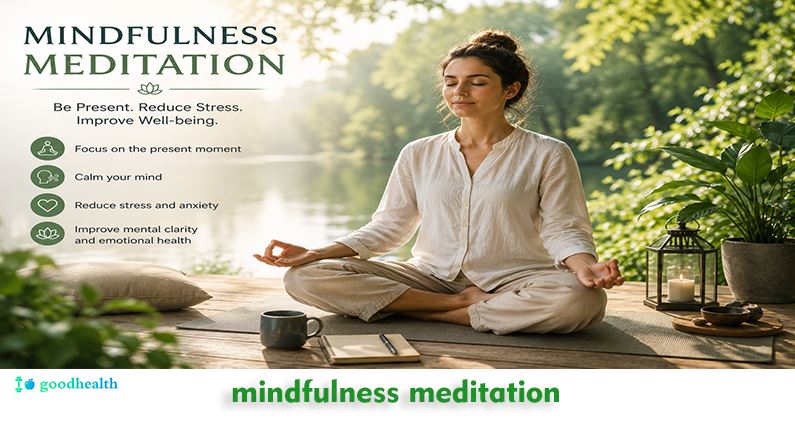
Mindfulness meditation stands as a cornerstone practice for restoring mental equilibrium, rooted in the foundational concept of maintaining a moment-by-moment awareness of our thoughts, feelings, bodily sensations, and surrounding environment. Rather than attempting to empty the mind of all thoughts, this technique teaches individuals to observe their internal landscape from a position of objective neutrality. When a stressful thought arises during practice, the objective is not to fight it, suppress it, or analyze its origin. Instead, the practitioner acknowledges the presence of the thought, labels it simply as a passing mental event, and gently redirects their attention back to the present moment.
The practical execution of mindfulness relies heavily on establishing a stable anchor, which most commonly takes the form of the natural breath. By anchoring the attention to the physical sensation of air entering and leaving the body, the practitioner creates a psychological workspace separate from their immediate worries. When the mind inevitably wanders into future anxieties or past regrets, the breath serves as a non-judgmental home base to return to. This continuous process of noticing the distraction and returning to the anchor acts as a form of resistance training for the mind, progressively building the cognitive stamina required to resist emotional volatility during challenging real-world scenarios.
Integrating this practice into a demanding schedule does not require hours of uninterrupted isolation; rather, its effectiveness lies in consistency and intentional application. Micro-sessions lasting between five and ten minutes can be seamlessly embedded into transitional moments throughout the day, such as before starting a workday, during a lunch break, or right before transitioning into evening rest. By creating these small pockets of deliberate awareness, individuals disrupt the compounding momentum of daily pressures. This prevention strategy ensures that mental tension is addressed continuously throughout the day, rather than allowing it to accumulate into a state of total emotional exhaustion.
Deep Breathing Techniques and Breathwork Practices
The breath serves as a direct, physical bridge between the conscious mind and the autonomic nervous system, providing an immediate pathway to alter internal physiological states. When an individual experiences sudden anxiety or pressure, their breathing naturally becomes shallow, rapid, and centered in the upper chest, which reinforces the brain’s perception of danger. Conversely, by consciously altering the depth, rhythm, and pacing of the breath, a person can send an immediate signal of safety to the central nervous system. This direct accessibility makes targeted breathwork one of the most rapid and reliable methods for mitigating acute emotional distress.
Box Breathing for Instant Calming
Box breathing, a structured technique utilized by high-stress professionals and emergency responders, relies on a symmetrical four-part rhythm to stabilize the nervous system. The practice begins by expelling all air from the lungs, followed by a slow, deep inhalation through the nose for a count of four seconds, ensuring the abdomen expands fully. The practitioner then holds the breath comfortably for an identical count of four seconds, avoiding throat constriction. This is followed by a smooth, controlled exhalation through the mouth for four seconds, and a final hold on empty for another count of four.
The neurological efficacy of this specific pattern lies in its ability to rhythmically stimulate the vagus nerve, a primary component of the parasympathetic nervous system. The equal distribution of inhalation, retention, exhalation, and suspension creates a powerful stabilizing effect on heart rate variability. This deliberate control interrupts the cognitive loop of racing thoughts by demanding full concentration on numerical counting and physical breath regulation. Consequently, the brain reallocates resources away from anxiety-inducing narratives and toward somatic control, resulting in an immediate drop in physical tension and a rapid restoration of logical clarity.
The 4-7-8 Breathing Method for Sleep and Anxiety
Developed as a natural tranquilizer for the nervous system, the 4-7-8 breathing technique features an elongated exhalation phase specifically designed to maximize physical relaxation. To execute this method, the practitioner inhales quietly through the nose for a count of four seconds, holds the breath entirely for a duration of seven seconds, and then releases the breath audibly through the mouth making a whoosh sound for a full count of eight seconds. This ratio is intentionally calibrated to maximize oxygen influx during the inhalation and retention phases while optimizing carbon dioxide removal during the extended exhalation.
The prolonged eight-second exhalation is critical, as it forces the heart rate to slow down considerably through enhanced vagal tone. Holding the breath for seven seconds allows oxygen to thoroughly saturate the bloodstream, providing a profound sense of physical grounding and slowing down an overactive mind. This technique proves exceptionally beneficial when utilized during evening transitions, as it directly counteracts the hyperarousal that frequently causes insomnia and late-night worry. Practicing this cycle four times consecutively acts as an immediate reset switch for internal agitation.
The Power of Guided Imagery and Body Scan Meditation
While breath-focused approaches utilize physical rhythms to soothe the nervous system, other highly effective methodologies leverage the mind’s capacity for visualization and somatic awareness to dissolve deeply held tension. Stress frequently manifests as localized physical tightness, with individuals unconsciously clenching their jaws, elevating their shoulders, or holding rigidity in their lower backs. When physical tension remains unrecognized, it continuously signals to the brain that the body is under threat, creating a self-reinforcing feedback loop of mental and physical discomfort. Breaking this cycle requires a deliberate inward turning of attention to map and release these physical holding patterns.
Body scan meditation addresses this issue directly by systematically moving focused attention through every region of the physical form, typically starting at the toes and progressing upward to the crown of the head. As the practitioner mentally visits each muscle group, they simply observe any sensations present, such as warmth, tingling, coolness, tightness, or numbness. When areas of discomfort or constriction are identified, the individual is guided to mentally direct their breath into that specific region, consciously allowing the muscles to soften on each exhalation. This systematic approach cultivates deep somatic awareness, teaching the mind to recognize the earliest warning signs of physical tension before they escalate into chronic pain or emotional volatility.
Complementing this somatic awareness, guided imagery introduces an element of cognitive visualization to actively alter emotional states. This practice involves mentally constructing a detailed, multi-sensory environment that represents absolute safety, tranquility, and comfort, such as a secluded forest clearing or a quiet shoreline. Rather than merely picturing the scene, the practitioner engages all senses, imagining the ambient sounds, the temperature of the air, the scents present, and the tactile sensations underfoot. By immersing the brain in this rich sensory simulation, the amygdala lowers its guard, reacting to the imagined calm as if it were a physical reality, thereby accelerating recovery from psychological exhaustion.
Transcendental and Mantra Meditation for Deeper Rest
For individuals who find that their minds struggle to settle with breath awareness or visualization alone, utilizing an internal vocal anchor offers an alternative path to profound mental stillness. Mantra meditation involves the silent, repetitive recitation of a specific word, sound, or phrase to provide the analytical mind with a singular focal point. This practice traces its roots through various global contemplative traditions, yet its secular adaptation has gained immense popularity in contemporary clinical settings due to its efficiency in reducing cognitive clutter. The repetition of the mantra acts as a benign distraction for the default mode network, the brain network responsible for mind-wandering and self-referential worry.
The mechanics of practicing a simple mantra technique involve selecting a neutral, calming word or sound and repeating it silently at a natural, unforced pace within the mind. Whenever thoughts, external noises, or physical sensations arise to distract the practitioner, they are instructed to treat those distractions with complete indifference and gently return to the silent repetition of the chosen sound. There is no requirement to force concentration or achieve a specific state of enlightenment; the value lies entirely in the effortless return to the auditory anchor. This repetitive process creates a rhythmic cadence within the consciousness, allowing superficial worries to drift away while revealing a deeper layer of baseline internal calm.
Clinical investigations into the neurobiology of mantra repetition demonstrate that it induces a unique state of restful alertness, characterized by a distinct increase in alpha brainwave activity. These specific brainwaves are associated with relaxed focus, creative problem-solving, and a reduction in subjective anxiety levels. By providing a consistent, predictable stimulus, the practice prevents the mind from spinning complex narratives around daily anxieties, allowing the nervous system to achieve a level of deep rest that often surpasses the recuperative value of ordinary sleep. This deep physiological rest repairs the metabolic damage caused by long-term pressure, replenishing depleted mental and emotional reserves.
Loving-Kindness Meditation to Combat Emotional Burnout
Stress does not merely exhaust the physical body and cloud cognitive processing; it also significantly impacts an individual’s emotional well-being, often leading to feelings of frustration, resentment, and profound self-criticism. When people face prolonged difficulty, they frequently develop a hyper-critical internal monologue, judging their inability to handle pressure perfectly or blaming themselves for circumstances beyond their control. This internal hostility creates an additional layer of emotional friction, accelerating the journey toward burnout and interpersonal conflict. Addressing this emotional dimension requires a practice explicitly designed to foster compassion, emotional regulation, and psychological warmth.
Loving-kindness meditation, historically known as Metta, focuses specifically on cultivating positive emotional states through the systematic direction of well-wishes toward oneself and others. The structure of the practice involves silently reciting a series of positive intentions regarding safety, health, happiness, and ease. Typically, the sequence begins with the practitioner directing these wishes inward, acknowledging their own struggles and offering themselves genuine compassion. Once an internal sense of goodwill is established, the scope of the practice expands outward in concentric circles, moving from loved ones, to neutral acquaintances, to difficult individuals, and ultimately encompassing all living beings.
This deliberate cultivation of prosocial emotions directly counteracts the narrowing, isolating effect that internal pressure typically exerts on human perception. Neuroimaging studies indicate that regular engagement with compassion-focused practices activates the brain’s caregiving and reward circuits, increasing the production of oxytocin and dopamine while down-regulating the stress-induced activation of the insula. By consciously practicing empathy and self-compassion, individuals build a resilient emotional buffer that helps prevent daily challenges from degrading their empathy or degenerating into chronic cynicism. This shift enhances personal well-being while stabilizing interpersonal relationships during turbulent times.
Establishing a Sustainable Meditation Routine for Long-Term Resilience
The true benefits of stress-reduction practices are cumulative, relying less on sporadic, extended sessions and far more on the regular, daily repetition of smaller practices. A common mistake made by many beginners is attempting to engage in overly lengthy sessions immediately, which often results in frustration, a sense of failure, and eventual abandonment of the practice altogether. Just as physical fitness requires consistent, incremental training over time, mental fortitude is built through steady, manageable habits that integrate naturally into an individual’s existing lifestyle. Approaching internal wellness with patience and realistic expectations ensures long-term sustainability.
To successfully build a durable practice, it is highly effective to utilize the concept of habit stacking, which involves anchoring the new meditation routine directly to an already established daily behavior. For example, deciding to practice five minutes of mindful breathing immediately after pouring the first morning cup of coffee, or completing a brief body scan directly upon climbing into bed at night, creates an automatic mental cue. Removing environmental friction by designating a specific, comfortable seat and minimizing digital distractions further reinforces the brain’s willingness to engage in the habit. By embedding the practice into the existing architecture of the day, it quickly transitions from a conscious chore into an effortless necessity.
Ultimately, evaluating progress should not be based on whether a session felt perfectly peaceful or entirely free from distracting thoughts, as a wandering mind is an inherent characteristic of human biology. The true metric of success is found in how one responds to the distraction, and more importantly, how that cultivated awareness manifests in daily life outside of formal practice. When individuals notice themselves pausing before reacting to an annoying email, maintaining composure during a long commute, or sleeping more soundly through the night, they are experiencing the direct benefits of their practice. Consistent engagement builds a foundation of mental clarity and emotional stability, empowering individuals to navigate the complexities of the modern world with steady, lasting resilience.
What is the single best type of meditation for immediate stress relief?
Mindfulness meditation, specifically focusing on box breathing or body scan techniques, is highly effective for quickly calming an overactive nervous system.
How many minutes a day do I need to meditate to actually lower stress?
Research shows that just 10 to 15 minutes of daily, consistent practice is enough to trigger a measurable drop in your body’s stress hormones.
How do I meditate for stress if I can’t stop my mind from racing?
Instead of trying to empty your mind, simply notice when your thoughts wander and gently guide your attention back to your breath without judgment.
Is it better to meditate for stress in the morning or right before bed?
Morning meditation sets a calm tone for your day, while evening sessions are ideal for releasing built-up tension and improving your sleep quality.
Can meditation actually make stress or anxiety feel worse at first?
Yes, it is completely normal to feel restless initially because slowing down forces you to confront anxious thoughts you were previously distracting yourself from.
Please note
The content provided in this article is for educational and informational purposes only and should not be construed as medical, nutritional, or therapeutic advice. The recommendations provided may not be appropriate for everyone. The final decision regarding your health and lifestyle is yours, and we recommend that you consult with your doctor or other health professional before making any changes or taking any action.