
best seafood for weight loss

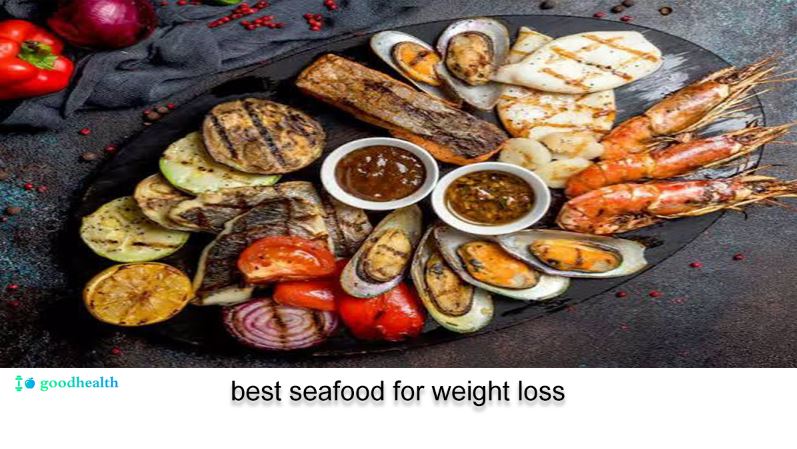
Seafood can be an excellent addition to a weight-loss diet because many types provide high-quality protein, valuable nutrients, and relatively few calories. From lean white fish and shrimp to salmon, tuna, mussels, and scallops, seafood offers plenty of choices for people who want satisfying meals without consuming excessive calories. The best options depend on your nutritional goals, preferred flavors, budget, and cooking methods.
Choosing the best seafood for weight loss involves more than simply selecting foods with the fewest calories. Protein helps maintain muscle during weight loss and contributes to fullness, while certain seafood varieties provide omega-3 fatty acids, vitamin D, iodine, selenium, and other essential nutrients. The preparation method also matters: grilled, baked, steamed, and poached seafood can be considerably lower in calories than battered or deep-fried alternatives.
Whether you are following a calorie-controlled diet, trying to reduce body fat, or simply looking for healthier sources of protein, understanding which seafood choices offer the best nutritional balance can help you build a sustainable eating plan.
Why Seafood Is Good for Weight Loss
Seafood can support weight management because many varieties provide substantial protein relative to their calorie content. Protein is important during weight loss because it helps preserve lean muscle mass while you reduce body fat. It also tends to be more filling than foods that provide mostly refined carbohydrates or added fats.
Eating a protein-rich seafood meal can help you feel satisfied after eating, potentially making it easier to manage portions and avoid unnecessary snacking. Combining seafood with vegetables, whole grains, and other high-fiber foods can make meals even more satisfying.
Another advantage is the variety of nutritional profiles available. Lean fish such as cod and haddock offer relatively little fat, while oily fish such as salmon and sardines provide omega-3 fatty acids. Shellfish, including shrimp, crab, and scallops, can deliver considerable protein without adding many calories.
However, seafood does not directly cause fat loss. Weight loss generally requires maintaining a calorie deficit over time, meaning that you consume fewer calories than your body uses. Seafood can make that process easier by providing nutritious, filling alternatives to higher-calorie meals.
Best Seafood for Weight Loss
Different types of seafood offer different combinations of protein, calories, healthy fats, and micronutrients. The following options are particularly useful for building balanced meals while managing calorie intake.
Shrimp
Shrimp is one of the best seafood choices for weight loss because it is high in protein and naturally low in fat. Approximately 100 grams of plain cooked shrimp provides around 99 calories and 24 grams of protein, although nutritional values vary slightly depending on the product and preparation method.
Its high protein-to-calorie ratio makes shrimp particularly useful for people who want satisfying meals without consuming large amounts of energy. Shrimp also provides nutrients such as selenium, iodine, vitamin B12, and phosphorus.
You can add cooked shrimp to salads, vegetable stir-fries, soups, grain bowls, or whole-grain pasta. Grilling, steaming, boiling, and sautéing with a small amount of oil are practical cooking methods.
Avoid relying on deep-fried shrimp, heavily breaded varieties, or creamy shrimp sauces. These additions can significantly increase the calorie content of an otherwise lean protein source.
Cod
Cod is an excellent choice for anyone looking for lean, low-calorie seafood. It has a mild flavor, tender texture, and relatively low fat content, making it suitable for many different recipes.
Cooked cod generally provides around 20–23 grams of protein per 100 grams, with approximately 90–105 calories depending on the variety and cooking method. It is also a source of vitamin B12, iodine, selenium, and phosphorus.
Because cod has a mild taste, it pairs well with lemon juice, garlic, parsley, black pepper, and other herbs. Baking it with vegetables or preparing it in a light tomato-based sauce creates a nutritious meal without requiring large amounts of added fat.
For people following a calorie-controlled diet, cod is especially useful as a substitute for fattier or processed meat dishes.
Salmon
Salmon is a nutritious seafood option that can support a balanced weight-loss diet. Unlike cod, salmon contains more fat and therefore provides more calories. However, much of its fat consists of beneficial unsaturated fatty acids, including long-chain omega-3 fats.
A 100-gram portion of cooked salmon provides approximately 22 grams of protein and around 200–210 calories, depending on the species and preparation. It also supplies vitamin D, vitamin B12, selenium, and omega-3 fatty acids.
Omega-3 fats are important for normal cardiovascular and cellular functions. Including salmon in your diet can help increase your intake of these essential fatty acids.
Although salmon is more calorie-dense than lean white fish, it can still fit comfortably into a weight-loss plan. A moderate portion served with vegetables and a high-fiber side dish makes a satisfying meal.
Tuna
Tuna is another high-protein seafood choice that can be particularly convenient for people trying to lose weight. It is available fresh, frozen, and canned, making it easy to include in different meals.
Canned tuna in water is generally a lower-calorie option than tuna packed in oil. It provides substantial protein and can be added to salads, sandwiches, wraps, or vegetable bowls.
Tuna also contains selenium, vitamin B12, and other important nutrients. Fresh tuna can be grilled or seared and served with steamed vegetables or a moderate portion of brown rice.
However, tuna varieties differ in their mercury content. Canned light tuna is generally a lower-mercury option than albacore tuna, while bigeye tuna has particularly high mercury levels. It is better to vary your seafood choices rather than relying on tuna every day.
Scallops
Scallops are a useful choice for people who want a lean source of protein with a naturally delicate flavor. Cooked scallops provide approximately 20 grams of protein per 100 grams and around 110 calories.
They also contain nutrients such as vitamin B12, selenium, phosphorus, and zinc. Their slightly sweet flavor makes them suitable for simple dishes that do not require heavy sauces.
Try grilling, baking, or searing scallops using a small amount of olive oil. Serve them with asparagus, broccoli, zucchini, or a fresh salad to create a balanced meal.
Be careful with restaurant-style scallop dishes prepared with generous amounts of butter, cream, or oil. These ingredients can increase the calorie content substantially.
Haddock
Haddock is a lean white fish that works well in a weight-loss eating plan. It is relatively low in calories and provides high-quality protein, making it a good alternative to fattier meat products.
Its mild flavor makes it suitable for baking, steaming, poaching, and grilling. Haddock also contains vitamin B12, iodine, selenium, and other nutrients important for normal body functions.
For a simple healthy meal, bake haddock with lemon, garlic, herbs, and black pepper. Serve it with roasted vegetables or a portion of whole grains.
Sardines
Sardines are small oily fish that provide protein as well as omega-3 fatty acids. They also contain vitamin D, vitamin B12, selenium, and calcium when their soft edible bones are included.
Although sardines contain more fat and calories than very lean fish, their nutrient density makes them a valuable addition to a balanced diet. Their protein and fat combination can help make meals satisfying.
Fresh sardines can be grilled or baked, while canned sardines can be added to salads, whole-grain toast, or vegetable dishes. Choose varieties packed in water or tomato sauce when you want to control added calories, and compare labels for sodium content.
Sardines are also listed among the lower-mercury seafood choices in the US Food and Drug Administration’s fish advice.
Crab
Crab meat is another high-protein seafood option that generally contains relatively little fat. It provides nutrients such as vitamin B12, zinc, selenium, and copper.
Its naturally sweet flavor makes it useful in salads, seafood bowls, soups, and light pasta dishes. Steamed crab meat with lemon juice and herbs can be a satisfying alternative to heavier meat-based meals.
However, calorie content can increase when crab is served with large amounts of butter, mayonnaise, or creamy dressings. Choosing lighter sauces and vegetable-based side dishes helps keep the meal appropriate for a calorie-controlled diet.
Mussels
Mussels offer a combination of protein, minerals, and other nutrients that make them a valuable addition to a varied diet. They provide vitamin B12, iron, zinc, selenium, and some omega-3 fatty acids.
Mussels can be steamed with garlic, tomatoes, herbs, and a small amount of olive oil. They also work well in vegetable-based soups and seafood stews.
Their nutritional value makes them useful for people who want variety beyond fish fillets and shrimp. However, restaurant preparations containing cream, large amounts of butter, or salty broths may add considerable calories or sodium.
Tilapia
Tilapia is a mild-flavored, relatively lean fish that can be incorporated into many weight-loss meals. It provides high-quality protein and is generally lower in fat than oily fish such as salmon.
It can be baked, grilled, steamed, or pan-cooked with a small amount of oil. Because its flavor is mild, tilapia pairs well with lemon, paprika, garlic, herbs, and vegetables.
Tilapia contains less omega-3 fat than salmon or sardines, so it is useful to include a variety of seafood rather than depending on one fish type for all your nutritional needs.
Lean Seafood Compared With Oily Seafood
An important consideration when choosing seafood for weight loss is the difference between lean and oily varieties.
Lean seafood, such as cod, haddock, pollock, shrimp, and many types of shellfish, generally provides a high amount of protein with relatively few calories. These foods can be especially helpful when you want to maximize protein intake while keeping your overall calorie intake controlled.
Oily seafood, including salmon, sardines, mackerel, and trout, contains more fat and therefore usually provides more calories per serving. However, these fats include omega-3 fatty acids, which contribute to normal cardiovascular and cellular functions.
Neither category is automatically better for weight loss. Lean seafood can make it easier to manage calories, while oily fish can provide valuable nutrients that may be less abundant in very lean varieties.
A balanced approach is to include both. For example, you might serve cod or shrimp on days when you want a particularly lean meal and salmon or sardines on other days to increase your intake of omega-3 fats.
Nutritional Comparison of Popular Seafood Options
The following figures are approximate values for plain cooked seafood per 100 grams of edible portion. Actual nutrition varies by species, product, cooking technique, and added ingredients.
| Seafood | Approximate calories | Protein |
|---|---|---|
| Shrimp | 99 kcal | 24 g |
| Cod | 90–105 kcal | 20–23 g |
| Scallops | 111 kcal | 20 g |
| Haddock | 90–110 kcal | 20–24 g |
| Crab | 90–105 kcal | 18–20 g |
| Tilapia | 125–130 kcal | 25–27 g |
| Salmon | 200–210 kcal | 22 g |
| Sardines | 180–210 kcal | 24–25 g |
These figures are intended as general comparisons, not exact values for every product. For example, canned seafood may have different nutritional values depending on whether it is packed in water, oil, or sauce. The USDA’s FoodData Central database is a useful resource for checking food-specific nutrient information.
Healthiest Ways to Cook Seafood for Weight Loss
The cooking method can make a major difference to the calorie content of a seafood meal. Even naturally lean fish can become a high-calorie dish when it is deep-fried, covered in batter, or served with rich sauces.
Baking is one of the easiest ways to prepare seafood without adding excessive fat. Place fish in an oven-safe dish, season it with lemon, garlic, herbs, and black pepper, and cook until it reaches a safe internal temperature.
Grilling is another useful option. It gives fish and shellfish a rich flavor without requiring heavy sauces. A small amount of olive oil can help prevent sticking while keeping added calories manageable.
Steaming and poaching are particularly suitable for delicate fish. These methods help preserve moisture and allow you to prepare seafood without adding much fat.
Sautéing can also work well when you control the amount of oil. Use a measured amount rather than pouring freely from the bottle, and add vegetables, spices, lemon juice, and fresh herbs to build flavor.
Deep-frying, heavy breading, and cream-based sauces are best treated as occasional choices if your goal is to manage calorie intake.
How to Include Seafood in a Weight-Loss Diet
The most effective way to use seafood for weight loss is to make it part of balanced meals rather than treating it as an isolated solution.
A simple meal structure includes a source of lean protein, plenty of vegetables, and a moderate portion of high-fiber carbohydrates or other satisfying foods. For example, grilled shrimp with brown rice and broccoli provides protein, fiber, and carbohydrates in one meal.
You can also prepare a baked cod salad with leafy greens, tomatoes, cucumbers, and a light olive-oil dressing. Another option is salmon with roasted vegetables and a small baked potato.
Seafood can also be useful for meal preparation. Cooked shrimp, baked fish, or canned tuna can be incorporated into lunches and dinners throughout the week. Store seafood safely in the refrigerator and follow food-safety guidance when handling and reheating leftovers.
Portion size still matters. Even nutrient-rich foods contribute calories, so the quantity you eat should fit your individual energy needs. A practical starting point for many adults is a cooked seafood portion of approximately 100–150 grams, adjusted according to appetite, dietary requirements, and the rest of the meal.
Seafood Choices to Limit During Weight Loss
Not every seafood dish is automatically suitable for a calorie-controlled diet. Some preparations contain substantial amounts of added fat, refined carbohydrates, or sodium.
Deep-fried fish, battered shrimp, seafood tempura, and heavily breaded fish fillets can contain considerably more calories than their grilled or baked equivalents. Creamy seafood pasta, rich chowders, and butter-heavy seafood platters can also increase total energy intake.
Processed seafood products deserve attention as well. Some fish sticks, imitation crab products, and ready-made seafood meals contain added starch, salt, oils, or other ingredients. Check nutrition labels rather than assuming that every seafood product is low in calories.
Smoked and canned seafood can be convenient, but sodium levels may be high. People who need to monitor sodium intake should compare products and choose lower-sodium options when available.
Mercury and Food Safety Considerations
Seafood provides important nutrients, but some fish contain higher levels of mercury than others. Varying the types of seafood you eat is a sensible way to obtain different nutrients while limiting repeated exposure to mercury from higher-mercury species.
The US FDA identifies shrimp, salmon, sardines, cod, haddock, scallops, pollock, tilapia, and canned light tuna among its lower-mercury choices. It classifies bigeye tuna, swordfish, shark, king mackerel, and marlin among the highest-mercury choices. Its official fish advice provides detailed information on specific species.
The FDA and EPA also advise people who are pregnant, breastfeeding, or might become pregnant to choose a variety of lower-mercury seafood. Their guidance recommends two to three servings per week from the lower-mercury category, with serving sizes and advice tailored to these groups.
Food safety is equally important. Buy seafood from reliable suppliers, keep it properly refrigerated or frozen, avoid cross-contamination with raw foods, and cook it appropriately. People with shellfish allergies should avoid the relevant shellfish and follow medical guidance.
Conclusion
Choosing the best seafood for weight loss can make a calorie-controlled diet more nutritious, varied, and satisfying. Shrimp, cod, haddock, scallops, crab, and tilapia are particularly useful lean-protein choices, while salmon and sardines provide additional omega-3 fatty acids and other valuable nutrients.
The most important factor is not finding one seafood that burns fat, but selecting foods that help you meet your nutritional needs while maintaining a sustainable calorie deficit. Baking, grilling, steaming, and poaching seafood can help keep meals lighter, whereas deep-frying, heavy breading, and rich sauces can add substantial calories.
For a balanced approach, combine lean seafood with oily fish, vegetables, whole grains, and other nutrient-rich foods. Pay attention to portion sizes, vary your fish choices, and follow relevant mercury and food-safety guidance. Used consistently as part of a well-planned eating pattern, seafood can be an excellent source of protein and essential nutrients during weight loss.
What is the best seafood to eat for weight loss?
Shrimp, cod, tuna, crab, scallops, and other lean seafood options are excellent for weight loss because they provide high-quality protein with relatively few calories.
Is salmon good for weight loss despite its fat content?
Yes, salmon can support weight loss because it provides protein, omega-3 fatty acids, and healthy fats that help promote satiety, although its calorie content is higher than that of lean white fish.
Can eating shrimp help you lose belly fat?
Shrimp is low in calories and high in protein, making it a useful food for a weight-loss diet, but it does not specifically burn belly fat or target fat in one area.
How often should I eat seafood when trying to lose weight?
Eating seafood about two to three times per week, including a variety of low-mercury fish and shellfish, can provide valuable protein and nutrients as part of a balanced weight-loss diet.
What is the healthiest way to cook seafood for weight loss?
Grilling, baking, steaming, poaching, or air-frying seafood with minimal oil, salt, and heavy sauces helps keep meals nutritious while controlling calorie intake.
please note
The content provided in this article is for educational and informational purposes only and should not be construed as medical, nutritional, psychological, or therapeutic advice. The advice provided may not be appropriate for everyone. The final decision regarding your health and lifestyle is yours, and we recommend that you consult with your doctor, counselor, or other health professional before making any changes or taking any action.
Support Our Blog
Do you enjoy reading our articles and finding valuable information on our website?
Your voluntary contribution helps us continue creating informative, educational, and useful content.
Every contribution, regardless of its size, helps support our research, website maintenance, and future articles.
You can support our work using Bitcoin, Ethereum, USDC, and other supported cryptocurrencies.
Thank you for being part of our community!
Your support makes a difference.
Help us create more valuable articles and educational resources.
$ 5 = Support an article $10 = Support our research $50 = Help our development $100 = Big help for development