
Healthy eating habits for beginners

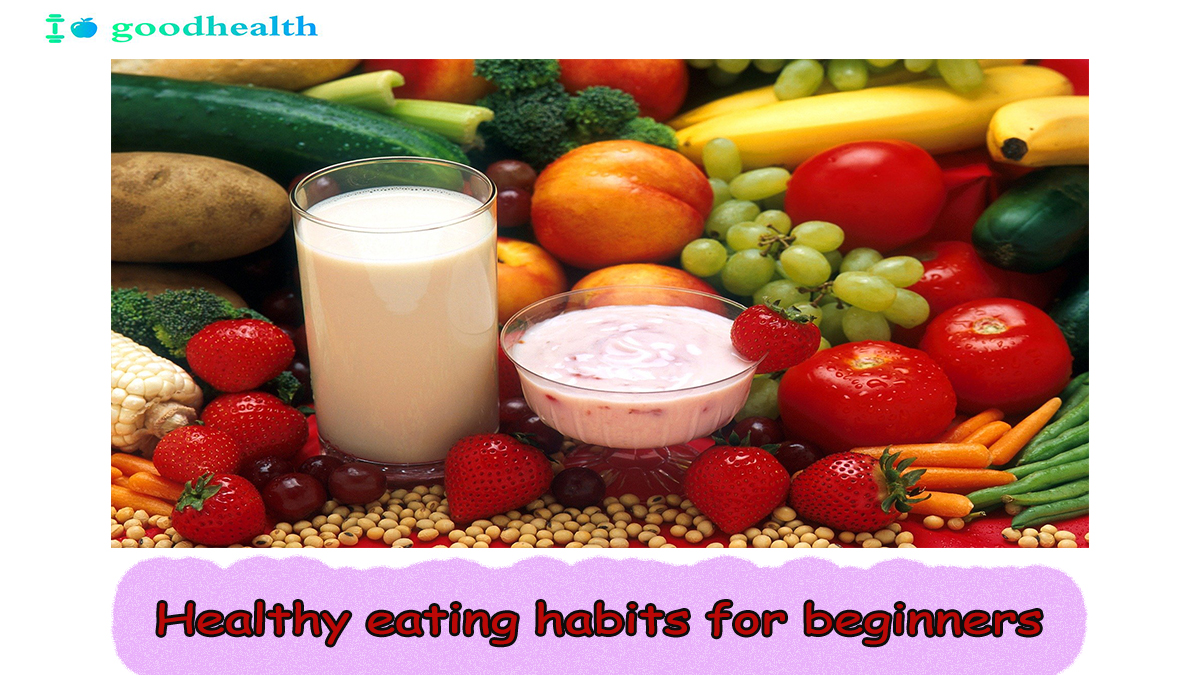
Embarking on a journey toward better health can often feel overwhelming, especially with the sheer volume of conflicting nutritional advice available today. Many people assume that transitioning to a healthier diet requires a radical, overnight overhaul of their entire lifestyle, complete with strict restrictions and exhausting calorie counting. However, the most sustainable and effective approach to nutrition is built on small, manageable adjustments that fit seamlessly into your daily routine. By focusing on fundamental principles rather than fleeting dietary trends, anyone can establish a foundational routine that supports long-term physical well-being, increased energy levels, and a healthier relationship with food.
Understanding the Core Components of Balanced Nutrition
To build a solid foundation for your dietary habits, it helps to understand what your body actually needs to thrive. Food is ultimately fuel, and a balanced plate ensures that you receive a steady stream of sustained energy throughout the day. Instead of looking at food through a lens of restriction, beginners benefit most by focusing on inclusion—specifically, ensuring that every meal contains a balance of macronutrients. These macronutrients include carbohydrates, proteins, and healthy fats, each playing a vital and distinct role in your body’s daily functions.
Carbohydrates are your body’s primary and preferred energy source. While modern diet culture often vilifies them, they are essential for brain function and physical stamina. The key lies in choosing complex carbohydrates over simple, highly refined sugars. Whole grains like brown rice, quinoa, oats, and whole-wheat bread digest slowly, providing a gradual release of glucose into your bloodstream. This prevents the sharp spikes and subsequent crashes in energy that often follow the consumption of sugary snacks or white flour products.
Protein is the building block of your muscles, skin, enzymes, and hormones. Including a source of protein in your meals is incredibly important for satiety, which is the feeling of fullness and satisfaction after eating. When you consume enough protein, your body digests it slowly, helping to stabilize blood sugar levels and curb sudden cravings. Lean meats, poultry, fish, eggs, tofu, legumes, and lentils are all excellent sources that can easily be integrated into a beginner’s meal plan.
Healthy fats are equally essential, serving as a crucial component for nutrient absorption, brain health, and hormone production. Fat helps your body absorb fat-soluble vitamins, including vitamins A, D, E, and K. Incorporating sources of unsaturated fats, such as avocados, olive oil, nuts, and seeds, adds rich flavor to your meals while supporting cardiovascular health. Shifting your mindset toward balancing these three components rather than eliminating them is the first major step toward sustainable nutrition.
Healthy eating habits for beginners
The Power of Whole Foods Over Processing
When strolling through a modern grocery store, the inner aisles are typically packed with highly processed convenience foods designed for long shelf lives and intense palatability. While these products are undeniably convenient, they are frequently stripped of their natural fiber, vitamins, and minerals during manufacturing. A cornerstone habit for anyone starting a healthy eating journey is to prioritize whole foods, which are items that remain as close to their natural state as possible.
Whole foods are naturally nutrient-dense, meaning they provide a high amount of vitamins, minerals, and antioxidants relative to their calorie content. Examples include fresh fruits and vegetables, raw nuts, unrefined grains, and fresh meats. Because these foods have not been heavily altered, they retain their natural matrix of nutrients that work synergistically within your body. Eating a diet rich in whole foods naturally reduces your intake of artificial additives, preservatives, and excess sodium.
Furthermore, whole foods are inherently high in dietary fiber. Fiber is an unsung hero of digestive health, aiding in smooth digestion, supporting a diverse gut microbiome, and helping to regulate cholesterol levels. Because fibrous foods require more chewing and take longer to digest, they naturally help regulate your appetite. This makes it significantly easier to maintain a healthy weight without feeling like you are constantly depriving yourself of food.
Transitioning to whole foods does not mean you can never eat a packaged snack again. Instead, it is about shifting the balance so that the majority of your grocery cart consists of single-ingredient foods. A simple trick for beginners is to shop the perimeter of the grocery store first, as this is where fresh produce, meats, seafood, and dairy are traditionally located, before venturing into the middle aisles for specific staples.
Practical Strategies for Successful Meal Planning
One of the biggest hurdles beginners face when trying to eat healthier is the lack of preparation. When you are tired after a long day of work and have an empty refrigerator, the temptation to order fast food or microwave a heavily processed frozen meal is incredibly high. Meal planning and basic prep work eliminate the daily decision fatigue associated with food, making the healthy choice the easiest choice available to you.
Start with Batch Cooking
You do not need to spend an entire Sunday tupperware-lining your fridge with identical meals for the upcoming week. Instead, try batch cooking versatile ingredients that can be mixed and matched. Roast a large tray of assorted vegetables, cook a large batch of quinoa or brown rice, and prepare a few chicken breasts or a pot of chili. Having these components ready to go allows you to assemble diverse, nutritious bowls or wraps in under five minutes during busy weekdays.
Keep a Well-Stocked Pantry
A resilient healthy eating routine relies heavily on a dependable pantry. Stocking up on non-perishable whole foods ensures you always have the baseline ingredients for a nutritious meal, even when fresh groceries are running low. Excellent pantry staples include canned beans, chickpeas, lentils, canned diced tomatoes, tuna, rolled oats, and various nuts and seeds. With these items on hand, a balanced meal is always within reach.
Mastering Portion Awareness Without Obsession
Portion control is a term that frequently evokes images of tiny, unsatisfying meals and constant hunger. In reality, mastering portion awareness is about understanding how much fuel your body requires to function optimally and recognizing what a standard serving size actually looks like. You do not need to carry a digital food scale everywhere you go to manage your portions effectively; visual cues can be just as powerful and far less stressful.
A highly effective and simple method for managing portions is the plate method. When serving your lunch or dinner, aim to fill half of your plate with non-starchy vegetables, such as spinach, broccoli, peppers, or carrots. One-quarter of the plate should be dedicated to lean protein, and the remaining quarter should consist of complex carbohydrates. Finally, incorporate a small amount of healthy fat, such as a drizzle of olive oil or a slice of avocado. This visual breakdown ensures you get plenty of volume and nutrients from vegetables while keeping energy-dense foods in a supportive balance.
It is also important to recognize the difference between emotional hunger and physical hunger. Many people eat out of boredom, stress, or habit rather than actual physical need. Before reaching for a snack, take a brief moment to check in with your body. If you are experiencing genuine physical hunger, your stomach might growl or your energy might dip. If the urge to eat is driven by stress or routine, substituting the snack with a glass of water, a short walk, or a brief stretching session can help break the cycle.
The Vital Role of Hydration in Dietary Success
When discussing healthy eating habits, the liquids you consume are just as consequential as the solid food on your plate. Adequate hydration is foundational to every single cellular process in the human body. Water aids in digestion, transports nutrients to your cells, regulates body temperature, and helps flush out metabolic waste products. Despite this, chronic mild dehydration is incredibly common and can actively hinder your dietary goals.
One of the most frequent ways dehydration interferes with nutrition is by mimicking the sensations of hunger. The mechanisms in the brain that signal thirst and hunger are closely linked, and it is remarkably easy to mistake a need for fluids as a craving for food. If you feel an unexpected wave of hunger shortly after a meal, drinking a large glass of water and waiting fifteen minutes can often reveal that your body was simply thirsty.
Furthermore, many beginners inadvertently consume a significant percentage of their daily calories through beverages. Sugary sodas, sweetened coffee drinks, energy beverages, and even store-bought fruit juices are packed with fast-digesting sugars that offer virtually no nutritional value or satiety. Replacing these drinks with water, herbal teas, or sparkling water with a squeeze of fresh citrus fruit can drastically reduce your consumption of empty calories without leaving you feeling hungry or deprived.
Overcoming Common Psychological Roadblocks
Establishing new dietary habits is as much a psychological challenge as it is a physical one. Many beginners fall into the trap of all-or-nothing thinking, believing that a single indulgence or an unhealthily heavy meal ruins their entire progress. This mindset often leads to a complete abandonment of healthy habits. Realizing that consistency, rather than perfection, drives long-term results is essential for building a lasting lifestyle change.
If you happen to eat a meal that does not align with your health goals, avoid the temptation to punish yourself or declare the day a total loss. Simply treat the next meal as a fresh opportunity to nourish your body with whole foods and proper balance. A single indulgent meal will not ruin your health, just as a single salad will not instantly transform your physical well-being. What truly matters is the overarching pattern of your dietary choices over weeks, months, and years.
It is also incredibly helpful to practice mindful eating. In our fast-paced society, many people eat while distracted by television, smartphones, or work. Eating mindfully involves slowing down, chewing your food thoroughly, and paying close attention to the tastes, textures, and aromas of your meal. This practice allows your brain to receive the chemical signals of fullness from your stomach, which typically take about twenty minutes to register, ultimately preventing accidental overeating.
Establishing Sustainable Long-Term Dietary Success
The journey toward establishing healthy eating habits as a beginner is not about discovering a hidden secret or adopting a restrictive regime. Instead, it relies on the steady application of core nutritional principles: incorporating balanced macronutrients, prioritizing nutrient-dense whole foods, planning meals ahead of time, maintaining proper hydration, and cultivating a flexible, positive mindset. By focusing on these foundational elements, you remove the stress and confusion so often associated with modern diet culture.
As you move forward, remember that true lifestyle changes take time to solidify. Celebrate the small victories, such as drinking more water throughout the day, adding an extra serving of vegetables to your dinner, or successfully prepping a few lunches for a busy work week. By focusing on nourishing your body rather than depriving it, you establish a resilient baseline of health that will support your energy, longevity, and overall well-being for a lifetime.
What is the easiest way to start eating healthy when you are a complete beginner?
The simplest approach is making one small change at a time, like swapping sugary drinks for water or adding a single serving of vegetables to your dinner each day.
How do I build a healthy grocery list without spending too much money?
Focus on versatile, budget-friendly staples like oats, eggs, canned beans, brown rice, and seasonal frozen vegetables, while planning meals ahead to avoid impulse buys.
What are some healthy, easy meal prep ideas for someone with a busy schedule?
Pre-cooking a big batch of chicken or tofu, roasting a sheet pan of mixed vegetables, and boiling a few eggs on Sunday will give you quick, nutritious building blocks for the week.
Do I need to completely give up fast food and carbs to eat healthy?
No, a sustainable healthy diet is all about balance and moderation, meaning you can still enjoy carbs and occasional treats as long as whole foods make up the majority of your meals.
How can I stop craving junk food and sugar during the day?
Make sure you are eating enough protein and fiber during your main meals, which keeps you full longer and naturally stabilizes your blood sugar to prevent sudden cravings.
Please note
The content provided in this article is for educational and informational purposes only and should not be construed as medical, nutritional, or therapeutic advice. The recommendations provided may not be appropriate for everyone. The final decision regarding your health and lifestyle is yours, and we recommend that you consult with your doctor or other health professional before making any changes or taking any action.















One thought on “Healthy eating habits for beginners”